Whether Eye Hair Scratches a Maltipoo’s Cornea
It’s a constant worry for so many Maltipoo parents: that soft, silky hair around their beloved pup’s eyes. You try to keep it trimmed, you wipe away the tear stains, but that nagging thought persists – could all this beautiful fuzz actually be scratching their delicate eyes? This guide is here to unravel that concern, explaining exactly how eye hair can impact your Maltipoo's corneal health and, most importantly, what you can do to prevent serious issues.
Understanding the Maltipoo's Unique Eye Area
Maltipoos are truly special dogs, combining the best of the Maltese and the Poodle. But with that gorgeous, non-shedding coat comes a specific set of grooming challenges, especially around their expressive eyes. Understanding the anatomy of this area and dispelling common myths is the first step in ensuring your pup's vision and comfort.
The Anatomy of a Maltipoo's Eye and Surrounding Hair
Your Maltipoo's eyes, like ours, are incredibly sensitive. The cornea, the transparent outer layer, is vital for sight and can be easily damaged. Unlike some breeds with short, stiff fur that might just poke, Maltipoos often inherit that long, fine, rapidly growing hair from both their parent breeds. This hair, especially when left untrimmed, can easily curl inwards, creating a constant irritant. Imagine having a tiny, soft thread perpetually brushing against your own eye – it sounds innocuous, but over time, it becomes incredibly irritating and can lead to bigger problems.
Many owners notice that their Maltipoo's eyes run more than other dogs, leading to those infamous tear stains. This moisture creates a damp environment where hair can clump, harden, or even become a breeding ground for bacteria if not meticulously cleaned. The very structure of their face, with often prominent eyes and an abundance of facial hair, puts them in a category where careful eye care isn't just cosmetic, it's preventative medicine. It’s a trait that often makes Maltipoo owners keenly aware of the need to protect The Eyes a Maltipoo Gets From the Poodle.
Common Misconceptions About Eye Hair and Eye Health
One of the biggest misconceptions is that soft hair can't really do much harm. "It's just fluffy, right?" many owners think. But the reality is that even soft hair, with repetitive rubbing, can cause microscopic abrasions on the cornea. Over time, these tiny scratches can accumulate, weaken the corneal surface, and make it vulnerable to infection. Another common myth is that tear staining is just an aesthetic issue, and as long as you clean it, everything is fine. While cleaning tear stains is important, the underlying irritation that causes excessive tearing, which can often be hair-related, needs to be addressed.
Some owners also believe that a little bit of redness or squinting is just "how their Maltipoo is." This couldn't be further from the truth. A healthy Maltipoo's eyes should be clear, bright, and free of excessive discharge or discomfort. Any persistent signs of irritation are a red flag, not just a normal part of owning the breed. Ignoring these early signs, unfortunately, often means delaying treatment until a more serious condition has developed.
The Real Risk: When Eye Hair Becomes a Problem
While that fluffy hair is certainly part of a Maltipoo's charm, it can indeed become a significant health concern if not managed properly. It’s not just about a stray strand here and there; it’s the constant, subtle irritation that can escalate into serious damage.
How Hair Can Lead to Corneal Damage
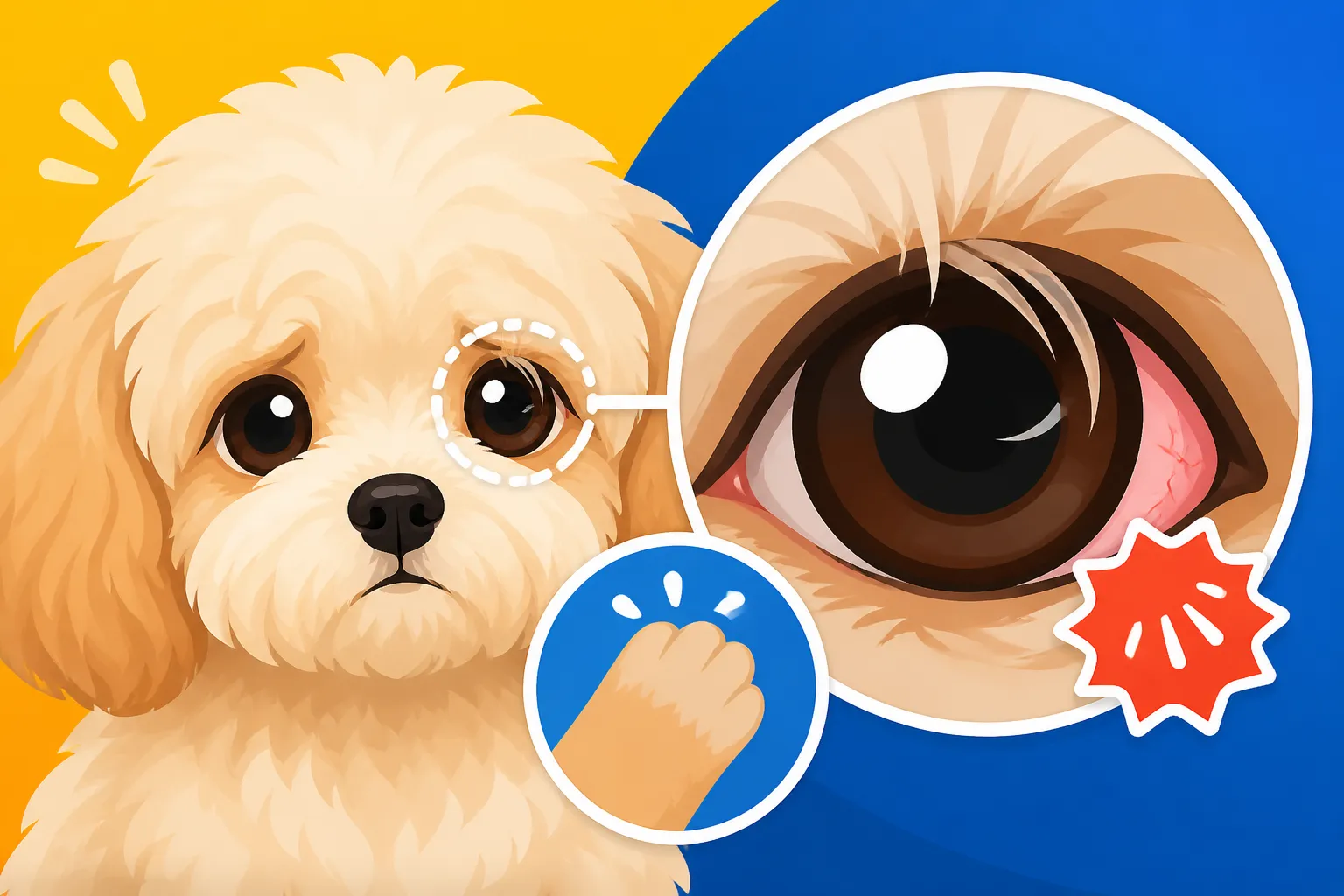
The mechanism by which hair can damage a Maltipoo's cornea is insidious. Think of it like a tiny, repetitive brushstroke. Each time your Maltipoo blinks, or moves its head, those untrimmed hairs around the eyes rub against the delicate corneal surface. Initially, this might cause mild irritation, leading to increased tearing and redness, which you might brush off as just normal Tear Duct Problems in a Maltipoo. However, this constant friction can cause small, superficial abrasions. These aren't necessarily deep cuts, but rather tiny scuffs or scrapes that compromise the integrity of the cornea.
Once the corneal surface is compromised, it becomes a welcome mat for bacteria and other pathogens that are naturally present on the skin and in the surrounding hair. A seemingly minor scratch can quickly turn into a corneal ulcer, which is a painful, open sore on the eye's surface. Ulcers can be incredibly painful, causing significant squinting, excessive tearing, and sensitivity to light. If left untreated, a corneal ulcer can deepen, potentially leading to permanent scarring, vision impairment, or in severe cases, even rupture of the eyeball. Furthermore, ingrown hairs, or eyelashes that grow inward (a condition called distichiasis or ectopic cilia, though less common than external hair irritation in Maltipoos), can exacerbate the problem by acting as a constant, sharp prick directly on the cornea. This is why addressing Whether Untrimmed Hair Scratches a Maltipoo's Cornea is so vital.
Signs and Symptoms of Eye Irritation or Injury
It’s crucial for Maltipoo owners to be vigilant about their dog's eye health. Early detection of issues can make a world of difference in preventing severe complications. Here’s what to look for:
- Excessive Tearing (Epiphora): While some tear staining is common in Maltipoos, a sudden increase in tearing or constant wetness around the eyes beyond normal indicates irritation.
- Redness of the Eye or Eyelids: The whites of the eyes (sclera) might appear bloodshot, or the inner lining of the eyelids could be noticeably red and inflamed.
- Squinting or Holding the Eye Shut: This is a clear sign of pain or discomfort. If your Maltipoo is frequently squinting or keeping one eye partially or fully closed, seek immediate veterinary attention.
- Pawing at the Eye: If your pup is constantly rubbing or pawing at its face or eyes, it’s trying to relieve irritation.
- Discharge: Any discharge that is thick, yellowish, greenish, or pus-like suggests an infection. Clear, watery discharge might indicate irritation, while colored discharge points to bacterial involvement.
- Cloudiness or Change in Eye Color: A bluish haze, a white spot, or any other change in the appearance of the cornea can indicate an ulcer or other serious damage.
- Sensitivity to Light (Photophobia): Your Maltipoo might shy away from bright lights or seek darker areas if its eyes are painful.
- Matted or Crusted Hair Around the Eyes: This is often a secondary symptom, but it indicates that tear production might be excessive and the area isn't being kept clean.
Table: Common Eye Symptoms and Actions
| Symptom | Potential Cause(s) | Recommended Action | Urgency |
|---|---|---|---|
| Mild increase in tearing/stains | Hair irritation, allergies, minor debris | Gentle cleaning, trim hair, monitor closely. | Routine to Moderate (if persistent) |
| Redness, mild squinting | Hair irritation, dust, minor infection | Clean, inspect for foreign objects. If no improvement in 12-24 hrs, contact vet. | Moderate |
| Constant squinting, pawing | Corneal scratch/ulcer, foreign object, severe pain | Immediate vet visit. Do not attempt to treat at home. | High (Emergency) |
| Thick, colored discharge | Bacterial infection, severe irritation | Vet visit within 24 hours. May require antibiotics. | High |
| Cloudiness, visible injury | Corneal ulcer, trauma, glaucoma | Immediate vet visit. Potential for permanent damage. | High (Emergency) |
| Sensitivity to light | Pain, inflammation, ulcer, uveitis | Vet visit within 24 hours. Can indicate serious internal eye issues. | High |
If you notice any of these signs, especially constant squinting or unusual discharge, it’s always best to consult your veterinarian. Early intervention can prevent minor issues from becoming debilitating and costly problems. Keeping a watchful eye, coupled with a solid pet insurance plan from providers like Healthy Paws, can offer peace of mind when unexpected eye issues arise.
Proactive Care: Keeping Your Maltipoo's Eyes Safe
Preventative care is truly the best medicine when it comes to your Maltipoo's eyes. Given their coat type, consistent grooming and daily attention are non-negotiable. It’s not just about looking good; it’s about feeling good and staying healthy.
Essential Grooming Practices for the Eye Area
Grooming around your Maltipoo's eyes needs to be a regular, gentle, and deliberate part of their care routine. This isn't a task you can skip or rush.
- Regular Trimming: This is arguably the most critical step. Hair around the eyes should be trimmed every two to three weeks, or even more frequently if your Maltipoo's hair grows quickly. Use small, blunt-nosed scissors specifically designed for pet grooming. Always point the scissors away from the eye, and if you’re nervous, pull the hair upwards and trim across the top, or have a professional groomer handle it. Many owners aim for a specific cut for their Maltipoo, which always includes careful face trimming. This crucial step directly addresses the concern of Whether a Maltipoo's Eyes Run All Year due to irritation.
- Daily Wiping: Even with regular trimming, tears and environmental debris can accumulate. Use a soft, damp cloth, a cotton ball, or a specialized tear stain wipe to gently clean the area around the eyes every day. Make sure the cloth is clean and free of harsh chemicals or perfumes. For those notorious tear stains, there are many products designed to safely cleanse the area and reduce the staining, though addressing the root cause (like hair irritation) is paramount. This daily habit goes hand-in-hand with The Daily Face Wipe a Maltipoo Needs.
- Combing Out Debris: After wiping, gently comb out any tiny bits of sleep, dirt, or stray hairs that might be clinging to the fur around the eyes. A fine-toothed flea comb can work wonders for this delicate task. Be extra careful not to poke the eye with the comb.
- Professional Grooming: Don't hesitate to rely on a professional groomer. They have the experience, tools, and steady hands to safely trim around sensitive areas. A good groomer understands the specific needs of a Maltipoo's coat and will include thorough eye area care as part of their service. Discuss your concerns with them, especially if your dog is prone to eye irritation or if you've been struggling to keep the area tidy at home. You can even combine a full groom with a face-only trim between appointments if your dog's hair grows particularly fast, helping you manage the cost of What Grooming a Maltipoo Costs a Year.
Daily Maintenance and Protective Measures
Beyond regular grooming, incorporating daily habits and protective measures can significantly reduce the risk of eye hair scratching or irritating your Maltipoo's corneas.
- Monitoring Eye Appearance: Make it a habit to check your Maltipoo's eyes daily. Look for clarity, brightness, and any signs of redness, discharge, or squinting. A quick glance during cuddle time or feeding can catch issues early. This daily visual check is part of How Often a Maltipoo's Eyes Need Cleared.
- Keep the Face Hair Out of the Eyes: For Maltipoos with longer face hair, consider using a soft elastic band to create a topknot, similar to what you might see on show dogs. This keeps the hair securely out of the eyes and off the sensitive cornea. Just ensure the band isn't too tight and is removed daily to prevent skin irritation or matting.
- Environmental Awareness: Be mindful of your Maltipoo's environment. Avoid letting them stick their head out of car windows at high speeds, as this can introduce dust, debris, and air irritation. When outdoors in dusty or windy conditions, consider doggy goggles if your Maltipoo will tolerate them – they might look silly, but they can offer excellent protection.
- Eye Drops/Rinses (Veterinarian Recommended): If your Maltipoo is prone to dry eye or mild environmental irritation, your vet might recommend specific lubricating eye drops or a sterile saline rinse. Never use human eye drops without consulting your vet first, as many contain ingredients harmful to dogs.
- High-Quality Diet and Hydration: A healthy diet supports overall health, including eye health. Ensure your Maltipoo is well-hydrated, as proper hydration contributes to healthy tear production.
- Preventative Vet Checks: Don’t underestimate the power of regular veterinary check-ups. Your vet can spot subtle signs of eye irritation or underlying issues you might miss. These routine examinations are part of The Yearly Checks a Maltipoo Should Get and can catch problems before they become serious. If you have pet insurance, like a plan from Healthy Paws, these preventative measures and routine checks can be part of keeping your Maltipoo healthy without constant worry about unexpected vet bills.
When to Seek Veterinary Attention
Even with the most diligent care, sometimes eye issues arise that require professional medical attention. Knowing when to stop home care and head straight to the vet is paramount for your Maltipoo's eye health and overall well-being.
Recognizing Serious Eye Issues
Some eye symptoms are simply too urgent to delay a vet visit. These are the red flags that indicate a potentially serious problem that could lead to permanent damage or even loss of vision if not addressed quickly.
- Sudden Onset of Severe Pain: This is often manifested by intense squinting, refusal to open the eye, crying out when touched near the eye, or vigorous pawing.
- Visible Injury to the Eye: If you can see a scratch, puncture, or foreign object in the eye, or if the eye itself looks cloudy, hazy, or swollen, it's an emergency.
- Changes in Eye Shape or Size: Any bulging, sinking, or sudden change in the size of one or both eyeballs can indicate conditions like glaucoma, proptosis, or severe trauma.
- Persistent or Worsening Symptoms: If mild irritation doesn't resolve within 24 hours with diligent home care, or if symptoms like redness, tearing, or discharge get worse, it’s time to call the vet. What might seem like a simple case of "The Eyes a Maltipoo Gets From the Poodle" could quickly become more serious.
- Loss of Vision: If your Maltipoo is bumping into things, seems disoriented, or struggles to navigate familiar spaces, especially in dim light, it could be a sign of vision impairment or blindness. This can be particularly heartbreaking, highlighting the need for vigilance when it comes to conditions like The Retinal Disease a Maltipoo Gets From the Poodle.
- Multiple Symptoms: The presence of several symptoms from the table above (e.g., severe redness, thick discharge, and squinting) simultaneously indicates a more advanced problem that definitely needs a professional diagnosis and treatment plan.
Remember, eye issues can progress very rapidly. What starts as a minor irritation can become a serious infection or ulcer within hours. Don't take a "wait and see" approach with your Maltipoo's eyes.
Diagnostic and Treatment Options
When you bring your Maltipoo to the vet with an eye concern, they will perform a thorough examination to determine the exact cause and the best course of action.
- Comprehensive Eye Exam: The vet will visually inspect the eye and surrounding structures, checking for redness, swelling, discharge, and signs of trauma. They might use an ophthalmoscope to look inside the eye and assess the retina and optic nerve. This initial exam is usually part of What an Eye Exam Costs on a Maltipoo.
- Fluorescein Stain Test: This is a common and vital diagnostic tool. A special orange dye is applied to the eye. If there's any corneal abrasion or ulcer, the dye will stick to the damaged area and glow green under a blue light, making the injury clearly visible. This simple test is often the key to diagnosing a scratched cornea.
- Schirmer Tear Test: This test measures tear production to rule out or diagnose conditions like dry eye (keratoconjunctivitis sicca), which can make the cornea more vulnerable to damage. This is especially relevant if you're concerned about Whether a Maltipoo Gets Dry Eye.
- Tonometry: This measures the pressure inside the eye, which is crucial for diagnosing glaucoma.
- Culture and Sensitivity: If an infection is suspected, the vet might take a sample of the discharge to identify the specific bacteria or fungus causing the problem and determine which antibiotics will be most effective.
Once a diagnosis is made, treatment will vary:
- Topical Medications: For corneal abrasions or ulcers, antibiotic eye drops or ointments are often prescribed to prevent or treat infection. Pain relief drops may also be used.
- Oral Medications: In some cases, oral antibiotics or anti-inflammatory drugs might be necessary, especially if there's significant inflammation or a deeper infection.
- E-Collar (Cone of Shame): This is almost always necessary to prevent your Maltipoo from pawing at its eye and worsening the injury or delaying healing. It’s not fun, but it’s essential!
- Surgery: In severe cases, such as deep ulcers that aren't healing, a corneal foreign body that can't be removed topically, or certain types of eyelid abnormalities, surgery may be required to repair the damage and preserve vision.
- Referral to a Veterinary Ophthalmologist: For complex or severe eye conditions, your primary vet might recommend a referral to a specialist veterinary ophthalmologist who has advanced training and equipment for eye care.
The cost of treating eye conditions can range from a few hundred dollars for a minor infection to several thousands for complex surgeries or chronic conditions. This is where a good pet insurance policy, such as those offered by Healthy Paws, can be invaluable, covering a significant portion of these unexpected expenses and allowing you to make treatment decisions based on your Maltipoo's health, not just your wallet. Consistent proactive care, including daily checks and regular grooming, can help minimize the chances of these costly and painful issues arising.
The Importance of Consistent Eye Care for Your Maltipoo
As you can see, the topic of eye hair and its potential impact on your Maltipoo's cornea is far from trivial. What might seem like a small, fluffy nuisance can, if neglected, lead to painful and vision-threatening conditions. Your Maltipoo relies on you to be their protector, and when it comes to their delicate eyes, that means consistent, proactive care. Regular grooming, daily checks, and a keen awareness of any changes in their eye health are not just recommendations – they are essential duties for every Maltipoo owner. By being diligent, you ensure your furry companion can see the world clearly and happily for all their wonderful years.
Disclaimer
This article is intended for informational purposes only and does not constitute medical advice. Always consult with a qualified veterinarian for any health concerns or before making any decisions about your pet's health or treatment.