Whether Neutering Settles a Maltipoo Down
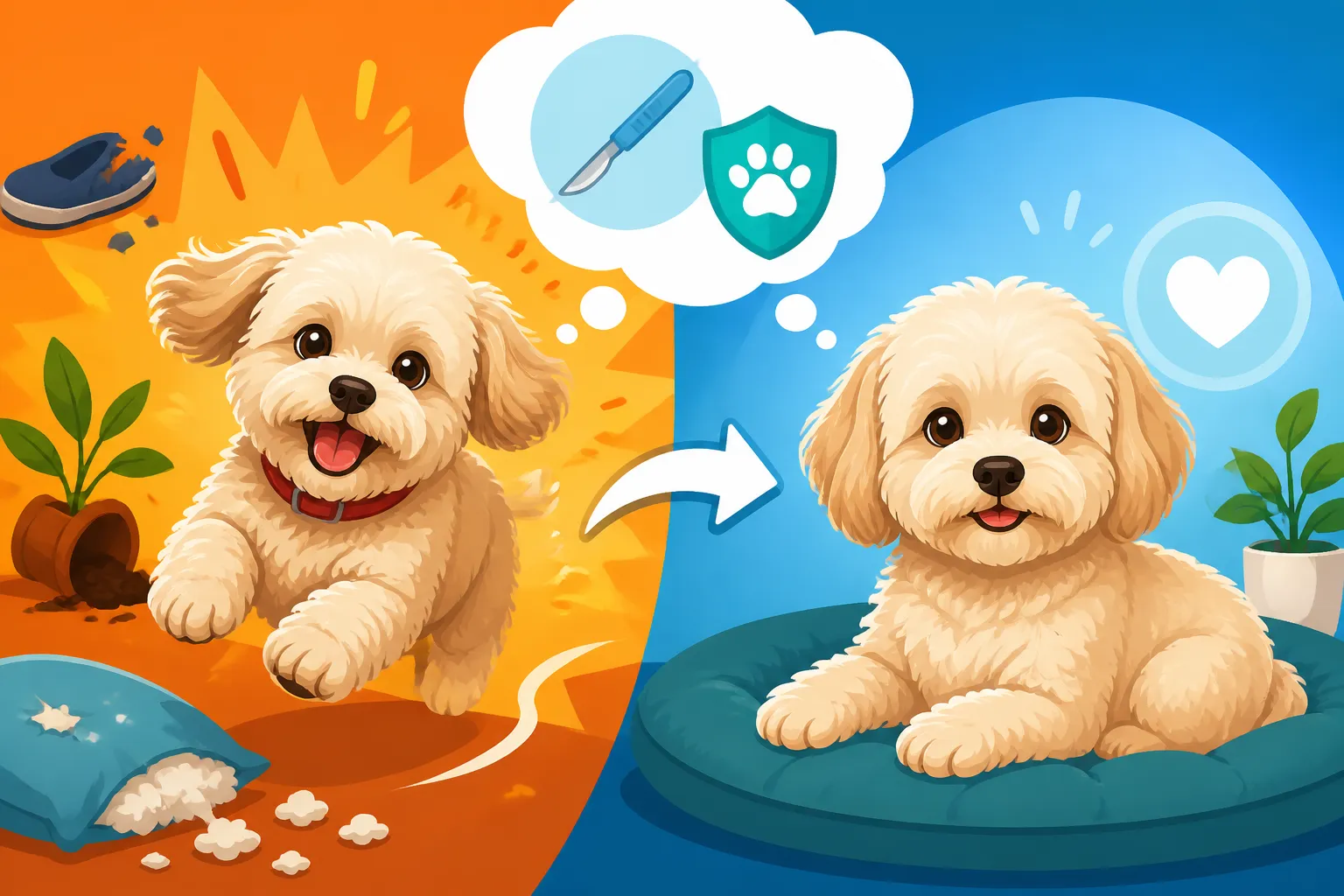
It’s a common question, and one many Maltipoo owners wrestle with: will neutering finally settle my dog down? When you’re dealing with a little firecracker who seems to have boundless energy, marks everything in sight, or experiences intense heat cycles, it's natural to hope for a calmer, more manageable companion. This guide will delve into the realistic impact of neutering on a Maltipoo's behavior, helping you understand what changes you can genuinely expect and what might still require a little extra work.
The Hormonal Rollercoaster Before Neutering and How it Impacts Behavior
Before we talk about what changes, let's understand what's driving some of those behaviors you might be seeing in your intact Maltipoo. Hormones, specifically sex hormones, play a significant role in shaping a dog's instincts and actions, influencing everything from their social interactions to their bathroom habits.
Understanding the Drive Behind Intact Male Behaviors
For male Maltipoos, testosterone is a powerful driver. This hormone fuels a lot of what we consider "masculine" dog behaviors, many of which can be frustrating for owners. You might notice a strong urge to mark territory, not just outside, but sometimes even inside your home. This isn't usually spite; it's a primal communication, an advertisement of his presence to other dogs. Roaming, even for a tiny Maltipoo, can be a major concern, as the scent of a female in heat can override all training and safety instincts. He might attempt to escape the yard or pull relentlessly on the leash, driven by the desire to find a mate.
Furthermore, intact males can sometimes exhibit increased aggression towards other intact males, a competition for resources or perceived mates. Mounting, whether directed at other dogs, people, or even inanimate objects, is another common behavior that can be embarrassing or just plain annoying. It's important to remember that these aren't necessarily signs of a "bad" dog, but rather a dog responding to powerful biological imperatives. Understanding this can help you approach the situation with more empathy, even as you seek solutions.
The Female Cycle and its Behavioral Manifestations
Female Maltipoos, too, experience significant hormonal fluctuations, though their manifestations differ from males. When an intact female goes into her heat cycle, it's a several-week-long event that can bring about a range of behavioral changes. You might notice increased restlessness, changes in appetite, or more frequent urination. Some females become clingier, seeking more attention, while others might seem more irritable or aloof. Vocalization can increase, with whining or pacing becoming common as their body prepares for potential breeding.
And, of course, there's the messy aspect: the bloody discharge that accompanies part of the cycle, requiring special doggy diapers and constant vigilance to keep your home clean. Beyond the practical challenges, the emotional toll on a female in heat can be considerable. She's sending out powerful signals that attract intact males from far and wide, which can lead to unwanted visitors to your yard, stressful encounters on walks, and a constant state of alert for both you and your Maltipoo. The whole process is a complex dance of hormones that can make for a very different dog for a few weeks every few months.
When Hormones Aren't the Whole Story
While hormones undeniably influence behavior, it's crucial to understand that not every challenging behavior you observe in your Maltipoo is solely hormone-driven. Many behaviors are learned, personality-based, or stem from a lack of consistent training and socialization. For instance, a Maltipoo who barks excessively at every passing squirrel, nips playfully, or jumps up on guests might be doing so because they haven't been taught appropriate alternatives, not because their hormones are raging.
It's a bit like a The Coin Flip Inside Every Maltipoo Puppy – you get a mix of traits from the Maltese and the Poodle, and their individual personalities are just as impactful as their biology. Some Maltipoos are naturally more timid, others are more boisterous, and these innate traits often show up quite early. Whether a Maltipoo Puppy's Character Shows at Eight Weeks is a question many new owners ponder, and indeed, many core personality traits are evident early on. Therefore, while neutering can address hormone-specific issues, it won't magically solve all behavioral quirks or training gaps. That's where consistent effort on your part truly comes into play.
How Neutering Can Impact Behavior (The Expected Changes)
Now that we've covered the behaviors often driven by hormones, let's explore the changes you can realistically expect after your Maltipoo is neutered. The surgical procedure, whether spaying a female or castrating a male, removes the primary source of sex hormones, which in turn can lead to significant shifts in certain behaviors.
Reduction in Hormone-Driven Behaviors
This is where neutering truly shines in its behavioral impact. For male Maltipoos, the removal of testosterone typically leads to a notable decrease in male-specific behaviors. The urge to roam in search of a mate, for instance, is often drastically reduced, making walks safer and reducing escape attempts. Territorial marking, particularly inside the house, can lessen significantly, though if it's been a long-standing habit, some retraining might still be needed to break the learned association. Aggression towards other intact males also tends to diminish, as the competitive drive is no longer as strong. Essentially, neutering can help an intact male Maltipoo "turn down the volume" on those primal urges. Whether an Unneutered Male Maltipoo Marks is a very real concern for many owners, and neutering is often the most effective way to curb this.
For female Maltipoos, the benefits are equally clear. Spaying eliminates heat cycles entirely, which means no more messy discharge, no more attracting intact male dogs to your yard, and no more hormonal mood swings that can make her restless, anxious, or vocal. The stress and physical discomfort associated with going into heat are completely removed. This can lead to a more consistent temperament and a generally more comfortable existence for your female Maltipoo. Whether a Female Maltipoo Is Cleaner is a common question from owners who are tired of dealing with heat cycles, and indeed, spaying resolves the issue of heat-related mess.
Potential Calming Effects
Beyond the specific hormone-driven behaviors, many owners report a general calming effect after neutering. This isn't a universal guarantee, as every Maltipoo is an individual, but it's a common observation. The constant hormonal surges and underlying anxieties associated with the breeding drive are gone. This can lead to a dog who is more relaxed, less prone to frantic energy bursts, and more focused on their human family.
For some Maltipoos, this calming might manifest as reduced general hyperactivity or a decrease in anxiety-related behaviors. Imagine not constantly being on high alert for potential mates or rivals; it can be quite a relief for a dog. This isn't to say your Maltipoo will suddenly become a couch potato if they were naturally energetic, but the edge might be taken off, making them more receptive to training and daily routines. This can be especially helpful if you're working on more structured training, like Training a Maltipoo Around Four Meals a Day for their mealtimes.
Behavioral Changes that Aren't Guaranteed
It's vital to manage expectations when considering neutering for behavioral reasons. While the removal of sex hormones can alleviate many hormone-driven issues, it's not a magic wand for all behavioral challenges. Behaviors that are not primarily tied to hormones are unlikely to change significantly. For example, excessive barking at the doorbell, jumping on furniture, separation anxiety, resource guarding (being possessive over toys or food), or general stubbornness are typically learned behaviors or personality traits.
If your Maltipoo Whether a Maltipoo Inherits the Maltese Stubbornness from their Maltese lineage, neutering isn't going to make them instantly compliant. Similarly, if they've developed habits due to insufficient socialization or training, the procedure won't correct those. These behaviors require consistent, positive reinforcement training and, sometimes, professional guidance. Neutering addresses the physiological drivers, not the psychological or learned components of behavior. It’s important to distinguish between the two for a realistic outcome.
When Neutering Won't Be a Magic Bullet (The Limits of the Procedure)
While we've discussed the positive impacts of neutering, it's equally important to understand its limitations. Many behavioral issues in Maltipoos are not rooted in hormones and therefore won't be resolved by the procedure alone. It's crucial to set realistic expectations to avoid disappointment and ensure you're addressing the root cause of any persistent problems.
The Role of Training and Environment
Think of it this way: neutering removes a primary biological driver, but it doesn't install a new set of manners. Many behaviors that owners find challenging—like excessive barking, digging, jumping, or even certain forms of aggression—are often learned, a result of insufficient training, a lack of appropriate outlets for energy, or an unstable home environment. A Maltipoo who has The Maltipoo That Was Never Taught to Be a Dog by their previous owners or never received proper socialization will continue to exhibit those behaviors even after neutering, because the underlying cause wasn't hormonal.
If your Maltipoo is generally unruly, struggles with basic obedience, or exhibits anxiety due to environmental factors, neutering alone won't transform them into a perfectly behaved companion. These issues require consistent effort through positive reinforcement training, clear boundaries, and appropriate socialization. If you're struggling with these aspects, resources like online training programs, such as those from BAXTER & Bella, can provide structure and guidance, helping you build a stronger foundation for good behavior. You can also find a vast array of training aids, like puzzle toys to keep their minds engaged, on Amazon.
Age and Learned Habits
The timing of neutering can also play a role in how effective it is at modifying certain behaviors. While neutering can prevent new hormone-driven habits from forming, it might not completely erase deeply ingrained behaviors that have been practiced for a long time. For instance, a male Maltipoo who has been consistently marking inside the house for several years before neutering may continue to do so out of habit, even without the hormonal imperative. The action itself has become a learned response, a routine part of his day.
In such cases, simply neutering isn't enough; you'll need to actively engage in behavior modification and retraining. This often involves meticulously cleaning marked areas with enzymatic cleaners to remove all scent traces and then rigorously restarting house training, perhaps even treating your older Maltipoo like a puppy again. Restarting House Training With an Older Maltipoo can be a challenge, but it is achievable with patience and consistency. The longer a behavior has been established, the more dedicated your efforts will need to be to reshape it, regardless of hormonal changes.
Addressing Underlying Issues
Finally, it's important to consider that some undesirable behaviors might have underlying emotional or medical causes that neutering cannot address, and in some cases, might even subtly exacerbate. For instance, a Maltipoo exhibiting fear-based aggression or extreme shyness might not benefit behaviorally from neutering. For timid dogs, the removal of sex hormones can, in rare cases, make them feel even more vulnerable if the hormones were providing a subtle sense of confidence.
Similarly, behaviors stemming from chronic pain, vision or hearing loss, or other medical conditions obviously won't be resolved by neutering. It's always a good idea to have a thorough veterinary check-up to rule out any health issues contributing to behavioral problems before deciding solely on neutering as a solution. If your Maltipoo's behavior seems extreme, sudden, or linked to pain, always consult your vet first.
The Holistic Approach: Combining Neutering with Training and Care
Neutering can certainly be a valuable tool in managing certain behaviors, but it's rarely a standalone solution. For the happiest, most well-adjusted Maltipoo, a holistic approach that combines the benefits of neutering with consistent training, proper care, and a supportive environment is key.
The Importance of Post-Neutering Management
Even after your Maltipoo is neutered, the journey of good pet ownership continues. Post-neutering, it's essential to maintain a routine of positive reinforcement training. This means rewarding desired behaviors and gently redirecting undesirable ones. Continued socialization, exposing your Maltipoo to various sights, sounds, people, and other well-behaved dogs, is also crucial for their emotional well-being.
Your Maltipoo, regardless of their hormonal status, still needs appropriate physical exercise and mental stimulation. For a little one, this might mean a couple of short, brisk walks each day, perfectly suited to The Walk a Six Pound Maltipoo Actually Needs. Beyond physical activity, mental exercise is just as important. Puzzle toys, readily available on platforms like Amazon, can keep their clever minds engaged and prevent boredom, which can often lead to destructive behaviors. Think of neutering as a foundation upon which you build further good habits, not the entire structure itself.
Considering the Right Time for Neutering
The question of when to neuter a Maltipoo is one that veterinarians and owners are continually discussing, with evolving recommendations. Historically, many vets recommended neutering quite early, sometimes as young as six months. However, current research suggests that waiting until a dog is more mature, potentially even after their first heat cycle for females or after a year for males, might offer certain long-term health benefits, especially concerning musculoskeletal development and certain types of cancer.
It's a nuanced discussion that balances the behavioral advantages of early neutering (like preventing marking habits from solidifying) with potential long-term health considerations. This is definitely a conversation you should have openly and thoroughly with your trusted veterinarian, taking into account your Maltipoo's specific breed mix, size, individual health, and behavioral tendencies. They can help you weigh the pros and cons to determine the best timing for your furry family member.
Professional Guidance for Persistent Behaviors
If you've neutered your Maltipoo and are still struggling with certain behaviors, or if you want to ensure you're doing everything possible to prevent issues, don't hesitate to seek professional help. A certified professional dog trainer can assess your Maltipoo's specific behaviors, identify their root causes, and provide a tailored training plan. They can help you address everything from persistent house training issues to leash reactivity or anxiety.
For more complex or deeply ingrained behavioral problems, a veterinary behaviorist might be the best course of action. These specialists are veterinarians who have undertaken additional training and certification in animal behavior. They can diagnose and treat behavioral disorders, often combining behavioral modification techniques with medication if necessary. Reputable online training resources, such as BAXTER & Bella, also offer access to trainers who can provide personalized support and guidance, ensuring you have expert eyes on your Maltipoo's progress every step of the way.
Remember, neutering is a significant step, but it's just one part of raising a well-behaved Maltipoo. Your dedication to their training, socialization, and overall care will have the most profound and lasting impact on their temperament and happiness.
| Behavior Type | Intact Male Potential | Intact Female Potential | Post-Neutering Potential (Males & Females) |
|---|---|---|---|
| Sexual Drive | Strong urge to roam, seek mates, mount | Heat cycles, attracting males, potential pregnancy | Eliminated |
| Marking | Frequent urination, territorial marking indoors/out | More frequent urination during heat | Significant reduction, especially if done early |
| Aggression | Towards other intact males, competition | Irritability/mood swings during heat | Often reduced in males; more stable mood in females |
| Roaming | High likelihood of escape attempts | May wander more during heat | Significantly reduced |
| Vocalization | Whining when detecting females | Increased whining, restlessness during heat | Often reduced |
| Learned Behaviors | Barking, jumping, leash pulling, anxiety (if untr.) | Barking, jumping, leash pulling, anxiety (if untr.) | No direct change; requires training and management |
Disclaimer
This article is for general informational purposes only and does not constitute professional advice. Laws, prices and regulations vary by location and change over time. Consult a qualified professional for guidance on your specific situation.