Stopping a Maltipoo Puppy Jumping at Faces
It’s a scene many Maltipoo owners know all too well: your adorable, fluffy puppy greets you or a guest with an enthusiastic leap, aiming directly for the face. What starts as a cute, tiny jump from a tiny creature can quickly become a frustrating, even painful habit as they grow, especially with those sharp puppy nails and sometimes even nippy mouths. This guide is here to walk you through exactly why your Maltipoo puppy jumps and, more importantly, how you can gently but firmly teach them better manners for a happy, jump-free home.
Understanding Why Your Maltipoo Puppy Jumps
When your precious Maltipoo puppy launches themselves into the air, seemingly with the sole purpose of connecting with your chin or the bridge of your nose, it’s easy to feel a mix of annoyance and confusion. Why do they do it? Are they being naughty? The truth is, it’s rarely about malice and almost always about something far more innocent from their perspective. Understanding the root causes is the first step toward effectively addressing the behavior.
It's Natural Puppy Behavior Not Malice
Think back to how puppies interact in a litter. When they want to play, get attention from their mother, or simply investigate something new, they often use their paws and mouths. They might bat at each other, pounce, or yes, even jump up on their siblings or their mom. This isn’t aggression; it’s a natural, instinctive way for them to engage and communicate within their world. When they come into your home, they simply transfer these learned behaviors to you, their new family. To them, jumping is a perfectly normal and effective way to say, "Hello! I'm here! Interact with me!"
It’s completely understandable why this behavior can be frustrating, especially when those tiny, needle-sharp puppy teeth come into play. While they might not be intentionally trying to hurt you, a swift, unexpected jump that lands a tooth or a claw on your face can certainly be startling and uncomfortable. It's important to remember that they aren't deliberately trying to cause you pain or be disobedient. They're just being puppies, operating on instinct and a desire for connection. It’s up to us, as their loving human companions, to guide them toward more appropriate ways of expressing themselves.
They're Seeking Attention and Engagement
This is probably the biggest reason your Maltipoo puppy jumps: they want your attention. And here’s the kicker – any attention, whether positive or negative, is still attention to a puppy. If they jump up, and you gasp, push them away, yell "no," or even just make eye contact, you’ve just inadvertently rewarded their behavior. They’ve learned, "Ah, jumping gets a reaction! I'll do that again!" For a small breed like a Maltipoo, who often thrives on human interaction and can easily feel overlooked in a busy household, attention-seeking behaviors are incredibly common.
Because Maltipoos are often so small and utterly adorable, especially as puppies, owners can unintentionally encourage jumping without even realizing it. A tiny puppy jumping might elicit a laugh, a gentle push, or even an instinctive pick-up. While these reactions seem harmless when your Maltipoo weighs mere pounds, they teach the puppy that jumping is an effective way to get what they want. They don't differentiate between "good" attention (like praise and petting) and "bad" attention (like being told off or pushed away) when they're simply craving interaction. They just know that the action of jumping leads to you focusing on them, which is precisely their goal.
Lack of Clear Boundaries
One of the most challenging aspects of puppy training, regardless of breed, is consistency. If your Maltipoo puppy is sometimes allowed to jump on one family member but is scolded by another, they will become utterly confused. They don't understand nuances like "it's okay to jump on Aunt Sarah but not on Dad." All they see is that sometimes jumping works, and sometimes it doesn't, making it a gamble they're often willing to take. This inconsistency can make training significantly more difficult and prolong the time it takes for your puppy to learn the desired behavior.
It's a common scenario: when a Maltipoo puppy is tiny, a little jump is often seen as endearing. People might giggle, encourage it, or simply tolerate it because the puppy is so small and harmless. However, as that puppy grows, even by a few pounds, those jumps become less cute and more impactful. The frustration then sets in for the owner, who suddenly expects the behavior to stop, even though they may have inadvertently reinforced it for weeks or months. Establishing clear, consistent boundaries from day one, even if it feels a little silly to apply strict rules to such a small, fluffy creature, is absolutely crucial for preventing jumping behavior from becoming a deeply ingrained habit. Every person who interacts with your Maltipoo needs to be on the same page, consistently reinforcing the desired behavior and ignoring the undesired one.
Setting the Stage for Success: Prevention and Management
Preventing unwanted behaviors like jumping at faces is often much easier than trying to undo a deeply ingrained habit. For a Maltipoo puppy, whose desire for connection and attention is incredibly strong, setting them up for success from the very beginning is paramount. This involves not just training them, but also managing their environment and your own reactions to ensure they learn the right lessons.
Managing the Environment
One of the most effective ways to stop jumping is to simply prevent your Maltipoo puppy from having the opportunity to jump in the first place, especially during times of high excitement like greetings. This doesn't mean isolating them, but rather intelligently structuring their environment. Using physical barriers like baby gates can be incredibly helpful. If your puppy tends to jump on guests as they enter, having them behind a gate initially allows for a calmer introduction. Guests can then approach, offering a calm hand to sniff at ground level, or waiting until the puppy has settled before entering their space.
Indoors, especially during initial training phases, keeping a lightweight leash on your Maltipoo (under direct supervision, of course) can give you gentle control without having to physically push them away. When you anticipate a jumping moment, you can gently guide them back to four paws on the floor. For managing energy levels and preventing destructive or overly excited behaviors that can lead to jumping, playpens are also fantastic tools. They provide a safe, contained space for your puppy to play, rest, and observe without constant direct supervision, allowing you to manage interactions and prevent jumping proactively. Think about Whether a Playpen Beats a Crate for a Maltipoo for containing your little one safely. This approach helps teach them impulse control without you constantly needing to intervene with corrections.
Teaching an Alternative Behavior
The most powerful way to stop an unwanted behavior isn't just to punish it; it’s to teach and reward an alternative, incompatible behavior. When it comes to jumping, the classic alternative is "four on the floor" or a "sit to greet." This means teaching your Maltipoo puppy that when they want attention or to say hello, sitting calmly with all four paws on the ground is the behavior that gets them what they want – praise, pets, and maybe even a treat.
Start practicing this in low-distraction environments first, with just family members. As someone approaches, or even just walks past, ask your Maltipoo to "sit." The moment their rear touches the floor, lavish them with praise and a small, high-value treat. Ignore any attempts to jump; simply turn your back or step away, then re-engage and ask for the sit again once they're calm. The goal is to make "sitting" the default for greetings. Some fantastic online training programs, like those offered by BAXTER & Bella, really focus on these positive reinforcement methods, providing structured steps to teach alternative behaviors that are both effective and humane. The key is to be proactive: reward the calm before the jump, rather than reacting to the jump itself.
Consistency is Your Best Friend
You’ll hear this advice a lot in dog training, but nowhere is it more critical than with jumping. If one person in the house allows your Maltipoo puppy to jump up for attention, even just once, it significantly undermines all the hard work everyone else is doing. Imagine trying to learn a language where the rules constantly change – it would be impossible! Your Maltipoo puppy needs clear, unwavering communication from every single person they interact with.
This means that every family member, every frequent visitor, even your kids' friends, need to understand and implement the same strategy: no rewards for jumping, only rewards for calm, four-on-the-floor greetings. It might feel like a big ask, but it’s essential for your puppy’s learning and for your sanity. Having a quick chat with guests before they enter, asking them to ignore the jumping and only give attention when your Maltipoo is sitting, can make a huge difference. Consistency isn't just about what you do, but also about what you don't do. Consistently ignoring the jumps and consistently rewarding the sits will, over time, teach your Maltipoo exactly what you expect from them. Without this unified front, your Maltipoo will remain confused, and the jumping behavior will persist much longer than necessary.
Practical Training Techniques to Stop Jumping
Now that we’ve covered the "why" and the "how to set up for success," let's dive into the practical, step-by-step techniques you can use right now to curb your Maltipoo puppy's jumping habits. These methods are rooted in positive reinforcement and clear communication, which are especially effective for sensitive and intelligent breeds like Maltipoos.
The "No Reward" Approach
This technique is exactly what it sounds like: ensuring your Maltipoo puppy receives absolutely no reward for jumping up. Remember, any attention is a reward. So, when your Maltipoo jumps, the reward is removed.
Here’s how to implement it:
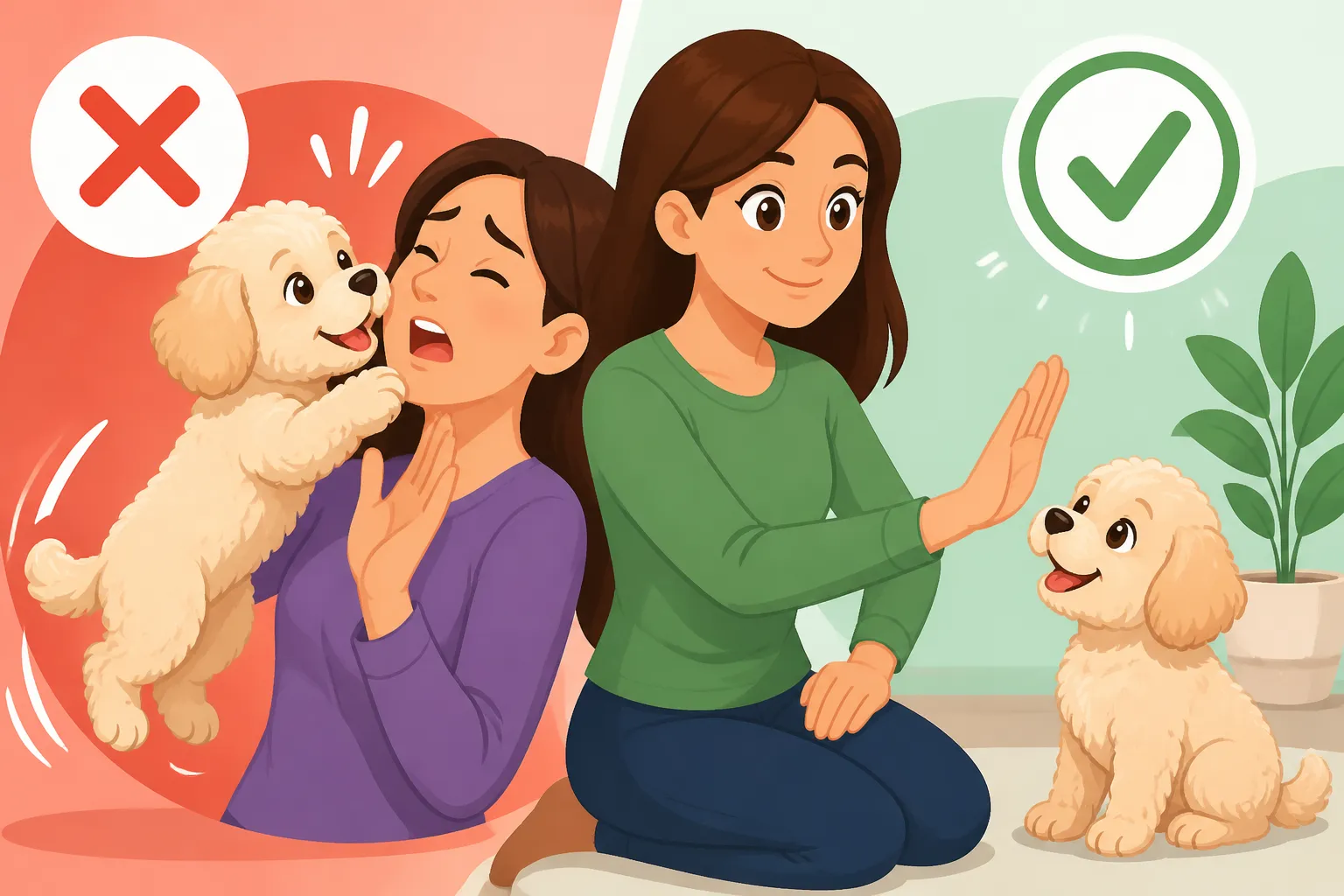
- Turn Away: The instant your puppy's paws leave the floor to jump on you, immediately turn your back to them. Cross your arms and stand completely still. Do not say anything, do not look at them, do not push them away. You are essentially becoming a "boring tree."
- Disengage Completely: If they persist and jump on your back, simply walk away from them. Step into another room, behind a baby gate, or even just take two steps back. The goal is to make it clear that jumping makes you disappear.
- Wait for Calm: Wait until all four of their paws are on the floor, and they are calm (even if it's just for a second). The very moment they settle, turn back around, calmly praise them, and offer a gentle pet at their chest level, not their head, to avoid inadvertently encouraging them to leap again. You can also offer a small treat at this point.
- Repeat, Repeat, Repeat: This isn't a one-and-done solution. Every single time your Maltipoo jumps, you must consistently apply the "no reward" approach.
For a Maltipoo, who often have a deep desire for human interaction and can be very persistent, this technique might take a bit of patience. They might try harder at first, thinking their usual tactics aren't working. But with unwavering consistency, they will eventually realize that jumping yields nothing, while calm behavior brings the desired attention.
Lure and Reward for Calm Greetings
This method actively teaches your Maltipoo what you want them to do instead of jumping. It's often paired with the "no reward" approach.
- Prepare Your Treats: Have small, high-value treats readily available in your pocket or a treat pouch.
- Anticipate the Jump: As you or a guest approach your Maltipoo, or as they start to get excited and look like they might jump, act quickly.
- Lure into a Sit: Hold a treat near their nose and slowly move it backward over their head. Their nose will follow the treat, and their rear end will naturally lower into a sit. As soon as their bottom touches the floor, even for a split second, say "yes!" or "good sit!" and immediately give them the treat.
- Praise and Pet: While they are still sitting, give them calm, gentle praise and pet them. Remember to pet them on their chest or chin, avoiding actions that might encourage them to stand or jump.
- Practice Often: Practice this multiple times a day, in short, positive sessions. Gradually introduce more distractions once they are consistently sitting calmly. You’ll find that a Maltipoo, with their intelligent Poodle heritage, can be quite keen to work for food and praise. Learning Whether a Maltipoo Works for Food or Praise can greatly enhance your training effectiveness.
The key here is to intervene before they jump. You want to reward the proactive choice to sit, not just the eventual calm after a jump attempt. This helps them build a strong association: "I want attention? I sit. I get rewarded."
Addressing Excitability and Overstimulation
Sometimes, jumping isn't just about attention; it's a symptom of overwhelming excitement. Maltipoos, while small, can have bursts of energy and get very hyped up, especially with new people or during playtime. Managing this excitability is crucial.
- Short, Structured Play: Instead of letting play become a free-for-all, engage in short, structured play sessions with appropriate toys. Use fetch, tug-of-war (with rules like "drop it" and "take it"), or flirt poles. These activities allow them to burn off energy in a controlled way.
- Enrichment Toys: Mental stimulation can be just as tiring as physical exercise. Puzzle toys, like those you can find on Amazon, where your Maltipoo has to work to get treats, are fantastic for redirecting high energy and focus. Explore Whether a Maltipoo Enjoys Puzzle Toys to keep their minds engaged and reduce overt excitement.
- Calm-Down Protocol: Teach your Maltipoo a "place" command, where they go to a designated bed or mat and stay there calmly. Practice this regularly, rewarding them for settling down. This gives them a default "chill out" spot when things get too exciting.
Dealing with Puppy Nipping and Mouthing
Jumping often goes hand-in-hand with nipping or mouthing, especially when a puppy is overexcited or seeking interaction. Those tiny puppy teeth can be surprisingly sharp!
- The "Yelp" Method: If your Maltipoo puppy nips your skin too hard during play or while jumping, let out a sharp, high-pitched "yelp" sound (like a puppy would if another puppy bit them too hard).
- Immediate Disengagement: The instant you yelp, immediately withdraw your hand and turn away, ignoring them for 10-20 seconds. This mimics what a littermate would do, signaling that play stops when bites are too hard.
- Redirect to a Toy: After a short ignore period, re-engage and immediately offer an appropriate chew toy. This teaches them that toys are for chewing, not human skin.
- Manage Those Needle Teeth: Remember, puppies explore with their mouths, and those When a Maltipoo Puppy's Needle Teeth Go are quite effective. Patience and consistency with redirecting to toys are key until they learn bite inhibition and their adult teeth come in.
By combining these methods, you're not just stopping an unwanted behavior; you're actively teaching your Maltipoo puppy how to interact politely and appropriately with their human family.
Long-Term Strategies for a Well-Mannered Maltipoo
Stopping a Maltipoo puppy from jumping at faces isn't just about immediate corrections; it's about fostering a foundation of good manners and understanding that will last their lifetime. Consistency, patience, and continued education are the cornerstones of ensuring your Maltipoo remains a well-adjusted and polite member of your family.
Socialization and Desensitization
A well-socialized Maltipoo is often a calmer, more confident Maltipoo, which can significantly reduce instances of excessive excitement and jumping. Socialization isn't just about meeting other dogs; it's about positive exposure to a wide variety of people, sights, sounds, and environments in a controlled and positive way.
- Controlled Greetings: Introduce your Maltipoo puppy to new people gradually and always under supervision. Ask friends and family to help reinforce your training by only engaging with your puppy when all four paws are on the floor. Start with one calm person, then gradually introduce more people or busier environments.
- Positive Experiences: Make every new encounter a positive one. If your puppy is nervous, keep distances, offer treats, and never force an interaction. The goal is desensitization – helping them get used to new stimuli without becoming overwhelmed or overly excited.
- Out and About (Safely): Once your puppy is fully vaccinated, take them on short, frequent outings to places where they can observe people and other dogs from a safe distance. A dog-friendly cafe patio, a quiet park bench, or even just sitting in your car watching the world go by can be valuable socialization experiences. This also teaches them how to manage their excitement in public, leading to calmer greetings overall. Remember those crucial first days with your new puppy; Surviving the First Week With a Maltipoo Puppy sets the tone for future interactions.
Continuing Education and Advanced Training
Just like children, dogs benefit from ongoing learning. Don’t assume that once your Maltipoo puppy stops jumping, the training is "done." Continued education reinforces good habits and can even strengthen your bond.
- Group Classes: Puppy classes are fantastic for continued socialization and learning basic obedience commands in a distracting environment. Even after puppyhood, many facilities offer intermediate or advanced obedience courses that can be fun and mentally stimulating for your Maltipoo.
- Online Resources: If in-person classes aren't feasible, many online platforms and programs (like BAXTER & Bella, for example) provide excellent resources for continued training. They often cover everything from basic manners to fun tricks, ensuring your Maltipoo’s brain stays engaged. This also caters to owners who might wonder Whether a Maltipoo Owner Can Do It Without a Trainer, providing structured guidance.
- Never Stop Practicing: Integrate training into your daily routine. Ask for a "sit" before putting down their food bowl, before going out for a walk, or before getting cuddles. These small, consistent reinforcements keep the desired behaviors fresh in their mind. Remember, even though Maltipoos are small dogs, they are not exempt from needing good manners and consistent training; in fact, their charming size often means people are more inclined to let them get away with things bigger dogs wouldn't.
Managing Expectations and Celebrating Progress
Training a puppy, especially to break a natural behavior like jumping, takes time, patience, and a healthy dose of realism. There will be days when your Maltipoo puppy seems to have forgotten everything you taught them, and they'll revert to jumping. This is normal! They are still learning and testing boundaries, and setbacks are a part of the process.
- Patience is Key: Don't get discouraged by occasional regressions. Simply go back to basics with your chosen training methods – the "no reward" approach and luring for a sit. Your consistency will pay off.
- Celebrate Small Wins: Did your Maltipoo sit calmly for a new visitor for the first time? Did they ignore a squirrel instead of launching themselves at the window? These are huge victories! Acknowledge and celebrate every step of progress, no matter how small. Positive reinforcement works wonders for a Maltipoo’s sensitive nature.
- Enjoy the Bond: Ultimately, training isn't just about obedience; it's about building a strong, trusting relationship with your Maltipoo. The effort you put into teaching them good manners will result in a confident, well-behaved companion who can comfortably navigate the human world and be a joy to be around for their entire The Twelve to Fifteen Years a Maltipoo Lives.
By implementing these long-term strategies, you're not just correcting a behavior; you're investing in your Maltipoo's overall well-being and ensuring a harmonious life together.
Jumping: What to Do and What Not to Do
To make it super clear, here’s a quick summary of the best and worst approaches when your Maltipoo puppy tries to jump up. Stick to the "What to Do" column like glue, and you'll see progress!
| What NOT to Do When Your Maltipoo Jumps | What TO Do When Your Maltipoo Jumps |
|---|---|
| Yell "No!" or "Down!" | Silently turn your back and ignore them. |
| Push them off with your hands or feet | Walk away or step behind a barrier. |
| Make direct eye contact | Avoid any eye contact until calm. |
| Give any verbal or physical attention | Wait for four paws on the floor and calm. |
| Pick them up | Ask for a "sit" as an alternative behavior. |
| Allow some people to encourage jumping | Ensure everyone in the house is consistent. |
| Let excitement build without direction | Redirect energy to appropriate toys or activities. |
| Expect instant results | Be patient and celebrate small progress. |
Disclaimer
This article is for general informational purposes only and does not constitute professional advice. Laws, prices and regulations vary by location and change over time. Consult a qualified professional for guidance on your specific situation.