Whether Any Maltipoo Is Truly Non Shedding
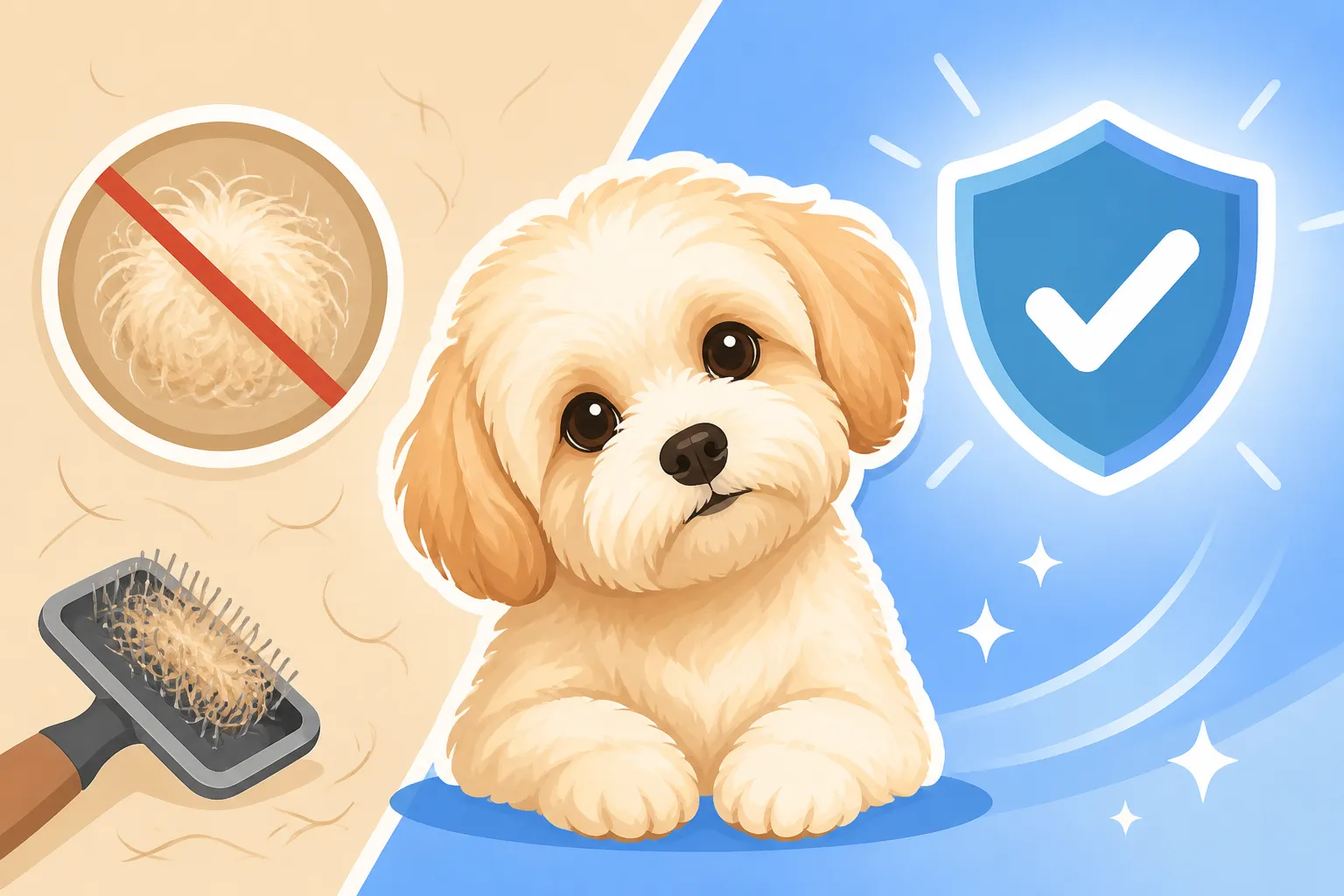
One of the biggest draws to the adorable Maltipoo is often the promise of a "non-shedding" dog. It's a phrase that conjures images of pristine floors, lint-roller-free clothes, and a life blissfully free of dog hair tumbleweeds. But for many new Maltipoo owners, that dream quickly gives way to a puzzling reality: "Wait, why is there still hair everywhere? Didn't they say these dogs don't shed?" You're not alone in feeling this confusion, and the truth is, the term "non-shedding" is a bit of a myth, or at least a major oversimplification, when it comes to any dog, including our beloved Maltipoos. This guide is here to unravel what "non-shedding" actually means for your Maltipoo, what to truly expect, and how to manage those loose hairs that inevitably appear.
Deconstructing the "Non-Shedding" Myth for Maltipoos
Let's get one thing straight right from the start: all dogs shed. Every single one of them. Just like humans lose strands of hair every day, dogs naturally shed old or damaged hair. The difference, and where the "non-shedding" label comes from, lies in how that shedding manifests and how much visible hair is released into the environment. It's not about zero shedding; it's about the type of hair and its growth cycle.
What "Non-Shedding" Actually Implies for This Crossbreed
When people talk about a "non-shedding" dog like a Maltipoo, they're usually referring to breeds or mixes that have hair, not fur. This distinction is crucial. Dogs with traditional "fur" (like Labradors or German Shepherds) have a short growth cycle, meaning their hair grows to a certain length, dies, and then falls out readily, often in large quantities, especially during seasonal changes. This is where you see those dreaded hair clumps on your furniture and clothes.
Maltipoos, inheriting traits from both the Maltese and the Poodle, have a very different kind of coat. Both parent breeds have hair that grows continuously, much like human hair, with a much longer growth cycle. Instead of falling out freely, these loose hairs tend to get caught within the surrounding coat. Think of it like a tangled mess where the shed hair is trapped rather than escaping. So, while your Maltipoo is shedding, those hairs aren't raining down on your sofa or swirling across your floor in the same way they would with a traditionally shedding breed. This characteristic is why Maltipoos are often lauded for being "hypoallergenic," a topic we'll dive into more deeply later. But for now, understand that the shedding is happening, it's just being contained by the coat itself. This means that regular grooming isn't just for aesthetics; it's absolutely essential for removing those trapped hairs and preventing painful mats. You might find a good selection of grooming tools on Amazon to help with this.
The Role of the Maltese and Poodle Genetics
The Maltipoo's coat is a direct blend of its two parent breeds: the silky, single-coated Maltese and the curly, dense-coated Poodle. Both are known for their minimal shedding, and this is what carries over to their delightful offspring.
- The Maltese Influence: The Maltese contributes a fine, long, single coat that is luxurious and flowing. While this coat is traditionally kept long, it doesn't have an undercoat to shed, which is why a purebred Maltese is considered low-shedding. Any shed hairs are generally light and soft and tend to get caught in the longer strands.
- The Poodle Influence: The Poodle, on the other hand, brings a dense, curly, often corded coat. These tight curls are exceptional at trapping any loose hairs, preventing them from falling out. This is the primary reason Poodles are considered the gold standard for "non-shedding" dogs.
When these two genetics combine, you get a beautiful variety of Maltipoo coats, all of which lean towards the continuous growth, low-shedding characteristic. However, the degree to which a Maltipoo appears to shed will largely depend on which parent's coat genetics are more dominant. A Maltipoo with a straighter, wavier coat might seem to shed a little more visibly than one with very tight Poodle-like curls, simply because the looser waves aren't as efficient at trapping those shed hairs. Regardless, the fundamental principle remains: the hair is still shedding, but it's largely staying within the dog's coat, awaiting your brush to release it.
Understanding the Maltipoo Coat Types and Their Shedding Potential
The beauty of the Maltipoo lies in its variety, and nowhere is this more apparent than in their coats. Because they are a crossbreed, there's no single "Maltipoo coat." Instead, you get a wonderful spectrum of textures and curl patterns, each with its own specific grooming needs and, yes, a slightly different "shedding" experience.
The Wavy Maltipoo Coat
This is perhaps one of the most common Maltipoo coat types, and often what people envision when they think of a "doodle" mix. The wavy coat strikes a balance between the Maltese's straight hair and the Poodle's tight curls. It's soft, often fluffy, and has a pleasant, gentle wave to it.
- Appearance and Texture: Imagine soft, flowing hair with definite bends and curves, but not tight spirals. It's usually quite dense and feels lovely to touch.
- Shedding Reality: While still considered very low-shedding, a wavy coat might release more visible loose hairs than a curlier coat. The waves aren't as efficient at trapping every single shed hair as tight curls are. You might notice a few stray hairs on your clothes or furniture, especially if your Maltipoo has been romping around or if you've missed a grooming session. However, it's still significantly less than what you'd see from a heavy-shedding breed. The real challenge with a wavy coat isn't the shedding itself, but the matting potential. Those waves can easily tangle and knot if not brushed frequently. Many owners find that the phrase The Coat a Maltipoo Gets From Two Non Shedding Parents truly applies here, but it doesn't mean no effort.
- Grooming Implications: Regular, thorough brushing is paramount. You'll need a slicker brush and a metal comb to work through the waves, ensuring you reach down to the skin to prevent mats. Brushing every day or every other day is often recommended, especially if you prefer to keep your Maltipoo's coat on the longer side.
The Curly Maltipoo Coat
If your Maltipoo leans more towards their Poodle heritage, they'll likely have a curly coat. This is often seen as the most "hypoallergenic" and "non-shedding" of the Maltipoo coat types.
- Appearance and Texture: This coat is characterized by tight, dense curls, very similar to a Poodle's. It can feel springy and has a distinct texture. These curls often make the coat look thicker and fuller.
- Shedding Reality: A curly coat is incredibly effective at trapping shed hairs. This means you'll see very few, if any, stray hairs around your home. The downside, if you can call it that, is that all those trapped hairs must be brushed out, or they will quickly form painful mats and dreadlocks right against the skin. So, while you're not vacuuming constantly, your brush will be doing the heavy lifting. This coat is the closest you'll get to the mythical "non-shedding" ideal, but it comes with a high grooming commitment.
- Grooming Implications: Daily brushing with a slicker brush and a long-toothed metal comb is practically non-negotiable for a curly-coated Maltipoo, especially as their coat starts to transition around 6-12 months. This is when the puppy coat sheds out and the adult coat comes in, and tangles can appear almost overnight. Keeping the coat trimmed short by a professional groomer every 6-8 weeks can make home maintenance much easier. How Many Months a Maltipoo's Coat Change Runs is a critical time for extra vigilance.
The Straight Coated Maltipoo
While less common, some Maltipoos can inherit a straighter coat, leaning heavily towards their Maltese lineage. These coats are often described as silky and fine.
- Appearance and Texture: A straight coat will be long and flowing, much like a traditional Maltese, with minimal to no wave. It's usually quite soft and fine in texture.
- Shedding Reality: Like the Maltese, this coat type is still considered very low-shedding because it lacks an undercoat. Any shed hairs are typically fine and tend to blend into the surroundings or get caught in the longer strands. You might notice them more than with a curly coat, but still far less than a heavy-shedding breed. The fineness of the hair, however, makes it prone to breakage if not cared for gently.
- Grooming Implications: Regular brushing is still essential to prevent tangles and remove trapped hairs. A pin brush followed by a metal comb is usually effective for this delicate coat. Because the hair is so fine, it can mat quite easily, especially behind the ears, under the legs, and where a harness rubs. You'll also want to pay attention to Tear Staining on a Light Coated Maltipoo with this coat type, as the long facial hair can wick moisture.
Here's a quick comparison of the Maltipoo coat types:
| Coat Type | Appearance | Shedding Visibility (Low to Moderate) | Matting Risk (Moderate to High) | Grooming Frequency |
|---|---|---|---|---|
| Wavy | Soft waves, fluffy | Low to Moderate | High | Every 1-2 days |
| Curly | Tight, dense curls | Very Low | Very High | Daily |
| Straight | Long, silky, fine | Low | High | Every 1-2 days |
Regardless of your Maltipoo's specific coat type, the commitment to regular, consistent grooming is the true key to managing "shedding" and keeping their coat healthy and tangle-free.
Managing the Reality of Maltipoo Hair in Your Home
So, you've accepted that "non-shedding" doesn't mean "no hair ever." Now, how do you manage the hair your Maltipoo does shed (and trap) to keep your home tidy and your pup comfortable? It's all about proactive care and consistent habits.
Regular Brushing: Your First Line of Defense
This cannot be stressed enough: brushing is your single most powerful tool. Since shed hairs are trapped in the Maltipoo's coat, regular brushing actively removes them before they can form mats or eventually work their way loose onto your furniture.
- Frequency is Key: For most Maltipoos, especially those with wavy or curly coats, daily brushing is ideal. At a minimum, aim for every other day. If you skip too many days, those trapped hairs will start to bind together, leading to tangles and painful mats. This is particularly true during their "coat change" phase as puppies, typically between 6 to 12 months, when their softer puppy fur transitions to a coarser adult coat. Neglecting brushing during this period can quickly result in a pelted coat, requiring a complete shave down. You may want to revisit How Many Times a Week a Maltipoo Needs Combing for more specific guidance.
- The Right Tools: You'll need a good quality slicker brush and a metal comb. The slicker brush is excellent for working through the bulk of the coat and separating strands. Follow up with the metal comb, using it to gently work through the coat section by section, ensuring you can comb all the way down to the skin. Pay special attention to areas prone to matting: behind the ears, under the chin, in the armpits, and around the tail and hind legs.
- Technique Matters: Don't just brush the top layer. You need to line brush, separating the coat and brushing in small sections, always getting down to the skin. This ensures you're actually removing the trapped hair and not just gliding over the surface.
Professional Grooming: An Essential Partnership
While home brushing is crucial, regular professional grooming is equally important for a Maltipoo. Groomers have the tools, expertise, and often the dedicated drying equipment to keep your Maltipoo's coat in top condition.
- Scheduled Trims: Aim for a professional groom every 6-8 weeks. This keeps the coat at a manageable length, making home brushing easier and reducing the potential for matting. A "puppy cut" or "teddy bear cut" is often popular for Maltipoos, keeping the hair shorter and easier to maintain.
- Demating Services: If you do encounter mats, it's best to let a professional handle them. Trying to cut them out yourself can be dangerous, and pulling them can be very painful for your dog. A good groomer can often work out minor mats or advise if a shave-down is necessary for severe matting.
- Specialized Baths and Drying: Groomers use professional shampoos and conditioners and high-velocity dryers that help loosen and remove more shed hair than a typical home bath.
Diet and Coat Health
A healthy coat starts from within. What you feed your Maltipoo can influence the health and quality of their hair.
- Quality Food: Choose a high-quality dog food that lists real meat as the first ingredient and contains omega-3 and omega-6 fatty acids. These fatty acids are vital for skin and coat health, contributing to a strong, shiny coat that is less prone to breakage. Brands like Ollie focus on fresh, whole ingredients that can support overall health, including coat quality.
- Supplements: If your Maltipoo's coat seems dull or prone to dryness, talk to your vet about adding a fish oil supplement. These can provide an extra boost of beneficial fatty acids. However, always consult your vet before adding any supplements to your dog's diet.
Cleaning Your Home
Even with diligent grooming, some stray hairs are inevitable. Here's how to keep your living space looking its best:
- Vacuum Regularly: Invest in a good vacuum cleaner with strong suction and attachments suitable for pet hair. Regular vacuuming of carpets, rugs, and upholstery will pick up any hairs that do escape.
- Lint Rollers: Keep lint rollers handy for quick clean-ups on clothing, furniture, and car seats.
- Wash Bedding Frequently: Your Maltipoo's bed and any blankets they use should be washed regularly to remove trapped hair and dander.
- Pet-Friendly Fabrics: If you're furnishing your home, consider fabrics that are easier to clean and don't attract or hold onto pet hair as much. Smooth leather or tightly woven microfibers are often good choices.
By combining consistent home grooming, regular professional care, a nutritious diet, and smart cleaning habits, you can effectively manage the "shedding" reality of your Maltipoo and enjoy a relatively hair-free home.
The Reality of Living with a "Hypoallergenic" Dog
One of the main reasons people seek out Maltipoos is the belief that they are "hypoallergenic." This term, like "non-shedding," is often misunderstood and can lead to disappointment if expectations aren't managed. It's crucial to understand what hypoallergenic truly means in the context of a dog, and how it impacts people with allergies.
It's Not About the Hair, It's About the Dander
The common misconception is that pet allergies are caused by dog hair. In reality, most people are allergic to proteins found in a dog's dander (dead skin cells), saliva, and urine. These microscopic allergens can attach to hair, and when a dog sheds a lot of hair, those allergens are widely dispersed throughout the environment.
When we call a Maltipoo "hypoallergenic," what we really mean is "less likely to trigger an allergic reaction." This is because their Poodle and Maltese genetics result in a coat that sheds very little visible hair. Since the shed hair is largely trapped within their curls or length, the dander and dried saliva that attach to those hairs are also mostly contained within the coat, rather than floating freely through your home. This significantly reduces the spread of allergens, making them a much better choice for many allergy sufferers than a heavy-shedding breed.
However, "hypoallergenic" does not mean "allergy-free." No dog is 100% hypoallergenic because all dogs produce dander, saliva, and urine. Even a Maltipoo will have these allergens, just in reduced quantities floating around your living space.
Individual Reactions Vary Wildly
Here's the tricky part: allergies are highly individual. What triggers one person might not bother another. Some people with mild dog allergies find they can live comfortably with a Maltipoo, experiencing minimal or no symptoms. Others, with severe allergies, might still react to a Maltipoo, even with their low-shedding coat.
- Severity of Allergy: Someone with a very severe, immediate allergic reaction to dogs might still have issues with a Maltipoo. The presence of any allergens, no matter how reduced, could be enough to trigger symptoms.
- Specific Allergens: People can be allergic to different proteins. If someone is primarily allergic to a protein found in saliva, they might still react when a Maltipoo licks them, regardless of the coat type.
- Exposure Levels: The longer you are exposed to a dog, the more allergens accumulate in your home. Even with a Maltipoo, over time, dander can settle in carpets, upholstery, and air ducts. Regular cleaning and air purifiers can help, but they won't eliminate allergens entirely.
This is why it's incredibly important for individuals with allergies to spend time with a specific Maltipoo or Maltipoo litter before committing to adoption. A quick sniff isn't enough; prolonged exposure in a controlled environment is the best way to gauge a reaction. Sometimes, people discover that Whether a Maltipoo Suits an Allergic Home depends entirely on the person and the specific dog.
Strategies for Allergy Sufferers Living with a Maltipoo
If you or a family member has allergies and you're bringing a Maltipoo into your home, here are some strategies to help minimize allergic reactions:
- Frequent Grooming: This is your number one defense. Regular brushing (daily if possible) and professional grooming every 6-8 weeks will physically remove trapped hair and dander from your dog's coat, preventing it from spreading.
- Designated Dog-Free Zones: Keep certain areas of your home, like bedrooms, dog-free. This creates a sanctuary where allergen levels are significantly lower.
- HEPA Air Purifiers: Place high-efficiency particulate air (HEPA) filters in rooms where your Maltipoo spends time. These can help remove airborne allergens.
- Regular Cleaning: Vacuum frequently with a HEPA-filtered vacuum. Wash pet bedding, blankets, and your own linens regularly in hot water.
- Hand Washing: Always wash your hands after petting your Maltipoo, and avoid touching your face before doing so.
- Consider Generation: Some believe that F1b Maltipoos (a Maltipoo bred back to a Poodle) might be even more hypoallergenic due to their higher percentage of Poodle genetics, often resulting in a curlier coat that traps more allergens. However, this isn't a guarantee and individual variation still applies.
Ultimately, while no dog is truly "non-shedding" or 100% "hypoallergenic," the Maltipoo comes remarkably close to the ideal for many allergy sufferers due to their unique coat characteristics. With realistic expectations and a commitment to consistent grooming and cleaning, many people with mild to moderate allergies can successfully share their lives with these wonderful companions.
Disclaimer
This article is for general informational purposes only and does not constitute professional advice. Laws, prices and regulations vary by location and change over time. Consult a qualified professional for guidance on your specific situation.