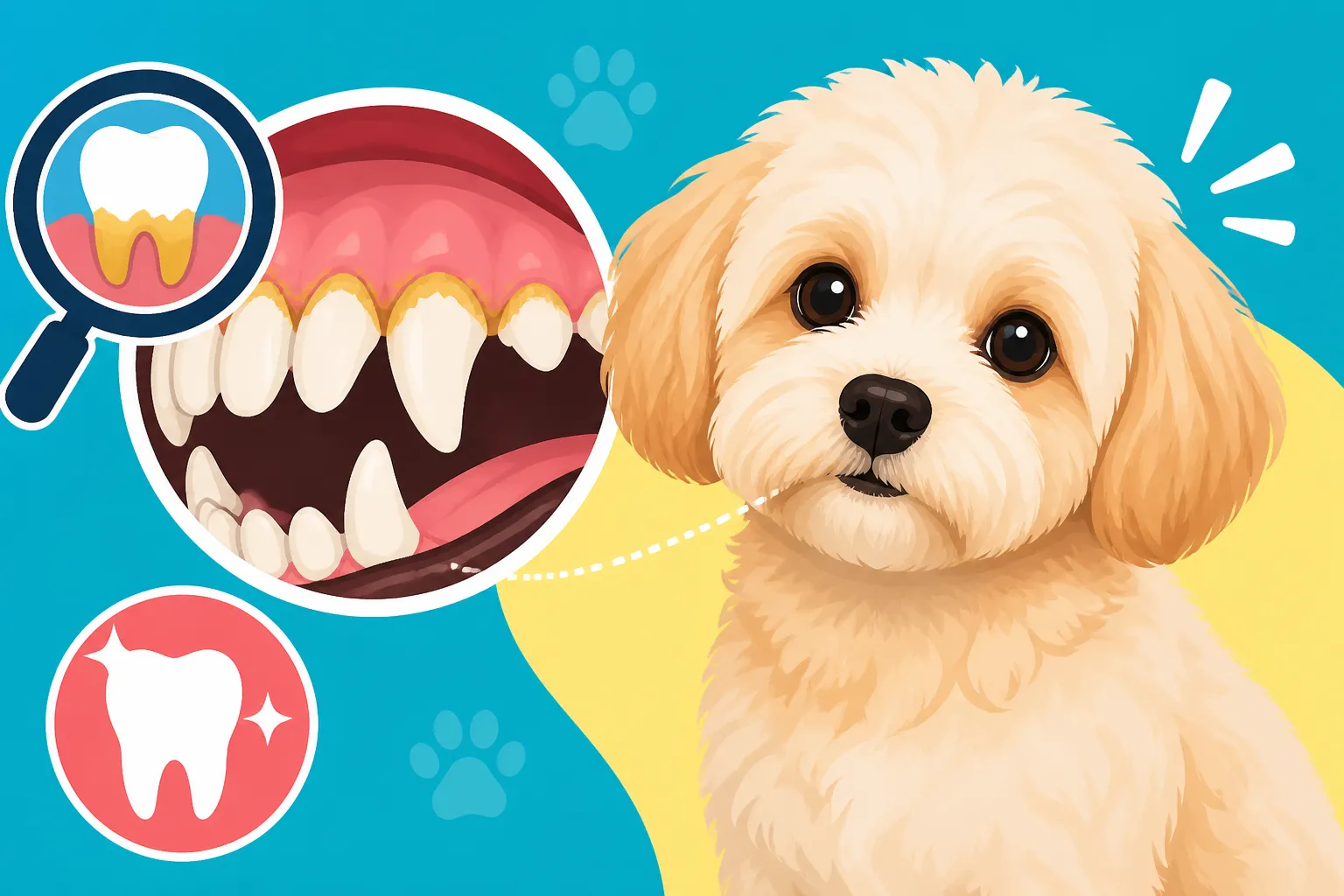
Spotting Tartar Before a Maltipoo Needs a Dental
It's incredibly frustrating, isn't it? You adore your Maltipoo, showering them with love and trying your best to keep them healthy, only to notice a suspicious yellow-brown film on their teeth. That feeling of dread, wondering if you've missed something crucial, or if a costly dental visit is imminent, is all too common. This guide is here to empower you, helping you understand why Maltipoos are prone to tartar, what to look for, and how to stay ahead of dental disease before it becomes a bigger, more painful problem for your beloved companion.
The Sneaky Onset of Tartar in Small Breeds
Maltipoos, like many small breeds, face an uphill battle when it comes to dental health. It's not just about what they eat or whether you brush their teeth; their very anatomy can conspire against them, making them prime candidates for plaque and tartar buildup from a surprisingly young age. Many owners are genuinely shocked when their one or two-year-old Maltipoo already has significant dental issues, assuming that only older dogs struggle with this. But for our pint-sized pals, the timeline for dental problems can be much shorter.
Tiny Mouth, Big Problems: Crowding and Food Traps
Imagine fitting a full set of adult teeth into a space designed for much smaller ones. That's often the reality for a Maltipoo. Their dainty jaws often lead to overcrowded teeth, where molars and incisors are packed in tightly, sometimes even overlapping. This crowding creates perfect little nooks and crannies where food particles and bacteria can hide, undisturbed by normal chewing. Unlike larger breeds with more spacious mouths, a Maltipoo's teeth can rub against each other or sit at awkward angles, making natural self-cleaning almost impossible.
This anatomical predisposition means that even with diligent care, food debris is more likely to cling to the uneven surfaces and tight gaps. Over time, this constant accumulation of microscopic food particles and oral bacteria forms plaque, a soft, sticky film. If not removed, this plaque will mineralize and harden, transforming into tartar – also known as calculus – which adheres firmly to the tooth surface and becomes impervious to brushing alone. It's a silent process that starts young, often before owners even realize there's a problem, setting the stage for more serious issues down the line. You might also want to read about The Forty Two Teeth Crowding a Maltipoo's Jaw to understand this better.
The Silent Buildup: From Plaque to Tartar
Plaque forms on your Maltipoo's teeth every single day, just like it does on yours. It's a natural consequence of eating, drinking, and the bacteria present in the mouth. The problem arises when this plaque isn't consistently removed. Within a mere 24-48 hours, that soft, white film can begin to harden, incorporating minerals from your dog's saliva. Once it transforms into tartar, it's a game-changer. Tartar provides an even rougher surface for more plaque to attach to, creating a vicious cycle of accumulation.
What makes this particularly sneaky for Maltipoo owners is that the early stages of plaque are almost invisible. You might only notice a faint dullness on the tooth surface or a slightly off smell that you might dismiss as typical "dog breath." By the time you see the distinct yellow or brown deposits, that's already tartar, and it's securely cemented to the tooth. At this point, no amount of brushing, dental chews, or magic water additives will completely remove it; professional intervention is typically needed. This silent, progressive buildup is why daily attention to your Maltipoo's oral health is so critically important.
Knowing What You're Looking For: Identifying Early Tartar
Spotting tartar on your Maltipoo's teeth can feel like a daunting task, especially when they're wiggling, trying to give you kisses instead of letting you peek at their molars. But with a little patience and understanding of what to look for, you can become a pro at early detection. Regular, gentle examination of your Maltipoo's mouth is key to catching issues before they escalate, potentially saving them discomfort and you significant vet bills.
The Gumline Clues: Discoloration and Redness
The gumline is often the first place to show signs of trouble. This delicate area where the tooth meets the gum is a prime target for plaque accumulation. When plaque turns into tartar here, it irritates the gums, leading to inflammation – a condition known as gingivitis. What you're looking for is any change from a healthy, pale pink color. Healthy gums should look smooth and snug around each tooth.
If you notice a distinct red line along the gumline, especially where it meets the tooth, that's a significant red flag for gingivitis, likely caused by plaque and tartar. The gums might also appear swollen, puffy, or even bleed slightly if you gently touch them or if your Maltipoo chews on a harder toy. Sometimes, the gums can recede, exposing a tiny bit more of the tooth root, which is another worrying sign. These visual cues are your earliest warning system that something isn't right and that tartar is likely present or rapidly forming.
Visual Inspection: Where Tartar Hides
When you're ready to inspect your Maltipoo's teeth, choose a time when they are relaxed and calm. Gently lift their lip, starting with the outer surfaces of the upper canine teeth – the big pointy ones – and the molars further back. These areas are often the easiest to see and where tartar commonly begins to form.
- Color: Look for any yellow, brown, or even greenish-brown discoloration. This isn't just surface staining; it's hardened tartar. It usually starts as a thin band right at the gumline and can spread to cover more of the tooth surface.
- Texture: Healthy teeth are smooth and white (or off-white). Tartar feels rough and gritty. Sometimes, you can even see distinct bumpy deposits, especially on the back molars that are harder to clean.
- Location: Pay special attention to the outside surfaces of the upper back molars, the canine teeth, and the incisors (the small front teeth). Don't forget to gently part their lips to look at the inner surfaces as well, though tartar tends to accumulate more on the outer surfaces.
- Crowding: Remember what we discussed about crowded teeth? Spend extra time trying to peer into those tight spaces where teeth overlap. Tartar loves to build up in these inaccessible areas, often forming bridges between adjacent teeth.
Using a small flashlight can really help illuminate the back of the mouth. If you spot these tell-tale signs, it's definite evidence of tartar buildup. It's important to differentiate tartar from normal tooth color; some dogs just have naturally off-white teeth. However, tartar will be a distinct, often layered, deposit. For a clear visual example, check out What Tartar Looks Like on a Maltipoo.
Beyond Sight: Other Signs Your Maltipoo Might Have Tartar
While a visual inspection is crucial, your Maltipoo might be trying to tell you something with other, less obvious signs. Sometimes, the discomfort caused by plaque and tartar, and the resulting gum inflammation, can manifest in behavioral changes or alterations in their eating habits. These subtle cues are just as important as the visual evidence and should prompt you to take a closer look at their mouth.
Bad Breath: More Than Just Puppy Kisses
Ah, "dog breath." We all know it, some of us even find it endearing in small doses. But if your Maltipoo's breath has gone from vaguely doggy to downright offensive – think rotting meat or a distinct sour smell – it’s a strong indicator of dental problems, most commonly advanced plaque and tartar buildup. The odor comes from the volatile sulfur compounds produced by bacteria thriving in the plaque and tartar in their mouth. These bacteria are responsible for breaking down food particles and tissue, releasing gases that smell, well, bad.
This isn't just an aesthetic issue; it's a medical red flag. Really foul breath often means a significant bacterial load in the mouth, which, left unchecked, can lead to gum disease, tooth decay, and even systemic health issues. Many owners brush off bad breath as normal for dogs, but a truly stinky breath should never be ignored. It's often one of the first and most undeniable signs that your Maltipoo is heading towards needing a professional dental cleaning. You might think about Whether a Maltipoo's Breath Means Dental Disease for more context.
Changes in Eating Habits and Behavior
A Maltipoo with significant dental pain or discomfort from tartar and gingivitis might start to behave differently, especially around food. They can't tell you their mouth hurts, but their actions often speak volumes. Keep an eye out for any of these changes:
- Picky Eating: They might suddenly become fussy about their food, sniffing it but backing away, or taking longer to finish meals. If they usually gobble up their kibble but are now hesitant, it could be painful to chew.
- Difficulty Chewing: You might notice them chewing only on one side of their mouth, dropping food, or letting out a little whimper when they try to crunch something hard. They might prefer soft food over kibble.
- Reluctance to Play: If your Maltipoo usually loves to chew on toys but now avoids them, or cries out when a toy touches a certain part of their mouth, it’s a strong sign of oral discomfort.
- Paw at Mouth/Rub Face: They might paw at their face, rub their mouth against furniture or the carpet, or even drool more than usual. This is an attempt to alleviate the irritation or pain they're experiencing.
- Irritability: Just like people, dogs in pain can become grumpy or withdrawn. If your normally cheerful Maltipoo is suddenly less interactive, more sensitive to being touched around the head, or growls when you approach their face, dental pain could be a contributing factor.
These behavioral shifts are your Maltipoo's way of signaling that something is wrong. While they can indicate other health problems, when combined with visual signs of tartar or bad breath, they point strongly towards a pressing need for dental attention.
Taking Action: What to Do When You Spot Tartar
So, you've looked, you've smelled, you've observed, and now you're pretty sure your Maltipoo has tartar. Don't panic! The good news is that recognizing the problem is the first and most crucial step. While you can't magically erase existing tartar with a toothbrush, there's a lot you can do, both at home and with professional help, to manage the situation and prevent it from getting worse.
Home Care: Brushing and Preventative Measures
Once plaque has hardened into tartar, home brushing alone won't remove it. However, home care remains absolutely essential for preventing new plaque from forming and for maintaining overall oral hygiene after a professional cleaning. If you've spotted tartar, intensify your home routine immediately.
- Daily Brushing: This is your number one weapon. Even if it feels like a battle, try to brush your Maltipoo's teeth daily, focusing on the gumline and outer surfaces. Use a soft-bristled toothbrush designed for dogs and pet-safe toothpaste (never human toothpaste!). Brands like Virbac C.E.T. often have appealing flavors that make it a bit easier. Consistent daily brushing helps remove plaque before it can mineralize into new tartar. You can find a variety of brushes and pastes on sites like Chewy or Amazon. To learn more about this, check out How Often a Maltipoo's Teeth Should Be Brushed and The Brush and Paste That Fit a Maltipoo's Mouth.
- Dental Chews and Water Additives: While they won't remove existing tartar, certain VOHC (Veterinary Oral Health Council) approved dental chews can help reduce plaque and slow down new tartar formation. Look for products specifically recommended by your vet. Water additives are another tool in the arsenal, often containing enzymes that break down plaque-forming bacteria. Use these in conjunction with brushing, not as a replacement.
- Oral Gels/Wipes: For Maltipoos who absolutely refuse brushing, oral gels or wipes can offer a small degree of benefit by reducing bacteria and plaque. While not as effective as brushing, they're better than doing nothing. Apply them directly to the gums and teeth.
Remember, the goal of home care after tartar has been spotted is damage control and prevention of further buildup. It's a supportive role until professional help can take over.
When to Call the Vet: Professional Cleaning and Assessment
If you've identified tartar, especially if it's visible, discolored, and accompanied by red gums or bad breath, it's definitely time to schedule a vet visit. A professional dental cleaning under anesthesia is the only effective way to remove tartar from your Maltipoo's teeth.
- Veterinary Examination: Your vet will perform a thorough oral examination. They'll assess the extent of the tartar, check for gingivitis, look for any loose or fractured teeth, and identify signs of periodontal disease, which is more advanced gum disease.
- Pre-Anesthetic Bloodwork: Because dental cleanings require anesthesia, your vet will likely recommend pre-anesthetic blood tests. This ensures your Maltipoo is healthy enough to undergo the procedure, especially important for small breeds like Maltipoos where anesthetic risks can be a concern. This bloodwork is crucial for assessing organ function. For insights into costs, refer to What Pre Anesthetic Bloodwork Adds for a Maltipoo.
- The Dental Procedure: Under anesthesia, your vet will use specialized ultrasonic scalers to meticulously remove tartar from above and below the gumline – something impossible to do at home on a conscious dog. They will then polish the teeth to smooth out any microscopic etches, making it harder for plaque to adhere in the future. X-rays are often taken to assess the health of the tooth roots and jawbone, as much of the disease can be hidden below the gumline. Any diseased or damaged teeth may need to be extracted.
- Follow-Up Care: After the cleaning, your vet will provide specific instructions for post-procedure care and emphasize the importance of starting a rigorous daily home care routine immediately to prevent new tartar buildup. This is your fresh start! This comprehensive approach is vital, as Whether Dental Disease Shortens a Maltipoo's Life clearly shows.
Preventing Tartar Buildup: A Lifelong Commitment
The best way to deal with tartar is to prevent it in the first place, or at least slow its progression significantly. For a Maltipoo, dental care isn't a "sometimes" thing; it needs to be a regular, consistent part of their daily life, starting from puppyhood. Think of it as investing in their long-term health and happiness.
Daily Brushing Regimen: Making It a Habit
We can't stress this enough: daily tooth brushing is the gold standard for preventing tartar buildup. It physically removes the plaque before it has a chance to harden. If you're wondering Why a Maltipoo's Mouth Needs Daily Work, this is it – their tiny, often crowded teeth are a perfect breeding ground for dental woes.
- Start Early: The younger you introduce brushing, the easier it will be. Even when your Maltipoo is a puppy, get them used to having their mouth touched, their lips lifted, and a soft brush (or even just your finger with some dog toothpaste) gently rubbed along their gums.
- Positive Reinforcement: Make brushing a positive experience. Use lots of praise, gentle voices, and small, tasty treats immediately afterward. Never force it; if your Maltipoo is resisting strongly, back off and try again later or with a different approach. Short, frequent sessions are better than long, stressful ones.
- Consistency is Key: A quick 30-second brush every day is far more effective than an intense five-minute session once a week. Plaque forms daily, so it needs to be removed daily. Focus on the outer surfaces of the teeth, especially the canines and molars, where tartar tends to accumulate most.
- Proper Tools: Invest in a dog-specific toothbrush that fits your Maltipoo's small mouth and a high-quality enzymatic dog toothpaste. You can find great options from brands like Virbac or Petrodex on pet supply sites like Chewy or Amazon.
Making daily brushing a non-negotiable part of your Maltipoo's routine will dramatically reduce the likelihood of severe tartar buildup and subsequent dental disease.
Diet and Chews: Supporting Dental Health
While brushing is paramount, diet and appropriate dental chews can play a supportive role in your Maltipoo's oral health strategy. They are not substitutes for brushing or professional cleanings, but they can contribute to a healthier mouth.
- Quality Diet: Feeding a high-quality, balanced diet is important for overall health, including oral health. Some premium food brands, like Ollie, offer fresh, human-grade ingredients which can be excellent for general nutrition, but remember that even the best food doesn't eliminate the need for mechanical cleaning. Some veterinarians might recommend specific "dental diets" which are formulated with a unique kibble shape and texture designed to scrub teeth as the dog chews.
- VOHC-Approved Dental Chews: As mentioned earlier, not all dental chews are created equal. Look for products that have the Veterinary Oral Health Council (VOHC) seal of acceptance. This means they've met standards for reducing plaque and/or tartar. Chews like Greenies or certain dental treats are examples. They work by providing an abrasive action on the tooth surface as your Maltipoo chews, helping to rub away plaque. Always choose the appropriate size for your Maltipoo and supervise them, especially with harder chews, to prevent choking or tooth fractures.
- Avoid Harmful Chews: Be wary of very hard chews like antlers, bones, or nylon toys, as these can easily fracture your Maltipoo's small teeth, leading to pain and costly extractions. Stick to softer, more pliable options that still provide some scrubbing action.
- Hydration: Ensuring your Maltipoo has access to fresh water throughout the day can also help rinse away some loose food particles, though it's a minor contribution compared to other measures.
Combining a vigilant daily brushing routine with veterinarian-approved dental chews and a high-quality diet provides the most comprehensive home-based defense against tartar buildup for your precious Maltipoo. It's truly a lifelong commitment that pays dividends in their comfort and overall health.
| Sign / Condition | Healthy Mouth | Early Plaque / Gingivitis | Moderate Tartar / Periodontal Disease | Advanced Periodontal Disease |
|---|---|---|---|---|
| Gums | Pale pink, smooth, firm, snug against teeth | Redness along gumline, mild swelling, easily bleeds | More pronounced redness, swelling, some recession | Severe inflammation, bleeding, pus, significant recession |
| Teeth | Clean, smooth, off-white to white | Dull film (plaque), faint yellowing at gumline | Visible yellow/brown hard deposits (tartar) on surface | Heavy tartar, loose teeth, missing teeth, cavities |
| Breath | Mild "doggy" smell, not offensive | Slightly stronger "doggy" smell | Noticeably foul odor, bad breath | Extremely foul, putrid breath, constant odor |
| Eating Habits | Enthusiastic, normal chewing | May show slight hesitation with hard foods | Reluctance to chew hard foods, dropping food, chewing on one side | Severe difficulty eating, only soft food, obvious pain |
| Behavioral Changes | Happy, playful, tolerant of mouth handling | May be a bit sensitive around mouth | Pawing at mouth, rubbing face, irritability | Lethargy, aggression when touched, depression |
Disclaimer
This article is for general informational purposes only and does not constitute professional advice. Laws, prices and regulations vary by location and change over time. Consult a qualified professional for guidance on your specific situation.