Whether Two White Maltipoos Throw a Colored Puppy
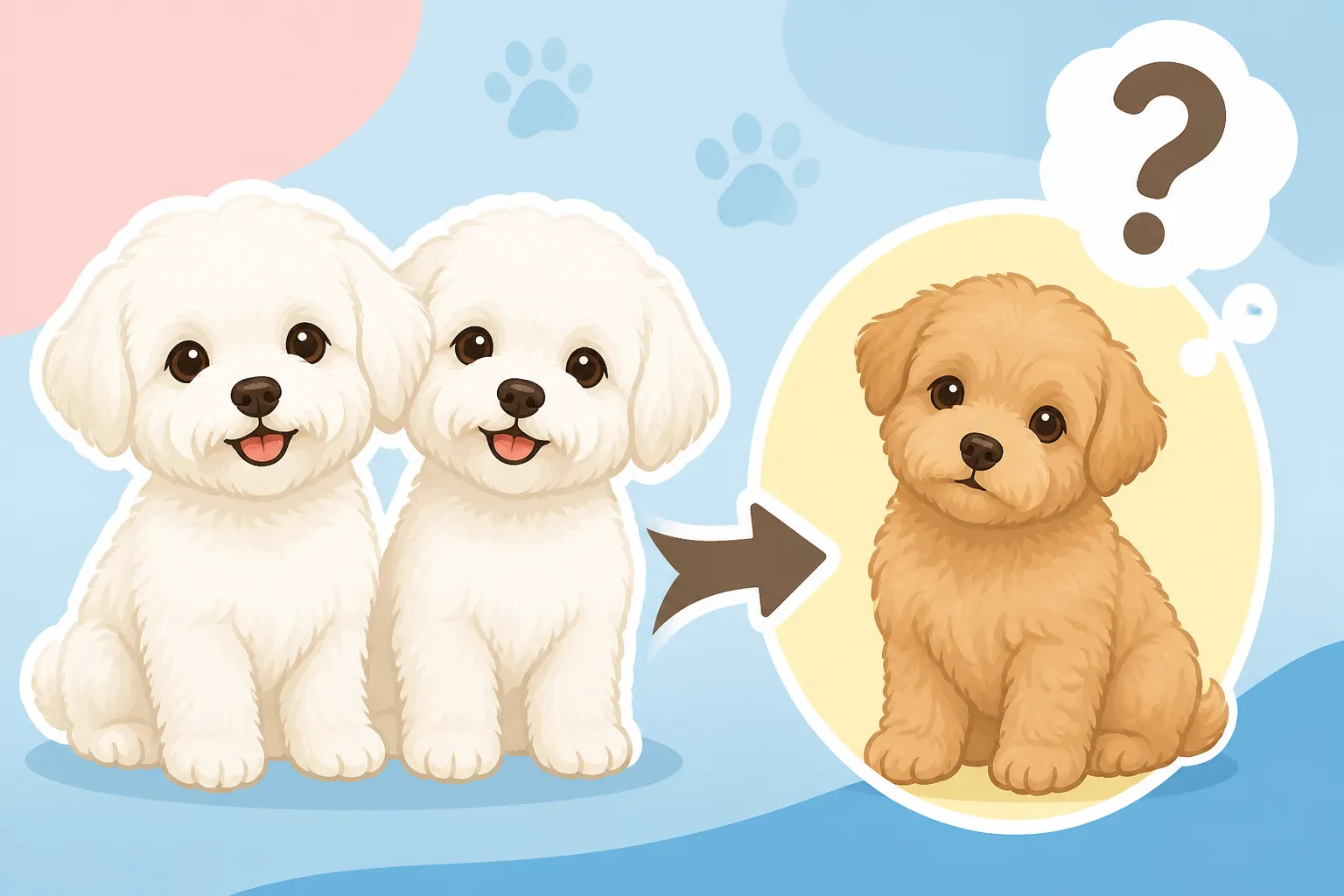
It’s a common misconception among aspiring Maltipoo owners: if both parent dogs are pure white, surely their puppies will also be pristine white? You might envision a whole litter of little cloud-like pups, only to be surprised by a rainbow of colors. The truth is, the world of Maltipoo genetics, especially when it comes to coat color, is far more complex and fascinating than a simple white-on-white equation, and understanding it can save you from unexpected surprises. This guide will delve into the genetic lottery that dictates a Maltipoo's coat, explaining why those lovely white parents can indeed produce a colorful litter.
The Genetic Dance: Understanding Coat Color Inheritance in Maltipoos
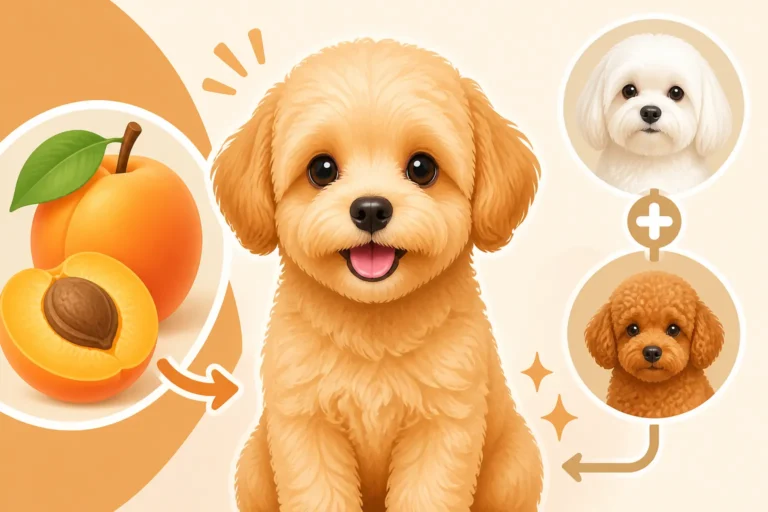
When you're looking at a Maltipoo, you're essentially looking at a genetic blend of two distinct breeds: the Maltese and the Poodle. While the Maltese is renowned for its pure white coat, the Poodle comes in an incredible array of colors. This genetic diversity from the Poodle parent is where all the wonderful variations in Maltipoo coats truly begin, making the idea of "white parents equals white puppies" a bit too simplistic. Think of it less like mixing two paints and more like shuffling a very complex deck of cards.
Dominant and Recessive Genes at Play
Every dog carries two copies of a gene for each trait, inheriting one from each parent. When it comes to coat color, some genes are dominant, meaning if even one copy is present, that trait will be expressed. Others are recessive, only showing up if two copies of that specific gene are inherited (one from each parent). This is where the magic, or perhaps the mystery, of unexpected Maltipoo colors lies.
Let's imagine you have two white Maltipoo parents. On the surface, they appear white, but their genetic makeup might be telling a different story. If one of the white Maltipoo parents has a Poodle in its ancestry (which, of course, they all do!), that Poodle might have carried recessive genes for colors like apricot, black, or even cream. These recessive genes can hide for generations, only to surface when two dogs carrying the same recessive gene happen to breed. So, two seemingly white Maltipoos could each carry a recessive gene for, say, apricot. If a puppy inherits that recessive apricot gene from both parents, suddenly, you have a beautiful apricot Maltipoo in a litter of otherwise white pups. It's a fascinating look into how DNA works, and why what you see on the surface isn't always what you get in the genetic blueprint. It also explains why you often find yourself saying, "Where did that color come from?" when looking at a varied litter.
The Poodle's Extensive Color Palette
The Poodle parent is the primary source of the diverse color genetics in Maltipoos. Poodles come in a vast range of colors and patterns, far beyond just white. You'll find black, white, cream, apricot, red, silver, brown, blue, phantom, parti, and even sable Poodles. Each of these colors is determined by a specific set of genes. Even a white Poodle parent can carry hidden genes for other colors. For example, a white Poodle might be genetically "white" because it has a dominant masking gene, but beneath that mask, it could still carry genes for black or brown.
This means that if a Maltipoo has a white Poodle parent (or a white Maltipoo parent whose Poodle ancestry carried these diverse genes), that white parent could still pass on genes for a multitude of colors. It’s like a genetic surprise package! This is why asking breeders about the full color history of the Poodle lineage is crucial if you have strong preferences for a specific coat color. Many breeders will try to line breed for specific colors, but the Poodle’s genetic depth means surprises can still pop up. It’s definitely a factor in Why a Maltipoo Comes in Colors a Maltese Never Does.
Tracing the Ancestry: How Maltese and Poodle Genes Blend
The Maltipoo is a hybrid, a "designer dog" specifically bred from the Maltese and the Poodle. This means their genetic makeup is a delightful, sometimes unpredictable, blend of these two distinct breeds. While the Maltese contributes primarily its non-shedding, pure white coat trait, the Poodle brings a much broader spectrum of genetic possibilities to the table. This blend is what makes each Maltipoo unique, both in temperament and appearance.
The Maltese Contribution: Always White, But Not Always Simple
The Maltese breed standard dictates a pure white coat. They are bred for centuries to carry the genes that produce this brilliant white. However, when a Maltese is bred with a Poodle, those Poodle genes can introduce a whole new dynamic. Think of it this way: the Maltese typically contributes a very strong "white" signal, but the Poodle can introduce other signals that are just as strong, or recessive ones that can be activated.
While the Maltese parent is genetically predisposed to produce white, its genes might also interact with the Poodle's color genes in interesting ways. For example, a Maltipoo might inherit the Maltese's fine, silky hair texture, but the Poodle's color. Or, you might get a Maltipoo that is mostly white but with subtle cream or apricot shadings that become more pronounced as they grow, highlighting the complex interplay of their combined ancestry. It's a beautiful example of how The Maltese and the Poodle Behind Every Maltipoo create such diverse outcomes.
The Poodle's Dominant Role in Color Diversity
While both parents contribute, the Poodle side of the family largely dictates the potential for varied coat colors in a Maltipoo litter. Poodles are known for their genetic richness, not just in color but also in coat texture (curly, wavy, or even straight, as seen in The Curly Maltipoo Coat, The Wavy Maltipoo Coat, and The Straight Coated Maltipoo). It's this genetic depth that allows for a white Maltipoo to carry genes for colors like apricot, black, or silver, which might not be visible in their own coat but can be passed down to their offspring.
The presence of a hidden recessive gene from a Poodle ancestor in both seemingly white Maltipoo parents is the most common reason for a colored puppy to appear. These recessive genes can lie dormant for generations, only to express themselves when the right genetic combination occurs. So, a white Maltipoo whose Poodle lineage included reds or apricots might very well pass on those hidden genes. It's truly a genetic lottery, and it's why Whether a Maltipoo's Color Changes as It Grows is a topic many new owners ponder, as some colors might appear or deepen over time.
| Parent Coat Color (Phenotype) | Possible Genotypes (Simplified) | Potential Offspring Colors (Example) | Likelihood of Colored Offspring |
|---|---|---|---|
| White Maltipoo 1 (Carries Fawn) | White (Ff) | White, Fawn | Moderate |
| White Maltipoo 2 (Carries Fawn) | White (Ff) | White, Fawn | Moderate |
| White Maltipoo 1 (Pure White) | White (FF) | White | Low (if other parent is pure white) |
| White Maltipoo 2 (Pure White) | White (FF) | White | Low (if other parent is pure white) |
| White Maltipoo 1 (Carries Red) | White (Rr) | White, Red | Moderate |
| White Maltipoo 2 (Carries Red) | White (Rr) | White, Red | Moderate |
This table is a simplified illustration. Real canine genetics are far more complex, involving multiple genes influencing color, dilution, and pattern.
What to Ask a Breeder: Navigating Color Expectations
Understanding that two white Maltipoos can produce a colored puppy is the first step in managing your expectations. The next step is knowing how to communicate with breeders and what questions to ask to get a clearer picture of your potential puppy's genetic background. A reputable breeder will be transparent about the lineage and the genetic possibilities.
Inquiring About Parental Lineage and Past Litters
When you speak with a breeder, don't just ask about the immediate parents' colors. Dig deeper into their lineage. Ask about the colors of the grandparents and even great-grandparents, especially on the Poodle side. A good breeder will often keep detailed records and be able to tell you if certain recessive colors have shown up in past litters from the parent dogs or their ancestors. They might even have photos of previous litters that can give you an idea of the genetic potential.
It’s also wise to ask if the breeder performs any genetic testing beyond health clearances. While specific genetic tests for all possible coat colors aren't always standard for Maltipoos, some breeders who focus on color might have done more extensive testing on their breeding stock. This shows a commitment to understanding their dogs' genetics, and it’s a good sign of a responsible breeder, much like asking for bile acid results for health. Remember, a breeder cannot guarantee a specific adult weight or temperament, let alone a color that may change, as Whether a Maltipoo Breeder Can Predict a Maltipoo's Character also highlights.
Managing Expectations: Color Can Change
Even if your Maltipoo puppy is born white, or a specific color, that color might not be permanent. It's incredibly common for Maltipoo coats to change color as they mature. An apricot puppy might lighten to a cream, a black puppy might "silver out" to a smoky grey, or a deep red might fade to a lighter apricot. This color fading or lightening is often attributed to the Poodle genes at play, as many Poodle colors are known to "clear" over time.
So, while you might fall in love with a tiny, pure white Maltipoo puppy, understand that by the time they reach a year or two, their coat could have subtle cream undertones, or even unexpected patches of color, especially around the ears or muzzle. This is just part of the joy and unpredictability of owning a Maltipoo! Don't be surprised if How Many Months a Maltipoo's Coat Change Runs is a frequently asked question among new owners. It's a journey, not a static picture.
Living with a Multi-Colored Maltipoo: Embrace the Unique
Regardless of the color of your Maltipoo, the most important thing is their health, temperament, and the loving bond you share. Whether your pup is pure white, apricot, cream, black, or even a parti-color, their unique coat is just one of the many wonderful things that make them special.
Grooming and Care Considerations for All Colors
While coat color doesn't directly impact the type of grooming needed, it can certainly influence how visible dirt or staining is. White and very light-colored Maltipoos, for instance, are more prone to showing tear stains, beard stains, and general dirt from playing outdoors. This means you might find yourself doing a bit more spot cleaning or using specific products to keep their pristine appearance. You might find a good selection of specialized shampoos or stain removers at retailers like Chewy.
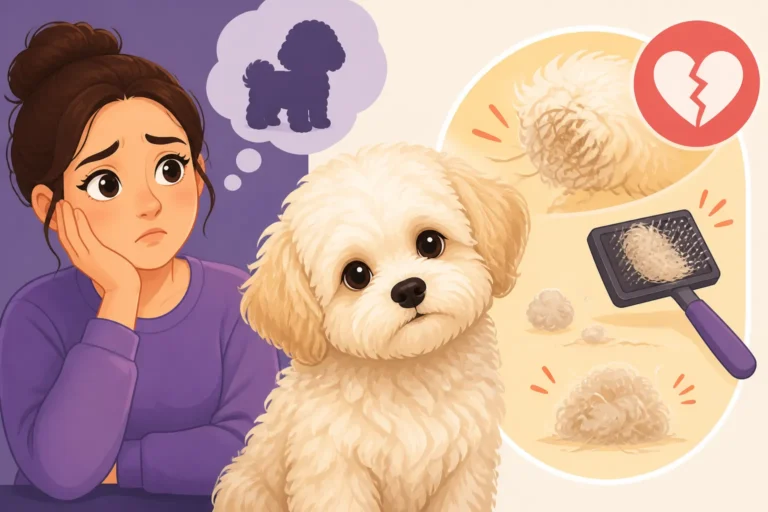
No matter the color, all Maltipoos require consistent grooming due to their non-shedding coats. This means daily brushing to prevent mats and tangles, regular professional grooming every 6-8 weeks, and diligent care of their face and ears. Consider looking for brushes and combs on Chewy that are specifically designed for their delicate, curly or wavy coats. It’s a lot of work, but it keeps them looking their best. Learn more about their specific grooming needs in The Two Week Face Trim a Maltipoo Needs.
Celebrating Individuality
Ultimately, the color of your Maltipoo is a beautiful expression of their unique genetic heritage. Instead of being disappointed by an unexpected hue, embrace it! Each colored patch, each subtle shade, tells a story of the Poodle and Maltese ancestors that came together to create your beloved companion. It’s a reminder that beauty comes in many forms, and the most precious qualities of your Maltipoo – their playful spirit, affectionate nature, and unwavering loyalty – have nothing to do with their outward appearance.
So, whether you bring home a white Maltipoo who remains a snowy fluffball, or one who develops charming apricot highlights, know that you have a truly special dog. The journey of discovering their full appearance as they grow is just another layer of the wonderful experience of Maltipoo ownership. And remember, a Maltipoo, regardless of color, will always capture your heart with their personality, which, after all, is What a Maltipoo Has That a Toy Poodle Does Not.
Disclaimer
This article is for general informational purposes only and does not constitute professional advice. Laws, prices and regulations vary by location and change over time. Consult a qualified professional for guidance on your specific situation.