The Two Week Face Trim a Maltipoo Needs
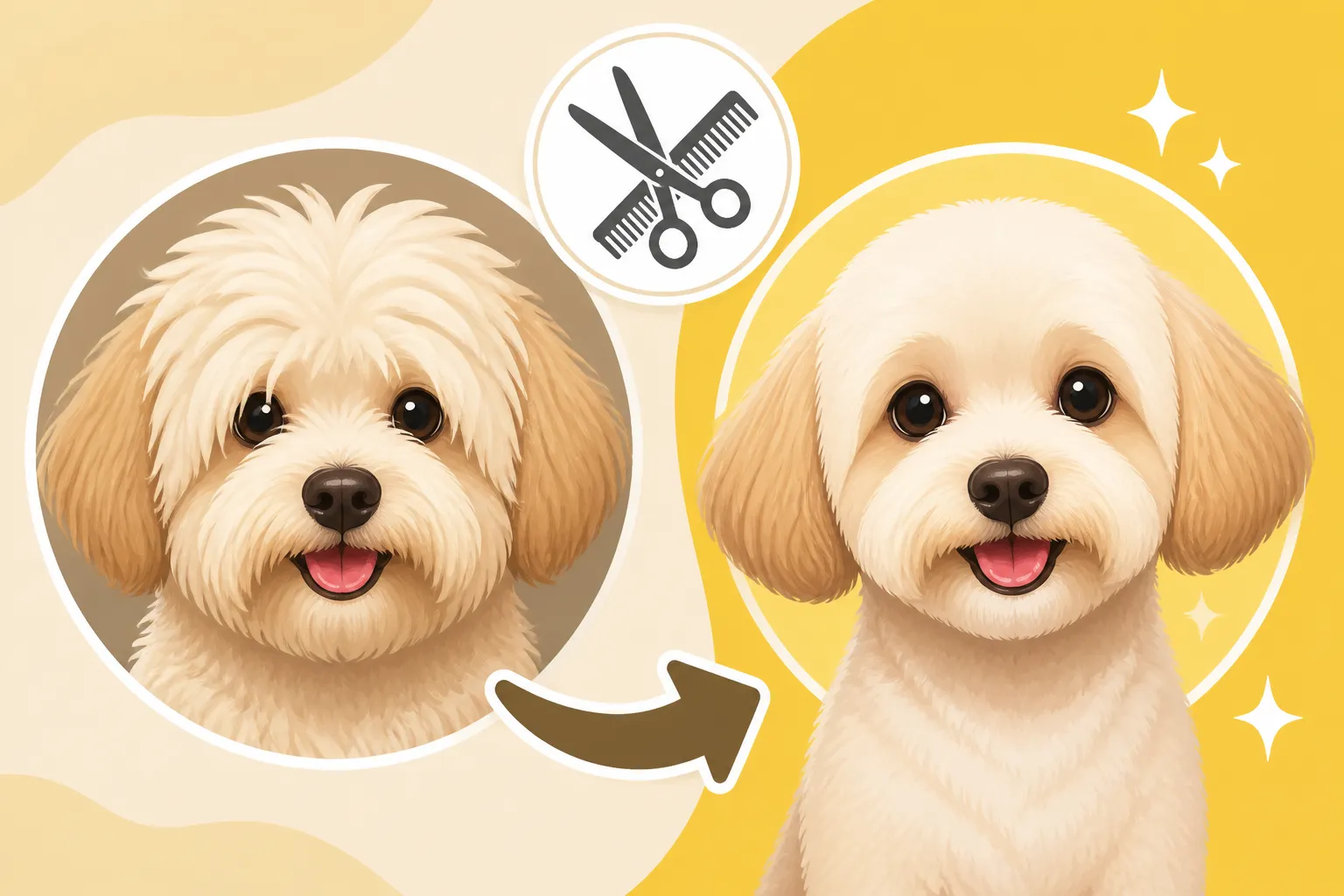
If you've ever owned a Maltipoo, you know their adorable, fluffy faces are one of their most charming features. But that precious fluff grows incredibly fast, and before you know it, hair is hanging in their eyes, getting caked with food, and leading to unsightly tear stains. This guide is all about mastering the two-week face trim, a crucial part of keeping your Maltipoo comfortable, clean, and looking their best, preventing common frustrations and ensuring their well-being.
Why a Maltipoo's Face Needs Constant Attention
The Maltipoo's irresistible face, with its expressive eyes and delicate features, demands a bit more grooming diligence than many other breeds. It's not just about aesthetics; it's profoundly linked to their health and comfort. Neglecting this small but vital area can lead to a host of problems that are easily preventable with a consistent routine. Owners often feel overwhelmed by how quickly the hair grows, leading to a never-ending battle with tangles and crust.
The Rapid Growth of Facial Hair
One of the defining traits of a Maltipoo, inherited from both the Maltese and the Poodle, is their continuously growing hair coat. Unlike shedding breeds that lose dead hair, a Maltipoo's hair just keeps getting longer and longer, never taking a break. On their body, this might simply mean they start looking shaggy, but on their face, it's a completely different story. The hair around their eyes, muzzle, and chin seems to sprout at an incredible rate, quickly becoming an issue if not managed.
This rapid growth means that what was a perfectly neat puppy face after a groom can become an unruly mop within a matter of days. Many owners are surprised by how quickly the hair starts to obstruct vision or get tangled. It’s not uncommon to see a Maltipoo go from a fresh trim to needing another touch-up within two short weeks, hence the name of this essential routine. It's a testament to the genetics at play, demanding a proactive approach to grooming.
Ignoring this swift growth can lead to a cascade of problems. Long strands can fall directly into your Maltipoo's eyes, causing constant irritation, redness, and excessive tearing. Imagine having hair continually poking at your eyelids – it would be incredibly uncomfortable. For a Maltipoo, this isn't just an occasional nuisance; it can be a daily torment without regular intervention.
Tear Staining and Its Impact
Tear staining is a common and often frustrating issue for many light-colored Maltipoos. Those reddish-brown streaks under their eyes aren't just cosmetic; they're often a symptom of underlying irritation or a breeding ground for bacteria. When facial hair gets long, it acts like a wick, drawing moisture from the eyes and creating a perpetually damp environment on the delicate skin below.
This dampness, combined with natural yeast and bacteria, is the perfect recipe for those stubborn stains. The constant moisture can also lead to skin irritation, making the area itchy and uncomfortable for your dog. Owners often lament that no matter how much they wipe, the stains persist, creating a visual distraction from their dog's otherwise bright expression. It can feel like a losing battle, especially if the underlying issue of long hair isn't addressed. For more on this, you might find our article Tear Staining on a Light Coated Maltipoo helpful.
The physical presence of the stains can also be more than just an aesthetic concern. Thick, crusted tear stains can trap more moisture, leading to a cycle of irritation and bacterial growth. In severe cases, the skin underneath these matted, stained areas can become raw or infected, requiring veterinary attention. A regular face trim is one of the most effective ways to break this cycle, removing the wicking hair and allowing the skin to stay dry and healthy.
Food and Moisture Traps
Beyond the eyes, a Maltipoo's muzzle hair is another critical area that requires frequent trimming. Their relatively long facial hair, especially around the mouth, can become a magnet for food, water, and anything else they might sniff or lick during their daily adventures. After every meal, you might find bits of kibble, wet food, or even tiny crumbs clinging to their beard, creating a messy and unhygienic situation.
This accumulation of food residue isn't just untidy; it can also lead to health problems. Trapped food particles can ferment or attract bacteria, causing skin irritation, unpleasant odors, and even infections around the mouth. Imagine your Maltipoo coming up for a cuddle with a crunchy, sticky beard – not the most pleasant experience for either of you. It's a common complaint among Maltipoo owners that their dog's face constantly seems dirty, no matter how carefully they eat.
Furthermore, when your Maltipoo drinks water, their long muzzle hair acts like a sponge, soaking up excess moisture. This perpetually wet beard can then drip water all over your floors, furniture, and even on themselves, contributing to overall dampness and potential skin issues under the chin. A precise face trim keeps this hair short and manageable, drastically reducing the amount of food and water it can trap.
Understanding the Maltipoo's Unique Facial Hair
To truly understand why a two-week face trim is so necessary, it helps to appreciate the unique blend of hair types your Maltipoo inherits. They aren't a single-coated breed like a Labrador; their fur is a fascinating combination of their Maltese and Poodle parents, each contributing distinct characteristics that make their facial hair both beautiful and high-maintenance.
The Poodle Influence on Curl and Texture
From their Poodle parent, Maltipoos often inherit a wonderful curl and a dense, woolly texture. This type of hair is famous for being non-shedding, which is a huge plus for allergy sufferers, but it comes with its own set of grooming challenges. Poodle-like hair tends to be quite springy and can grow in all directions, especially around the face. This curl gives the Maltipoo that adorable, soft, teddy-bear look that everyone loves.
However, this curl also means that the hair around their eyes and muzzle can easily curl inwards, poking directly at sensitive areas. The density means that even a small amount of growth can quickly create a thick barrier. This is why you might notice your Maltipoo constantly pawing at their face or rubbing it against furniture – the Poodle curl, while charming, can become a real irritant if not kept short.
The Poodle's coat is also known for its ability to mat quickly if not brushed regularly, and this applies doubly to the finer hair on the face. These curls can intertwine and felt together, especially when exposed to moisture and friction from eating or playing. Understanding this Poodle influence is key to knowing why frequent, short trims are more effective than trying to manage long, curly facial hair with just a comb.
The Maltese Influence on Length and Fineness
The Maltese side of your Maltipoo brings a different set of hair characteristics to the mix: a long, silky, single coat that is famously fine and prone to tangles. While a purebred Maltese's facial hair is often kept long and tied back into a topknot, this requires incredible dedication and daily grooming to prevent matting and staining. In a Maltipoo, this fineness often combines with the Poodle's curl, creating a truly unique and challenging texture.
The Maltese genes contribute to the overall length potential of your Maltipoo's facial hair. It might not be as coarse as some Poodle coats, but it can grow incredibly long and thin, easily getting into the eyes and mouth. This fine texture also makes it very susceptible to absorbing moisture and retaining stains, as there's less natural oil to repel liquids.
This delicate, flowing quality from the Maltese means the hair around the eyes can become matted with eye discharge very quickly, forming hard, crusty clumps that pull at the skin. It's a painful experience for your Maltipoo and a difficult task for you to clean. The combination of fineness and continuous growth means you're constantly battling against nature to keep their face pristine and comfortable.
The Blend: A Recipe for Mats
When you combine the Poodle's dense, curly, continuously growing hair with the Maltese's fine, silky, long-growing locks, you get a coat that is a perfect storm for matting, especially on the face. This blend is what gives the Maltipoo their signature soft, fluffy, and often wavy appearance, but it also makes their facial hair particularly challenging to maintain without regular trimming.
The curls from the Poodle act like Velcro, catching and holding onto the fine Maltese hair. Add to this mix eye discharge, food particles, saliva, and water, and you have a recipe for mats that can form incredibly quickly. These mats aren't just unsightly; they can pull at the delicate skin around your Maltipoo's face, causing pain, irritation, and even skin infections underneath. It's a common lament that owners find small, hard knots forming seemingly overnight.
This unique combination necessitates a vigilant grooming schedule. Relying solely on brushing can be a losing battle, as the fine hair and tight curls on the face intertwine so readily. The most effective way to prevent these painful facial mats and keep your Maltipoo happy and healthy is through a regular, precise trimming routine that addresses these specific genetic hair traits.
The Health and Comfort Benefits of Regular Trimming
Beyond keeping your Maltipoo looking neat and tidy, regular face trims are a cornerstone of their health and comfort. Many of the issues that arise from overgrown facial hair aren't just minor inconveniences; they can lead to chronic problems that diminish your dog's quality of life. Understanding these benefits can motivate even the most reluctant groomer to pick up those shears.
Preventing Eye Irritation and Infections
One of the most immediate and significant benefits of a two-week face trim is the prevention of eye irritation. When hair grows too long around the eyes, it inevitably falls into them, acting like tiny needles constantly poking the delicate surface of the cornea. This constant mechanical irritation can lead to redness, excessive tearing, and chronic discomfort for your Maltipoo.
But it goes beyond just irritation. The presence of hair in the eyes can also introduce bacteria, increasing the risk of painful eye infections like conjunctivitis. The hair can trap dust, debris, and allergens, exacerbating any existing sensitivities. Owners often report their Maltipoo squinting, rubbing their eyes, or producing excessive discharge, all signs that the hair is causing trouble. Regular trimming keeps the area clear, allowing the eyes to remain healthy and free from foreign bodies. For more tips on keeping those eyes clear, check out How Often a Maltipoo Needs Its Eyes Cleared.
Think about how much you rely on your own vision and how distracting even a single eyelash in your eye can be. For your Maltipoo, whose world is so intensely focused on sight and scent, having constantly irritated eyes can be a significant impediment to their happiness and ability to interact with their environment. A simple trim can make all the difference in ensuring their visual comfort.
Ensuring Clear Vision
It might seem obvious, but long hair literally blocks your Maltipoo's ability to see clearly. As the hair around their eyes grows longer, it forms a curtain, obscuring their field of vision. This isn't just a minor annoyance; it can impact their confidence and safety, especially in new environments or when navigating busy spaces.
A Maltipoo relies heavily on their sight to perceive threats, recognize family members, and interpret body language from other dogs. When their vision is compromised, they might become more anxious, startle easily, or even have trouble navigating around obstacles. This can lead to bumps, falls, and a general sense of insecurity. Owners often notice their dog bumping into things or seeming less responsive when their vision is obstructed.
By keeping the hair trimmed short and neatly out of their eyes, you are literally opening up their world. They can see where they are going, make eye contact, and perceive their surroundings with clarity. This contributes greatly to their overall mental well-being and their ability to engage confidently with their daily life. It's a small act with a profound impact on their cognitive and physical health.
Promoting Overall Hygiene and Comfort
A consistently trimmed face is a cleaner, more hygienic, and ultimately more comfortable face for your Maltipoo. Beyond the eyes and mouth, the hair on their forehead and cheeks can also become dirty and matted. When the facial hair is kept short, there are simply fewer surfaces for dirt, pollen, and debris to cling to, making your dog generally cleaner.
A clean face also means a more comfortable Maltipoo. Less irritation from hair in the eyes, less pulling from mats around the muzzle, and less dampness from food and water translate into a happier, less stressed companion. They won't need to constantly rub their face, or endure painful brushing sessions to remove caked-on messes. This can lead to a more relaxed and cooperative dog during handling.
Furthermore, a well-maintained face contributes to better overall skin health. By reducing persistent dampness and trapped debris, you minimize the risk of skin infections, yeast overgrowth, and unpleasant odors. It makes it easier for you to spot any changes in their skin, like redness or bumps, early on. This proactive approach to hygiene through regular trimming is an essential part of responsible Maltipoo care and ensures a happy, healthy dog.
Gathering Your Maltipoo Face Trimming Arsenal
Before you even think about picking up shears and going near your Maltipoo's face, it's absolutely crucial to have the right tools. Trying to make do with unsuitable equipment is not only ineffective but can also be dangerous for your dog. Investing in quality, dog-specific grooming tools will make the process smoother, safer, and more successful for both of you.
The Right Shears for Delicate Work
When it comes to trimming your Maltipoo's face, the most important tool you'll need is a pair of high-quality grooming shears designed for small, delicate areas. Do not use human scissors, kitchen shears, or craft scissors; these are not sharp enough, are often too large, and can easily snag hair or slip, causing injury. You want shears with rounded safety tips to prevent accidental pokes, especially around the eyes.
Look for stainless steel grooming shears that are sharp and have a comfortable grip. Curved shears can be particularly useful for sculpting around the eyes and muzzle, creating a softer, more natural look. Straight shears are good for tidying up the chin and the bridge of the nose. Many groomers recommend a 4.5 to 5.5-inch shear size for Maltipoos, as they offer precision without being overly cumbersome. You can find a wide variety of these specialized shears on sites like Chewy or Amazon.
Having sharp shears is paramount. Dull shears will pull at your Maltipoo's hair, causing discomfort and making them resistant to future grooming. Always ensure your shears are clean and free of rust. If you're unsure which type to start with, many pet stores offer starter grooming kits that include appropriately sized safety-tip shears. This investment is well worth it for the safety and comfort of your beloved companion.
Combs and Brushes for Pre-Trim Prep
Before any trimming can begin, your Maltipoo's facial hair needs to be thoroughly prepped. This means completely free of tangles and mats. Attempting to trim matted hair is nearly impossible and can lead to painful pulling or accidental nicks. For this, you'll need a couple of essential tools: a fine-toothed metal comb and a slicker brush.
Start with a small, soft slicker brush to gently work through the hair on the cheeks, forehead, and beard. Be extremely careful around the eyes. The goal is to remove any loose hair, surface tangles, or debris. Once the hair feels mostly smooth, follow up with a fine-toothed metal comb, specifically designed for small breeds, to check for any deeper knots. You should be able to comb through the entire area without encountering resistance.
A popular trick is to use a greyhound comb or a face comb, which often has both wide and fine teeth. This allows you to tackle larger areas before zooming in on the delicate spots. Always comb outwards and away from the skin, being gentle and patient. If you encounter a mat, do not try to pull it out with shears. Instead, use a mat splitter or carefully work it apart with your fingers, then comb. Remember, proper preparation makes the trimming process infinitely easier and safer for your Maltipoo.
Styptic Powder and First Aid Readiness
Accidents happen, even to the most careful groomers. When dealing with sharp objects near a wiggling, delicate animal, a small nick or cut is always a possibility. This isn't meant to scare you, but rather to prepare you. Having styptic powder on hand is an absolute must-have for any Maltipoo owner performing at-home grooming.
Styptic powder is a quick-clotting agent that helps stop bleeding from minor cuts, like those that can occur if you accidentally nick the skin while trimming. It works by constricting blood vessels and promoting coagulation. Simply apply a small pinch of the powder directly to the cut with a clean cotton swab or your finger, applying gentle pressure. The bleeding should stop almost immediately. You can easily find styptic powder at pet stores or online retailers like Chewy.
In addition to styptic powder, it's wise to have a basic pet first-aid kit readily accessible. This might include antiseptic wipes, a roll of sterile gauze, and some pet-safe antibiotic ointment. Knowing you're prepared for minor mishaps will boost your confidence and allow you to react calmly if an accident occurs. Your Maltipoo will pick up on your calm demeanor, making the whole experience less stressful for everyone involved.
A Step-by-Step Guide to the Two-Week Face Trim
Now that you've got your tools ready and understand the "why," it's time to dive into the "how." Approaching the face trim with confidence, patience, and a clear plan will make all the difference. Remember, consistency is key, and each session will build on the last, making your Maltipoo more accustomed to the routine.
Setting the Stage: Calm and Prepared
Before you even bring out the shears, ensure your Maltipoo is in a calm, relaxed state. Trying to trim a hyper, anxious, or overtired dog is a recipe for disaster. Choose a time when your dog is naturally mellow, perhaps after a short walk or a play session that has tired them out slightly. Avoid times when they're excited, like right before mealtime.
Find a quiet, well-lit space where you can comfortably sit or stand with your Maltipoo at a good height. A sturdy grooming table with a non-slip mat is ideal, but a raised, secure surface like a kitchen counter (if safe for your dog) can work too. The key is to prevent them from jumping down or getting distracted. Have all your tools within easy reach, so you don't have to break contact or leave your dog unattended.
Before you begin, spend a few minutes gently petting your Maltipoo's face, talking to them in a soothing voice. Offer a high-value treat as a positive reinforcement. The goal is to create a positive association with the grooming experience. If your Maltipoo is new to this, keep the first few sessions very short, focusing only on one small area at a time, and always end on a good note with praise and treats. For more on desensitization, consider our article Getting a Maltipoo Used to Clippers Near Its Eyes.
Targeting the Eyes and Bridge of the Nose
This is arguably the most critical and sensitive part of the face trim. The hair around the eyes needs to be kept short enough to prevent irritation and allow for clear vision, but you must exercise extreme caution. Start by gently holding your Maltipoo's head steady with one hand, placing your thumb and forefinger on either side of their muzzle. Always keep your non-cutting hand between your Maltipoo's eye and the shears if possible, acting as a shield.
Using your safety-tip shears, very carefully trim the hair on the bridge of the nose, moving upwards towards the forehead. Angle the shears away from the eyes. Next, focus on the hair just below the inner corner of each eye. This is where tear stains often begin, and where hair can wick moisture. Trim small sections at a time, always pointing the tips of the shears away from the eye.
For the hair directly above the eyes, gently comb the hair upwards and outwards, then carefully snip the very tips, just enough to prevent it from falling into their eyes. Never cut a straight line across the forehead, as this can look unnatural. Instead, aim for a soft, rounded shape that frames their eyes. Take frequent breaks, offer praise, and a tiny treat after each eye. Remember, slow and steady wins the race.
Tidying the Muzzle and Chin
Once the area around the eyes is clear, move on to the muzzle and chin. This section is generally less sensitive than the eyes but still requires precision to achieve a neat and hygienic look. Again, use your non-cutting hand to gently hold their muzzle, ensuring they don't suddenly lunge or turn.
For the muzzle, you want to create a clean, rounded shape. Trim the hair that extends beyond their lips, which is often the area that collects food. You can use curved shears here to follow the natural curve of their muzzle, or straight shears and a careful hand. Always trim with the grain of the hair, never against it, to avoid creating harsh lines or irritation. Keep the hair short enough so that it doesn't dip into their food or water bowls.
The chin area can also get quite messy. Trim any stray hairs that hang down or collect moisture and food debris. Aim for a neat, rounded underside to their chin. It’s helpful to gently lift their chin slightly to get a better angle. Remember, your goal is functional tidiness – reducing the surfaces for grime to accumulate, rather than striving for a show-ring perfect cut. Regular practice makes this much easier.
Addressing the Ears and Forehead
While the eyes and muzzle are the priority for a two-week trim, don't forget the surrounding areas that contribute to a clean facial profile. The hair on your Maltipoo's forehead and around their ears can quickly become unruly and contribute to mats if left untended.
For the forehead, use your comb to gently brush the hair forward and then carefully trim any pieces that are getting too long or falling into their eyes from above. You want to maintain a soft, natural curve rather than a blunt cut. This helps to complete the framing of their face, keeping hair out of their line of sight without making it look too severe.
The hair on and around their ears also needs attention. Maltipoo ears are often covered in long, soft hair that can easily mat, especially behind the ear flaps where they rub against the neck or collect moisture. While you might not give a full ear trim every two weeks, it's a good time to tidy up any stray hairs around the ear canal opening and to trim the very ends of the ear fringes if they're getting too long or dipping into food bowls. Always be mindful of the delicate ear leather underneath the hair. Gently hold the ear flap taut and trim only the hair, never the skin. Keeping these areas neat contributes to overall facial hygiene and helps prevent those frustrating mats that seem to appear out of nowhere.
Troubleshooting Common Face Trimming Challenges
Even with the best intentions and tools, trimming a Maltipoo's face can present its fair share of challenges. These little dogs can be particular, and dealing with their wiggles or unexpected mats requires patience and specific strategies. Don't get discouraged if your first few attempts aren't perfect – it's a learning curve for both of you!
Dealing with a Wiggly or Nervous Maltipoo
A common challenge is a Maltipoo that simply won't stay still. They might squirm, turn their head away, or even try to snap at the shears. This isn't usually aggression; it's often fear, discomfort, or simply a lack of understanding. Trying to force a wiggly dog will only increase their anxiety and the risk of injury.
The key here is desensitization and positive reinforcement. Start by just holding the shears near their face without doing anything, offering treats. Gradually, introduce the sound of the shears opening and closing (away from them). Over several sessions, build up to touching the shears to their fur for a second, then longer, always rewarding calm behavior. Use a calm, reassuring voice throughout. For more on this, refer to Teaching a Maltipoo to Hold Still for Its Face.
If your Maltipoo is particularly nervous, consider wrapping them gently in a towel to restrict movement of their front paws, leaving only their head exposed. Never restrain them in a way that causes distress or pain. Having a second person to gently hold and reassure your dog, while also offering treats, can be incredibly helpful. If all else fails and your dog becomes overly stressed, stop the session and try again later, or consider seeking help from a professional groomer or your vet.
Managing Mats and Tangles
One of the biggest frustrations owners face is finding mats, especially behind the ears or around the eyes. If you discover a mat during your two-week check, do not attempt to cut it out with your shears directly. This is extremely dangerous as the skin can be pulled into the mat, leading to a severe cut.
Instead, try to gently work the mat apart with your fingers or the fine teeth of a metal comb. You can use a detangling spray designed for dogs to help lubricate the hair and make it easier to separate. Start from the outer edges of the mat and work your way inwards, pulling small sections of hair free. Be patient and take frequent breaks. If the mat is very tight and close to the skin, it might be safer to use a blunt-nosed mat splitter to carefully cut through the mat, rather than trying to pull it out.
For severe or painful mats, especially around the eyes or ears, it's best to consult a professional groomer. They have specialized tools and expertise to safely remove mats without hurting your Maltipoo. Preventing mats through consistent two-week trims and daily brushing is always easier and less stressful than dealing with them once they've formed.
Accidental Nicks and How to Handle Them
It's every pet owner's nightmare: you're trying your best, and suddenly, you hear a small yelp or see a tiny spot of blood. An accidental nick can happen, especially when your dog moves unexpectedly. The most important thing is to stay calm. Your panic will only upset your Maltipoo further.
If you make a small cut, immediately stop trimming and assess the wound. For minor nicks, a bit of styptic powder, which you should already have in your arsenal, will work wonders. Apply it directly to the cut with gentle pressure using a clean cotton swab or your finger. The bleeding should stop within moments. Reassure your Maltipoo with a treat and praise.
Once the bleeding has stopped, clean the area with a pet-safe antiseptic wipe. Keep an eye on the spot over the next few days to ensure it heals cleanly and doesn't show any signs of infection (redness, swelling, discharge). For anything more than a superficial nick, or if the bleeding doesn't stop, don't hesitate to contact your veterinarian. It's important to remember that these things can happen, and proper preparation helps you handle them effectively and continue building trust with your dog.
Maintaining the Trim Between Professional Grooms
The two-week face trim is a fantastic way to keep your Maltipoo looking neat, but it's part of a larger grooming picture. Think of it as essential maintenance between full professional grooming sessions. Daily habits and a consistent routine will ensure your hard work lasts and prevents major issues from developing.
Daily Wipes and Brushing
Even with a perfect face trim, daily maintenance is crucial to prevent quick re-growth issues. A quick daily wipe of their eyes and muzzle can make a huge difference. Use a soft, damp cloth, a specific eye wipe designed for dogs, or even a cotton ball dampened with plain water. Gently wipe away any sleep, discharge, or food debris from around their eyes and mouth. This prevents crusting and helps minimize tear stains.
For brushing, even though the face hair is short, a quick comb-through with a fine-toothed metal comb on their muzzle and forehead ensures no tiny tangles are starting to form. This is especially important if your Maltipoo has a curlier coat from the Poodle side, which is prone to knotting. Spending just two to five minutes a day on this can save you hours of detangling later and keeps their face looking pristine.
Make these daily routines a positive experience. Keep them short, gentle, and always end with praise and a small treat. Your Maltipoo will quickly learn to anticipate these moments as a pleasant part of their day, making future face trims and grooming sessions much easier. Consistency truly is the magic word when it comes to Maltipoo facial care.
The Importance of a Consistent Routine
Establishing a consistent grooming routine is perhaps the single most important factor in keeping your Maltipoo's face healthy and clean. It’s not just about what you do, but when and how often you do it. A sporadic approach often leads to playing catch-up, which is more stressful for both you and your dog.
A predictable schedule helps your Maltipoo understand what to expect, reducing anxiety and making them more cooperative. If they know that every two weeks you'll do a quick trim, and every day there will be a gentle wipe, they'll be less likely to resist. This consistency reinforces positive behavior and builds trust. When owners skip trims, they often find the hair becomes so overgrown that it's harder and more time-consuming to get back on track.
This routine also allows you to catch minor issues before they become major problems. A small mat starting to form can be gently combed out; a hint of redness around the eye can be addressed before it becomes an infection. Your two-week face trim becomes a preventative measure, ensuring ongoing comfort and hygiene. It's a small investment of time that pays dividends in your Maltipoo's health and happiness.
Recognizing When More is Needed
While the two-week face trim is a fantastic tool, there will be times when your Maltipoo needs a bit more. Sometimes the hair grows back particularly fast, or they might have had a particularly messy play session, or perhaps you've been a bit lax in your daily wiping. It's important to be observant and recognize when your dog's face needs extra attention.
Look for signs like increased pawing at the face, persistent redness around the eyes, excessive tearing, or obvious food buildup around the muzzle even after a fresh trim. If you notice small tangles or mats forming sooner than two weeks, don't wait for your scheduled trim; address them immediately with gentle combing or detangling spray. It's better to do a quick touch-up more frequently than to let issues escalate.
This might mean you end up doing a quick trim every 10 days instead of 14, or that you incorporate a deeper brush-out of their beard daily if they tend to get very messy. Every Maltipoo is an individual, and their hair growth, activity levels, and propensity for staining can vary. Adjust your routine to suit your specific dog, always prioritizing their comfort and hygiene above a rigid schedule.
When to Call in the Professionals
While at-home face trims are incredibly beneficial, there are definite times when the expertise of a professional groomer or even a veterinarian is necessary. Recognizing these moments can prevent greater problems and ensure your Maltipoo receives the best possible care. Don't feel like you've failed if you need to call for backup – it's part of being a responsible pet owner.
When to Visit a Professional Groomer
Professional groomers are skilled artists when it comes to Maltipoo faces. They have specialized tools, training, and techniques to handle even the most challenging coats and temperaments. You should plan on regular professional grooms for your Maltipoo every 6-8 weeks for a full-body cut, but they can also be a valuable resource for face-specific issues.
If your Maltipoo is extremely wiggly, fearful of the shears, or you're consistently struggling to get a clean, safe trim, a groomer can help. They can often get the job done more quickly and with less stress for both of you. They can also offer advice on specific techniques or tools that might work better for your dog. If you notice large, stubborn mats that you can't safely remove yourself, especially those close to the skin around the eyes or ears, a groomer is your best bet. Trying to cut these out yourself is risky. They can also provide a fresh start with a clean, professional face trim, which you can then maintain with your two-week touch-ups. When getting a full trim, you can ask for something like The Trim a Maltipoo Owner Should Ask For.
A groomer can also apply a specific "teddy bear" or "puppy" cut to the face, giving your Maltipoo a charming, well-groomed look that can be easier for you to maintain between appointments. These professionals often have quiet, dedicated spaces that help nervous dogs relax, making the experience much more positive than a stressful at-home battle. For example, a trusted local groomer can often work wonders that an inexperienced owner might struggle with.
Veterinary Assistance for Extreme Cases
While groomers handle most cosmetic and matting issues, there are certain facial problems that require veterinary attention. If your Maltipoo develops severe eye irritation, persistent redness, discharge that is yellow or green, or if they are squinting constantly, this could indicate an eye infection or injury, and you should see a vet immediately.
Similarly, if you notice the skin around their eyes or muzzle becoming raw, inflamed, or developing a foul odor, it could be a skin infection or yeast overgrowth that needs medication. Sometimes, persistent tear staining can also be a symptom of underlying health issues like blocked tear ducts or allergies, which a vet can diagnose and treat. For more about tear duct issues, you might want to read Tear Duct Problems in a Maltipoo.
Any accidental cut that is deep, bleeding profusely, or shows signs of infection (swelling, heat, pus) should also warrant a vet visit. Don't try to treat serious wounds at home. Your veterinarian has the medical expertise to diagnose and provide appropriate treatment, ensuring your Maltipoo's health and comfort are prioritized. They can also provide sedation for extremely anxious dogs that need grooming for medical reasons, making the experience less traumatic.
The Long-Term Grooming Schedule
Thinking about the long game is crucial for your Maltipoo's grooming. The two-week face trim is an integral part of a comprehensive care plan that combines at-home maintenance with professional services. It's about creating a sustainable routine that keeps your Maltipoo healthy, happy, and looking their best throughout their life.
Most Maltipoos benefit from a professional groom every 6-8 weeks, which includes a full bath, blow-dry, haircut, nail trim, and ear cleaning. Between these appointments, your personal two-week face trims, along with daily eye wipes and quick brush-outs, fill in the gaps. This layered approach prevents any one area from becoming overgrown or problematic.
It’s like car maintenance: you do regular oil changes yourself, but you take it to the mechanic for major tune-ups. Consistency in both short-term and long-term grooming will prevent mats, reduce skin and eye issues, and ensure your Maltipoo is always comfortable. This commitment to their care not only keeps them looking adorable but also contributes significantly to their overall well-being and lifespan.
| Grooming Task | Frequency | Purpose | Tools Needed |
|---|---|---|---|
| Daily Face Wipes | Daily | Remove discharge, food, prevent staining | Soft cloth, dog eye wipes, cotton balls |
| Daily Face Brush/Comb | Daily (or every other) | Prevent small tangles and mats from forming | Fine-toothed metal comb, small slicker brush |
| Two-Week Face Trim | Every 2 weeks | Trim hair around eyes, muzzle, chin for hygiene/vision | Safety-tip shears, comb, styptic powder |
| Full Professional Groom | Every 6-8 weeks | Overall cut, bath, nails, ears, thorough face trim | Professional groomer (or full home grooming kit if skilled) |
| Dental Brushing | Daily | Prevent tartar buildup, gum disease | Dog toothbrush, enzymatic toothpaste |
Disclaimer
This article is for general informational purposes only and does not constitute professional advice. Laws, prices and regulations vary by location and change over time. Consult a qualified professional for guidance on your specific situation.