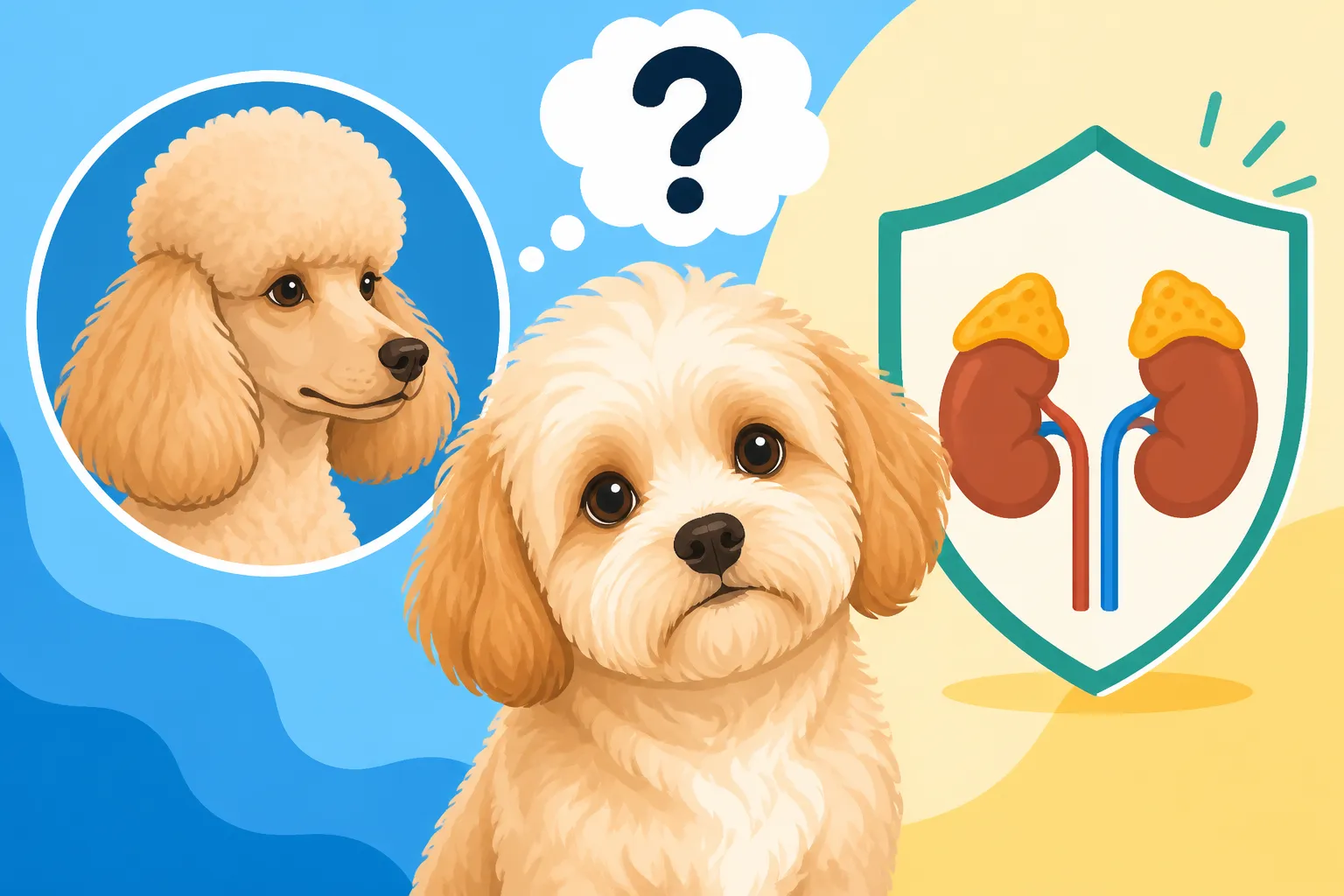
Whether a Maltipoo Gets Addison’s From the Poodle
It's incredibly worrying when you hear about serious health conditions that can affect certain breeds, especially when you have a beloved Maltipoo. One of the concerns that often comes up for Poodle crosses like our delightful Maltipoos is Addison's disease, a tricky condition that can be hard to spot. This guide is here to shed some light on what Addison's disease is, why it's linked to the Poodle side of your Maltipoo's family tree, and what steps you can take to protect your furry friend.
Understanding Addison's Disease: The Silent Mimic
Addison's disease, also known as hypoadrenocorticism, is one of those conditions that can truly baffle owners and even vets initially because its symptoms are so varied and often mimic other, less serious ailments. It's a serious endocrine disorder, meaning it messes with your dog's hormones, specifically those produced by the adrenal glands.
The Core Problem: Adrenal Gland Dysfunction
At its heart, Addison's disease occurs when your dog's adrenal glands, which are these tiny but mighty organs located near the kidneys, stop producing enough of certain vital hormones. The two main hormones we're talking about are cortisol (a stress hormone) and aldosterone (which regulates electrolytes like sodium and potassium). In most cases, this is due to an autoimmune process where the body mistakenly attacks and destroys its own adrenal tissue. Without these hormones, a dog's body can't properly respond to stress, manage blood sugar, or balance crucial electrolytes, leading to a cascade of problems. Think of it like a car running without enough oil – things start grinding to a halt, but the signs might not be obvious until serious damage is done.
Recognizing the Elusive Symptoms
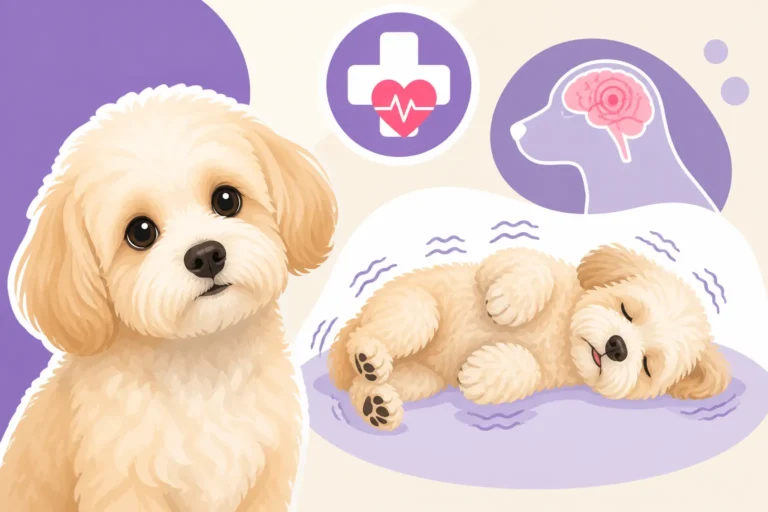
The tricky part about Addison's is that the symptoms often wax and wane, making diagnosis difficult. They can be incredibly vague and come and go, leading many owners to dismiss them as just an "off day" or a mild upset stomach. You might notice your Maltipoo seems unusually lethargic, perhaps a bit quieter than usual, or just not as eager for playtime. Vomiting and diarrhea are common, but again, these can be attributed to so many things. A reduced appetite, weight loss, increased thirst, and frequent urination can also be tell-tale signs. Some dogs might experience shivering or muscle weakness. What makes it even more confusing is that stress – a vet visit, boarding, or even a change in routine – can exacerbate these symptoms dramatically, sometimes only for them to seemingly clear up on their own, giving a false sense of security.
The Critical Addisonian Crisis
While the chronic, intermittent symptoms are concerning, the most dangerous aspect of Addison's disease is the potential for an acute Addisonian crisis. This is a life-threatening emergency that occurs when the adrenal glands completely fail to produce enough hormones to cope with the body's demands, often triggered by a stressful event. During a crisis, a dog can go from seemingly normal to severely ill very quickly. They might collapse, be extremely weak, have severe vomiting and diarrhea, and their heart rate can become dangerously slow. Their abdomen might be painful, and they can go into shock. This is a medical emergency that requires immediate veterinary attention, often involving intravenous fluids, electrolyte correction, and steroid administration to stabilize the dog. Without prompt treatment, an Addisonian crisis can be fatal, which is why early diagnosis of the underlying condition is so incredibly important for breeds like the Maltipoo.
The Poodle's Genetic Hand-Off to Your Maltipoo
When we talk about designer breeds like the Maltipoo, we're essentially taking the genetic blueprint of two parent breeds – the Maltese and the Poodle – and mixing them. While this mix often results in delightful temperaments and hypoallergenic coats, it also means that your Maltipoo can inherit genetic predispositions to health issues from either parent. In the case of Addison's disease, the Poodle side is where the concern largely originates.
Why Certain Breeds Carry Higher Risk, Like the Poodle
Certain dog breeds are known to have a higher incidence of Addison's disease compared to the general canine population, and Poodles, particularly Standard Poodles, are definitely on that list. Other breeds include the Portuguese Water Dog, Nova Scotia Duck Tolling Retriever, West Highland White Terrier, and Great Dane, among others. Researchers believe there's a strong genetic component at play, meaning specific genes or combinations of genes passed down through generations make these breeds more susceptible to developing the autoimmune condition that causes Addison's. This isn't to say every Poodle or Poodle-cross will get it, but the genetic likelihood is undeniably elevated. For a prospective Maltipoo owner, understanding "The Eyes a Maltipoo Gets From the Poodle" or "What the Poodle Puts Into a Maltipoo's Character" is just as important as knowing about the potential for hidden health issues.
Tracing the Genetic Link in Maltipoos
Since a Maltipoo is a cross between a Maltese and a Poodle, if either parent carries the genetic predisposition for Addison's disease, there's a chance it can be passed on to the offspring. While the Maltese breed itself isn't particularly known for Addison's, the Poodle contribution introduces that heightened risk. It's a bit of a genetic lottery, really. Even if only one parent is a Poodle, the genes responsible for increasing susceptibility to Addison's can still be inherited. This is why responsible breeding practices are absolutely crucial, especially for popular crosses like the Maltipoo. A Maltipoo's health isn't just about its cute looks; it's deeply tied to the genetic history of its parents. Understanding inherited conditions is a vital part of planning for "The Twelve to Fifteen Years a Maltipoo Lives" with your companion.
The Role of Breeder Screening and Genetic Panels
Responsible breeders play a pivotal role in minimizing the risk of inherited diseases like Addison's. While there isn't a definitive genetic test that says "yes, this dog will get Addison's," there are tests and health clearances that help breeders make informed decisions. For Poodles, reputable breeders will screen for conditions known to affect the breed, and this often includes monitoring for Addison's in their lines. While there isn't a specific "Addison's panel" test like there might be for other conditions, breeders should be transparent about the health history of their breeding dogs and their pedigrees. This transparency is part of "The Four Certificates a Maltipoo Breeder Should Show." Asking "Whether a Maltipoo Breeder Should Run the Poodle Panel" of genetic tests is a very smart question, as it can reveal other Poodle-specific health risks. A breeder who is truly dedicated to the health of their puppies will be open about these discussions and provide health clearances for their parent dogs. This due diligence can significantly reduce the chances of encountering serious inherited conditions down the line.
Living with Addison's: Diagnosis, Treatment, and Care for Your Maltipoo
Discovering your beloved Maltipoo might have Addison's can be incredibly unsettling. The good news, however, is that once properly diagnosed, Addison's disease is highly manageable with lifelong medication, allowing most affected dogs to live long, happy, and otherwise normal lives. It's about understanding the condition and committing to the care routine.
Navigating the Diagnostic Journey
Because Addison's symptoms are so non-specific, getting a definitive diagnosis can sometimes be a journey. Your vet will likely start with a thorough physical examination and routine bloodwork. Often, blood tests might reveal electrolyte imbalances (high potassium, low sodium) which are strong indicators of Addison's. However, the definitive diagnostic test is an ACTH (adrenocorticotropic hormone) stimulation test. This test measures how well your dog's adrenal glands respond to a synthetic form of ACTH, providing a clear picture of their hormone production capabilities. If the results confirm Addison's, it’s a relief to finally have an answer, even if the news is serious. While it’s not an emergency like "What an Emergency Sugar Crash Costs a Maltipoo Owner," the diagnostic process and treatment can incur significant costs, highlighting the importance of pet insurance. Brands like Healthy Paws offer comprehensive coverage that can be a real lifeline for managing unexpected conditions.
Long-Term Management and Prognosis
Managing Addison's disease in a Maltipoo involves lifelong medication, but it's often quite straightforward once stabilized. The primary treatment usually consists of two types of medication:
- Corticosteroids: Typically prednisone or fludrocortisone, these replace the deficient cortisol. Dosage might be adjusted during stressful periods (travel, vet visits, grooming, etc.) to help your dog's body cope.
- Mineralocorticoids: Often in the form of desoxycorticosterone pivalate (DOCP), administered as an injection, usually monthly, to regulate electrolytes. Alternatively, oral fludrocortisone also has mineralocorticoid activity.
The goal is to find the lowest effective dose to control symptoms and minimize side effects. Your vet will regularly monitor your Maltipoo's electrolyte levels and overall health, especially in the initial stages of treatment. With consistent medication and regular veterinary check-ups, dogs with Addison's typically have an excellent prognosis and can enjoy a full, active life. It might sound daunting, but many owners find managing the condition becomes a normal part of their daily routine quite quickly. Just like knowing "The Yearly Checks a Maltipoo Should Get" is crucial, so is sticking to the Addison's treatment schedule.
Supporting Your Maltipoo's Health
Beyond medication, supporting your Addisonian Maltipoo involves a few key considerations.
First, minimize stress as much as possible, as stress can trigger or worsen symptoms. While you can't eliminate all stress, being mindful of your dog's reactions to new situations or loud environments can help. Provide a consistent routine and a calm home environment.
Second, ensure regular veterinary follow-ups. These appointments are crucial for monitoring bloodwork, adjusting medication dosages, and catching any potential issues early.
Third, always make sure your Maltipoo has access to fresh water. Hydration is vital, especially if they experience any vomiting or diarrhea.
Lastly, be an advocate for your dog. Inform anyone who cares for your Maltipoo (pet sitters, groomers, daycare staff) about their condition and medication requirements. Having pet insurance, such as a plan from Healthy Paws, can provide immense peace of mind, covering a significant portion of the ongoing medication costs, veterinary visits, and any emergency care if an Addisonian crisis were to occur. It's about being prepared for potential health challenges, just as you might plan for "Whether a Maltipoo Gets Hypothyroidism" or "Whether a Maltipoo Gets Heart Disease," which are other health considerations for the breed.
| Symptom Category | Common Signs of Addison's Disease | What to Look For |
|---|---|---|
| Energy & Behavior | Lethargy, Weakness, Depression | Less enthusiastic, slow to rise, hiding, overall subdued |
| Gastrointestinal | Vomiting, Diarrhea, Loss of Appetite | Intermittent or chronic episodes, refusing food, weight loss |
| Thirst & Urination | Increased Thirst (Polydipsia), Frequent Urination (Polyuria) | Emptying water bowl more often, asking to go out more |
| Musculoskeletal | Shivering, Muscle Tremors, Weakness | Noticeable shaking, difficulty standing or walking steadily |
| Pain & Discomfort | Abdominal Pain | Reluctance to be touched around the belly |
| Coat & Skin | Poor Coat Quality, Hair Loss (less common) | Dull coat, sometimes patchy hair loss |
| Crisis Specific | Collapse, Severe Weakness, Pale Gums, Slow Heart Rate | Sudden onset, inability to stand, life-threatening emergency |
Disclaimer
The information provided in this article is for general informational purposes only and is not intended as a substitute for professional veterinary advice. Always consult with a qualified veterinarian for any health concerns or before making any decisions related to your pet's health or treatment.