Whether Bad Teeth Reach a Maltipoo’s Heart
One of the most insidious worries for any Maltipoo owner is realizing that something seemingly isolated, like bad breath or a bit of tartar, could actually be a ticking time bomb for their beloved companion's overall health. It's a common, heartbreaking frustration to hear that dental issues might not just stay in the mouth but could travel to the heart, kidneys, or liver, leaving us feeling helpless and overwhelmed. This guide is here to unravel that complex connection, explain exactly how dental disease impacts your Maltipoo's vital organs, and empower you with practical, actionable steps to safeguard their health for years to come.
The Alarming Connection Between Oral Health and Systemic Disease in Maltipoos
It's truly unsettling to think that something as seemingly innocuous as dirty teeth could pose a risk to your Maltipoo's heart. But the truth is, poor oral hygiene isn't just about bad breath or lost teeth; it's a gateway for bacteria to invade your dog's entire system. Small breeds, with their often crowded little mouths, are particularly prone to dental issues, making this a critical area of concern for Maltipoo parents. The delicate balance of their tiny bodies means that what might be a minor issue for a larger dog can quickly escalate into a serious systemic problem for a Maltipoo.
Understanding the Mechanism: How Oral Bacteria Travels
The journey from a dirty tooth to a compromised organ begins with the silent enemy: plaque. Plaque is that sticky film of bacteria, food particles, and saliva that constantly forms on your Maltipoo's teeth. If not removed daily, it hardens into tartar, a rough, concrete-like substance that acts as a haven for even more bacteria. This buildup pushes against the gums, leading to inflammation known as gingivitis. You might notice their gums looking red or swollen, or even bleeding a little when they chew on a toy or you try to brush their teeth.
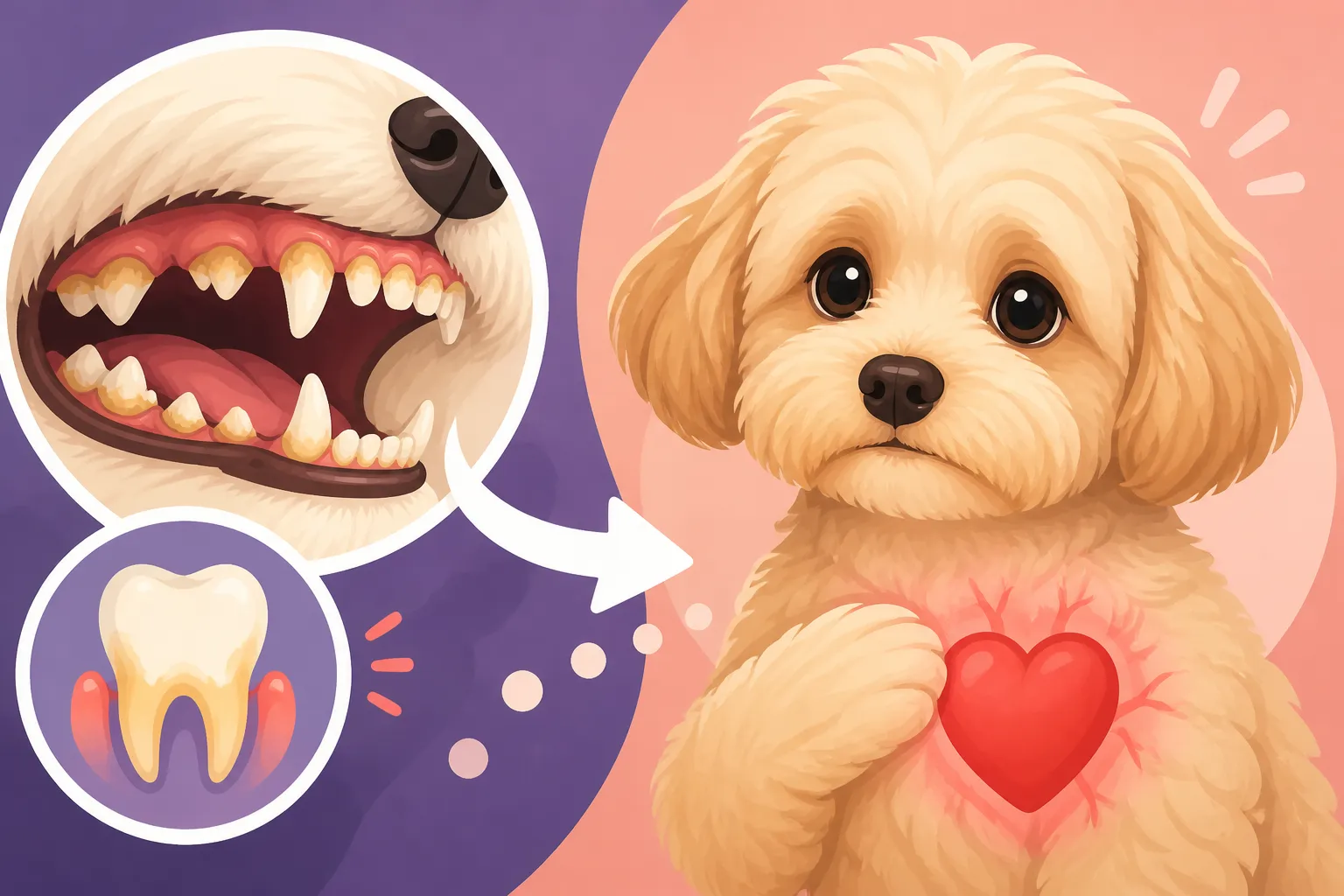
Once gingivitis takes hold, the gums begin to pull away from the teeth, creating pockets where bacteria can thrive unchecked, leading to a more advanced stage called periodontal disease. At this point, the protective barrier of the gums is compromised. Think of it like a breach in the body's defenses. These virulent bacteria, along with inflammatory byproducts, don't just stay put in the mouth; they can easily slip into the bloodstream through the inflamed gum tissue. This creates what veterinarians sometimes call a "bacterial shower," a continuous stream of microbes circulating throughout your Maltipoo's body, looking for a place to set up shop. The constant systemic inflammation also puts a general strain on the immune system, making your furry friend more vulnerable overall.
The Heart of the Matter: Endocarditis and Maltipoos
When those oral bacteria make their way into the bloodstream, they become opportunistic travelers. One of the most concerning destinations they can reach is the heart. Specifically, they can attach to the heart valves, leading to a serious condition called bacterial endocarditis. This is essentially an infection and inflammation of the inner lining of the heart chambers and valves. The bacteria form vegetations on the valves, which can impede their proper function, leading to heart murmurs or even heart failure over time.
Maltipoos, being a smaller breed, are unfortunately not immune to this. In fact, their smaller size can sometimes make the diagnosis and management of such conditions even more challenging. If your Maltipoo already has a pre-existing heart condition, even a mild one like a heart murmur – something many smaller dogs are prone to developing as they age, as discussed in Whether a Maltipoo Gets Heart Murmurs – the risk of bacterial endocarditis increases significantly. The inflamed or damaged heart valves offer an ideal surface for these circulating bacteria to adhere to. Symptoms can be subtle at first: lethargy, reduced appetite, weight loss, or an unexplained fever. As the condition progresses, you might notice coughing, difficulty breathing, or even collapse. It's a terrifying thought that a lack of diligent dental care could potentially contribute to such a severe cardiac problem, highlighting why preventing dental disease isn't just cosmetic, but life-saving.
Beyond the Heart: Other Systemic Impacts of Poor Dental Hygiene
While the heart connection is often the most talked-about, it's crucial to understand that dental disease in your Maltipoo can have a ripple effect, impacting other vital organs. The body is an interconnected system, and what happens in one area can certainly influence another, especially when it involves chronic infection and inflammation. This often becomes a particular concern as our Maltipoos enter their senior years, when their bodies are already under more strain.
Kidney and Liver Compromise
The kidneys and liver are the body's primary filters, tirelessly working to remove toxins and waste products from the bloodstream. When a Maltipoo suffers from chronic periodontal disease, these organs are constantly bombarded by bacteria and inflammatory toxins circulating in the blood. Imagine asking your body's filtration system to work overtime, every single day, trying to clear out a steady stream of infectious agents. Over time, this relentless assault can lead to inflammation and damage within the kidneys and liver themselves.
This chronic stress can manifest as reduced organ function. For the kidneys, this might lead to progressive kidney disease, where their ability to filter blood diminishes, causing waste products to build up in the body. Similarly, the liver can become inflamed and less efficient at its numerous critical roles. Both of these conditions can lead to a host of non-specific symptoms like increased thirst, increased urination, lethargy, decreased appetite, and even vomiting. Catching these issues early is crucial, and it’s a good reason why your vet might recommend regular blood work, especially as your Maltipoo ages. Early and consistent dental care is an often-overlooked but vital component in helping to prevent or slow the progression of conditions like Whether a Maltipoo's Kidneys Fail With Age and maintain overall health.
The Painful Reality: Chronic Discomfort and Quality of Life
Beyond the internal organ damage, we cannot overlook the sheer amount of pain and discomfort that severe dental disease inflicts upon our Maltipoos. Imagine having a constant toothache, bleeding gums, or even loose, infected teeth – it's a miserable existence that no loving pet parent wants for their furry companion. This isn't just a minor annoyance; it profoundly impacts their quality of life, often in ways that are subtle and easy to miss until the problem becomes severe.
A Maltipoo suffering from dental pain might become unusually quiet, withdraw from interaction, or even growl or snap if you try to touch their face or mouth. They might refuse hard kibble, prefer softer foods, or simply stop eating as much, leading to weight loss. You might notice them drooling excessively, pawing at their mouth, or rubbing their face against furniture. Chewing on toys, a joyful pastime for most dogs, can become agonizing. This chronic pain not only makes them unhappy but also alters their behavior, potentially turning a once playful and affectionate dog into a grumpy or anxious one. Addressing dental pain isn't just about fixing teeth; it's about restoring their comfort, their appetite, and their zest for life, ensuring they can enjoy The Twelve to Fifteen Years a Maltipoo Lives without unnecessary suffering.
Proactive Steps: Protecting Your Maltipoo's Oral and Overall Health
The good news amidst these serious concerns is that dental disease is largely preventable and manageable with consistent effort. It's not a given that your Maltipoo will suffer these severe systemic consequences if you take proactive steps. The key is understanding that oral care is an ongoing commitment, not a one-off fix. Just like we care for our own teeth daily, our Maltipoos need that same dedication to maintain not just sparkling smiles, but healthy bodies.
The Cornerstone: Daily Brushing and Professional Dentals
When it comes to dental care for your Maltipoo, daily brushing is truly the gold standard. It’s the single most effective way to remove plaque before it hardens into tartar, preventing the whole cascade of problems we've discussed. Yes, it takes patience, and yes, your Maltipoo might not love it at first, but with positive reinforcement and the right tools – a soft-bristled toothbrush sized for small dogs and pet-specific toothpaste (never human toothpaste!) – it becomes a manageable, even enjoyable, routine. Start slow, introduce the brush gently, and make it a positive experience with treats and praise. Consistency is far more important than perfection in the beginning. Many owners find success using a finger brush before transitioning to a full toothbrush, especially when dealing with The Forty Two Teeth Crowding a Maltipoo's Jaw that can be hard to reach. For a comprehensive guide, check out Brushing a Maltipoo's Teeth Every Single Day.
However, even with daily brushing, some tartar buildup is inevitable, especially for dogs with crowded mouths. This is where professional veterinary dental cleanings come in. These procedures, performed under general anesthesia, allow your veterinarian to thoroughly clean below the gumline, where most periodontal disease occurs. They use specialized tools, similar to those a human dentist uses, to scale away tartar, polish the tooth surfaces to prevent future plaque adhesion, and perform dental X-rays to assess the health of the tooth roots and jawbone. Your vet can also extract any irreparably damaged teeth. The frequency of these cleanings varies, but many small breeds benefit from a professional dental every 1-2 years, or as recommended by your vet based on their individual needs, as detailed in How Often a Maltipoo Needs a Dental. While the idea of anesthesia can be daunting, especially if you're wondering Whether a Maltipoo Under Five Pounds Can Be Anesthetized, modern veterinary anesthesia protocols are very safe, with careful monitoring tailored to your Maltipoo's size and health.
Ancillary Tools and Lifestyle Adjustments
While daily brushing and professional cleanings are paramount, there are other tools that can support your Maltipoo's oral health. Dental chews approved by the Veterinary Oral Health Council (VOHC) can help reduce plaque and tartar buildup through mechanical abrasion as your dog chews them. However, it's crucial to choose appropriate sizes and textures to prevent choking or tooth fractures. Water additives, which contain ingredients that help reduce bacteria in the mouth, can also be a helpful addition, though they are not a substitute for brushing.
Diet plays a role too. Some specialized dental diets are formulated with kibble that encourages chewing and has a coating designed to reduce plaque. Discuss these options with your vet to see if they are suitable for your Maltipoo. Beyond these products, simply being observant and conducting regular at-home mouth checks can help you spot early signs of trouble. Familiarize yourself with what a healthy mouth looks like for your Maltipoo so you can quickly identify any redness, swelling, or unusual odors. Regular vet check-ups are also crucial, not just for vaccinations, but for a thorough oral examination by a professional who can spot issues you might miss. These routine examinations are part of The Yearly Checks a Maltipoo Should Get that can save your dog from significant health issues down the line. Remember, investing in pet insurance like Healthy Paws can also provide peace of mind, helping to cover the costs of these crucial routine dentals or any unexpected, more extensive dental work, including potential extractions as discussed in What Pulling a Maltipoo's Retained Baby Teeth Costs or emergency care. Healthy Paws understands the unique needs of small breeds and offers plans that can help manage these often considerable veterinary expenses.
Recognizing the Red Flags and Seeking Veterinary Care
It’s easy to overlook dental issues because our Maltipoos are so good at hiding pain. They can’t tell us their tooth hurts, and they often continue to eat even with significant oral discomfort. This stoicism is a survival instinct, but it means we, as their guardians, need to be extra vigilant in recognizing the subtle signs that something isn't right. Don’t wait until the situation is dire; early detection is key to preventing the progression of dental disease and its systemic complications.
Signs of Dental Disease in Your Maltipoo
The most obvious sign of dental disease is often "dog breath." While some degree of halitosis is normal, a truly foul, pungent odor that makes you recoil is a huge red flag for bacterial overgrowth. Beyond smell, visually inspect your Maltipoo's mouth regularly. Look for red, swollen, or bleeding gums, especially along the gumline. You might see a brown or yellow crust on their teeth, which is tartar. Loose or missing teeth are also clear indicators of advanced disease.
Behavioral changes are equally important. Is your Maltipoo reluctant to eat their favorite crunchy treats or kibble? Are they chewing on one side of their mouth, dropping food, or showing excessive drooling? You might even notice them pawing at their mouth, rubbing their face on furniture, or showing signs of discomfort when you touch their head. Some dogs become withdrawn, less energetic, or even irritable due to chronic pain. Sometimes, a Maltipoo might even start to sneeze or have nasal discharge, as severe dental infections in the upper jaw can spread to the nasal passages. These are all subtle clues that your Maltipoo is in pain and needs immediate veterinary attention. Ignoring these signs can lead to severe consequences, potentially shortening their lifespan, as explored in Whether Dental Disease Shortens a Maltipoo's Life.
When to Consult Your Vet: Don't Delay
If you notice any of the signs mentioned above, or if it's simply been a while since your Maltipoo had a professional dental check-up, it’s time to call your veterinarian. Don't fall into the trap of thinking it's "just bad breath" or "they're getting old." Dental pain is real pain, and the systemic consequences are serious. Your vet will perform a thorough oral examination, which often requires a conscious dog to assess obvious issues, but a full assessment with X-rays will require sedation.
During this initial visit, your vet can discuss the severity of the dental disease, outline a treatment plan which will likely include a professional cleaning, and potentially run pre-anesthetic bloodwork to ensure your Maltipoo is healthy enough for the procedure. They can also advise on preventative care moving forward. Remember, a stitch in time saves nine – or in this case, potentially saves your Maltipoo from heart, kidney, or liver disease, and considerable pain. Having a robust pet insurance plan, like those offered by Healthy Paws, can be an absolute lifesaver when these unexpected dental issues arise. Knowing that a significant portion of the cost for diagnostics, cleanings, and extractions could be covered allows you to make health decisions based on what's best for your Maltipoo, rather than worrying solely about the financial impact. What a Maltipoo's First Vet Visit Should Include should always involve a thorough dental check, setting the stage for lifelong oral health.
| Dental Health Stage | Description | Potential Systemic Impact | Symptoms You Might Notice |
|---|---|---|---|
| Healthy | Clean, white teeth; pink gums; no odor. | None directly related to dental disease. | Fresh breath, happy chewing. |
| Gingivitis | Red, swollen gums; mild plaque buildup; reversible. | Low-level systemic inflammation; bacteria starting to enter bloodstream. | Mild bad breath, red gums, minor bleeding. |
| Mild Periodontal | Increased plaque/tartar; receding gums; bone loss beginning; irreversible. | Increased bacterial load in bloodstream; heightened systemic inflammation. | Noticeable bad breath, visibly inflamed gums, mild discomfort. |
| Moderate Periodontal | Significant tartar; moderate gum recession; moderate bone loss; pus possible. | Risk of bacterial endocarditis, early kidney/liver strain. | Difficulty chewing, drooling, pain when touched near mouth. |
| Severe Periodontal | Heavy tartar; severe gum recession; significant bone loss; loose/missing teeth. | High risk of bacterial endocarditis, kidney/liver disease, jaw fractures, chronic pain. | Refusal to eat, lethargy, irritability, severe pain, facial swelling. |
Disclaimer
The information provided in this article is for general informational and educational purposes only and is not a substitute for professional veterinary advice. Always consult with a qualified veterinarian regarding any medical concerns or before making any decisions about your Maltipoo's health or treatment.