The Temperature a Maltipoo Starts Shivering At
It's a common worry among Maltipoo parents, isn't it? You see your tiny companion trembling, and your heart immediately jumps to "Are they cold?" It's a valid concern, especially with such small dogs who seem to feel every slight temperature drop more acutely than we do. This guide is here to demystify what makes your Maltipoo shiver, explore the typical temperatures that might trigger it, and arm you with practical, empathetic ways to keep your little love bug warm and comfortable.
Understanding Your Maltipoo's Internal Thermostat
Your Maltipoo, being a mix of the Maltese and Poodle, inherits traits from both sides that influence their ability to regulate body temperature. Unlike larger dogs with more body mass or breeds with thick double coats, Maltipoos are often at a disadvantage when the mercury drops. It's not just about a single number on a thermometer; it's a whole host of factors that contribute to their comfort level.
The Impact of Small Size and Single Coat
Think about it: a tiny teacup Maltipoo has far less body mass compared to a Golden Retriever or a German Shepherd. Less mass means less heat retention. Their small bodies dissipate heat much faster, making them more susceptible to feeling cold even at temperatures that feel mild to us. This is a crucial point many new Maltipoo owners don't fully appreciate until they see their little one shivering indoors. The compact nature of their build, while adorable, means they're constantly working a bit harder to maintain their core temperature.
Then there's that gorgeous, low-shedding coat. While we adore it for its hypoallergenic qualities, it's typically a single layer. Whether your Maltipoo inherited more of the Poodle's curly texture or the Maltese's silky flow, neither parent breed boasts a thick undercoat designed for insulation against harsh cold. This single layer, while beautiful, doesn't offer the thermal protection that a dense, double-layered coat would. It's similar to us wearing a light jacket instead of a heavy winter parka; it helps, but it certainly doesn't block out the deep chill. This is why you might find yourself wondering Whether a Maltipoo Gets Cold Easily.
Age, Health, and Activity Levels Also Play a Role
Beyond size and coat, your Maltipoo's individual circumstances greatly affect their cold tolerance. A spry, energetic adult Maltipoo might handle cooler temperatures better than a sleepy puppy or an elderly dog. Puppies, with their still-developing thermoregulation systems and lower body fat, are particularly vulnerable. A young Maltipoo puppy can go from comfortably warm to dangerously chilled in a surprisingly short amount of time. Similarly, senior Maltipoos often have slower metabolisms, reduced muscle mass, and potentially underlying health issues like arthritis that can make them feel the cold more acutely and recover less efficiently.
A Maltipoo's general health also factors in. If your dog is battling an illness, recovering from surgery, or dealing with a condition like hypothyroidism, their ability to generate and retain warmth will be compromised. Even their activity level makes a difference; a Maltipoo constantly on the go generates more body heat than one curled up napping. That's why you might see them perfectly content lounging in a sweater, but then they start shivering the moment they step outside for a potty break.
Spotting the Shivers: When Your Maltipoo Is Telling You It's Cold
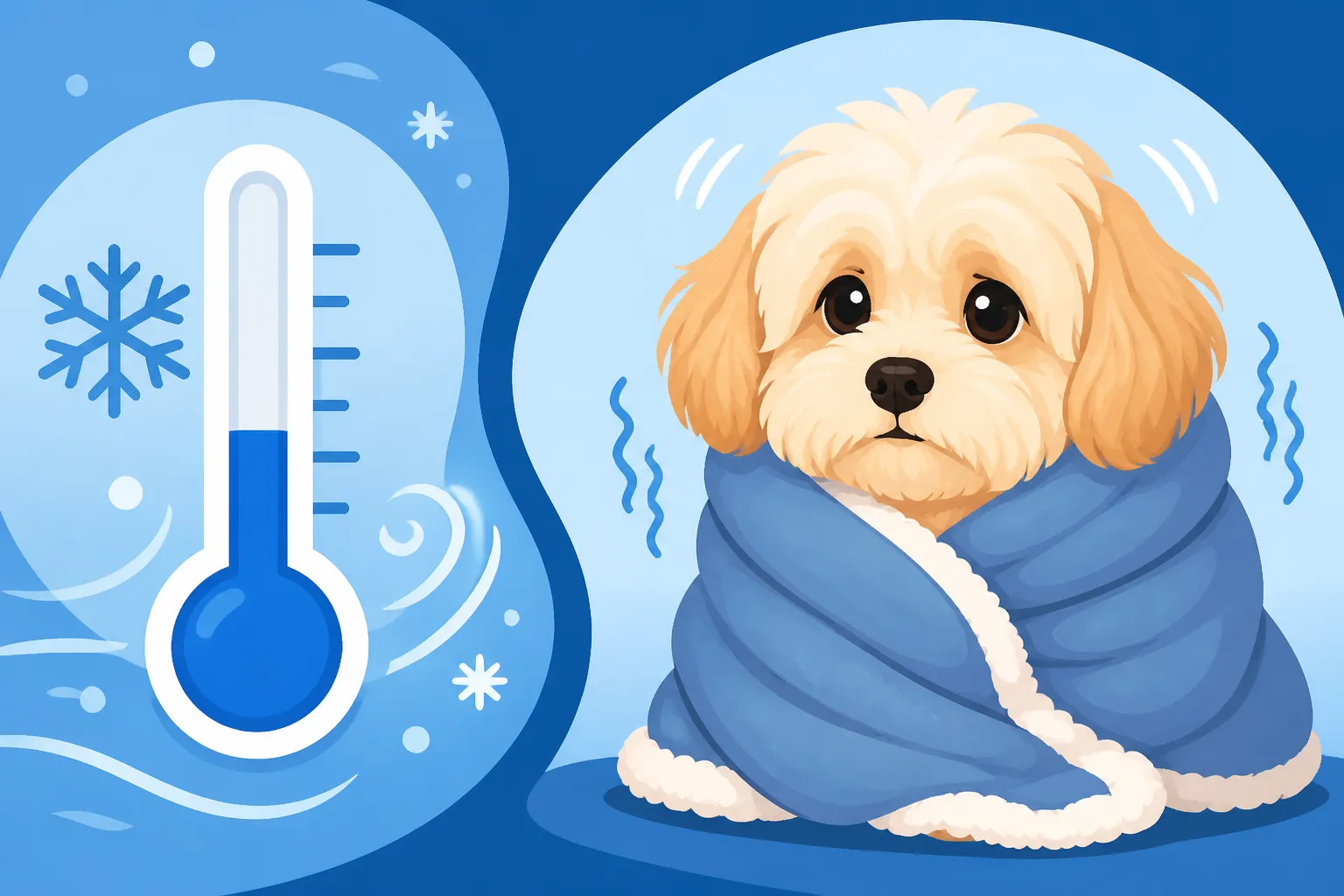
So, what exactly does "cold" look like for a Maltipoo, and at what temperature might you expect to see signs? It's not a precise number, but rather a spectrum influenced by all the factors we just discussed. Generally speaking, once the ambient temperature dips below 70°F (21°C), some Maltipoos might start feeling a slight chill, especially if they are inactive or particularly sensitive. When temperatures drop below 45°F (7°C), most Maltipoos will begin to show signs of being uncomfortably cold and prolonged exposure can become risky.
Behavioral and Physical Cues
The most obvious sign, of course, is shivering. But it's not always a clear indicator of just cold. Maltipoos, like many small dogs, can shiver for various reasons – excitement, fear, stress, or even certain medical conditions. However, if the shivering is accompanied by other cold-related behaviors, it's a pretty good bet your pup is chilly. Look for them curling up tightly into a ball, tucking their paws, or burrowing under blankets or into your lap. They might seek out warm spots in the house, like sunbeams or near a heating vent. You might notice them acting a bit more subdued or reluctant to move from their cozy spot.
Physically, you can often feel if your Maltipoo is cold by checking certain areas. Their ears and paws, being extremities, are usually the first to get chilly. If these feel cool to the touch, and your dog is exhibiting other signs, it's time to warm them up. Their nose might also feel cooler and drier than usual. Their posture can tell a story too; a cold Maltipoo might hunch their back or tuck their tail. It's important to remember that not all shivering is cold-related. For instance, Telling Shivering From Shaker Syndrome in a Maltipoo is a distinct condition that presents with tremors, and it's essential to understand the difference.
The Danger Zone: When Cold Becomes a Health Risk
While a little shiver and a desire to cuddle are normal responses to cooler temperatures, there's a point where cold exposure can become dangerous. Prolonged exposure to low temperatures can lead to hypothermia, a serious medical condition where a dog's body loses heat faster than it can produce it. Symptoms of hypothermia progress from mild to severe and can include:
- Mild Hypothermia: Persistent shivering, cold ears and paws, weakness, reduced activity, seeking warmth.
- Moderate Hypothermia: Muscle stiffness, slower breathing, lower heart rate, mental dullness, stumbling.
- Severe Hypothermia: Unconsciousness, dilated pupils, rigid muscles, extremely slow or undetectable breathing and heart rate.
At temperatures below 32°F (0°C), the risk of frostbite on exposed areas like paws, ears, and tail significantly increases, especially if your Maltipoo is outside for more than a few minutes. This is especially true if there's any wind chill or dampness in the air, which can make even slightly warmer temperatures feel much colder. If you suspect your Maltipoo is suffering from moderate to severe hypothermia, it's an emergency, and you need to seek veterinary care immediately.
Keeping Your Maltipoo Cozy: Practical Warming Strategies
The good news is that keeping your Maltipoo warm is usually straightforward and involves a combination of environmental adjustments and specialized gear. Being proactive is key, especially as the seasons change.
Indoor Comfort: Creating a Warm Sanctuary
Your home should be your Maltipoo's primary haven from the cold. Aim to keep your indoor temperature comfortably warm, ideally above 70°F (21°C), particularly if you have a very small, elderly, or health-compromised Maltipoo. Drafts are a major culprit for chilling small dogs, even in a warm room. Block off drafty windows or doors, and make sure their bed isn't placed in a high-traffic area with a constant breeze. Consider investing in a cozy, enclosed dog bed that allows them to burrow, or a self-warming pet bed that reflects their body heat back to them. Simple things like soft blankets are invaluable; Maltipoos adore snuggling under them. You might be surprised Whether a Maltipoo Needs a Sweater Indoors even if your house feels warm to you, especially if they love to nap on tile or hardwood floors.
Another practical tip is to ensure they have multiple designated warm spots around the house. Maybe a sun-drenched cushion by a window, a soft bed in your office, or a blanket fort in the living room. This gives them options to regulate their own temperature and choose their preferred spot for maximum warmth.
Outdoor Adventures: Dressing for Success
When it's time to head outside, proper attire isn't just a fashion statement for a Maltipoo – it's often a necessity for their health and comfort. A well-fitting sweater or coat provides an extra layer of insulation against the cold and wind. There are countless options available on sites like Chewy and Amazon, from lightweight fleece to waterproof, insulated jackets. Make sure whatever you choose fits snugly but doesn't restrict movement. A harness that goes over the coat is usually best, both for comfort and to protect their delicate trachea.
Booties can also be incredibly helpful, especially in snowy, icy, or very cold conditions. They protect delicate paws from frostbite, harsh chemicals like road salt, and painful ice balls that can form between their toes. It might take some patience to get your Maltipoo used to wearing them, but the protection they offer is well worth the effort. Always remember to keep outdoor potty breaks brief when temperatures are low. If it's truly frigid, below 20°F (-6°C), consider alternative indoor potty solutions like pee pads, especially for very small or senior Maltipoos. This becomes particularly important when you consider Whether a Maltipoo Should Walk in Winter.
Nutrition and Hydration for Internal Warmth
A well-nourished Maltipoo is better equipped to handle cooler temperatures. Ensure your pup is getting enough calories from a high-quality, balanced diet. Calories are fuel, and burning that fuel helps generate body heat. This is why Feeding a Six Pound Maltipoo by the Ounce, Not the Scoop is so critical, as precise portioning ensures they get the right amount without becoming overweight. Overweight dogs might seem insulated, but excess fat puts strain on their organs and can hinder their ability to regulate temperature effectively. Regular, frequent meals, especially for puppies, also help keep their metabolism humming. Never let a Maltipoo, particularly a puppy, go too long without food, as this can lead to issues like hypoglycemia, which severely impacts their ability to stay warm. Remember Why a Maltipoo Cannot Wait Twelve Hours to Eat.
Hydration is just as important. Even in cold weather, dogs can become dehydrated, which can impair their body's functions, including thermoregulation. Always ensure fresh water is available, and consider adding a little warm water to their bowl on extra cold days, or even a splash of unsalted chicken broth from a brand like Ollie to encourage drinking.
Grooming Considerations for Cooler Months
While a Maltipoo's coat is low-shedding, proper grooming still plays a role in their warmth. During colder months, you might want to opt for a slightly longer cut, like a "teddy bear trim," rather than a super short "puppy cut." That extra bit of length provides better insulation. However, a longer coat needs diligent brushing to prevent mats, which can actually trap cold and moisture close to the skin. Refer to The Coat a Maltipoo Gets From Two Non Shedding Parents for more insights into their unique fur.
Always ensure your Maltipoo is thoroughly dry after baths or if they get wet outside. A damp coat, especially in cool temperatures, can quickly lead to a chill. Use a towel and a low-heat setting on a dog-specific blow dryer, ensuring you don't burn their sensitive skin.
When to Contact Your Vet About a Cold Maltipoo
While our focus is usually on preventative measures, there are times when persistent coldness or unusual shivering warrants a call to your veterinarian. It’s always better to be safe than sorry when it comes to your Maltipoo's health.
Recognizing Concerning Symptoms
If your Maltipoo is shivering excessively and consistently, even when you've done everything to warm them up, or if the shivering is accompanied by other worrying symptoms, it's time for professional advice. Beyond the signs of hypothermia we discussed earlier, look out for:
- Lethargy and Weakness: They are unusually tired, unresponsive, or struggle to stand or walk.
- Blue or Pale Gums/Tongue: This can indicate poor circulation or a lack of oxygen, both serious.
- Persistent Coughing or Snorting: While some snorting is normal for small breeds, an increase could indicate a respiratory issue exacerbated by cold. Check out The Honking Cough of a Maltipoo With a Bad Trachea.
- Limping or Reluctance to Move: Cold weather can aggravate conditions like arthritis or Slipping Kneecaps in a Maltipoo.
- Changes in Appetite or Thirst: A sudden refusal to eat or drink could be a sign of illness.
Don't ignore these signs, especially if they appear suddenly or worsen. Your vet can rule out underlying medical conditions that might be making your Maltipoo more susceptible to cold or causing the shivering in the first place. Conditions like Whether a Maltipoo Gets Hypothyroidism can affect metabolism and temperature regulation, making a dog feel cold even in a warm environment.
The Importance of Regular Vet Check-ups
Routine veterinary check-ups are essential for all Maltipoos, but especially as they age or if they show any sensitivity to cold. Your vet can perform a thorough physical examination, run blood tests if necessary, and catch any potential health issues early on. They can also offer personalized advice on diet, supplements, and cold weather care tailored to your specific dog's needs. For instance, they might recommend specific joint supplements if your Maltipoo is prone to orthopedic issues that could be worsened by cold.
Staying informed about your Maltipoo's health history and any genetic predispositions can also help you be more proactive. Knowing, for example, about common issues like The Liver Shunt a Maltipoo Can Inherit From the Maltese or conditions related to the Poodle side can help you work with your vet to ensure your Maltipoo maintains optimal health, which includes good temperature regulation.
| Temperature Range (Approx.) | Maltipoo Behavior/Risk | Recommended Action |
|---|---|---|
| 70°F (21°C) + | Comfortable, normal activity. | Continue regular care. |
| 60-69°F (16-20°C) | May start to seek warm spots, some shivering if inactive. | Offer blankets, cozy bed. |
| 45-59°F (7-15°C) | Likely shivering, curling up, reluctance to go outside. Increased risk for puppies/seniors. | Sweater/coat for outdoors, limit outdoor time, indoor heating, warm beds. |
| 32-44°F (0-6°C) | Significant shivering, hunching, cold extremities. Risk of hypothermia/frostbite with prolonged exposure. | Essential outdoor gear (coat, booties), very brief potty breaks, strictly supervise outdoor time. |
| Below 32°F (0°C) | Dangerous. Severe shivering, lethargy, risk of severe hypothermia/frostbite. | Avoid outdoor time if possible. If unavoidable, maximum protection for very brief periods. Monitor closely. |
This table provides a general guideline; individual Maltipoos will vary. Always observe your own dog's specific reactions.
Final Thoughts on Keeping Your Maltipoo Warm
Ultimately, your Maltipoo relies on you to be their personal thermostat and advocate. Their small size and single coat mean they simply can't regulate their body temperature as effectively as larger, more heavily coated breeds. Paying attention to the ambient temperature, observing their behavior for signs of cold, and implementing simple warming strategies like cozy beds, sweaters, and careful outdoor management will go a long way in ensuring your beloved companion stays comfortable, healthy, and happy. Don't underestimate the impact of those little shivers; they're your Maltipoo's way of asking for a little extra love and warmth.
Disclaimer
This article is for general informational purposes only and does not constitute professional advice. Laws, prices and regulations vary by location and change over time. Consult a qualified professional for guidance on your specific situation.