What Liver Shunt Surgery Runs on a Maltipoo
Receiving a diagnosis of a liver shunt for your beloved Maltipoo can be an absolutely gut-wrenching experience. It brings with it not only immense worry for your furry family member's health but also a daunting sense of financial dread. This guide is here to walk you through what liver shunt surgery typically entails for a Maltipoo, offering a realistic look at the costs involved and how you might prepare for or manage them.
Understanding a Liver Shunt in Your Maltipoo
When your vet first mentions a "liver shunt," your mind probably races with questions and fears. It's a complex medical condition, but understanding it is the first step toward advocating for your Maltipoo and making informed decisions about their care and the associated costs.
What Exactly Is a Portosystemic Shunt?
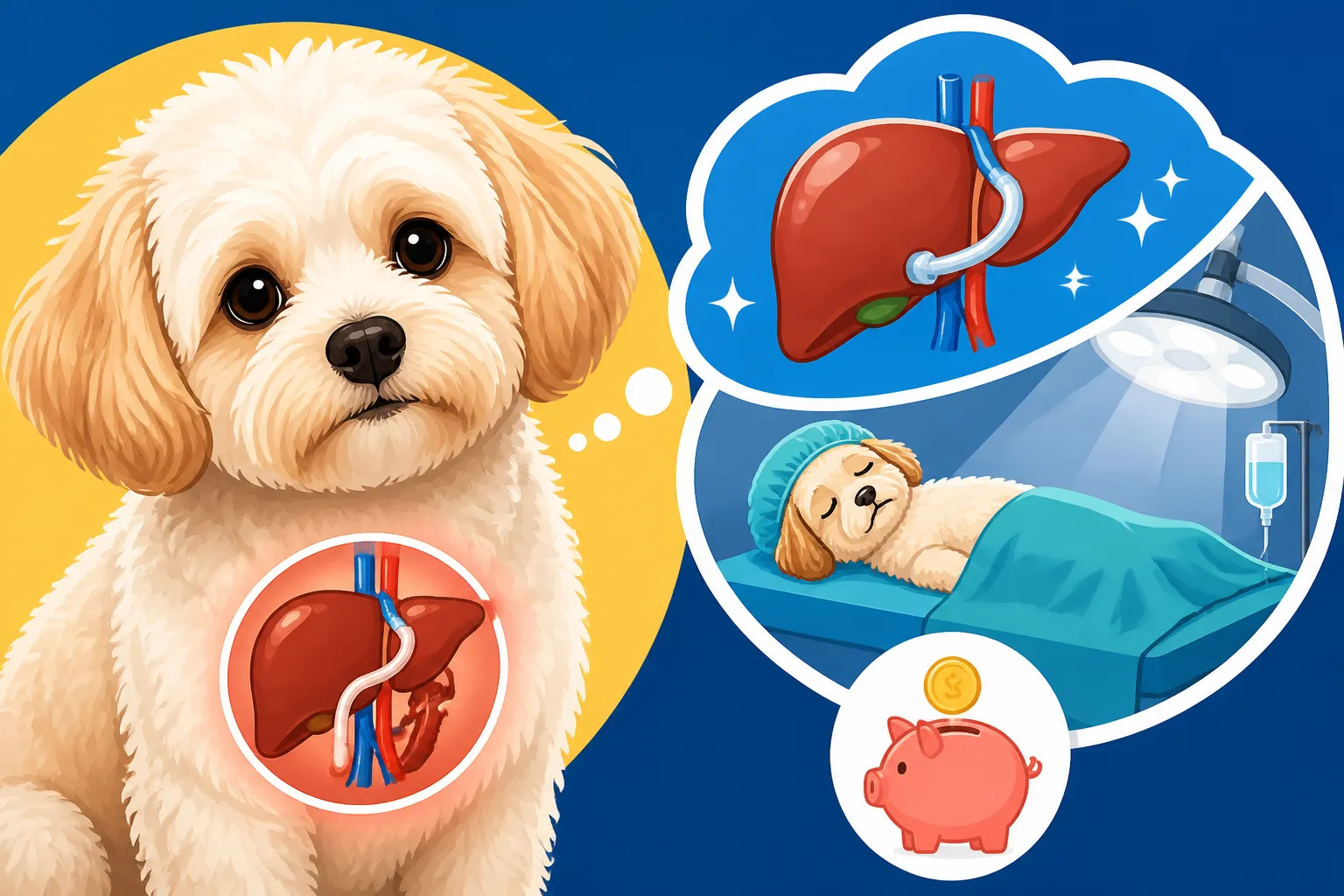
Imagine your Maltipoo's body as a finely tuned machine. Normally, blood from the intestines, which carries nutrients and toxins absorbed from food, travels directly to the liver. The liver then acts as a filter, processing these substances before the "clean" blood goes on to the rest of the body. In a dog with a portosystemic shunt, or liver shunt, there's an abnormal blood vessel that allows blood to bypass the liver entirely. This means toxins and unprocessed waste products from digestion go straight into the general circulation, affecting the brain and other organs. This bypass can be extrahepatic (outside the liver) or intrahepatic (inside the liver), with extrahepatic being more common in smaller breeds like our Maltipoos. This continuous exposure to toxins can lead to a range of symptoms, from neurological issues to stunted growth.
Why Maltipoos Are Susceptible
It's a tough truth that some breeds, and therefore some mixed breeds, are just more prone to certain conditions. With Maltipoos, their Maltese heritage plays a significant role in their susceptibility to liver shunts. The Maltese breed is known to have a higher incidence of congenital portosystemic shunts, meaning puppies are born with this defect. When you mix a Maltese with a Poodle to create a Maltipoo, that genetic predisposition can be passed on. It's not a guarantee, of course, but it does mean Maltipoo owners need to be particularly vigilant for signs and symptoms, especially in puppyhood. This genetic link is one of the reasons why reputable breeders often screen their breeding dogs for such conditions and why asking about the parents' health history is so crucial. You might be interested in The Liver Shunt a Maltipoo Can Inherit From the Maltese.
The Telltale Signs and Diagnosis Process
Recognizing the signs early can make a world of difference, both for your Maltipoo's prognosis and potentially for managing the financial impact. Symptoms can vary widely depending on the severity of the shunt and the dog's age. In puppies, you might notice a failure to thrive, meaning they're smaller than their littermates, or have a poor appetite. Behavioral changes like disorientation, staring blankly, pacing, pressing their head against a wall, or even seizures can occur, especially after a meal high in protein. Vomiting, diarrhea, and increased thirst and urination are also common.
Diagnosing a liver shunt usually starts with routine blood work, specifically looking at liver enzyme levels and bile acid tests. A pre- and post-prandial (before and after eating) bile acid test is a key diagnostic tool that can indicate a shunt. If these tests suggest a shunt, further imaging is needed to confirm the diagnosis and determine the shunt's location and type. This often involves an ultrasound performed by a specialist, or in some cases, a CT angiogram, which provides a detailed 3D image of the blood vessels. These advanced diagnostic tools are vital but do, understandably, add to the overall cost. For more on initial screening, you can read The Liver Shunt Test a Maltipoo Puppy Should Have.
The Financial Landscape of Liver Shunt Management
Once a liver shunt is diagnosed, you're faced with decisions, and unfortunately, finances are a significant part of that equation. It's not just the surgery itself; it's a whole journey of care.
Initial Diagnostic Costs
The road to a liver shunt diagnosis isn't always a straight line, and each step carries a cost. You'll start with your regular vet, who will likely perform a general check-up and basic blood tests. These initial tests might hint at liver issues. If a shunt is suspected, a pre- and post-prandial bile acid test will be recommended. This is a specialized blood test that requires your Maltipoo to fast, then eat, and then have blood drawn again. The cost for these tests varies, but they are a crucial initial investment.
Should the bile acid test be suggestive, the next step is often imaging. An abdominal ultrasound, ideally performed by a veterinary internal medicine specialist or radiologist, is typically used to try and visualize the abnormal vessel. This requires specialized equipment and expertise, so the cost will reflect that. In some cases, if the ultrasound isn't conclusive or if more precise mapping is needed for surgical planning, a CT angiogram might be recommended. This procedure involves injecting a contrast dye and taking detailed X-ray images, usually requiring general anesthesia for your Maltipoo. Each of these diagnostic steps is essential for an accurate diagnosis and surgical planning but contributes to the accumulating bill before any treatment even begins.
Surgical Intervention: The Main Event
For many Maltipoos, especially those with extrahepatic shunts, surgery offers the best chance at a normal, healthy life. The goal of surgery is to close or constrict the abnormal blood vessel, forcing the blood to flow through the liver as it should. There are a few different surgical approaches.
One common method involves using an ameroid constrictor, which is a small, ring-shaped device placed around the shunt vessel. Over several weeks, the casing of the ameroid constrictor slowly absorbs fluid, causing the ring to swell and gradually close the shunt. This slow closure prevents portal hypertension (a sudden increase in blood pressure in the liver) which can be life-threatening if the shunt is closed too quickly. Another method might involve ligating (tying off) the shunt directly with sutures, or using cellophane banding, which achieves a similar gradual closure.
The surgery itself is delicate and requires a highly skilled veterinary surgeon, often a board-certified specialist. The cost encompasses the surgeon's fee, the anesthesia (which is more complex for small dogs with liver issues), monitoring equipment, surgical supplies, and the operating room time. Given the specialized nature of the procedure and the expertise required, this portion of the treatment represents a significant financial outlay.
Post-Operative Care and Long-Term Management
The journey doesn't end when your Maltipoo leaves the operating room. Post-operative care is critical and can also be costly. Immediately after surgery, your Maltipoo will need careful monitoring, often in an intensive care setting, to manage pain, fluids, and watch for potential complications such as portal hypertension or seizures. This typically means an overnight stay, or even several nights, at the veterinary hospital.
Once home, your Maltipoo will need a period of recovery, which includes restricted activity, pain medication, and sometimes anti-seizure medication or antibiotics. Follow-up vet visits will be necessary to check on their progress, remove sutures, and re-evaluate blood work.
In the long term, some Maltipoos may require a special therapeutic diet, often one that is lower in protein to reduce the workload on the liver and minimize toxin production. Brands like Ollie or prescription diets from veterinary lines (available via Chewy's pharmacy) can be excellent choices but come with their own ongoing cost. Medications might also be needed to manage any residual symptoms or support liver function. Even after successful surgery, your Maltipoo will likely need periodic blood tests to ensure liver function is normalizing and the shunt has effectively closed. This long-term monitoring and management, while less dramatic than surgery, are ongoing financial commitments. You might wonder Whether a Maltipoo With a Shunt Lives Normally after all this.
Breaking Down the Costs: What Contributes to the Bill
It's natural to feel overwhelmed by the potential costs. Let's dissect the various components that contribute to the total expenditure for liver shunt surgery, so you have a clearer picture.
Pre-Surgery Preparations and Consultations
Before your Maltipoo even enters the operating room, a lot of groundwork is laid, and each step has a cost. This begins with consultations with specialists – likely an internal medicine veterinarian and a surgeon. These initial appointments help to confirm the diagnosis, determine the best course of action, and allow you to ask all your questions. The advanced imaging, such as an abdominal ultrasound or a CT angiogram, as discussed earlier, falls into this category. These procedures often require sedation or general anesthesia, further adding to the cost.
Then there’s the extensive pre-anesthetic blood work and possibly other diagnostic tests like coagulation profiles to ensure your Maltipoo is a suitable candidate for surgery and to identify any underlying issues that could complicate the procedure. These steps are non-negotiable for ensuring the safest possible outcome. Each test and consultation adds to the pre-surgical bill, which can quickly climb to a substantial amount even before the actual surgery date.
The Surgery Itself: Anesthesia, Surgeon's Fees, and Facility
This is often the largest single component of the overall cost. The surgeon's fees reflect their specialized training and expertise in performing such a delicate procedure on a small dog. Veterinary surgeons who specialize in soft tissue surgery or internal medicine have undergone years of additional schooling and residency, and their fees reflect that high level of skill.
Anesthesia for a Maltipoo with a liver shunt is particularly complex. Dogs with shunts are more sensitive to anesthetic drugs due to their liver's impaired ability to metabolize them. This means a highly experienced veterinary anesthetist is often involved, providing meticulous monitoring throughout the procedure to ensure safety. The cost includes the anesthetic drugs, the time of the anesthetist, and the use of sophisticated monitoring equipment (like ECG, blood pressure, oxygen saturation).
Finally, there's the facility fee, which covers the use of the operating room, specialized equipment, sterile supplies, and the support staff (veterinary technicians and assistants) who are crucial to the successful execution of the surgery. This entire package of surgical services contributes to a significant portion of the total cost.
Recovery and Complications
The period immediately following surgery is critical and can significantly impact the final bill. Most Maltipoos will require an overnight stay, or even several nights, in a veterinary intensive care unit (ICU) for close monitoring. This involves dedicated nursing care, intravenous fluids, pain management, and observation for potential complications such as seizures, bleeding, or an acute rise in blood pressure within the portal vein system (portal hypertension). An ICU stay, with its specialized staffing and equipment, is naturally more expensive per day than a standard hospitalization.
Should complications arise, such as an adverse reaction to anesthesia, post-surgical infection, or the rare but severe portal hypertension, additional treatments, medications, and extended hospitalization will be necessary, driving up the costs even further. While veterinarians strive for the smoothest recovery possible, complications are always a possibility with any major surgery, especially one as intricate as a liver shunt repair.
Geographic and Veterinary Specialization Differences
Just like with human healthcare, the cost of veterinary care can vary significantly depending on where you live. Veterinary practices in large metropolitan areas or regions with a higher cost of living generally have higher overheads, which translate to higher prices for services. Conversely, clinics in rural areas might offer slightly lower prices.
Moreover, the expertise of the veterinary professional performing the surgery is a major factor. A general practice veterinarian may diagnose a shunt, but the surgery itself is almost always referred to a board-certified veterinary internal medicine specialist or a board-certified veterinary surgeon. These specialists command higher fees due to their extensive training and experience in complex procedures. It’s important to remember that opting for a specialist significantly increases the chances of a successful outcome, despite the higher associated cost.
| Cost Component | Description | Impact on Total Cost |
|---|---|---|
| Initial Vet Visit & Bloodwork | General check-up, initial blood tests, bile acid tests. | Moderate |
| Specialist Consultations | Internal medicine specialist, surgical specialist evaluations. | Moderate |
| Advanced Imaging | Ultrasound (abdominal), CT Angiogram (requires anesthesia). | High |
| Pre-Anesthetic Tests | Comprehensive blood panel, coagulation tests, urinalysis. | Moderate |
| Surgical Procedure | Surgeon's fee, anesthesia, operating room, materials (ameroid constrictor). | Very High |
| Post-Operative Hospitalization | ICU monitoring, pain management, IV fluids, dedicated nursing care. | High |
| Medications (Post-Op) | Pain relievers, anti-inflammatories, antibiotics, anti-seizure meds. | Moderate |
| Follow-up Appointments | Rechecks, suture removal, follow-up bloodwork. | Low to Moderate |
| Long-Term Management | Prescription diet, liver support medications, periodic blood tests. | Ongoing |
Strategies for Managing the Financial Burden
Hearing about the costs associated with liver shunt surgery can be overwhelming, but there are proactive steps you can take to make it more manageable. You are not alone in facing these challenges.
The Role of Pet Insurance
Pet insurance can be an absolute lifesaver when an unexpected diagnosis like a liver shunt hits. Many pet insurance plans can cover a significant portion of veterinary expenses, including diagnostics, surgery, and post-operative care. However, there's a crucial caveat: pre-existing conditions are typically not covered. This means if your Maltipoo is diagnosed with a liver shunt before you enroll in a policy or during the waiting period, the condition will likely be excluded from coverage.
This highlights the importance of enrolling in pet insurance when your Maltipoo is young and healthy. Companies like Healthy Paws offer various plans, and it's essential to research their policies regarding congenital conditions and waiting periods. While it might feel like an extra expense when your puppy is healthy, it provides invaluable peace of mind should a serious medical issue, like a liver shunt or even something like Slipping Kneecaps in a Maltipoo, arise down the line. Always read the fine print and understand what your policy covers and excludes.
Veterinary Payment Plans and Financial Aid
If you don't have pet insurance or if the costs exceed your coverage, don't despair. Many veterinary hospitals understand the financial strain of extensive medical care and offer payment plans. These plans allow you to spread the cost of treatment over several months, making it more manageable. It's always worth discussing these options with the hospital's financial coordinator.
Additionally, several non-profit organizations and charities exist to help pet owners with veterinary bills. While eligibility requirements vary, and funds are often limited, these resources can provide grants or assistance for life-saving procedures. Organizations focused on specific breeds or conditions might be particularly helpful. A quick search for "pet financial aid" or "veterinary assistance programs" in your area can yield valuable leads. It’s also worth considering establishing a dedicated savings account for pet emergencies, even if it's a small amount each month, to create a buffer against future unexpected costs. Setting money aside for future care, such as Setting Money Aside for a Maltipoo's Teeth, is always a good idea.
Diet and Medication Costs (Pre and Post Surgery)
Before surgery, and sometimes even after, dietary management is a cornerstone of care for a Maltipoo with a liver shunt. A specialized, low-protein diet helps to reduce the amount of toxins produced by digestion, thereby lessening the burden on the liver and mitigating symptoms. Your vet will likely recommend a prescription diet specifically formulated for liver support. While these diets are more expensive than conventional kibble, they are essential for your Maltipoo's well-being. Services like Chewy's pharmacy or direct-to-consumer fresh food providers such as Ollie often carry these specialized diets, though they require a veterinary prescription.
Beyond diet, your Maltipoo may need medications. Lactulose is commonly prescribed to help trap toxins in the gut and facilitate their removal, while antibiotics might be used to reduce toxin-producing bacteria. These medications are ongoing costs that need to be factored into your budget. Regular refills and consistent administration are crucial for managing your Maltipoo's health.
Proactive Screening to Catch It Early
While not a direct cost-saving measure for an already diagnosed shunt, proactive screening in at-risk breeds like Maltipoos can sometimes lead to earlier diagnosis, potentially preventing more severe complications and perhaps simplifying the surgical approach. When you acquire a Maltipoo puppy, especially if you know there's Maltese lineage, discussing liver shunt screening with your veterinarian is wise.
As mentioned earlier, a bile acid test can be performed on puppies to screen for congenital shunts. While it's an additional cost early on, catching a shunt before significant neurological damage or other severe symptoms develop can lead to a better prognosis and potentially a less complicated, and thus less expensive, treatment path. It's about being informed and taking preventative steps where possible, a key part of responsible Maltipoo ownership.
Disclaimer
This article is for general informational purposes only and does not constitute professional advice. Laws, prices and regulations vary by location and change over time. Consult a qualified professional for guidance on your specific situation.