The Liver Shunt Test a Maltipoo Puppy Should Have
Bringing home a Maltipoo puppy is usually a time of immense joy and excitement, filled with dreams of cuddles and playful antics. But sometimes, beneath that fluffy, innocent exterior, there can be hidden health concerns that can turn those dreams into a source of worry and significant expense if not addressed early. One such concern, particularly for our precious Maltipoos, is a congenital portosystemic shunt, more commonly known as a liver shunt. This comprehensive guide will walk you through what a liver shunt is, why early testing is crucial for your Maltipoo puppy, and what steps you can take to ensure their long-term health and happiness.
Understanding Liver Shunts in Maltipoos
The liver is one of the most vital organs in any dog, acting as the body's primary filter, detoxifier, and metabolic powerhouse. When something goes wrong with the liver, the entire system can be thrown into disarray. A liver shunt is a serious congenital condition that can deeply impact a Maltipoo's health, and it's something every prospective and current owner needs to be aware of.
What Exactly is a Liver Shunt?
Imagine your liver as a sophisticated processing plant, constantly filtering blood, removing toxins, and producing essential proteins. Normally, blood from the digestive system flows through the portal vein directly into the liver to be processed before returning to the general circulation. In a dog with a portosystemic shunt, or liver shunt, there's an abnormal blood vessel that allows blood to bypass the liver entirely. This means that instead of being filtered and detoxified, nutrient-rich but also toxin-laden blood goes straight from the digestive tract into the systemic circulation, heading directly to the heart and brain.
This bypass can be devastating. Unfiltered blood circulating throughout the body means toxins, like ammonia, that would typically be neutralized by the liver, build up to dangerous levels. Over time, this accumulation can lead to a range of neurological, gastrointestinal, and urinary problems. Think of it like a polluted river flowing into a city's drinking supply without proper treatment – the consequences are severe for everyone who drinks from it. The liver itself also suffers because it isn't receiving the proper blood flow and nutrients it needs to develop and function correctly, often remaining smaller and less efficient than it should be.
Why Maltipoos Are at a Higher Risk
It’s heartbreaking to learn that some breeds are predisposed to certain conditions, and unfortunately, the Maltipoo, a delightful cross between a Maltese and a Poodle, inherits a genetic propensity for liver shunts from its Maltese lineage. While Poodles aren't typically considered a high-risk breed for this particular condition, the Maltese are known to have a higher incidence of congenital portosystemic shunts. This makes it crucial for Maltipoo owners and breeders alike to be vigilant.
When you're looking at a Maltipoo puppy, you're essentially looking at a genetic lottery where they could inherit the best traits from both parents, or unfortunately, some of the health vulnerabilities. The specific genetic markers responsible are still being researched, but the connection is clear enough that responsible breeders for Maltipoos should take this risk seriously. It’s not about fear-mongering; it's about being informed and proactive for the well-being of these small, delicate dogs. Understanding The Liver Shunt a Maltipoo Can Inherit From the Maltese is a critical piece of the puzzle for any owner.
Recognizing the Early Warning Signs
The signs of a liver shunt can be subtle at first, often mistaken for other common puppy ailments, which makes early testing even more vital. Because toxins are building up, you might see neurological symptoms. This could manifest as confusion, disorientation, listlessness, or even staring blankly into space after a meal, especially after eating a protein-rich meal. Some puppies might circle endlessly or press their heads against walls. In severe cases, seizures are a terrifying possibility.
Beyond neurological issues, you might also notice gastrointestinal upset. Chronic vomiting, diarrhea, or a generally poor appetite are common. Affected puppies often fail to thrive, appearing smaller and weaker than their littermates, no matter how much they eat. They might drink and urinate excessively. Another tell-tale sign can be a dull coat, poor muscle development, or simply an overall "unthrifty" appearance. If you observe any of The Signs a Maltipoo Puppy Has a Shunt, it's imperative to consult your vet immediately. These symptoms usually become more apparent as a puppy ages and their diet becomes more varied, but some can show up surprisingly early.
The Importance of Early Detection Through Testing
When it comes to liver shunts, early detection isn't just helpful; it can be the difference between a manageable condition and a tragic outcome. Unlike some other health issues that can be treated symptomatically, a liver shunt requires specific intervention, and the sooner that intervention occurs, the better the prognosis for your beloved Maltipoo.
Why Waiting for Symptoms is a Risky Strategy
Many health problems become obvious only after symptoms arise, but with a liver shunt, waiting can significantly complicate treatment and reduce your Maltipoo's chances of a full recovery. The toxins continuously circulating through their system are actively damaging their brain, kidneys, and other organs. This continuous toxic exposure can lead to irreversible damage, even if the shunt is eventually corrected. By the time neurological symptoms like seizures or severe lethargy appear, the damage might already be substantial, making surgical correction more complex and recovery more challenging.
Moreover, puppies with liver shunts are prone to growth retardation. Their bodies simply aren't getting the nutrients they need due to the inefficient filtration of the blood and the stress on their systems. This can impact their development, leaving them undersized and with compromised immune systems, making them more susceptible to other illnesses. Early detection allows for medical management, even before surgery, which can help stabilize the puppy and allow them to grow stronger, making them a better candidate for surgery when the time comes.
The Role of a Reputable Breeder in Testing
This is where your choice of breeder becomes absolutely paramount. A reputable Maltipoo breeder understands the genetic predispositions of their dogs and takes proactive steps to screen for these conditions, even if it adds to their costs. They won't just tell you that their puppies are healthy; they'll show you. For liver shunts, this means conducting the appropriate tests on their breeding stock and, ideally, on the puppies themselves before they go to their new homes. Whether a Maltipoo Breeder Should Bile Acid Test is not just a good question to ask; it's a non-negotiable expectation.
Breeders who are truly committed to the health of their lines will ensure that the parents have been screened and are clear of any known genetic predispositions. For puppies, a pre-purchase bile acid test is a gold standard. If a breeder hesitates or claims it's unnecessary, consider that a major red flag. They should also be transparent about the results and provide health guarantees that specifically address congenital conditions like liver shunts. Investing in a puppy from a responsible breeder might seem like a higher upfront cost, but it can save you heartache and massive vet bills down the line.
The Difference Between Screening and Diagnosis
It’s important to understand that there’s a distinction between screening tests and definitive diagnostic tests. A screening test, like the bile acid test, is designed to identify individuals at higher risk or those showing abnormalities that warrant further investigation. It's a fantastic first step, especially for breeds like Maltipoos. A positive screening result doesn't automatically mean your dog has a shunt, but it means you absolutely need to pursue more definitive diagnostics.
A definitive diagnosis, on the other hand, provides a conclusive answer. This typically involves more advanced imaging techniques, which we’ll discuss shortly. The screening process acts as a filter, helping to catch potential issues early and guiding your vet toward the necessary next steps. Without screening, you're essentially waiting for a full-blown crisis to occur before you even know there's a problem, which, as we've established, is a very risky approach for a liver shunt.
The Bile Acid Test: Your Maltipoo's Best Defense
When it comes to initial screening for a liver shunt, the bile acid test is the most widely recommended and effective tool available. It’s relatively non-invasive, accessible, and provides crucial information about your Maltipoo's liver function.
How the Bile Acid Test Works
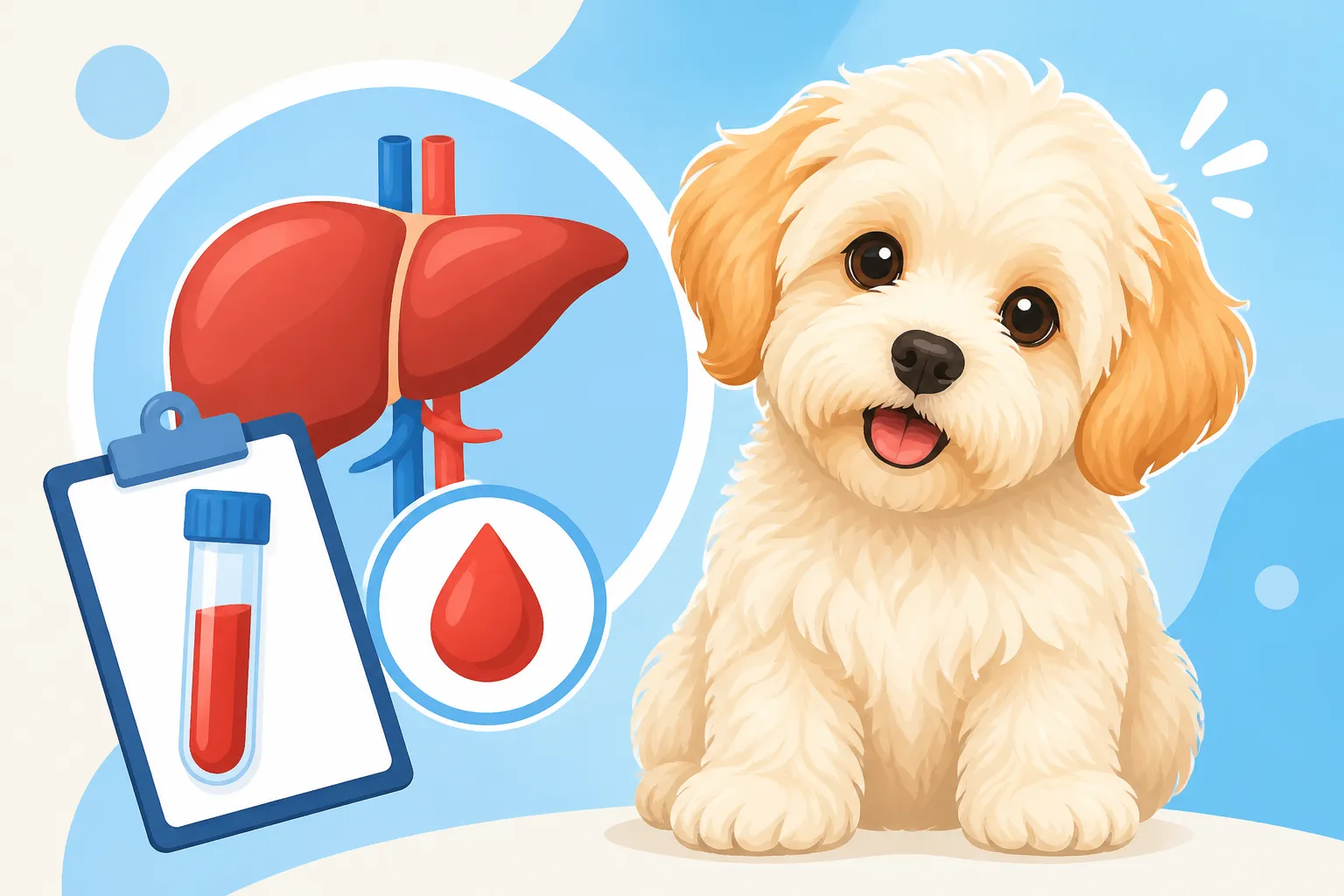
The bile acid test measures the concentration of bile acids in your Maltipoo's blood both before and after a meal. Bile acids are produced by the liver, stored in the gallbladder, and then released into the small intestine to aid in fat digestion. After they've done their job, they're reabsorbed into the bloodstream and sent back to the liver for reprocessing. This cycle is a strong indicator of liver function and blood flow.
Here’s the breakdown of the process:
- Fasting Sample: Your vet will take a blood sample from your Maltipoo after a 10-12 hour fast. This "pre-prandial" (before meal) sample establishes a baseline of bile acid levels when the liver isn't actively reprocessing acids from digestion.
- Meal Time: Immediately after the first blood draw, your Maltipoo will be given a small, fatty meal. This stimulates the gallbladder to release bile acids into the intestine.
- Post-Meal Sample: Two hours after the meal, a second blood sample is taken. This "post-prandial" (after meal) sample shows how efficiently the liver is reabsorbing and processing the bile acids.
If the liver is functioning correctly and blood is flowing through it as it should, the post-meal bile acid levels should be significantly higher than the fasting levels, and then quickly drop back down as the liver reprocesses them. However, if there's a liver shunt, the bile acids bypass the liver, and the levels in the bloodstream will remain abnormally high, indicating that the liver isn't doing its job of clearing them from circulation.
Interpreting the Results: What High Numbers Mean
When your vet receives the bile acid test results, they'll be looking at both the fasting and post-meal numbers. Abnormally high values, particularly in the post-meal sample, are a strong indicator that something is amiss with your Maltipoo's liver function. Elevated bile acids suggest that the liver isn't effectively clearing these compounds from the blood, which is a hallmark of a portosystemic shunt.
However, it's crucial to understand that high bile acid levels don't exclusively mean a liver shunt. Other liver conditions, like microvascular dysplasia (a less severe, non-surgical condition often seen in Maltese and thus potentially Maltipoos) or other liver diseases, can also cause elevated bile acids. This is why the bile acid test is considered a screening test, not a definitive diagnosis. If the results are high, it tells your vet, "We need to investigate this further." It signals the necessity of proceeding with more advanced imaging to truly pinpoint the problem and determine its exact nature.
When and How Often to Test Your Maltipoo
For breeds like Maltipoos that are known to be at risk for congenital liver shunts, the recommendation is often to perform a bile acid test as part of their routine puppy health checks. Many veterinarians suggest doing this between 8 and 16 weeks of age. Some breeders even perform it before puppies go to their new homes, providing peace of mind to buyers. This early testing is vital because congenital shunts are present from birth and symptoms can emerge early or become more pronounced as the puppy grows.
If your Maltipoo has elevated bile acids but no obvious clinical signs, your vet might recommend repeating the test after a few weeks or months. Sometimes, in very young puppies, the liver is still maturing, and results can be borderline. However, don't let this be an excuse to delay; it's always better to be proactive. If initial tests are normal, retesting is usually not necessary unless new symptoms appear later in life. Consistent, proactive care is key to identifying potential issues early, which can also influence the cost and efficacy of potential treatments. Consider how an unexpected diagnosis can affect your finances, and remember that pet insurance providers like Healthy Paws can be a lifesaver for these kinds of conditions, especially if you enroll your puppy early.
Beyond the Bile Acid Test: Further Diagnostic Steps
If your Maltipoo’s bile acid test comes back with elevated levels, don’t panic, but do be prepared to take the next steps. The bile acid test is a powerful screening tool, but it doesn't give a definitive diagnosis or precise location of a shunt. For that, more advanced imaging and sometimes invasive procedures are necessary.
Ultrasound and CT Scans for Confirmation
Once a liver shunt is suspected, the next step usually involves advanced imaging. An abdominal ultrasound is often the first choice because it’s non-invasive and provides a visual of the liver and surrounding blood vessels. A skilled veterinary ultrasonographer can often identify the abnormal vessel bypassing the liver. They look for direct evidence of the shunt, such as a dilated portal vein system leading away from the liver or a visible shunt vessel itself. The liver size and texture can also offer clues, as shunts often lead to an underdeveloped liver.
However, sometimes ultrasounds can be inconclusive, especially if the shunt is very small or located in a difficult-to-visualize area. In these cases, a computed tomography (CT) scan with contrast is considered the gold standard for diagnosis. A CT scan provides highly detailed, three-dimensional images of the abdominal vasculature. By injecting a contrast dye into the bloodstream, veterinarians can clearly visualize the blood flow and definitively confirm the presence, location, and type of liver shunt. This level of detail is crucial for surgical planning, as each shunt can be unique in its anatomical presentation. These more advanced diagnostics will naturally increase the financial commitment, and it's another situation where a comprehensive pet insurance plan, perhaps from a provider like Healthy Paws, can significantly ease the burden.
The Role of Liver Biopsies
While imaging techniques like ultrasound and CT scans are excellent for visualizing the shunt, a liver biopsy can provide additional, valuable information about the overall health and microscopic structure of the liver tissue itself. A small sample of liver tissue is collected, usually under sedation or anesthesia, and then examined by a veterinary pathologist.
A biopsy can reveal changes in the liver cells due to the shunt, such as atrophy (underdevelopment) or fibrotic changes. It can also help differentiate a congenital portosystemic shunt from other liver diseases or conditions like microvascular dysplasia, which might present with similar clinical signs and bile acid elevations but require different management strategies. While not always strictly necessary for confirming the presence of a shunt, a biopsy can offer a more complete picture of the liver's health, which can be helpful in guiding long-term care and prognosis.
Differentiating Liver Shunts from Other Conditions
It's critical to remember that while a high bile acid test is a strong indicator, it doesn't definitively mean a liver shunt. Several other conditions can mimic the symptoms or cause elevated bile acid levels, and differentiating them is key to appropriate treatment.
- Microvascular Dysplasia (MVD): This is a congenital condition, also common in Maltese dogs and therefore Maltipoos, where the small blood vessels within the liver are abnormally formed. Unlike a macroscopic shunt, MVD typically doesn't involve a large, identifiable bypassing vessel. While bile acids can be elevated, and dogs with MVD can show some similar signs (though often less severe), it generally does not require surgical correction. It's often managed with diet and medication. The challenge is that MVD and shunts can sometimes coexist, or MVD can simply be a milder form of the same underlying genetic defect. This is why advanced imaging and sometimes biopsy are essential.
- Hepatic Microvascular Dysplasia (HMVD): This condition, sometimes referred to as portal vein hypoplasia, involves microscopic abnormalities in the liver's blood vessels. It often leads to elevated bile acid levels but doesn't have a shunt that can be surgically corrected. Management focuses on diet and medications to control symptoms.
- Other Liver Diseases: Various other acquired liver diseases, infections, or toxins can also impair liver function and lead to elevated bile acids and clinical signs similar to a shunt. These would require different diagnostic and treatment protocols.
This highlights why working closely with a veterinary specialist, often an internal medicine specialist or a veterinary surgeon, is so important when a liver shunt is suspected. They have the expertise to interpret complex diagnostic results and guide you through the correct path for your Maltipoo.
Living with a Maltipoo Diagnosed with a Liver Shunt
Receiving a diagnosis of a liver shunt can be incredibly overwhelming, but it's important to remember that it's not an immediate death sentence. With proper management and, in many cases, surgical intervention, many Maltipoos can go on to live full, happy lives. However, it requires dedication and resources from the owner.
Medical Management and Dietary Adjustments
For some Maltipoos, particularly those with milder shunts or those awaiting surgery, medical management and dietary adjustments are the primary course of action. The goal is to reduce the production and absorption of toxins, especially ammonia, which is a major culprit in hepatic encephalopathy (the neurological symptoms).
- Low-Protein Diet: This is often the cornerstone of medical management. Protein, when broken down, produces ammonia. By feeding a prescription diet that is specially formulated with moderate, high-quality, digestible protein, the amount of ammonia produced in the gut can be significantly reduced. Brands like Royal Canin Hepatic or Hill's Prescription Diet l/d are commonly prescribed.
- Lactulose: This synthetic sugar is another key medication. It works in two ways: it acidifies the colon, which traps ammonia ions and prevents their absorption, and it also acts as a laxative, speeding up the passage of waste and thus reducing the time for ammonia to be absorbed.
- Antibiotics: Oral antibiotics, such as metronidazole or neomycin, may be prescribed to reduce the population of ammonia-producing bacteria in the gut. This further helps to lower circulating ammonia levels.
- Supplements: Your vet might also recommend B vitamins or other supplements to support liver function.
Medical management is not a cure, but it can significantly improve your Maltipoo's quality of life and stabilize them, making them a better candidate for surgery if that is the chosen path. It's also the long-term solution for dogs where surgery isn't an option or isn't fully curative.
Surgical Options and Prognosis
Surgery is generally considered the definitive treatment for congenital portosystemic shunts. The goal of surgery is to close off or significantly narrow the abnormal blood vessel, forcing the blood to flow through the liver as it should. This allows the liver to grow, develop, and detoxify the blood properly.
There are several surgical techniques:
- Ligation: This involves completely tying off the shunt vessel. However, complete ligation can sometimes lead to a sudden increase in pressure in the portal vein, which can be dangerous.
- Attenuating Devices: More commonly, surgeons use devices like ameroid constrictors or cellophane bands. These devices are placed around the shunt vessel and gradually close it over weeks or months. This allows the liver and portal system to adapt slowly to the increased blood flow, reducing the risk of complications.
The success rate of shunt surgery is generally very good, especially when performed early by an experienced veterinary surgeon. Many dogs go on to live normal, healthy lives without the need for lifelong medication. However, some may still require dietary modifications or occasional medication. Whether Shunt Surgery Works on a Maltipoo often depends on the type, location, and severity of the shunt, as well as the dog's overall health before surgery. The costs associated with such specialized surgery are substantial, highlighting again why pet insurance, potentially with a provider like Healthy Paws, can be an invaluable asset for Maltipoo owners.
The Emotional and Financial Impact on Owners
A diagnosis of a liver shunt carries a significant emotional and financial toll. Emotionally, it's heart-wrenching to know your tiny companion is facing such a serious health challenge. The worry, the stress of making complex medical decisions, and the hope for a positive outcome can be incredibly draining. Supporting your Maltipoo through recovery, whether medical or surgical, requires immense patience and dedication.
Financially, the costs can be daunting. Initial diagnostics, including bile acid tests, ultrasounds, and CT scans, can quickly add up to hundreds or even thousands of dollars. If surgery is recommended, What Shunt Surgery Costs on a Maltipoo can range from $5,000 to $10,000 or more, depending on the complexity of the shunt, the specialist veterinary hospital, and the region. This doesn't include follow-up care, medications, or specialized prescription diets. It’s a stark reminder of What an Emergency Sugar Crash Costs a Maltipoo Owner or other unforeseen health issues that can arise.
This is where planning ahead with pet insurance can make a world of difference. Comprehensive pet insurance plans, like those offered by Healthy Paws, can help cover a significant portion of these unexpected costs, allowing you to focus on your Maltipoo's recovery rather than the daunting bills. It’s definitely something to consider when you first bring home your puppy, as pre-existing conditions are typically not covered. Thinking about pet insurance before health issues arise is one of the most proactive steps you can take as a responsible Maltipoo owner.
| Test/Procedure | Purpose | Typical Cost Range (USD) | Remarks |
|---|---|---|---|
| Bile Acid Test | Initial screening for liver dysfunction | $150 – $300 | Two blood samples (fasting & post-meal); highly recommended for at-risk breeds. |
| Abdominal Ultrasound | Visualize liver, portal vessels, and shunt | $300 – $800 | Non-invasive; often the first imaging step if bile acids are elevated. |
| CT Angiography | Definitive diagnosis, shunt location & type | $1,500 – $3,500+ | Gold standard for surgical planning; requires general anesthesia and contrast agent. |
| Liver Biopsy | Assess liver tissue health, rule out MVD | $300 – $800+ | May be performed during surgery or via ultrasound guidance. |
| Shunt Surgery | Surgical correction (ligation/attenuation) | $5,000 – $10,000+ | Highly specialized procedure, costs vary based on complexity and location. |
| Medications | Lactulose, antibiotics, specialized diet | $50 – $200+/month | Lifelong in some cases, or pre/post-operative. |
Disclaimer
The information provided in this article is intended for general informational purposes only and does not constitute veterinary medical advice. Always consult with a qualified veterinarian for any health concerns or before making any decisions about your Maltipoo's medical care.