Whether a Black Maltipoo Comes From the Poodle
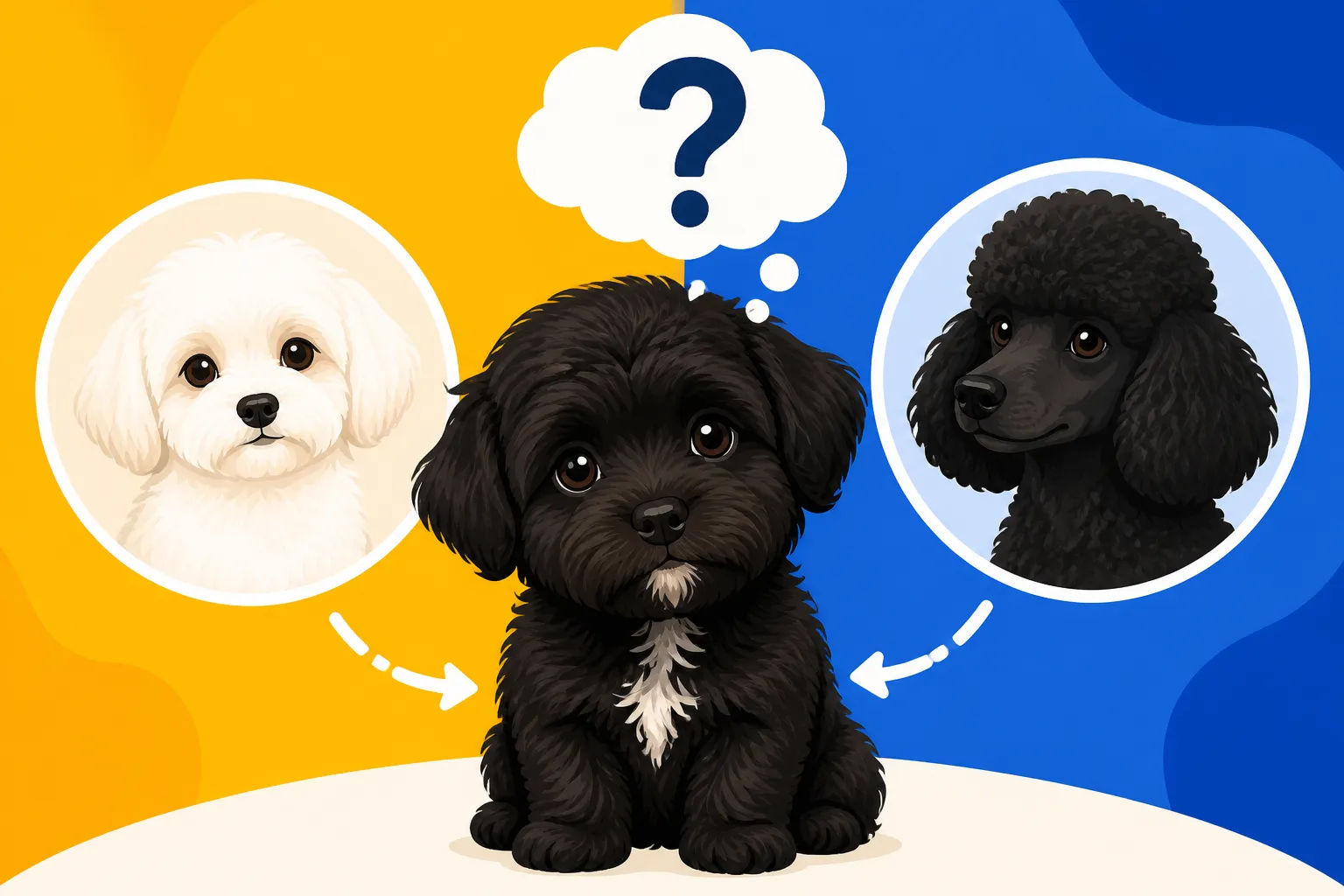
One of the most exciting, and sometimes confusing, aspects of bringing a Maltipoo into your life is their incredible range of coat colors. If you've ever found yourself wondering where a stunning black Maltipoo gets its dark, glossy fur, you're not alone! It’s a common question, especially since one of their parent breeds is almost exclusively white. This guide will delve deep into the fascinating genetics behind Maltipoo colors, focusing on why the Poodle parent is overwhelmingly responsible for those beautiful black coats.
Understanding Maltipoo Color Genetics: The Poodle's Dominant Influence
When you look at a Maltipoo, you're essentially seeing a beautiful blend of two distinct breeds: the elegant Maltese and the intelligent Poodle. Each parent contributes a genetic blueprint, but when it comes to coat color, the Poodle often plays the starring role. The sheer diversity of colors found in Poodles means they carry a much wider spectrum of color genes, which then get passed down to their Maltipoo offspring.
The Basics of Poodle Coat Colors
Poodles are celebrated for their vast array of coat colors. It’s one of their defining characteristics, truly. Unlike many breeds that stick to a very narrow color palette, Poodles come in just about every shade imaginable, from solid blacks, whites, and creams to vibrant reds and apricots, and even more complex patterns like phantoms and partis. This genetic richness means that a Poodle parent can bring a veritable rainbow of possibilities to a Maltipoo litter.
Think about it: a Poodle can be born solid black, solid white, silver, blue (a dilute black), brown, cafe au lait (a dilute brown), red, or apricot. And that's just the solid colors! They also carry genes for different patterns, like phantom (where there are specific tan points on a dark base, like a Rottweiler or Doberman) or parti (which means patches of color on a white base). When a Poodle with this kind of genetic makeup breeds with a Maltese, which has a very limited color palette, the Poodle's genes have a lot more opportunity to express themselves, leading to the diverse coats we see in Maltipoos. This is a big part of Why a Maltipoo Comes in Colors a Maltese Never Does.
Why Black is a Common Poodle Trait
Within the Poodle gene pool, black is a very strong and common color. It’s often considered a dominant trait in Poodles, meaning that even if only one parent carries the gene for black, there's a good chance some of their puppies will inherit it. You might have a Poodle parent who is, say, a deep red, but if they carry a hidden black gene (meaning they have one black allele and one red allele), they can still produce black puppies when paired with another dog carrying a black gene.
This genetic principle is crucial to understanding the black Maltipoo. The presence of the black gene in the Poodle side of the family is what allows that rich, dark pigment to appear. Without it, you wouldn't get a black Maltipoo at all. It's a straightforward genetic hand-off, where the Poodle's predisposition for various colors, including black, completely overshadows the Maltese's singular color offering. So, if you've seen a striking solid black Maltipoo, you can be almost certain that deep hue came directly from their Poodle heritage.
The Maltese Contribution: Limited but Present
The Maltese half of your Maltipoo's genetic equation is equally important in shaping the overall dog, but their role in color inheritance is much more straightforward. Where the Poodle offers a kaleidoscope of possibilities, the Maltese contributes a singular, unwavering shade.
The Pure White Maltese
Historically and genetically, Maltese dogs are known for one thing when it comes to color: pure white. Their breed standard across all major kennel clubs specifies a solid white coat. This isn't just a preference; it's deeply ingrained in their genetic makeup. They carry genes that suppress all other colors, resulting in that iconic, snowy appearance. You'll rarely, if ever, see a purebred Maltese that isn't white.
This consistency means that a Maltese parent, while contributing many wonderful traits like sweetness, affection, and that stunning, silky hair, brings virtually no color diversity to the Maltipoo equation beyond white. They don't carry genes for black, brown, red, or any patterns. Their genetic contribution to coat color is effectively a blank slate, always defaulting to white. This is a fundamental difference when you consider The Maltese and the Poodle Behind Every Maltipoo.
How Maltese Genetics Impact a Black Maltipoo
So, if the Maltese is always white, how does that affect a black Maltipoo? Simply put, the Maltese's pure white genetics don't add black, but they don't prevent it either. Because the Maltese doesn't introduce competing color genes (like red or brown) or patterns (like merle or brindle), the Poodle's color genes are given free rein to express themselves.
Imagine the Maltese as a transparent canvas. Whatever vibrant colors the Poodle genes carry, whether it's black, apricot, or phantom, they are free to show up on that canvas without interference from the Maltese side. This means that if the Poodle parent carries the dominant black gene, there's nothing in the Maltese's genetic code to override it. It's less about the Maltese contributing to the black color, and more about it providing an open pathway for the Poodle's black gene to shine through. This genetic interplay is why you get such varied results in Maltipoo litters, ranging from pure white, like the Maltese, to deep black, like some Poodles. For more on the Maltese contribution, you might be interested in Whether a Maltipoo Gets Its Color From the Maltese.
The Black Maltipoo: A Poodle's Legacy
The answer to the central question is a resounding yes: a black Maltipoo almost entirely owes its dark coat to its Poodle ancestry. It’s a direct inheritance, a clear testament to the powerful genetic influence of the Poodle breed on the Maltipoo’s appearance.
When a Maltipoo is Born Black
When a Maltipoo puppy is born with a solid black coat, it’s a clear indication that the Poodle parent contributed the dominant black gene. This isn't usually a mix of black and white from both parents blending into a gray; it's a direct inheritance of the black pigment. Breeders who aim for specific colors, or those who simply know their parentage, can often predict the likelihood of black puppies based on the Poodle's genetic background.
It's a beautiful thing to witness, a tiny ball of midnight fluff exploring its surroundings. However, it's also worth noting that what starts as a jet black coat in puppyhood might not stay that way forever. Poodles, and therefore Maltipoos, can carry "fading" genes, which means a truly black coat can sometimes "clear" or lighten over time to a softer charcoal, blue-black, or even a silver. This phenomenon of color change is another Poodle characteristic, and it's something to be aware of when you bring home a black Maltipoo puppy, as discussed in Whether a Maltipoo's Color Changes as It Grows.
Other Poodle-Influenced Colors in Maltipoos
While we're focusing on black, it's important to remember that the Poodle's genetic influence extends to all the other non-white colors you see in Maltipoos. Any shade beyond pure white – whether it's a creamy apricot, a rich red, a deep chocolate, or even the more exotic phantom or parti patterns – comes from the Poodle side.
Take for instance, the popular apricot or red Maltipoos. These vibrant hues are directly inherited from Poodles, which are well-known for their strong red and apricot lines. Similarly, if you encounter a Maltipoo with distinctive markings, like the "eyebrows" and chest patches of a phantom pattern, or the striking patches of a parti coat, those intricate designs are also gifts from the Poodle's diverse genetic palette. For examples of these, you can explore The Phantom Maltipoo or The Parti Maltipoo. This genetic contribution is what makes Maltipoo litters so visually diverse, a stark contrast to the uniformity of purebred Maltese litters. It truly shows the genetic dominance of the Poodle in terms of color expression. In fact, if you're curious about the most common colors, What Color Most Maltipoo Puppies Are might shed some light.
What to Expect from a Black Maltipoo's Coat
A black Maltipoo’s coat isn't just about its color; it also carries the Poodle's legacy in terms of texture and maintenance. Understanding these aspects is crucial for any owner, ensuring your dark-coated companion always looks their best. The care requirements are similar to other Maltipoo colors, but there are a few nuances to be aware of.
Coat Texture and Maintenance for a Black Maltipoo
The Maltipoo coat is famously low-shedding, a desirable trait inherited from both the Maltese and the Poodle. However, "low-shedding" doesn't mean "no maintenance." In fact, it means quite the opposite! The coat type can vary – some Maltipoos get a The Wavy Maltipoo Coat, others a curlier texture closer to a Poodle, or even a straighter, silkier coat. Regardless of texture, a black Maltipoo's coat will require consistent attention to prevent matting. Those luxurious locks, especially a dark, dense coat, can tangle quickly if not brushed daily.
Regular brushing, ideally with a slicker brush and a metal comb, is non-negotiable. This helps remove any loose hair (even low-shedding dogs have some hair turnover) and prevents mats from forming close to the skin. Mats, especially on a thick, dark coat, can hide and cause skin irritation. Professional grooming every 4-8 weeks is also essential. Your groomer can give your black Maltipoo a stylish puppy cut or teddy bear trim, keeping their coat manageable and healthy. Products like detangling sprays or a good quality shampoo and conditioner, easily found at places like Chewy, can make bath time and brushing a much smoother experience.
Fading and Color Changes in Black Maltipoos
As mentioned earlier, one interesting characteristic inherited from the Poodle side is the possibility of a black coat changing color over time. Many black Poodles and Maltipoos carry a "fading gene" or a "clearing gene" that causes the deep black to lighten as they mature. This isn't a sign of poor health; it's just how their genetics express themselves. A jet black puppy might, by the age of one or two, become a lovely blue-black, a soft charcoal gray, or even a striking silver. This can be a delightful surprise, or a minor adjustment for owners who were set on a permanent solid black.
This color change is a complex genetic phenomenon, often linked to the 'G' locus (for progressive graying) or the 'B' locus (for brown dilution) genes in Poodles. It's not always predictable in puppies, but an experienced breeder might have insights based on the Poodle parent's lineage. While it's largely genetic, maintaining a healthy coat with good nutrition and avoiding excessive sun exposure can help preserve color depth. Just know that if your black Maltipoo starts to lighten, it's a natural Poodle-inherited process, rather than something you've done wrong. This genetic trait is why learning about How Many Months a Maltipoo's Coat Change Runs can be so helpful for new owners. The beautiful thing is, regardless of whether they stay jet black or transition to a softer hue, they remain utterly charming.
Disclaimer
This article is for general informational purposes only and does not constitute professional advice. Laws, prices and regulations vary by location and change over time. Consult a qualified professional for guidance on your specific situation.