Whether a Two Pound Maltipoo Is Healthy
Bringing home a tiny Maltipoo, especially one weighing in at just two pounds, can fill you with both immense joy and a deep sense of worry. Many owners find themselves constantly on edge, wondering if their miniature companion is truly healthy or if they're sitting on a ticking time bomb of potential health issues. This guide is here to unravel the complex reality of owning a very small Maltipoo, detailing the specific health challenges they face and offering realistic, empathetic advice to help you provide the best possible care.
Understanding the Reality of a Two-Pound Maltipoo
When you fall in love with a tiny, fluffy Maltipoo puppy, it’s easy to get swept away by their undeniable cuteness. Breeders often market these smaller dogs as "teacups" or "micro Maltipoos," suggesting a desirable, rare trait. However, for many dogs under four pounds, this diminutive size can come with a host of significant health considerations that extend far beyond their puppyhood. It's not just about fitting in a teacup; it’s about whether their tiny bodies can function robustly throughout their lives. The truth is, a two-pound adult Maltipoo is often an extreme on the size spectrum, and while some may beat the odds, many are inherently more fragile and prone to complications than their slightly larger counterparts. It's a reality that can be incredibly frustrating for devoted owners who just want their beloved pet to thrive.
The genetics at play are often a roll of the dice. While a Maltipoo is a cross between a Maltese and a Poodle, two breeds known for their small stature, breeding for extremely small sizes can sometimes inadvertently select for less robust traits. It’s not uncommon for these tiny individuals to be runts of the litter or the result of breeding two already very small, sometimes less healthy, parents. You might assume a smaller dog is just a miniature version of a healthy one, but it’s more complex than that. Their organ systems, bones, and metabolic processes are all scaled down, often leaving less margin for error when faced with stress, illness, or even just daily life. Understanding this foundational truth is the first step in preparing for the unique care a two-pound Maltipoo demands.
Immediate Health Challenges of a Tiny Maltipoo
The first few months, and indeed years, with a two-pound Maltipoo can feel like walking on eggshells. Their extreme smallness means they are particularly vulnerable to certain conditions that are less common or less severe in larger dogs. These aren't just minor inconveniences; they can be life-threatening if not recognized and managed promptly.
Hypoglycemia Risks
One of the most pressing concerns for very small puppies, and sometimes even adult dogs under four pounds, is hypoglycemia, or dangerously low blood sugar. A Maltipoo's tiny body has very little energy reserve, and their liver isn't always efficient at storing glycogen, which is crucial for maintaining stable blood sugar levels. Missing even a single meal can send a tiny puppy into a sugar crash, which is why understanding why a two-pound Maltipoo cannot skip a meal is absolutely vital.
Symptoms of a hypoglycemic episode can come on quickly and be terrifying to witness. Your lively, playful puppy might suddenly become lethargic, weak, disoriented, or even start trembling. In severe cases, they can collapse, have seizures, or fall into a coma. Many owners struggle with the constant anxiety of preventing these episodes, diligently sticking to a strict feeding schedule and always having an emergency sugar source like Nutri-Cal or Karo syrup on hand. It's a constant vigilance that can feel overwhelming, especially for new Maltipoo parents. The good news is that many puppies do grow out of the most acute risk phase for hypoglycemia around 4-6 months, but for some, particularly those under three pounds, the risk persists longer. You might wonder whether a Teacup Maltipoo ever stops being at risk, and for some, the answer is unfortunately no, or at least not entirely.
Temperature Regulation Difficulties
Another significant challenge for a two-pound Maltipoo is regulating their body temperature. Their small mass means they lose heat much faster than larger dogs, making them highly susceptible to getting cold easily, even indoors. This isn't just about comfort; prolonged cold can be dangerous, potentially leading to hypothermia, which can depress their immune system and exacerbate other health issues.
Owners often find themselves constantly monitoring room temperature, dressing their tiny companions in sweaters or coats even inside the house, and ensuring they have warm, cozy sleeping areas. When you see your tiny Maltipoo shivering, it’s not always a sign they’re cold, but it’s definitely a signal to check their environment and body temperature. Conversely, they can also overheat quickly if left in direct sun or a warm car, as their small bodies struggle to dissipate heat effectively. It's a delicate balance that requires constant attention and proactive measures, adding another layer of daily management that owners of larger dogs might not even consider.
Fragility and Injury Risk
The smaller a Maltipoo, the more delicate their bone structure, making them incredibly prone to injuries from even seemingly minor incidents. A two-pound Maltipoo’s bones are indeed thinner than normal, making falls from a sofa, a bed, or even a child accidentally dropping them, potentially catastrophic.
Accidents that would merely startle a larger dog can result in broken bones or severe internal injuries for a tiny Maltipoo. This means owners must be hyper-vigilant about their environment, ensuring safe access to furniture with ramps or steps, and closely supervising interactions with children or other pets. The fear of injury is a constant background hum for many owners, impacting how they allow their dog to play and move around the house. It's a heartbreaking reality that a simple misstep could lead to an emergency vet visit, and potentially significant expenses.
Long-Term Health Concerns and Daily Care Implications
Beyond the immediate puppy challenges, a two-pound Maltipoo often faces a higher likelihood of developing certain chronic health issues throughout their life. These conditions require ongoing management, which can be emotionally and financially demanding.
Skeletal and Joint Issues
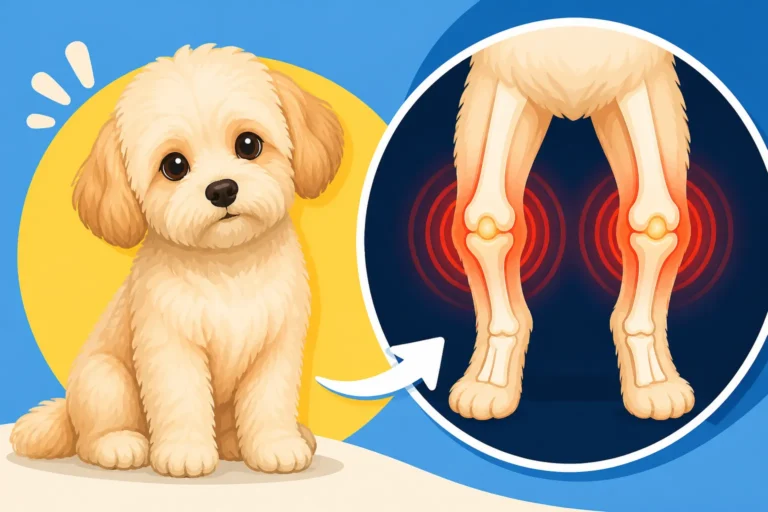
Despite their small size, Maltipoos are prone to certain orthopedic problems, particularly patellar luxation, or slipping kneecaps. While this can affect Maltipoos of all sizes, the fragile structure of a very small dog can make them more susceptible or make the condition more severe. The age a Maltipoo's kneecap first slips can be quite young, and you might notice a skip in their walk that indicates a problem. This condition often requires surgical correction, which can be daunting, especially when considering whether a Maltipoo's kneecap needs operating.
Another less common but severe orthopedic issue is Legg-Calve-Perthes disease, a condition affecting the hip joint that can lead to lameness. The delicate nature of their joints also means that activities like jumping for toys or navigating stairs can put undue stress on their tiny bodies. Many owners invest in pet steps or ramps for furniture to protect their Maltipoo’s joints, even if it feels a little excessive. This proactive approach is crucial in trying to prevent painful and costly injuries down the line.
Dental Health Challenges
Maltipoos, like many small breeds, are notorious for dental problems, and a two-pound Maltipoo is no exception. Their mouths are simply too small for the forty-two teeth crowding a Maltipoo's jaw, leading to overcrowding, malocclusion, and a rapid buildup of tartar. This isn't just an aesthetic issue; poor dental hygiene can lead to severe gum disease, infections, and even systemic health problems. Many wonder whether dental disease shortens a Maltipoo's life, and sadly, the answer can be yes if left untreated, as bacteria from severe dental infections can enter the bloodstream and affect major organs.
The reality for many tiny Maltipoos is that they may need dental cleanings under anesthesia every year or two, sometimes even starting as young as two or three years old. This involves meticulous care, including daily tooth brushing, using dental chews suitable for their tiny jaws, and being vigilant about bad breath or redness in their gums. The cost of these routine dental procedures, let alone extractions for severely impacted or diseased teeth, can add up quickly. It's a significant commitment that often catches new owners by surprise.
| Health Concern | Common for Small Maltipoos (Under 4 lbs) | Risk Level | Key Management Strategy |
|---|---|---|---|
| Hypoglycemia | Yes, especially as puppies | High | Frequent, consistent feeding; emergency sugar source. |
| Hypothermia | Yes | Moderate to High | Keep warm, sweaters, regulated indoor temps. |
| Bone Fractures | Yes | High | Limit jumping, supervision, pet steps/ramps. |
| Patellar Luxation | Yes | Moderate | Joint supplements (vet-approved), cautious exercise. |
| Dental Disease | Yes | High | Daily brushing, regular vet dental cleanings. |
| Anesthesia Risk | Yes | Elevated | Pre-anesthetic bloodwork, experienced vet, careful monitoring. |
Anesthesia Risks
Any veterinary procedure requiring anesthesia can be particularly nerve-wracking for owners of tiny Maltipoos. The concern is entirely valid, as whether a Maltipoo under four pounds survives anesthesia is a serious consideration. Their small size makes them more sensitive to anesthetic agents, more prone to rapid changes in body temperature during surgery, and their tiny veins can make IV access and monitoring more challenging.
This means that any vet care, from routine dental cleanings to potential emergency surgeries, carries an elevated risk. It's crucial to choose a veterinarian experienced with tiny breeds, one who uses specialized monitoring equipment and takes extra precautions. They should perform thorough pre-anesthetic bloodwork and have a dedicated team for monitoring during and after the procedure. This often means higher costs for these services, but it’s a necessary investment in your tiny companion's safety. When you consider the financial side, having pet insurance like Healthy Paws can truly be a lifesaver, helping cover these specialized needs without you having to choose between your wallet and your pet's health.
Mitigating Risks and Providing Optimal Care
Despite the challenges, a two-pound Maltipoo can live a full and loving life with dedicated care. It's about being proactive, informed, and ready to meet their unique needs.
Nutrition and Feeding Schedule
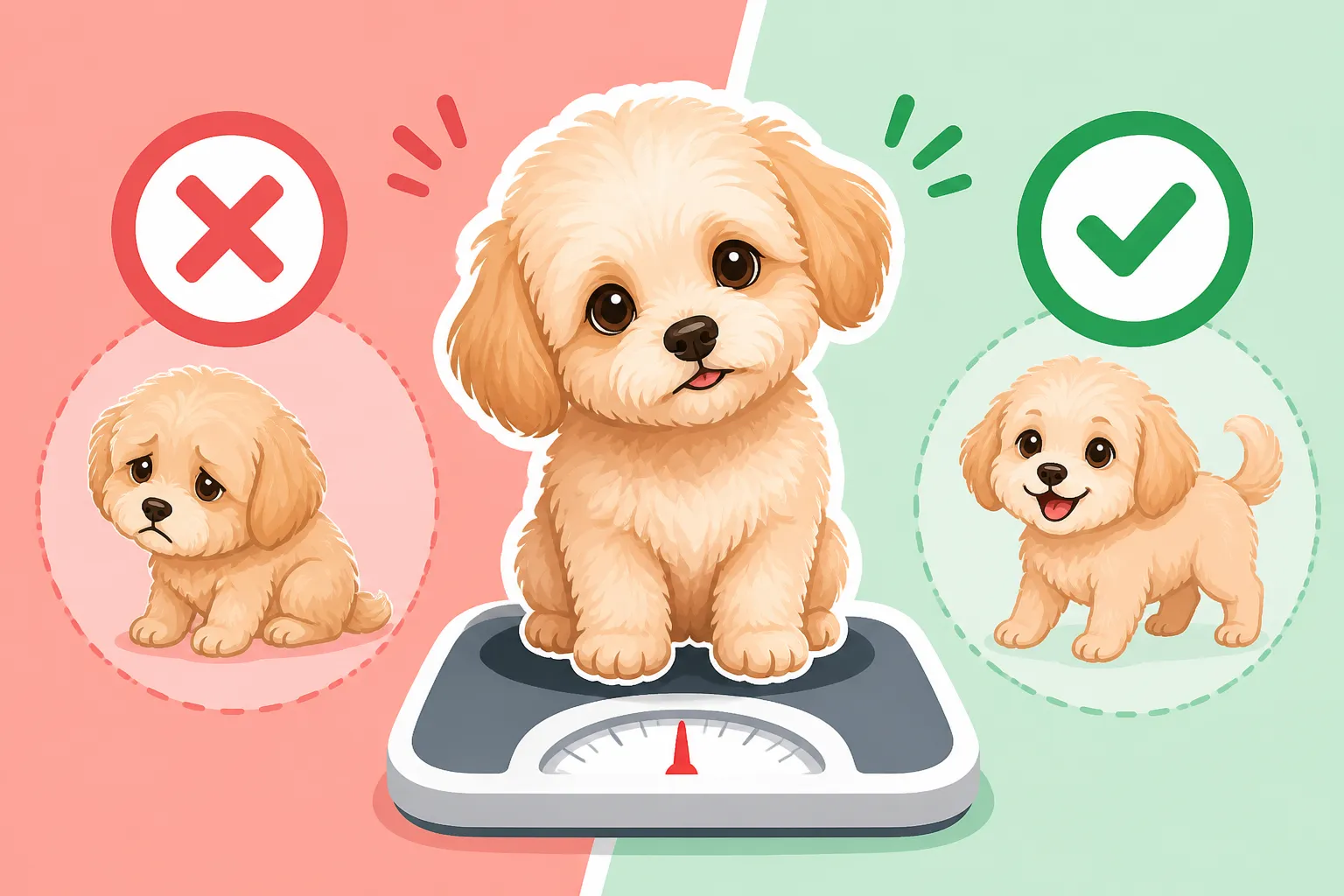
Because of their propensity for hypoglycemia, a precise and consistent feeding schedule is paramount. For young puppies, this might mean feeding every 3-4 hours, potentially even overnight, until their blood sugar regulation matures. Even as adults, a two-pound Maltipoo will likely need to be fed 3-4 small meals a day rather than two larger ones. It's less about the volume in a scoop and more about feeding a six-pound Maltipoo by the ounce, or even for a two-pounder, by a precisely measured tiny amount.
Choosing high-quality, small-breed specific kibble is also important, as the kibble size should be manageable for their tiny mouths and jaws. Monitoring their weight meticulously is essential to ensure they're getting enough calories without becoming overweight, which can exacerbate joint problems and other health issues. This constant attention to diet is a key component of preventing many of the immediate health crises tiny Maltipoos can face.
Environmental Adjustments and Safety
Your home environment needs to be tailored to a two-pound Maltipoo's delicate nature. This means minimizing opportunities for falls and accidental injuries. Use pet stairs or ramps for sofas and beds, block off areas where they could fall or get trapped, and ensure all family members understand how to safely handle your tiny friend. If you have other pets or small children, supervision is non-negotiable. A happy home for a tiny Maltipoo often looks a bit different, with more gates, fewer high jumps, and a constant awareness of their presence.
Keeping them warm is also vital. In colder climates, or even in air-conditioned homes, a sweater or a cozy blanket in their bed can make a big difference. When venturing outdoors, especially in winter, protective clothing and even paw protection might be necessary, as a Maltipoo will get cold easily.
Regular Veterinary Care and Preventative Measures
Consistent and thorough veterinary care is the cornerstone of managing a two-pound Maltipoo's health. This isn't just about reacting to problems; it's about preventative care. Regular wellness check-ups, often yearly, are crucial for catching potential issues early. Your vet will monitor their weight, dental health, joint health, and discuss any changes in behavior or appetite. The yearly checks a Maltipoo should get are even more critical for these smaller dogs.
Don't hesitate to discuss all your concerns with your vet, no matter how small they seem. They can provide guidance on appropriate diet, exercise, dental care, and answer questions like whether a Maltipoo can be injured by a fall. Having a reliable pet insurance plan in place, like one from Healthy Paws, before any significant health issues arise, can alleviate a huge amount of stress when those inevitable vet bills appear. It's an investment in peace of mind, knowing you can provide the best care without financial strain.
A two-pound Maltipoo requires an extraordinary level of commitment and vigilance, but the bond you form with these precious, fragile companions is often incredibly deep and rewarding. By understanding their unique needs and being prepared for the challenges, you can help your tiny Maltipoo thrive.
Disclaimer
The information provided in this article is for educational purposes only and is not a substitute for professional veterinary advice. Always consult with a qualified veterinarian for any health concerns or before making any decisions about your pet's medical care.