What Breeding Runts Together Does to a Maltipoo Line
It’s a truly captivating image, isn’t it? That impossibly tiny Maltipoo puppy, fitting snugly in the palm of your hand, often marketed as a "teacup" or "micro" size. The desire for a miniature companion is completely understandable, but sometimes, in the pursuit of extreme smallness, breeders resort to practices that carry significant risks. This guide will unmask the serious health implications that arise when Maltipoo lines are perpetuated through the breeding of runts, helping you understand the real, hidden price of an unnaturally petite dog.
The Allure of Miniature Sizes and the Runt Dilemma
Let's be honest, there's a huge appeal to a dog so small it feels like a perpetual puppy. The term "teacup Maltipoo" conjures up images of delicate, dainty pets that can accompany you everywhere. But this intense demand for tiny dogs has unfortunately led to some concerning breeding practices. Many people aren't even aware that "teacup" isn't an officially recognized size; it's a marketing term used to describe a Maltipoo that falls into the lowest weight ranges, typically under five pounds.
What exactly is a "runt"? In any litter, a runt is the smallest puppy, often weaker, slower to develop, or less vigorous than its littermates. While some runts grow up to be perfectly healthy, many are small due to underlying health issues, developmental delays, or simply not getting enough nutrition in the womb or during early nursing. The problem arises when breeders intentionally seek out and breed these already compromised smaller dogs together, or breed dogs that are themselves the product of generations of selecting for the smallest possible size, regardless of health. This practice goes beyond simply selecting smaller healthy parents; it actively seeks out the genetic lottery winners of tiny size, even if that size is indicative of fragility. It’s a frustrating situation because often, when you’re looking for a puppy, you might not fully grasp What Teacup Actually Means on a Maltipoo until later, or you might not consider Whether a Teacup Maltipoo Is Just a Runt to be a red flag.
The Genetic Ramifications of Prioritizing Small Size
The core issue with breeding runts together, or breeding solely for extreme smallness, is that it invariably concentrates undesirable genetic traits and reduces genetic diversity. When you prioritize one characteristic above all others – in this case, diminutive size – you often inadvertently amplify other, less desirable ones.
Imagine a scenario where a breeder has a tiny female Maltipoo, perhaps 4 pounds, and pairs her with an equally small male, also 4 pounds. On the surface, it seems logical if you want small puppies. However, if these parents are small not because of robust, healthy genetics that naturally produce a toy size, but because they are themselves the smallest, weakest links in their respective lines, then you're rolling the dice with their offspring. You're taking genes for smaller size, but also potentially genes for weaker bones, underdeveloped organs, or a compromised immune system, and doubling down on them.
This isn't about natural selection; it's about artificial selection that can be detrimental. Over generations, this practice can lead to a lineage of Maltipoos that are not just small, but inherently fragile. Their bodies might struggle to function optimally because their internal systems are simply scaled down too far or developed imperfectly. It creates a genetic bottleneck, where the pool of healthy genes shrinks, making the entire line more susceptible to various inherited conditions that would be less common or severe in a more robustly bred Maltipoo. This is often the real, hidden cost of What Breeding Smaller Costs a Maltipoo.
Specific Health Challenges Exacerbated by Runt Breeding
When you breed for extreme smallness, especially through runts, you significantly increase the risk and severity of several common health issues that already affect smaller dog breeds. It's not just about a cute, tiny package; it's about the complex biology packed into that small frame.
Increased Risk of Hypoglycemia
One of the most immediate and dangerous concerns for tiny Maltipoos, particularly those from runt lines, is hypoglycemia, or dangerously low blood sugar. Smaller dogs, especially puppies, have very little body fat and muscle reserves to store glucose. Their tiny livers aren't as efficient at regulating blood sugar, and their high metabolism burns calories quickly. If they miss a meal, get stressed, or exert too much energy, their blood sugar can plummet rapidly. This can lead to lethargy, disorientation, seizures, and even death if not promptly treated. This is why understanding Hypoglycemia and the Teacup Maltipoo Puppy is so critical for owners of very small Maltipoos.
Fragile Bones and Joint Issues
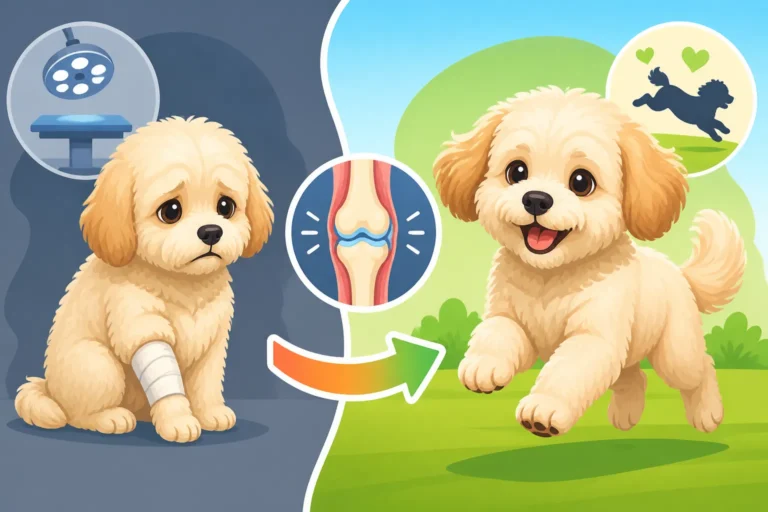
Smaller bones, particularly in dogs bred for extreme delicacy, can be more brittle and prone to fractures. A seemingly innocent jump off a sofa, or even being accidentally stepped on, can result in a broken leg or severe injury. Beyond immediate fractures, patellar luxation, or "slipping kneecaps," is a common problem in Maltipoos and other small breeds. In dogs bred for extreme smallness, the structures supporting the knee joint can be even weaker or malformed, increasing the likelihood and severity of this condition. These dogs often require surgery to correct Slipping Kneecaps in a Maltipoo, which can be a significant expense and a long recovery process.
Organ Development and Function Anomalies
Very small dogs can also suffer from underdeveloped or malformed internal organs. One prominent example, particularly relevant given the Maltese ancestry, is a portosystemic shunt, often called a liver shunt. This is a condition where blood bypasses the liver, preventing toxins from being filtered out. While shunts can occur in any dog, they can be more prevalent or severe in lines bred for extreme smallness. It's a serious condition that requires complex surgery or lifelong dietary management. This is directly related to The Liver Shunt a Maltipoo Can Inherit From the Maltese.
Respiratory Sensitivities
The delicate respiratory systems of tiny dogs are also more vulnerable. Tracheal collapse, a condition where the windpipe weakens and flattens, causing a chronic cough and breathing difficulties, is common in small breeds. In Maltipoos bred for extreme tininess, this structure can be even more fragile, making them susceptible to more severe or earlier onset of Collapsing Trachea in a Maltipoo's Neck. This can significantly impact their quality of life and often requires ongoing medication or, in severe cases, surgical intervention.
Severe Dental Crowding
A classic issue in many small breeds, exacerbated by breeding for smaller heads and jaws, is dental crowding. A Maltipoo typically has 42 adult teeth, just like a much larger dog, but those teeth are crammed into a proportionally tiny jaw. This leads to a host of problems: retained baby teeth, overcrowding, misalignment, and increased plaque and tartar buildup, which quickly leads to periodontal disease. This impacts The Forty Two Teeth Crowding a Maltipoo's Jaw and often requires extensive dental care, including extractions, early in life.
Difficulty Regulating Body Temperature
With less body mass and fat, extremely small Maltipoos struggle to regulate their body temperature efficiently. They can get cold very easily, even indoors, and are also prone to overheating in warm weather if not carefully monitored. Their systems are simply less robust at maintaining homeostasis.
These are not minor inconveniences; they are significant health challenges that can lead to chronic illness, pain, and a shortened lifespan for a Maltipoo. This is why considering pet insurance, like a policy from Healthy Paws, early on is paramount. It can help cushion the financial blow if your tiny companion faces these common issues.
To give you a clearer picture, here's a quick overview of some common health concerns related to breeding for extreme smallness:
| Health Concern | Impact of Breeding for Smallness | What to Watch For |
|---|---|---|
| Hypoglycemia | Greatly increased risk due to minimal energy reserves and inefficient metabolism. | Lethargy, disorientation, tremors, weakness, unresponsiveness. |
| Patellar Luxation | Exacerbated by weaker bone structure and joint instability; higher likelihood and severity. | Skipping steps, limping, holding leg up, pain when moving. |
| Liver Shunt | Higher incidence or increased severity of congenital shunts due to genetic predisposition. | Poor growth, neurological signs (staring, circling), vomiting, diarrhea. |
| Tracheal Collapse | More delicate and fragile windpipes, increasing susceptibility to collapse. | Honking cough (like a goose), difficulty breathing, exercise intolerance. |
| Dental Crowding | Jaws are too small for a full set of 42 teeth, leading to severe overcrowding and gum disease. | Bad breath, painful eating, missing or retained baby teeth, brown tartar. |
| Temperature Regulation | Less body mass and fat reserves make them prone to getting too cold or overheating easily. | Shivering, seeking warmth, lethargy (cold); panting, restlessness (heat). |
Making Informed Choices and Supporting Responsible Breeding
The good news is that you, as a prospective Maltipoo owner, have the power to influence breeding practices through your choices. Prioritizing health, temperament, and ethical breeding practices over superficial traits like extreme smallness is crucial.
Prioritizing Health Over Size
When looking for a Maltipoo, resist the urge to seek out the absolute smallest puppy. A Maltipoo that falls within the established "toy" range (typically 5-10 pounds) or even "miniature" range (10-20 pounds) is often a much healthier, more robust dog with fewer inherent vulnerabilities. While it might not fit in a teacup for long, it will likely live a longer, happier, and healthier life, which is ultimately what we all want for our companions. It truly makes a difference in The Twelve to Fifteen Years a Maltipoo Lives when they start life on a healthy foundation. Considering Whether a Bigger Maltipoo Is the Safer Buy is often a smart move for long-term well-being.
Thorough Breeder Vetting
This cannot be stressed enough: choose your breeder wisely. A responsible breeder will prioritize the health and temperament of their dogs above all else. They will:
- Be transparent about parent health: Ask to see the health clearances for both parents, not just a vague assurance. They should be able to discuss genetic testing results for conditions common in Maltese and Poodles, such as patellar luxation, eye conditions, and liver shunts. For instance, reputable breeders will often provide documentation of their dogs' patella grades. You might want to ask Whether a Maltipoo Breeder Should Show Patella Grades and Whether a Maltipoo Breeder Should Bile Acid Test to ensure they are screening for these issues.
- Have a comprehensive health guarantee: A good health guarantee extends beyond a few days, often covering genetic health issues for the first year or two of the puppy's life. Understand What a Maltipoo Health Guarantee Should Say before you commit.
- Allow you to visit: Reputable breeders welcome visits to their home or facility to meet the parents and see the living conditions. This provides invaluable insight into the care and socialization the puppies receive.
- Ask you questions: A good breeder isn't just selling a puppy; they're placing a beloved family member. They will want to know about your living situation, experience with dogs, and lifestyle to ensure a good fit.
- Avoid "teacup" or "micro" labels: Be wary of breeders who heavily market these terms or charge exorbitant prices purely for size. True health is far more valuable than perceived rarity. Seek out The Four Certificates a Maltipoo Breeder Should Show to confirm their ethical practices.
The Essential Safety Net of Pet Insurance
Given the propensity for health issues in smaller breeds, especially those from questionable breeding practices, investing in pet insurance is one of the smartest decisions you can make. It provides a financial safety net, ensuring you can afford the best possible veterinary care if your Maltipoo encounters health problems like patellar luxation surgery, or long-term management for a liver shunt or tracheal collapse. Companies like Healthy Paws offer comprehensive plans that can cover accidents, illnesses, and even hereditary conditions, which is crucial for these breeds. Don't wait until issues arise; consider Insuring a Maltipoo Before Its Knees Go or other conditions manifest. Proactive insurance enrollment can save you immense stress and financial strain down the road.
Choosing a Maltipoo is an exciting journey, but it's one that deserves careful consideration. By understanding the risks associated with the demand for overly tiny dogs and by supporting breeders who prioritize health and ethical practices, you can ensure your furry friend has the best possible start in life.
Disclaimer
The information provided in this guide is for general educational purposes only and should not be considered a substitute for professional veterinary advice. Always consult with a qualified veterinarian regarding your Maltipoo's specific health concerns or before making any decisions related to their care or treatment.