Whether a Maltipoo Hides From Visitors
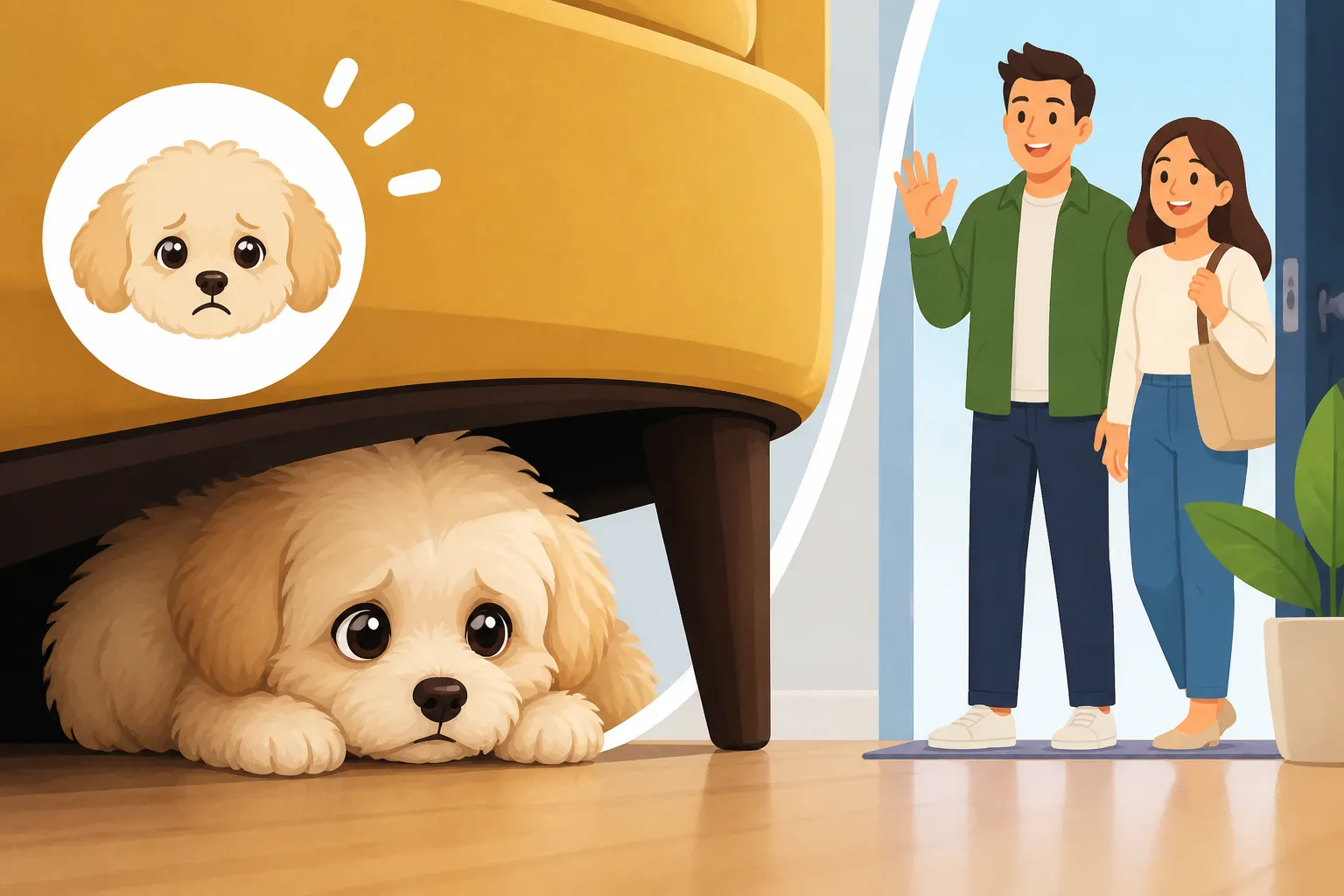
It’s a common scenario that can be incredibly disheartening: you have friends or family over, excited for them to meet your adorable Maltipoo, only to find your little companion has completely vanished. One minute they’re there, the next they’re a fluffy blur under the sofa or tucked away in a quiet corner, refusing to engage. This guide is here to shed light on why some Maltipoos exhibit this shy or hiding behavior when visitors arrive and offer practical, empathetic strategies to help your beloved dog feel more secure and confident.
Understanding Why Your Maltipoo Might Hide
When your sweet Maltipoo retreats at the first sound of a doorbell, it’s rarely out of spite or a desire to be difficult. More often than not, it stems from a place of fear, anxiety, or simply being overwhelmed. Understanding the root cause is the first step toward helping your furry friend become more comfortable with new people.
The Genetic Predisposition to Shyness
Remember that Maltipoos are a delightful blend, often a true "coin flip" in terms of inheriting traits from their Maltese and Poodle parents. While both breeds can be outgoing, they also carry sensitivities. A Maltese, for instance, can be quite delicate and prone to being reserved or wary of strangers if not properly socialized. Poodles, while highly intelligent, can sometimes be prone to nervousness or develop anxieties, especially if they are highly sensitive to new stimuli or loud noises.
This genetic lottery means your Maltipoo might simply be predisposed to a more cautious nature. They might be more sensitive to new sounds, smells, or the sheer volume of human voices, finding safety in retreat. It’s not a flaw, but a characteristic that needs gentle understanding and patient guidance. Their small size can also play a role; the world can seem like a very big, intimidating place when you're only a few pounds.
The Impact of Early Socialization (or Lack Thereof)
A dog’s formative weeks and months are critical for developing their perception of the world. If a Maltipoo puppy didn't have consistent, positive exposures to a variety of people (different ages, genders, appearances), sounds, and environments during their crucial socialization period (roughly 3 to 16 weeks), they might grow up with a natural distrust or apprehension of the unfamiliar. This isn't about being "bad," it's about not having the toolkit to process new experiences as safe or neutral.
Perhaps your Maltipoo came from a situation where they weren't handled much by different people, or maybe they were always in a quiet home. When suddenly faced with a lively gathering, the sensory input can be overwhelming. For some, the mere presence of a new person is a threat to their established routine and perceived safety. Even if you've had your Maltipoo since they were a puppy, think back to Surviving the First Week With a Maltipoo Puppy and consider if those early weeks truly prepared them for a diverse social life.
Past Experiences and Anxiety Triggers
Sometimes, a Maltipoo's hiding behavior isn't just about their temperament or early socialization; it can be a direct result of a negative past experience. This is especially true for rescue Maltipoos who might have come from a less-than-ideal environment, such as a puppy mill. Such dogs often have deep-seated anxieties about new people, loud noises, or sudden movements. They may associate visitors with unpredictable or frightening events.
Even in well-meaning homes, an accidental rough handling by a child, an unexpected loud noise during a past visit, or even being stepped on by a clumsy guest can create a lasting negative association. These past events can trigger fear and anxiety when similar situations arise. Your Maltipoo isn't being stubborn; they are reacting to a perceived threat based on their learned experiences, trying to protect themselves by becoming invisible. What the Maltese Puts Into a Maltipoo's Character often includes a sensitive nature that can be easily bruised by frightening encounters.
Preparing Your Maltipoo for Visitors
Helping your Maltipoo overcome their shyness isn't about forcing them into interactions; it's about building their confidence and creating an environment where they feel safe enough to explore and eventually, engage. This takes patience, consistency, and a proactive approach.
Establishing a Safe Haven
Before anyone even knocks on your door, make sure your Maltipoo has a designated "safe space" that they can retreat to and feel completely secure. This might be their crate, a cozy bed in a quiet room, or even a soft blanket under a specific piece of furniture that they've chosen. The key is that this space should always be available to them and never invaded by guests or children.
Provide comforting items in this area, like their favorite chew toys or a blanket with your scent. Consider using calming aids, such as a diffuser that releases synthetic pheromones, which many owners find helpful for anxious dogs. You can easily find these on platforms like Amazon. The idea is to empower your Maltipoo to make the choice to retreat if they feel overwhelmed, knowing they have a secure place to decompress. This choice is vital for their sense of control and safety.
Gradual Desensitization and Positive Reinforcement
Building positive associations with new people is crucial. This is where gradual desensitization comes in. Start small, perhaps by having one very calm, dog-savvy friend visit initially. Before they even enter, have your friend wait outside and gently knock on the door or ring the bell. If your Maltipoo reacts, don't rush them. Reward any calm behavior, even just looking at you instead of barking or hiding, with high-value treats and praise. Repeat this process, gradually increasing the intensity (e.g., friend enters, sits quietly) over several sessions.
Once visitors are inside, instruct them to ignore your Maltipoo completely at first. No staring, no reaching, no talking directly to them. Let your Maltipoo approach on their own terms. When they do, have your guest gently toss a treat near them (not directly at them, to avoid startling). This creates a positive association: new people equal delicious rewards. BAXTER & Bella, an online puppy school, often emphasizes these positive reinforcement techniques in their training programs, teaching dogs to associate new experiences with good things. This slow, steady approach can be incredibly effective, especially for sensitive dogs.
Training for Confidence and Control
Obedience training isn't just about commands; it's about building your dog's confidence and giving them a sense of control in potentially stressful situations. Teaching a "place" command, where your Maltipoo goes to a specific mat or bed and stays there calmly, can be invaluable. This gives them a job to do and a predictable outcome when guests arrive.
Practice this command frequently with increasing distractions. When guests come over, you can direct your Maltipoo to their "place" with a treat, reinforcing calm behavior. This gives both you and your dog a strategy for managing greetings, rather than leaving them to feel overwhelmed. Having a solid "come" command, as discussed in Teaching a Maltipoo to Come When Called, is also vital, allowing you to gently guide them away if a situation becomes too much. Remember, the goal is not to force interaction, but to empower your Maltipoo with coping mechanisms.
Managing Interactions When Visitors Are Present
Even with preparation, managing the actual interactions when guests are in your home requires careful attention and proactive steps. Your role is to be your Maltipoo's advocate and ensure their comfort level is always respected.
Setting Clear Expectations with Guests
Before your guests arrive, or as they walk through the door, make it clear that your Maltipoo is a bit shy and needs space. Explain the "rules" for interacting with your dog:
- No direct eye contact or staring: This can be perceived as threatening by a fearful dog.
- No reaching or bending over them: Let the dog approach.
- No loud voices or sudden movements: Keep the energy calm and low-key.
- Offer treats gently: Have guests toss treats onto the floor near your dog, not directly to them.
- Respect their space: If your Maltipoo retreats to their safe zone, guests should leave them undisturbed.
It's helpful to remind children in particular about gentle handling, as a child can accidentally hurt a small Maltipoo. This proactive communication prevents well-meaning but ultimately counterproductive interactions that could reinforce your Maltipoo's fear.
| Guest Interaction Style | Impact on Shy Maltipoo | Recommendation |
|---|---|---|
| Direct Eye Contact | Threatening, causes retreat | Avoid eye contact, look away |
| Reaching/Petting | Invasive, startling | Let Maltipoo approach & initiate |
| Loud Voices/Sudden Moves | Overwhelming, frightening | Speak softly, move slowly |
| Forcing Interaction | Increases fear, anxiety | Give space, let them choose |
| Tossing Treats Gently | Positive association | Encourage guests to toss treats |
| Ignoring Maltipoo | Lowers pressure, builds trust | Initial approach should be to ignore |
Controlled Exposure and Positive Association
During visits, keep an eye on your Maltipoo's body language. Are their ears back? Are they lip-licking? Are they panting excessively? These are signs of stress. If they seem comfortable, you can encourage very brief, controlled interactions. For example, have a guest sit quietly on the floor, ignoring your Maltipoo, and casually drop a high-value treat every minute or so. Your Maltipoo will slowly learn that this new person brings good things and isn't a threat.
If your Maltipoo bravely emerges from their hiding spot, keep the interaction short and sweet. Acknowledge their courage with quiet praise and a treat, then allow them to retreat if they wish. Never force prolonged contact. Short, positive exposures are far more effective than long, stressful ones. Consider having a variety of interesting chew toys, perhaps from a selection you found on Amazon, available to redirect their attention and provide comfort. This can help them associate visitor time with engaging, calming activities.
Knowing When to Intervene
Sometimes, despite your best efforts, a particular guest or situation might be too much for your Maltipoo. It's crucial to know when to intervene and give your dog a break. If your Maltipoo is visibly distressed, continuously hiding, shaking, or exhibiting any signs of aggression (which can be a fear response), gently guide them to their safe haven. You might use a leash for a calm redirect, or simply walk them to their room with a comforting voice.
It's okay to tell your guests that your dog has had enough and needs quiet time. Prioritize your Maltipoo's well-being over social niceties. Remember, the goal is for your Maltipoo to eventually feel secure enough to be present, not necessarily to be the life of the party. Over time, with consistent positive experiences, your Maltipoo might just surprise you by cautiously approaching a new face and soliciting a gentle scratch. This journey requires immense understanding and unwavering support from you, their most trusted human. Whether a Maltipoo Hides From Visitors is less about fixing a problem, and more about teaching coping mechanisms.
Disclaimer
This article is for general informational purposes only and does not constitute professional advice. Laws, prices and regulations vary by location and change over time. Consult a qualified professional for guidance on your specific situation.