Why a Maltipoo Shivers Indoors
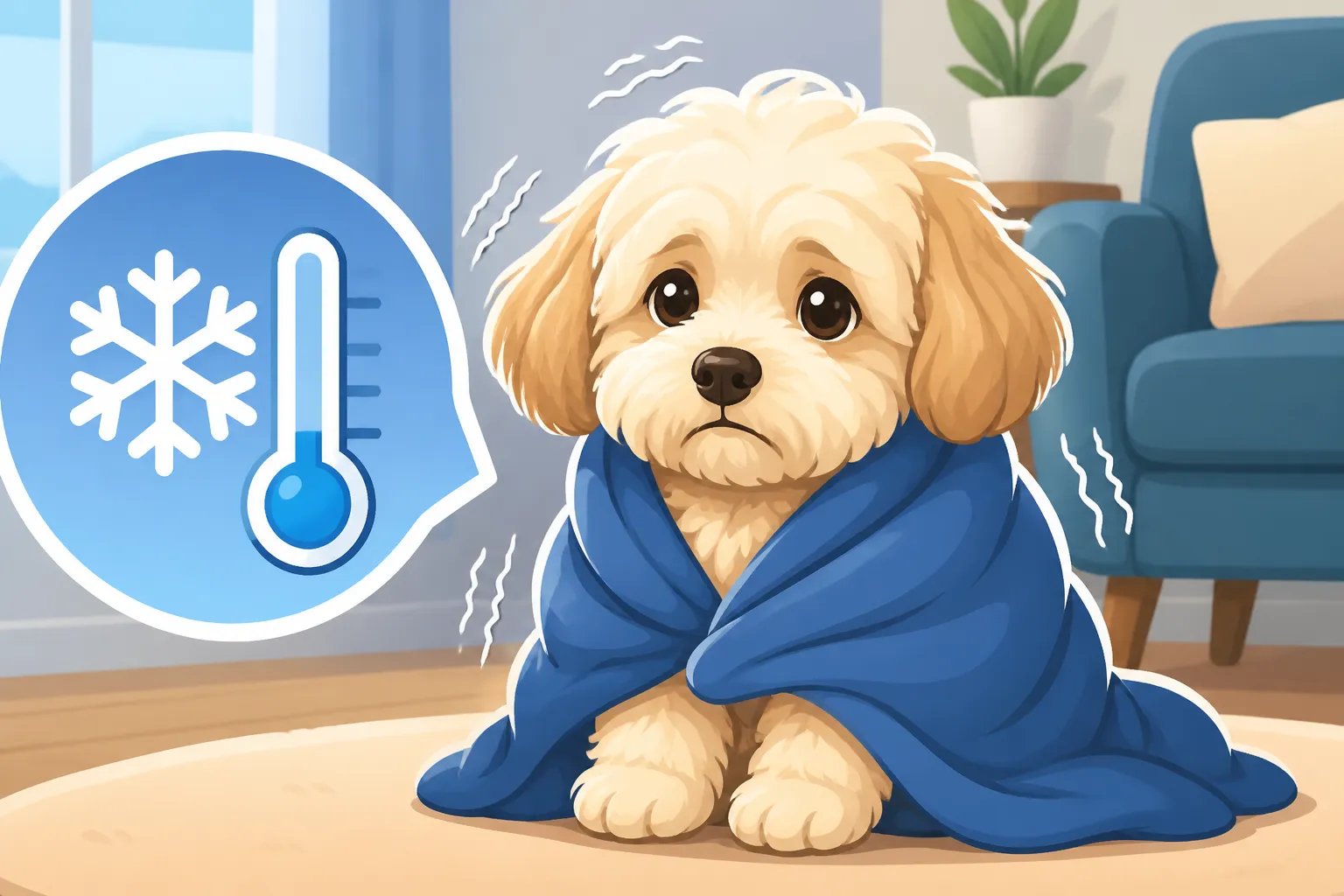
It can be incredibly unsettling to see your beloved Maltipoo shivering, especially when you're all bundled up indoors and feeling perfectly warm. Many owners experience that moment of panic, wondering if their little companion is sick, scared, or just impossibly cold, and it's a completely valid concern. This comprehensive guide is here to unravel the mystery of why your Maltipoo might be trembling or shaking inside the comfort of your home, exploring everything from their unique physiology to common health concerns and emotional triggers, so you can better understand and care for your furry friend.
The Unique Physiology of a Small Dog Like a Maltipoo
Maltipoos, with their delightful small stature, charming personalities, and luxurious coats, often steal our hearts the moment we meet them. But this diminutive size, which makes them so perfectly suited for apartment living and constant cuddles, also comes with a unique set of physiological considerations that directly impact how they experience and regulate their body temperature. What feels perfectly comfortable to us might be a chilly environment for them, and understanding these inherent differences is the first step in decoding their shivers.
Rapid Heat Loss and Tiny Body Mass
Think about it this way: a large pot of water takes a long time to boil and a long time to cool down. A small teacup of water, however, heats up quickly and loses that heat just as fast. The same principle applies to your Maltipoo's body mass. Their small size means they have a higher surface area-to-volume ratio compared to a larger dog. This isn't just a fun science fact; it has real implications for their body temperature. A greater proportion of their body is exposed to the ambient air, allowing heat to escape more rapidly. So, even if your thermostat reads a comfortable 70 degrees, your tiny Maltipoo might be shedding body heat at a rate that triggers their natural shivering response to try and warm themselves up. They're constantly fighting against that rapid heat loss, and shivering is their body's way of generating internal warmth through muscle contractions. It's an exhausting process for them, even if it looks subtle.
Low Body Fat Reserves
Unlike some larger breeds that might have a bit more insulation (think of a hearty Labrador with a thicker layer of fat), many Maltipoos, particularly those on the smaller end of the spectrum, tend to have very lean body compositions. They just don't carry a lot of extra padding. This isn't necessarily a bad thing, as maintaining a healthy weight is crucial for their overall well-being and joint health, but it does mean they have less natural insulation against the cold. Their delicate bones and compact bodies aren't designed to withstand significant temperature drops without assistance. Without those ample fat reserves, they rely much more heavily on their metabolism and external warmth to stay cozy. This is especially true for those delicate The Weight at Which a Maltipoo Puppy Is at Risk puppies who are still developing.
The Metabolism of a Small Breed
Small dogs like Maltipoos, particularly energetic ones, often have incredibly fast metabolisms. This rapid metabolic rate is a double-edged sword. On one hand, it allows them to burn through calories quickly, providing energy and generating internal heat. On the other hand, it means they can deplete their energy stores, especially glucose (blood sugar), much faster than larger dogs. This is a crucial point, particularly for young puppies or very small adults, who are at a higher risk of hypoglycemia (low blood sugar). When their blood sugar drops, their body can react with shivering, weakness, and other concerning symptoms. This isn't just about feeling a little cold; it's a critical physiological response that warrants close attention. Why a Two Pound Maltipoo Cannot Skip a Meal is an absolute must-read to understand this delicate balance.
Environmental Factors That Cause Indoor Shivering
While we often assume our homes are warm and safe havens for our furry friends, a Maltipoo's perspective on "indoor comfort" can be vastly different from our own. What might feel like a perfectly cozy living room to you could be a minefield of chilly drafts and damp spots for a small, delicate dog. Ignoring these subtle environmental nuances can lead to persistent shivering, leaving both you and your Maltipoo feeling uneasy.
Ambient Temperature Isn't the Whole Story
You might look at your thermostat, see a perfectly reasonable temperature, and wonder why your Maltipoo is still shaking. Here's the thing: ambient room temperature is only one piece of the puzzle. For a dog that spends much of its time close to the floor, drafts are a huge factor. Even a seemingly insignificant crack under a door or a poorly sealed window can create a persistent flow of cold air that drastically lowers the perceived temperature for your Maltipoo. Imagine sitting on the floor in a t-shirt while a steady stream of cold air washes over you – that's often what your Maltipoo experiences.
Cold floors are another often-overlooked culprit. Hardwood, tile, or laminate flooring can feel incredibly cold to a small dog with minimal fur on their belly. They absorb heat from your Maltipoo's body quickly, making them feel chilled even if the air above is warm. Sudden temperature changes, like when you open a window for ventilation or the heating system kicks on and off, can also cause them to shiver as their tiny bodies struggle to adapt. Think about how much a sweater helps a Maltipoo. For further reading, you might want to check out Whether a Maltipoo Gets Cold Easily.
Humidity Levels and Perceived Cold
Humidity plays a surprisingly significant role in how we (and our pets) perceive temperature. In winter, dry air can feel colder because it strips moisture and heat from the skin more rapidly. Conversely, in summer, high humidity can make warm temperatures feel oppressive because sweat doesn't evaporate as efficiently. For your Maltipoo, very dry indoor air during cooler months can exacerbate the feeling of cold, leading to more frequent shivering. Their delicate skin and respiratory system can also be sensitive to extreme dryness.
On the other hand, if your home is excessively humid and the temperature is cool, the moisture in the air can make them feel damp and clammy, enhancing the sensation of cold. This is particularly true if they've recently been outside in damp weather or had a bath. Maintaining a moderate humidity level indoors, perhaps with a humidifier in drier months, can contribute to their overall comfort and help prevent those environmental shivers.
Post-Bath or Grooming Chill
Every Maltipoo owner knows the routine: bath time, followed by thorough drying. But even with the best intentions, it's incredibly easy for a small dog like a Maltipoo to get a chill after a bath or a grooming session, even when they're indoors. Their dense, often curly or wavy coat, while beautiful, can hold onto moisture, and if they're not dried completely and quickly, that evaporating water can rapidly draw heat away from their body.
This is especially critical in cooler rooms or during the colder seasons. The difference in temperature between their warm, wet body and the ambient air can be quite stark. Many groomers use warm air dryers, but at home, you might just be towel-drying or air-drying, which takes longer. A shivering Maltipoo right after a bath is usually just cold. Make sure they are thoroughly dry, ideally with a lukewarm blow dryer on a low setting (far away from their skin to avoid burns), and then wrapped in a warm towel or even a cozy sweater until they are completely dry and warm.
Emotional and Psychological Reasons for Shivering
Beyond the physical factors, our Maltipoos are highly sensitive creatures, deeply attuned to their environment and our emotions. Their shivers aren't always about being cold; sometimes, they're a complex emotional response, a silent language communicating their inner world. Understanding these psychological triggers can help you comfort and reassure your sensitive companion.
Anxiety and Stress Responses
Just like humans, dogs can experience anxiety and stress, and for a small, sometimes delicate breed like a Maltipoo, these feelings can manifest physically as shivering or trembling. Imagine a new environment: a friend's house, a trip to the vet, or even just a rearrangement of furniture at home. These changes, minor to us, can be overwhelming for a Maltipoo, triggering their fight-or-flight response which includes muscle tremors. Loud noises like fireworks, thunderstorms, or even a sudden dropped pot in the kitchen can send them into a state of panic, leading to shivers.
Separation anxiety is another common cause. If your Maltipoo shivers when you're preparing to leave or immediately after you've returned, it could be a sign they're distressed by your absence. They might pace, whine, or even have accidents. Recognizing these patterns is key. If you notice persistent shivering linked to specific stressful events, it's a clear signal that your Maltipoo needs reassurance, a safe space, or perhaps professional guidance to manage their anxiety. Products found on Chewy like thunder shirts or calming pheromone diffusers can sometimes offer some relief in these situations.
Fear and Startle Reflexes
Maltipoos, being so small, can perceive many everyday things as much bigger and scarier threats than we do. A large, boisterous dog at the park, a sudden unexpected movement from a child, or even a new object in the house can trigger a fear response. When they are startled or afraid, their adrenal glands kick into overdrive, releasing adrenaline, which can cause their muscles to tense and tremble. It’s an involuntary, ancient survival mechanism.
This isn't always a dramatic, obvious fear. Sometimes, it's a subtle unease. A visitor they're not familiar with, the vacuum cleaner, or even a shadow moving unexpectedly can cause them to quiver. Observing when and why your Maltipoo starts shaking can give you valuable clues. If they're cowering, tucking their tail, or trying to hide while shivering, fear is likely the root cause. Providing a safe, quiet 'den' where they can retreat, such as a cozy crate or a bed under a table, can be incredibly helpful in these moments.
Excitement and Overstimulation
Not all shivers are bad! Sometimes, your Maltipoo might be trembling from sheer joy and excitement. Have you ever seen a dog literally vibrate with anticipation when they see their leash, knowing a walk is coming? Or when you come home after a long day, and they're so overjoyed to see you that their whole body wiggles and shakes? This is often a sign of healthy, happy overstimulation.
This kind of shivering is usually accompanied by other positive body language cues: a wagging tail (often the whole body wags!), happy yips, a relaxed facial expression, and an eager posture. They might jump up, lick your face, or dart around playfully. It's their way of releasing an excess of happy energy. While it's generally harmless, too much overstimulation can sometimes lead to an anxious state, so it's good to learn to read their cues. Gently calming them with soft strokes or a quiet voice can help them process their excitement without becoming overwhelmed.
Underlying Health Conditions to Consider
While environmental factors and emotions often explain indoor shivering, it's crucial never to dismiss persistent or unusual trembling as "just a small dog thing." Maltipoos, like all breeds, are susceptible to certain health conditions where shivering can be a significant symptom. Being aware of these possibilities allows you to act quickly and seek veterinary attention when necessary.
Hypoglycemia (Low Blood Sugar)
This is perhaps one of the most critical concerns for Maltipoo owners, especially those with puppies or very small adults. Hypoglycemia, or dangerously low blood sugar, is a common issue in tiny breeds with high metabolisms. Their bodies burn through glucose (their primary energy source) so rapidly that if they miss a meal, don't eat enough, or expend too much energy, their blood sugar can plummet.
Shivering is one of the earliest and most noticeable signs of hypoglycemia, as their body attempts to generate heat and energy. Other symptoms can include lethargy, weakness, disorientation, stumbling, a dull look in their eyes, and in severe cases, seizures or collapse. If you suspect hypoglycemia, it's an emergency. Offering a high-calorie supplement like Nutri-Cal, a dab of Karo syrup, or even honey on their gums can provide a quick sugar boost while you contact your vet. You can learn more by reading Hypoglycemia and the Teacup Maltipoo Puppy and What a Hypoglycemic Episode Looks Like in a Maltipoo. Consistent feeding is vital, perhaps even considering fresh food options like those offered by Ollie to ensure steady nutrient intake.
Pain or Discomfort
A dog's natural instinct is often to hide pain, but shivering can be one of the subtle ways they signal discomfort. If your Maltipoo is shivering even when warm and calm, consider if they might be experiencing pain from an injury, an underlying orthopedic issue, or even internal discomfort.
Common orthopedic problems in Maltipoos include patellar luxation (slipping kneecaps) or Legg-Calve-Perthes disease, both of which can cause pain, lameness, and sometimes shivering as a result of muscle tension or general malaise. An abdominal upset, a urinary tract infection, or even dental pain from an abscessed tooth can cause enough discomfort to induce trembling. Observe if the shivering is localized to a certain body part, if they're hesitant to move, or if they cry out when touched. Don't underestimate the impact of chronic pain; it can significantly reduce their quality of life. For more on joint issues, refer to Slipping Kneecaps in a Maltipoo.
Neurological Conditions
Shivering can also be a symptom of various neurological conditions affecting the brain or nervous system. One well-known condition in small, white-coated breeds, including some Maltipoos, is White Shaker Syndrome in a Maltipoo. This condition causes generalized body tremors, often appearing suddenly in young adult dogs. While it sounds alarming, it's often treatable with medication.
Other neurological issues, such as seizures, can sometimes present with trembling or twitching before a full-blown seizure, or even as a milder form of seizure activity. Brain inflammation, spinal cord problems, or even certain inherited conditions (like some associated with the Poodle side of their lineage, such as hydrocephalus) can manifest as involuntary tremors. These are serious concerns that absolutely require a veterinary diagnosis to rule out or manage appropriately.
Hormonal Imbalances or Illness
Less common but still possible, certain illnesses or hormonal imbalances can lead to shivering. For example, some dogs can develop hypothyroidism (underactive thyroid), which can slow their metabolism, make them sensitive to cold, and lead to lethargy and weight gain. While not typically a primary sign of shivering, it can contribute.
Systemic infections, fevers, or even exposure to toxins can also cause a dog to shiver. Their body's immune response to fighting off an illness can induce fever and chills, similar to how humans react. If the shivering is sudden, severe, accompanied by other symptoms like vomiting, diarrhea, lethargy, loss of appetite, or difficulty breathing, it's crucial to seek immediate veterinary attention. These signs indicate a more serious underlying issue that needs prompt medical intervention.
Medications and Their Side Effects
Just like with people, medications can have a wide range of effects on our Maltipoos, and sometimes, those effects include shivering or trembling. It's not always a cause for alarm, but it's certainly something to be aware of and discuss with your veterinarian.
Post-Anesthesia Shivers
If your Maltipoo has recently undergone a procedure requiring anesthesia (such as a dental cleaning, spay/neuter, or knee surgery), you might notice them shivering as they recover. This is a very common and usually normal reaction. Anesthesia can temporarily lower a dog's body temperature, and as they wake up and their body functions return to normal, they may shiver to help regulate their temperature and warm themselves up. It's the body's natural way of generating heat.
Additionally, some of the medications used in anesthesia can have lingering effects that cause tremors. Vets and vet techs are usually prepared for this and will keep your Maltipoo warm with blankets or heating pads during recovery. While post-anesthesia shivering is generally not concerning, if it's excessive, prolonged, or accompanied by other worrying symptoms, always check in with your vet.
Reactions to New Medications
Introducing any new medication to your Maltipoo can sometimes lead to unexpected side effects, and trembling or shivering can be one of them. This isn't necessarily a severe allergic reaction (though that's always a possibility and demands immediate vet attention), but rather a common physiological response to a drug that is affecting their nervous system or metabolism.
For example, some pain medications, anti-nausea drugs, or even certain anxiety medications can list tremors as a possible side effect. If your Maltipoo starts shivering shortly after beginning a new medication, or if an existing medication dosage has been changed, contact your vet. They can help determine if the shivering is a benign, temporary side effect, if the dosage needs adjustment, or if an alternative medication would be more suitable. Never stop a prescribed medication without consulting your veterinarian first.
What You Can Do When Your Maltipoo Shivers Indoors
When you see your Maltipoo shivering, it's natural to feel a pang of worry. Your first instinct might be to scoop them up, and that's often a good one! But beyond immediate comfort, there are practical steps you can take to assess the situation and ensure your furry friend is safe and comfortable. Knowing when to simply observe and when to rush to the vet is crucial.
Assessing the Situation
Before you panic, take a moment to be a detective. Observe your Maltipoo carefully:
- Check the Temperature: Is your home genuinely cold? Are there drafts? Feel your Maltipoo's ears and paws. Are they cold to the touch? A cool ear or paw is a good indicator of needing warmth.
- Look for Other Symptoms: Is the shivering accompanied by anything else? Lethargy, vomiting, diarrhea, limping, pain when touched, crying, difficulty breathing, or changes in gum color? These are red flags.
- Consider Recent Events: Have they eaten recently? Missed a meal? Had a recent bath? Been to the vet? Is there a new person or pet in the house? Were there loud noises? Pinpointing a recent change can offer clues.
- Evaluate Their Demeanor: Are they otherwise acting normally – eating, drinking, playing, alert? Or are they withdrawn, hiding, or unusually quiet?
- Palpate Gently: Carefully and gently run your hands over their body, feeling for any obvious tender spots, lumps, or signs of injury. If they flinch or cry out, pain is likely present.
If the shivering is isolated, brief, and your Maltipoo seems otherwise fine, it might just be a fleeting chill or excitement. If any other concerning symptoms are present, it's time to take action.
Creating a Warm and Secure Environment
If you suspect your Maltipoo is shivering from cold, fear, or anxiety, creating a more comfortable and secure environment can make a world of difference.
- Warmth is Key:
- Sweaters/Coats: For tiny breeds, a dog sweater or a cozy coat is not a fashion statement; it's a necessity, especially if you keep your home cooler or they've just had a haircut. Look for soft, non-restrictive options on sites like Chewy or Amazon. Whether a Maltipoo Needs a Sweater Indoors talks more about this.
- Warm Beds: Provide a plush, elevated bed that keeps them off cold floors. Consider a self-warming bed or even a pet-safe heating pad (always covered and on a low setting) for their sleeping area.
- Draft-Proofing: Identify and block drafts from windows and doors. Move their bed away from exterior walls or drafty areas.
- Blankets: Have plenty of soft blankets available for them to burrow into. Many Maltipoos love to nest!
- Security and Calm:
- Designated Safe Space: Create a quiet, cozy "den" – a crate covered with a blanket, a small bed in a low-traffic area – where they can retreat when feeling overwhelmed or scared.
- Calming Aids: If anxiety is an issue, discuss calming treats, pheromone diffusers, or thunder shirts with your vet.
- Routine: A predictable daily routine for feeding, walks, and playtime can significantly reduce stress and anxiety.
When to Contact Your Vet
While many causes of shivering are benign, some are serious. It's always best to err on the side of caution. Contact your veterinarian immediately if your Maltipoo's shivering is:
- Persistent or Worsening: Doesn't stop even when warm and calm.
- Accompanied by Other Symptoms: Vomiting, diarrhea, lethargy, pain, lameness, difficulty breathing, disorientation, collapse, seizures, pale gums, fever, or loss of appetite. These are often signs of a medical emergency.
- Following an Injury: Especially if they've had a fall or a sudden impact.
- After Ingesting Something Unknown: Suspected poisoning.
- Post-Vaccination: Though rare, some vaccine reactions can include tremors.
- Linked to Hypoglycemia: If they seem weak, disoriented, or are collapsing, it's an emergency. Review The Signs a Maltipoo Puppy Is Crashing for critical information.
Even if you're unsure, a quick call to your vet or an emergency animal clinic is always advisable. They can guide you on whether to monitor at home or bring your Maltipoo in for an examination. It's far better to be safe than sorry when it comes to your little one's health.
Prevention and Long-Term Management
Preventing unnecessary shivering and managing potential underlying causes is a continuous effort for Maltipoo owners. By being proactive and consistent in your care, you can significantly improve your Maltipoo's comfort, health, and overall well-being. It's about building a lifestyle that supports their unique needs, day in and day out.
Consistent Feeding Schedules
One of the most powerful preventative measures against shivering, especially for young or smaller Maltipoos, is a rock-solid, consistent feeding schedule. As we discussed, tiny breeds are highly susceptible to hypoglycemia (low blood sugar), and regular meals are their primary defense.
- Frequency: Maltipoo puppies often need to eat three to four times a day, sometimes even more for very tiny ones, to keep their blood sugar stable. Even adult Maltipoos, particularly those under five pounds, often do best on three smaller meals rather than two larger ones. This prevents long stretches between eating where blood sugar can dip. How Many Ounces a Four Pound Maltipoo Eats can help you determine appropriate portion sizes.
- Quality Food: Choose a high-quality small breed formula that provides sustained energy. Some owners find that fresh food delivery services like Ollie ensure consistent nutrient intake and appeal to picky eaters, reducing the chances of skipped meals due to disinterest.
- No Skipping: Never let your Maltipoo skip a meal, especially puppies. If they're being picky, try hand-feeding a little or adding a small amount of warm water or low-sodium broth to their kibble to entice them.
- Emergency Supplies: Always have a tube of Nutri-Cal or a small bottle of Karo syrup on hand for immediate intervention if you notice signs of hypoglycemia. This can be a lifesaver.
Regular Health Checks
A proactive approach to your Maltipoo's health is paramount in identifying and managing potential causes of shivering. Regular veterinary check-ups are not just for vaccinations; they are an opportunity for your vet to catch subtle issues before they become major problems.
- Annual Exams: At a minimum, your adult Maltipoo should have a thorough vet exam once a year. For seniors or those with chronic conditions, twice-yearly visits are often recommended.
- Discuss Any Concerns: Don't hesitate to mention any changes in behavior, appetite, energy levels, or recurring shivering during these visits. Even seemingly minor observations can provide important clues for your vet.
- Breed-Specific Screening: Your vet may recommend specific screenings relevant to Maltipoos, such as patella checks for Slipping Kneecaps in a Maltipoo, or blood work to check for The Liver Shunt a Maltipoo Can Inherit From the Maltese or other metabolic issues, especially if they show symptoms like lethargy or poor growth. Regular dental check-ups are also crucial, as dental pain can contribute to discomfort and shivering.
- Baseline Knowledge: Knowing your Maltipoo's normal body temperature, heart rate, and respiratory rate can help you quickly identify when something is off between vet visits.
Stress Reduction Techniques
Since anxiety and fear are common culprits for indoor shivering, actively working to reduce stress in your Maltipoo's life can make a profound difference.
- Safe Haven: Ensure your Maltipoo always has a comfortable, quiet, and secure place to retreat to when they feel overwhelmed. This could be a crate, a cozy bed in a quiet corner, or even just a designated blanket in a peaceful spot.
- Positive Reinforcement: Use positive reinforcement training to build their confidence and create positive associations with new experiences, people, and places. Avoid punishment, which can heighten anxiety.
- Controlled Introductions: When introducing new people, pets, or environments, do so gradually and calmly. Allow your Maltipoo to approach on their own terms, providing plenty of praise and treats.
- Consistent Routine: Dogs thrive on routine. Predictable feeding times, walk schedules, and bedtime can provide a sense of security and reduce uncertainty that can lead to anxiety.
- Mental and Physical Stimulation: A bored Maltipoo can be an anxious Maltipoo. Provide plenty of appropriate mental stimulation through puzzle toys, short training sessions, and interactive play. Regular, moderate exercise also helps burn off nervous energy.
- Calming Aids: For ongoing anxiety, consider discussing options like pheromone diffusers, calming supplements, or even prescription medication with your vet. Brands available on Amazon and Chewy often offer a range of these products.
- Comforting Presence: Sometimes, just your calm, reassuring presence can be the best remedy. Soft vocalizations, gentle strokes, and allowing them to lean against you can help them feel safe and loved.
By integrating these practices into your daily life, you'll not only help prevent those puzzling indoor shivers but also foster a happier, healthier, and more secure life for your cherished Maltipoo.
Disclaimer
This article is for general informational purposes only and does not constitute professional advice. Laws, prices and regulations vary by location and change over time. Consult a qualified professional for guidance on your specific situation.