Why a Maltipoo Mats Where the Legs Meet the Body
It's one of those uniquely frustrating moments as a Maltipoo parent: you're enjoying a cuddle, running your fingers through that soft, fluffy coat, and then suddenly your fingers snag. There it is, a stubborn, dense knot right where your furry friend's legs meet their body – in their armpits, groin, or behind their elbows. These areas are notorious for matting, and it can feel like a losing battle to keep them clear. This comprehensive guide will explain exactly why these spots are mat magnet, and more importantly, what you can do to prevent and safely remove them, ensuring your Maltipoo stays comfortable and healthy.
The Unique Maltipoo Coat and Why It's Prone to Matting
Let's be honest, one of the biggest draws of a Maltipoo is that gorgeous, non-shedding coat. It's soft, hypoallergenic, and just begging to be snuggled. But this very trait, so beloved, is also its biggest grooming challenge. The combination of the Maltese's silky, single coat and the Poodle's dense, curly coat creates a unique texture that’s incredibly prone to tangles and mats, especially in high-friction areas.
The Double Whammy of Maltese and Poodle Hair
Think about the parents: the Maltese has that long, flowing, fine hair, almost like human hair, that continues to grow without shedding. It's beautiful, but it can tangle easily, especially if not brushed daily. Then you have the Poodle, with its dense, curly, non-shedding coat. This coat is designed to trap shedding hair, which is why Poodles are often considered hypoallergenic. However, that trapped hair doesn't just fall out; it gets tangled with the new growth.
Now, combine these two, and you get a Maltipoo. Their coat can vary widely, from more Poodle-like curls to straighter, silkier Maltese locks, or a delightful wavy blend in between. Regardless of the exact texture, the common denominator is that it's hair that keeps growing and doesn't shed. This means any loose hairs stay intertwined with the active growth, forming knots. These knots, if not addressed, quickly tighten into mats. It's a beautiful genetic lottery, but it's one that demands diligent grooming, especially when you consider The Coat a Maltipoo Gets From Two Non Shedding Parents.
The "Cottony" Texture and Its Challenges
Many Maltipoos develop a wonderfully soft, often described as "cottony" or "fluffy," texture to their coat. While incredibly appealing to touch, this type of hair is particularly prone to matting. Its fine strands easily interlock and felt together, much like wool. Add to this the fact that these dogs are often clipped shorter, which can make the hair even softer and more prone to tangling as it grows out.
This cottony texture can also be deceptive. What feels like a soft, fluffy cloud on the surface might be a dense, tight mat closer to the skin, especially in those hidden areas. It’s not simply a surface issue; mats often form right at the base of the hair shaft, pulling on the skin and causing discomfort, even pain. Imagine having a clump of hair permanently pulling at your skin with every movement. That's what a mat does to your Maltipoo, making the problem not just cosmetic, but a serious welfare concern if left unattended.
Understanding the High-Friction Zones Around the Legs
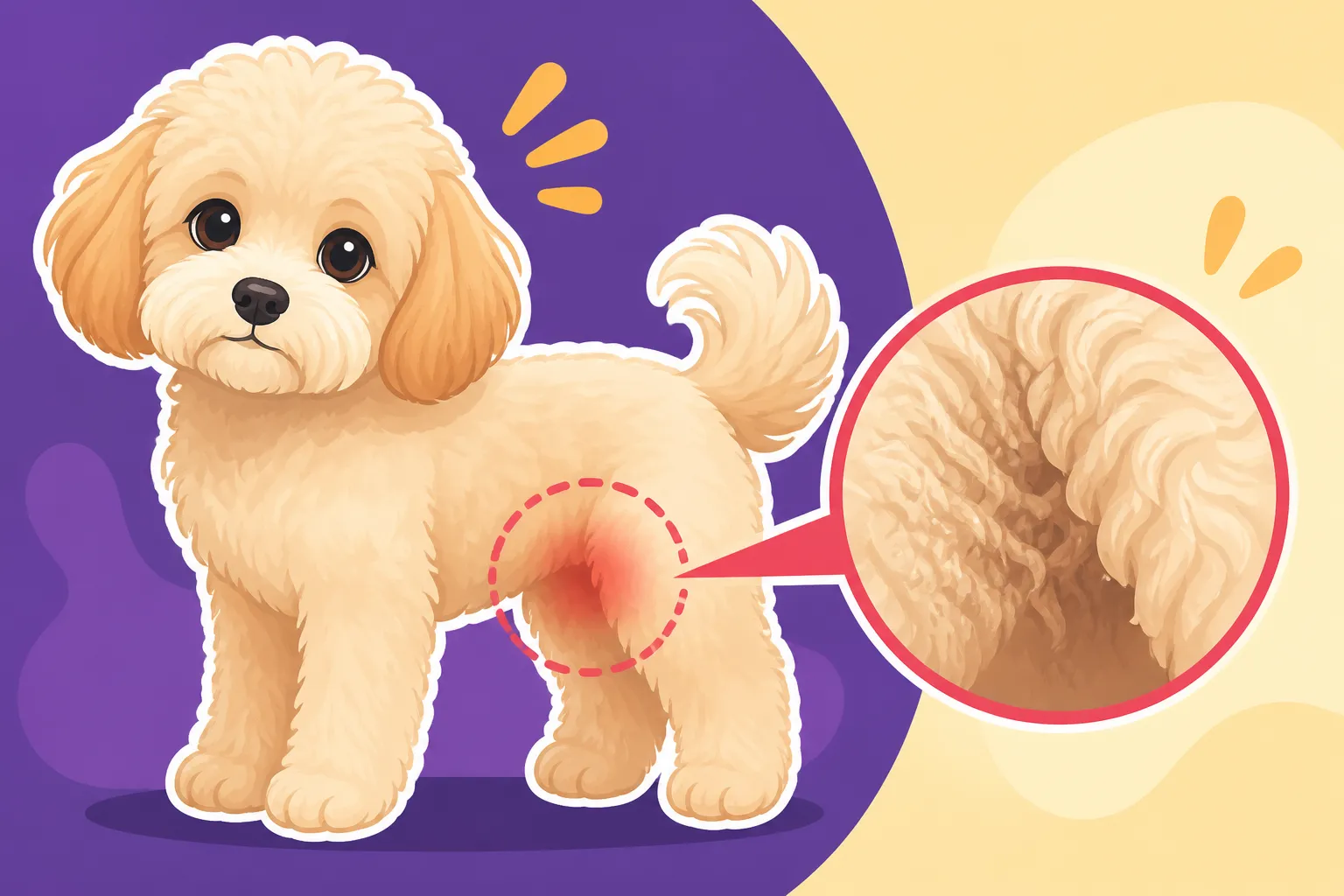
So, why are the armpits, groin, and behind the elbows such hot spots for matting? It all comes down to a combination of constant movement, friction, and environmental factors unique to these areas. It’s not random; these are zones of intense activity for your Maltipoo, making them incredibly vulnerable.
Movement and Constant Rubbing
Think about how much your Maltipoo moves throughout the day. Every step they take, every stretch, every time they lie down and get up, their legs are constantly rubbing against their body. In the armpits, the front legs are in perpetual motion, creating friction with the chest wall. Similarly, in the groin area, the back legs rub against the belly and flanks. Even when they're simply sitting or lying down, the pressure points cause their fur to compress and rub together.
This constant friction is the primary culprit. It acts like a natural felting machine, tangling individual strands of hair together, just like rubbing wool between your hands. The more active your Maltipoo, the more pronounced this rubbing, and the faster mats can form. Even a few hours of enthusiastic play at the dog park can set the stage for significant matting in these areas, especially if the coat isn't perfectly brushed beforehand. This is why it's so important to think about prevention, as constant motion will always be a factor in your dog's daily life.
Moisture Trapping in the Armpits and Groin
Beyond friction, moisture plays a significant role in creating and tightening mats in these hidden zones. The armpits and groin are naturally warmer and less exposed to air circulation, making them prime locations for moisture to get trapped. This moisture can come from several sources:
- Sweat: While dogs don't sweat like humans, they do have sweat glands in their paw pads and other areas, and their body heat can create humidity in these folds.
- Licking: Many Maltipoos, particularly when nervous, itchy, or just grooming themselves, will lick these areas. Saliva, left to dry on the fur, can be surprisingly sticky and promote mat formation.
- Urine: In the groin area, urine splashes, especially in males, can wet the surrounding fur. If not thoroughly dried and cleaned, this provides a perfect environment for mats to develop and tighten.
- Humidity: Simply living in a humid climate or coming in from a damp walk can be enough. The fur in these areas stays damp longer, and damp hair mats much more easily than dry hair.
Once the hair is damp, any rubbing or compression will cause the strands to bind together more tightly. As the hair dries, these nascent tangles contract and become dense, hard mats that are incredibly difficult to remove without causing pain to your dog. It's a vicious cycle that requires proactive intervention.
Practical Strategies to Prevent and Address Matting
Dealing with mats is never fun for you or your Maltipoo, but prevention is truly the best medicine. With a consistent routine and the right tools, you can significantly reduce the likelihood of those dreaded knots forming in the first place.
Daily Brushing and the Right Tools
Consistency is absolutely key when it comes to keeping your Maltipoo's coat mat-free, especially in those high-friction areas. Daily brushing is not an option; it's a necessity. Aim for at least 10-15 minutes every day, focusing on getting right down to the skin. Simply skimming the surface of the coat will only address the top layer, leaving mats to form underneath, creating what groomers call "felted coats" or "pelts."
You'll need a few essential tools:
- Slicker Brush: A good quality slicker brush with fine, bent wire bristles is your primary tool. It's excellent for removing loose hair and working through minor tangles. Always use it gently, brushing in small sections, and be mindful not to scratch your Maltipoo's delicate skin.
- Metal Comb: A long-toothed metal comb, ideally one with both wide and narrow teeth, is crucial. After using the slicker brush, always follow up with the comb to ensure there are no hidden tangles. The comb should be able to glide through the coat from the skin out to the ends without snagging. If it snags, you've found a tangle that needs more attention with your slicker brush or a detangling spray.
- Detangling Spray: A good quality detangling spray or conditioning spray can make a world of difference. Spritz it lightly onto areas prone to matting before brushing. It helps lubricate the hair, making it easier for tangles to release and preventing breakage. Many pet-friendly brands are available online, including on Chewy or Amazon.
- Mat Splitter (Use with Caution): For very small, starting mats, a mat splitter (a tool with a razor-like edge) can sometimes carefully cut through the mat without taking too much surrounding hair. However, these are sharp and should be used with extreme caution, only on superficial mats, and never close to the skin. If you're unsure, it's best to leave it to a professional.
When brushing, pay extra attention to the armpits, groin, and behind the ears – these are often overlooked. Lift your Maltipoo's legs gently to access the armpit area, and make sure you're brushing outward from the skin. For the groin, gently roll your Maltipoo onto their side if they're comfortable. You want to make sure the comb goes through these areas smoothly. For more detailed guidance, consider checking out Combing a Maltipoo Down to the Skin.
| Grooming Tool | Best Use | How to Use | Why It Helps with Matting |
|---|---|---|---|
| Slicker Brush | Daily detangling, removing loose undercoat | Gently brush small sections, working from the ends to the skin. Avoid harsh pulling. | Removes tangles before they become dense mats. |
| Metal Comb | Checking for hidden mats, precision detangling | After slicker brushing, comb through to confirm no snags. | Identifies small knots a slicker brush might miss. |
| Detangling Spray | Lubricating coat, easing knot removal, preventing static | Lightly mist before brushing, especially on dry or tangled areas. | Reduces friction, makes hair easier to separate. |
| Pin Brush | Longer, flowy coats, gentle daily grooming | Glides through longer hair, stimulating skin. | Helps maintain coat health, less effective on tight mats. |
| Scissors (Blunt-tip) | Emergency mat cutting (with extreme caution) | ONLY to cut into a mat from the outer edge, never close to the skin. | Can break up severe mats for easier removal (risky). |
Regular Trimming and Professional Grooming
Even with diligent home brushing, professional grooming is indispensable for a Maltipoo. Their continually growing hair means they need regular trims, typically every 4-8 weeks, depending on the desired coat length and how quickly their hair grows. A professional groomer has the tools and expertise to keep the coat in optimal condition, addressing those tricky areas you might miss.
Discuss with your groomer the specific problem areas you're experiencing. They can trim the hair shorter in the armpits, groin, and around the sanitary areas, which significantly reduces the surface area available for mats to form. A shorter clip in these zones means less hair to tangle, less friction, and better air circulation to prevent moisture buildup. This preventative trimming is often the most effective way to combat persistent matting in these high-movement areas. For a standard trim that focuses on practicality and comfort, many owners opt for something like What a Puppy Cut Looks Like on a Maltipoo.
It's also essential to be realistic about home grooming. While daily brushing is a must, attempting to do all the clipping and styling yourself might not be Whether Home Grooming a Maltipoo Is Realistic. Professional groomers are trained to handle challenging coats and often have special techniques and products to prevent and address matting safely. If your Maltipoo already has significant matting, especially in these sensitive areas, a professional groomer is your best resource. They can often demat more safely, or advise if a full shave down is the kindest option for your dog.
Addressing Environmental Factors and Lifestyle Habits
Beyond brushing and professional trims, taking a holistic look at your Maltipoo's environment and daily habits can further reduce matting risk.
Consider where your Maltipoo spends its time. Do they love to burrow into blankets? While adorable, the friction against soft fabrics can accelerate matting. If you live in a humid environment, ensure your Maltipoo is thoroughly dried after baths or walks in the rain. Even high humidity in the air can make their coat more prone to tangling. Think about adding a dehumidifier in their main living space if humidity is a consistent issue in your home.
Also, examine their accessories. While a harness is generally recommended for Maltipoos to protect their delicate trachea (Why a Maltipoo Should Never Wear a Collar), ensure it fits correctly and isn't constantly rubbing or chafing in the armpit area. A poorly fitting harness can create pressure points that lead to severe matting. Take it off when your Maltipoo is relaxing at home to give their coat a break. Similarly, collars worn constantly can contribute to matting around the neck, even if not directly in the leg areas. Regularly check under these items for any signs of friction-induced tangles.
Finally, diet can play a subtle role. A healthy coat, supported by good nutrition, tends to be stronger and less prone to breakage and matting. Ensure your Maltipoo is on a high-quality diet. While this won't directly prevent friction mats, a healthier coat can be more resilient and easier to brush through. Many owners choose high-quality kibble or fresh food options available from retailers like Ollie or Chewy, which can contribute to overall skin and coat health.
When Mats Become a Bigger Problem (and What to Do)
Sometimes, despite our best efforts, mats can form and quickly become severe. It’s crucial to know when a mat has gone beyond a simple tangle and when it’s time to call in the professionals. Ignoring severe matting can lead to significant health issues for your beloved Maltipoo.
Recognizing Severe Matting and Skin Issues
A small knot that can be gently brushed out is one thing, but severe matting is entirely different. You'll recognize it by its density and how it pulls on the skin. A mat is severe when:
- It's tight against the skin, making it impossible to get a comb underneath.
- It feels like a solid, hard mass, rather than individual strands of hair.
- Your Maltipoo shows discomfort when you try to touch the area, perhaps flinching, growling, or trying to nip.
- The skin underneath appears red, irritated, or has lesions.
Left unattended, severe mats don't just stay put; they continue to tighten and pull on the skin. This constant tension can cause pain, restrict movement, and lead to serious skin conditions. Skin trapped under a mat can't breathe, creating a moist, warm environment perfect for bacterial or fungal infections. You might notice redness, sores, bruising, or even infestations of fleas or other parasites hidden beneath the felted fur. It's a painful and unhealthy situation for your dog. In extreme cases, mats can even cut off circulation to an area of skin or trap fluids, leading to abscesses or necrosis. This is why addressing mats quickly and effectively is vital for your Maltipoo's well-being.
The Importance of Professional Dematting (or Shaving)
If you discover a severe mat, especially in the sensitive armpit or groin areas, your first step should be to contact a professional groomer or your veterinarian. Trying to cut out a deeply set mat at home can be incredibly risky. Maltipoo skin is thin and delicate, and it can be pulled up into a tight mat in such a way that it's nearly impossible to tell where the mat ends and the skin begins. A single slip of scissors or clippers can result in a severe laceration, which means an emergency vet visit, stitches, and unnecessary pain for your dog. It's truly not worth the risk.
A professional groomer is equipped with specialized tools and techniques to handle severe matting safely. They can often work through smaller, superficial mats with conditioners and careful brushing. However, for deeply matted areas, especially those tight to the skin or covering large expanses, the kindest and safest solution is often a complete shave-down. While it might be heartbreaking to see your fluffy Maltipoo completely clipped, it's a necessary step to relieve their pain and allow their skin to heal. The hair will grow back, and you can start fresh with a diligent grooming routine.
Remember, a matted coat isn't just an aesthetic problem; it's a health issue. Your groomer will charge for dematting services, and if the mats are severe, a shave-down is often the only humane option. While the cost might be a concern (What a Groomer Charges by the Hour on a Matted Maltipoo), the alternative is risking your dog's health and comfort. Regular professional grooming and daily home care are investments in your Maltipoo's long-term health and happiness.
Disclaimer
This article is for general informational purposes only and does not constitute professional advice. Laws, prices and regulations vary by location and change over time. Consult a qualified professional for guidance on your specific situation.