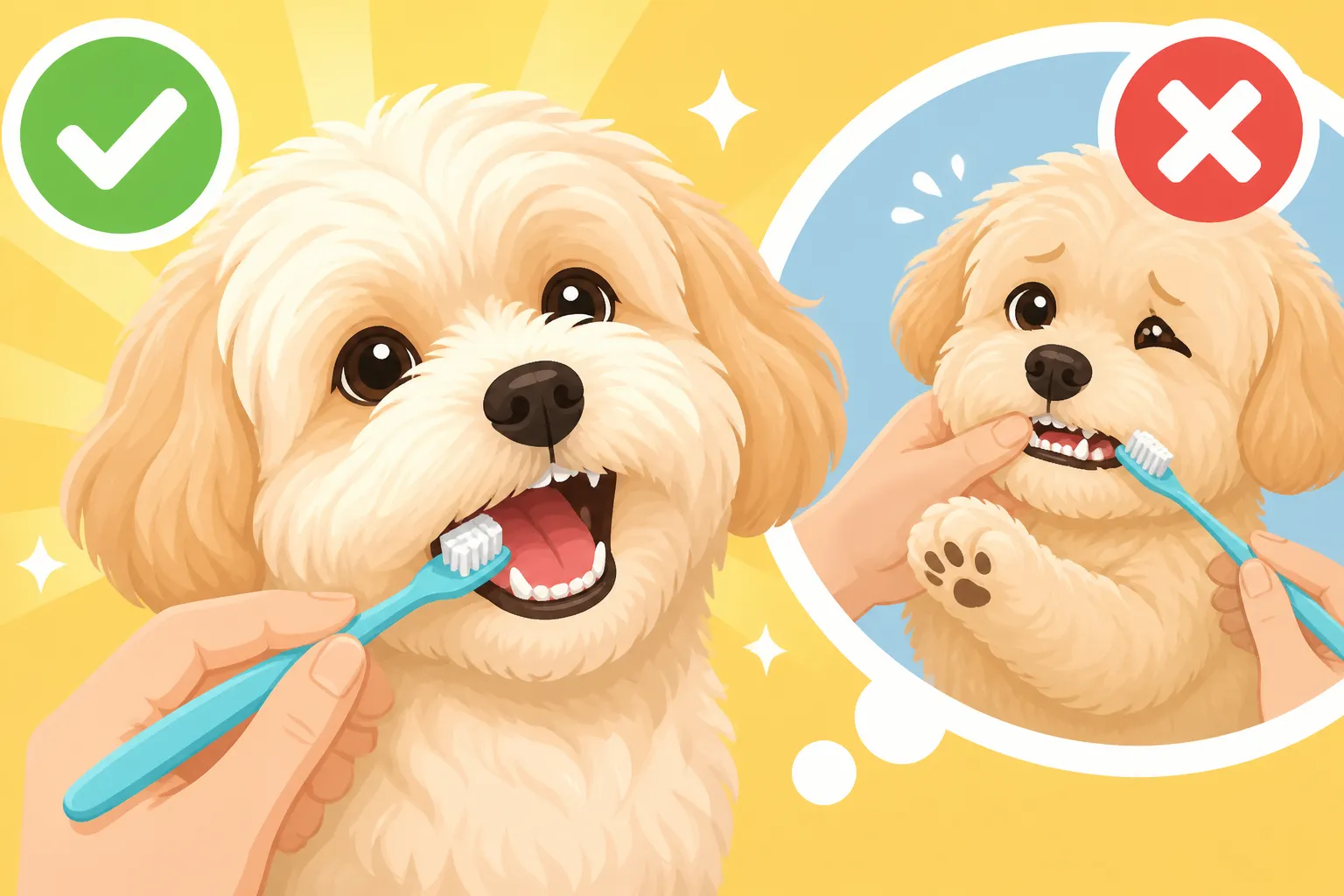
Whether a Maltipoo Lets You Brush Its Back Teeth
Anyone who has tried to brush a tiny Maltipoo's teeth knows it can feel like wrestling a greased-up, furry noodle, especially when you try to get to those tricky back molars. It’s a common frustration: you know dental hygiene is crucial, but getting into that small, often crowded mouth to reach the very back can seem like an impossible mission. This guide is here to walk you through exactly why those back teeth are so challenging to clean, and more importantly, how you can actually succeed in giving your sweet Maltipoo the thorough dental care they truly need.
Understanding Your Maltipoo's Dental Landscape
Before we dive into the "how-to," let's really understand why brushing those back teeth feels like such a monumental task for Maltipoo owners. It’s not just you; there are specific anatomical and behavioral reasons that make this area particularly challenging.
The Anatomy of a Small Mouth
Maltipoos, being a cross between a Maltese and a Poodle, inherit traits from both breeds, and often, that means a relatively small mouth. Despite their petite size, they still have a full set of adult teeth – usually 42! Imagine trying to fit 42 teeth into a jaw that's designed for perhaps half that number. This can lead to significant overcrowding, particularly noticeable in the premolars and molars at the back of the mouth. When teeth are jammed together, they create tiny crevices and overlapping surfaces where food particles and bacteria can easily get trapped. These snug spots are notoriously difficult to clean with a brush, no matter how small the bristles.
Furthermore, the shape of a Maltipoo's skull and jaw can vary. Some might have a slightly longer Poodle-like muzzle, while others lean more towards the Maltese's shorter, broader face. Regardless, the back of their mouth often doesn't offer much room for maneuver. Trying to insert a toothbrush and angle it effectively around molars that are practically touching the cheek can be a real struggle. This cramped space also means that even if you do manage to get the brush in, turning it and applying proper pressure to clean all surfaces, especially the inside ones, is a delicate dance. You're not just fighting against your Maltipoo's reluctance; you're also battling physics and tight quarters. It's truly a feat of dexterity. You can read more about The Forty Two Teeth Crowding a Maltipoo's Jaw to understand this common issue.
Why Back Teeth are Critical and Challenging
The back teeth, specifically the premolars and molars, are the workhorses of chewing. They bear the brunt of breaking down food, which means they are constantly exposed to food particles. This exposure, coupled with their often crowded placement, makes them prime real estate for plaque and tartar accumulation. Plaque is a sticky film of bacteria that forms on teeth; if not removed daily, it hardens into tartar. Tartar then irritates the gums, leading to gingivitis – red, swollen, bleeding gums – which is the first stage of periodontal disease.
If left unchecked, periodontal disease can progress rapidly in small breeds like Maltipoos. It's not just about bad breath; it can lead to painful infections, tooth loss, and even systemic health issues as bacteria from the mouth enter the bloodstream and impact organs like the heart, liver, and kidneys. Because the back teeth are harder to reach, they are often the first place to show signs of advanced dental disease. Owners often don't notice the problem until it's severe, partly because it's hard to see back there, and partly because dogs are incredibly stoic about pain. By the time your Maltipoo is refusing hard kibble or pawing at their mouth, the condition is likely quite advanced. This is why targeting those back teeth specifically is so critical, even though it feels like you need tiny dental surgeon hands to do it.
Strategies for Conquering the Back Teeth Challenge
Getting your Maltipoo to accept, and even tolerate, brushing their back teeth is absolutely achievable, but it requires patience, consistency, and the right approach. Think of it as a long-term project, not a one-time battle.
Early Introduction and Positive Reinforcement
The absolute best time to start dental care is when your Maltipoo is a puppy. Their baby teeth are smaller, their gums aren't as sensitive to brushing as adult inflamed gums might be, and they're generally more open to new experiences. Start by simply touching their muzzle and lips. Gently lift their lip and touch their gums with your finger. Pair this with positive reinforcement – a tiny, irresistible treat (think a pea-sized dab of peanut butter or a bit of boiled chicken) and plenty of verbal praise. The goal here is to create a positive association, so they learn that mouth-touching equals good things.
Once they're comfortable with your fingers in their mouth, introduce a pet-specific toothpaste. Never use human toothpaste, as it can contain xylitol or fluoride, which are toxic to dogs. Let them lick the toothpaste off your finger or a small finger brush. Most dog toothpastes come in appealing flavors like chicken, beef, or even mint, which can make the experience more palatable. Gradually, start rubbing the toothpaste on their gums and teeth with your finger, working your way towards the back. Keep sessions short, maybe just 10-20 seconds initially, and always end on a positive note, even if you only managed a quick swipe. The consistency is more important than the duration in the beginning. This process is crucial for a lifetime of healthy teeth, as outlined in Starting Tooth Brushing on a Maltipoo Puppy.
Techniques for Effective Back Teeth Brushing
Once your Maltipoo is accustomed to the process, you can introduce an actual toothbrush. For Maltipoos, a finger brush or a very small, soft-bristled toothbrush designed for toy breeds works best. You can find these brushes easily on platforms like Chewy or Amazon. To tackle those back teeth, you'll need a specific technique:
- Positioning is Key: Gently hold your Maltipoo, perhaps cradling them in one arm or having them sit on your lap, facing away from you, with their back to your chest. This gives you better control and access to their mouth.
- Lift the Lip: With one hand, gently lift your Maltipoo's upper lip to expose the side teeth. You don't need to pry their mouth open wide; just exposing the outside surfaces of the back teeth is often enough.
- Angle the Brush: Insert the brush into the side of their mouth, aiming for a 45-degree angle to the gumline. This angle allows the bristles to clean both the tooth surface and gently get under the gum where plaque likes to hide.
- Target the Gumline: Focus your brushing motion where the tooth meets the gum. Use small, circular motions. Don't scrub vigorously; gentle but firm pressure is sufficient to dislodge plaque.
- Work Quickly and Methodically: Start with one side, moving from the back molars forward to the canines. Then switch to the other side. You'll likely only be able to reach the outer surfaces of the back teeth, and that's okay – these are the areas where plaque accumulates most rapidly.
- Consistency: Aim for daily brushing. Plaque begins to form within hours, so regular removal is crucial. Even if you only manage 30 seconds on each side, it makes a significant difference. Remember, How Often a Maltipoo's Teeth Should Be Brushed is a question with a clear answer: daily.
For Maltipoos that are particularly resistant, sometimes wrapping them in a soft towel (like a burrito) can provide a sense of security and limit their ability to wiggle excessively, making the process a little easier for both of you. Always remember to praise and reward immediately after the session, reinforcing the positive association.
Tools and Products That Can Help
Having the right tools can make all the difference in making dental care less of a struggle. Here's a rundown of what to consider:
- Toothbrushes:
- Finger Brushes: These slip over your finger and are great for puppies or very small mouths, offering a direct feel for what you're doing. The Finger Brush That Suits a Maltipoo might be exactly what you need.
- Small Pet Toothbrushes: Look for brushes with soft bristles and a small head specifically designed for toy breeds. Some even have dual heads at different angles.
- Electric Pet Toothbrushes: While more expensive, some small ultrasonic or sonic toothbrushes can be very effective, though they might take more getting used to for your Maltipoo.
- Toothpaste: As mentioned, always use enzymatic dog toothpaste. The enzymatic action helps break down plaque even with minimal brushing. Flavors really do matter to some dogs; experiment to see what your Maltipoo prefers. You might find a great selection of flavors and types on Chewy or even through your local veterinary clinic. Whether Toothpaste Flavor Matters to a Maltipoo is a surprisingly important question for many owners.
- Dental Wipes: While not as effective as brushing, dental wipes can be a good interim solution or for days when a full brush isn't feasible. They help remove surface plaque and freshens breath. They are generally easier to use for getting to the back teeth because they contour to your finger.
- Dental Chews and Water Additives: These are supplementary, not replacements for brushing. High-quality dental chews from reputable brands (you can often find a good variety on Amazon) can help mechanically scrape plaque off teeth as your dog chews. Water additives contain enzymes or anti-plaque ingredients that can help reduce bacteria in the mouth. However, they don't provide the same deep cleaning as manual brushing, especially for those hard-to-reach back teeth.
- Ollie: For a wholesome approach to your Maltipoo's overall health, including their teeth, feeding fresh, high-quality food from services like Ollie can contribute to better oral hygiene in the long run. Good nutrition supports strong gums and teeth, and some owners report less plaque buildup with fresh food diets compared to dry kibble, though individual results vary.
Here's a comparison of common dental tools:
| Tool Type | Pros | Cons | Best For |
|---|---|---|---|
| Finger Brush | Easy to control, good tactile feedback, less intimidating | Limited reach for very deep back teeth, can be chewed if not careful | Puppies, sensitive dogs, initial training, smaller mouths |
| Small Pet Toothbrush | Better reach and cleaning power, various bristle designs | Can be bulky for tiny mouths, requires more technique | Regular brushing, comprehensive cleaning, reaching most surfaces |
| Electric Pet Toothbrush | Highly effective plaque removal, less manual effort | Expensive, can be noisy/vibrating (scares some dogs), requires training | Established dental routines, stubborn plaque, advanced care |
| Dental Wipes | Quick, easy for surface cleaning, good for daily maintenance | Limited deep cleaning, not as effective for hardened plaque | Quick touch-ups, travel, dogs resistant to brushing, front teeth |
| Dental Chews | Dogs enjoy them, some mechanical plaque removal | Not a substitute for brushing, calorie content, may not reach all teeth | Supplementing brushing, rewarding good behavior, light plaque prevention |
When Professional Help is Necessary
Despite your best efforts, there will be times when your Maltipoo's dental health requires intervention from a veterinarian. It's crucial to recognize these signs and not delay seeking help.
Recognizing Signs of Neglect and Disease
Even with diligent home care, some Maltipoos are more prone to dental issues due to their genetics and mouth structure. Their crowded mouths are simply a perfect breeding ground for bacteria. If you notice any of the following signs, it’s a strong indicator that your Maltipoo needs a veterinary dental check-up:
- Persistent Bad Breath (Halitosis): This is usually the first sign owners notice and is caused by bacteria in the mouth. It's not "dog breath"; it's a sign of infection.
- Red, Swollen, or Bleeding Gums: These are classic signs of gingivitis and periodontal disease. Healthy gums should be a pale pink (or pigmented, depending on your dog) and should not bleed during brushing.
- Visible Tartar Buildup: Look for hard, brownish-yellow deposits, especially on the back teeth. This is calcified plaque that can no longer be removed by brushing alone. You can learn more about What Tartar Looks Like on a Maltipoo.
- Reluctance to Eat or Chewing Difficulties: If your Maltipoo is suddenly picky, drops food, or prefers soft food, it could be due to pain in their mouth.
- Paw at the Mouth or Rub Face: This is a direct indication of discomfort or pain.
- Loose or Missing Teeth: In advanced stages, teeth can become loose or fall out due to severe bone loss around the roots.
- Changes in Behavior: Any sudden grumpiness, withdrawal, or aversion to being touched around the face could signal dental pain.
Don't wait until these signs are severe. Regular check-ups with your vet will help catch issues early, potentially saving your Maltipoo from significant pain and you from hefty bills later on.
The Importance of Veterinary Dentals
Professional veterinary dental cleanings are indispensable, especially for small breeds like Maltipoos. Unlike home brushing, a professional cleaning is performed under anesthesia, which allows the vet to do a thorough job, similar to what your own dentist does for you. During this procedure, the vet can:
- Perform a Comprehensive Oral Exam: They can examine every tooth surface, including the inside and below the gumline, looking for issues like fractured teeth, abscesses, or oral masses that are impossible to see at home.
- Take Dental X-rays: This is crucial. More than 60% of dental disease is hidden below the gumline. X-rays reveal bone loss, root damage, and un-erupted teeth, providing a complete picture of your Maltipoo's oral health.
- Scale and Polish Teeth: Using ultrasonic scalers, they meticulously remove plaque and tartar from above and below the gumline. This is followed by polishing, which smooths the tooth surface, making it harder for plaque to adhere.
- Address Advanced Issues: If severe periodontal disease or other problems are found, the vet can perform extractions of diseased teeth, apply antibiotic gels, or even perform more advanced dental procedures. Pulling a Maltipoo's retained baby teeth or adult teeth is not uncommon, and knowing What Extractions Cost on a Maltipoo can prepare you financially.
While the thought of anesthesia can be daunting for small dog owners, modern veterinary anesthesia protocols are very safe, especially when pre-anesthetic bloodwork and careful monitoring are performed. Many vets recommend yearly dental cleanings for small breeds like Maltipoos, particularly as they age. Think of it as a vital part of their overall preventative healthcare, just like vaccinations and regular check-ups. It's a key factor in ensuring they live a long, comfortable, and healthy life. You can also explore How Often a Maltipoo Needs a Dental for more insights into scheduling these critical appointments.
Getting to those back teeth of your Maltipoo can indeed be a challenging feat, but it's a critical component of their overall health and well-being. By understanding their unique dental anatomy, employing consistent and positive training methods, utilizing the right tools, and recognizing when professional intervention is needed, you can help your beloved companion avoid painful dental disease. Don't get discouraged; every little bit of effort you put into their oral hygiene makes a significant difference.
Disclaimer
This article is for general informational purposes only and does not constitute professional advice. Laws, prices and regulations vary by location and change over time. Consult a qualified professional for guidance on your specific situation.