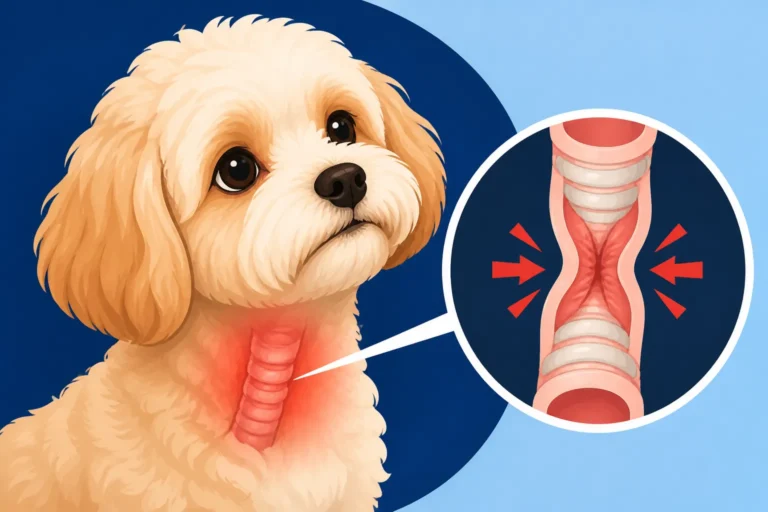
The Forty Two Teeth Crowding a Maltipoo’s Jaw
One of the most common, and often overlooked, health challenges for Maltipoo owners is directly related to their adorable small size: an adult mouth designed for 42 teeth crammed into a tiny jaw. This inherent anatomical mismatch leads to a host of frustrating and potentially painful dental issues that can quickly impact your furry friend's quality of life and even their overall health. This comprehensive guide will meticulously explore the complexities of a Maltipoo's dental health, from understanding their unique oral structure to implementing daily preventative care and navigating professional treatments.
Understanding the Maltipoo's Unique Oral Anatomy
When you look at your sweet Maltipoo, it’s easy to get lost in those expressive eyes and soft, fluffy fur. But beneath that charming exterior lies a dental landscape that is, frankly, a bit of a tight squeeze. Their compact jaws, a hallmark of their small breed heritage, were simply not designed to comfortably accommodate the full complement of 42 adult teeth that canines typically possess. This fundamental anatomical reality sets the stage for a lifetime of potential dental challenges that every Maltipoo owner needs to be acutely aware of.
The Compact Jaw vs. the Full Set of Teeth
Imagine trying to fit all your furniture into a much smaller apartment – it just doesn't quite work, does it? That's precisely the situation inside your Maltipoo's mouth. Adult dogs, regardless of their size, are genetically programmed to develop 42 permanent teeth. Puppies start with 28 deciduous, or "baby," teeth, which are later replaced. For a larger breed like a Labrador, this dental lineup fits comfortably. For a Maltipoo, with a jaw that's often only a fraction of that size, it's a constant battle for real estate.
This crowding isn't just an aesthetic concern; it creates a cascade of problems. When teeth are too close together, they can twist, rotate, or overlap, forming nooks and crannies that are perfect breeding grounds for plaque and tartar. These tight spaces become impossible to clean effectively with normal chewing or even diligent brushing. Food particles, bacteria, and saliva combine to form a sticky film (plaque) that quickly hardens into tartar. This hard, calcified substance then irritates the gums, setting the stage for more serious conditions. It's a fundamental design flaw that makes your Maltipoo uniquely susceptible to dental issues right from puppyhood.
Inherited Dental Predispositions
The Maltipoo's dental challenges aren't just about size; they're also a fascinating blend of the genetic predispositions inherited from their parent breeds: the Maltese and the Poodle. Both of these small breeds are known for their susceptibility to dental problems, so a Maltipoo essentially inherits a double whammy when it comes to oral health.
The Maltese, in particular, is notorious for having overcrowded teeth, often leading to significant periodontal disease at an early age. They frequently experience issues with retained deciduous teeth, which we’ll dive into more detail about shortly. The Poodle, while generally having better dental structure, can also contribute to genetic predispositions for certain bite abnormalities and enamel defects that can weaken teeth and make them more vulnerable to decay. Because the Maltipoo is a hybrid, predicting exactly which traits they will inherit can be a bit of a "coin flip inside every Maltipoo puppy." However, when it comes to dental health, it's safer to assume they will inherit the worst of both worlds rather than the best, making proactive care absolutely paramount. Understanding these inherited tendencies helps prepare you for the level of commitment required to keep your Maltipoo's mouth healthy throughout their life.
Common Dental Problems in Maltipoos
Due to their compact jaws and genetic predispositions, Maltipoos are unfortunately prone to several specific dental problems. These aren't just minor inconveniences; they can cause significant pain, lead to serious infections, and even impact their overall systemic health. Recognizing these issues early is key to effective management and prevention.
Retained Deciduous Teeth (Puppy Teeth)
One of the most frequent dental anomalies we see in Maltipoos is retained deciduous teeth, more commonly known as retained puppy teeth. In a typical puppy, as the permanent adult teeth begin to erupt, they push out the baby teeth, which then fall out naturally. However, in small breeds like Maltipoos, this process often doesn't happen as it should. The permanent teeth emerge next to the baby teeth instead of displacing them.
This leads to a confusing and problematic scenario where your Maltipoo ends up with two rows of teeth in certain areas of their mouth, most commonly the canines and incisors. This "double dentition" is a major problem because it exacerbates the already existing crowding issue. The extra teeth create even more tight spaces where food and bacteria can accumulate, significantly increasing the risk of plaque and tartar buildup, gingivitis, and early onset periodontal disease. Furthermore, the retained baby teeth can push the adult teeth into incorrect positions, leading to malocclusions. It's crucial for your vet to check for this during puppy visits, and often, these stubborn baby teeth need to be surgically extracted, typically when the puppy is spayed or neutered. This is a common reason why a Maltipoo's teeth need pulling at a year.
Periodontal Disease – The Silent Killer
Periodontal disease is, without a doubt, the most prevalent and insidious dental problem affecting Maltipoos and other small breeds. It's often called a "silent killer" because it progresses gradually, often without obvious signs of pain until it's quite advanced. It begins when plaque, that sticky bacterial film, accumulates on the tooth surface. If not removed, plaque hardens into tartar, which adheres firmly to the teeth, especially along the gum line.
Tartar then acts as a rough surface, irritating the gums and providing more surface area for bacteria to cling to. This leads to gingivitis, an inflammation of the gums, which is characterized by redness, swelling, and sometimes bleeding. If gingivitis is left untreated, the inflammation progresses to periodontitis. This is where the real damage starts: bacteria spread below the gum line, destroying the supporting structures of the tooth, including the bone and ligaments. Pockets form around the teeth, trapping more bacteria and leading to further destruction. Eventually, teeth loosen and can fall out, or necessitate costly extractions. The chronic infection and inflammation associated with advanced periodontal disease don't just stay in the mouth; the bacteria can enter the bloodstream and travel to vital organs, potentially causing serious complications in the heart, kidneys, and liver. This is a sobering thought when considering whether dental disease shortens a Maltipoo's life.
Malocclusions and Misaligned Bites
Beyond just crowding, the small jaws of Maltipoos can also lead to various types of malocclusions, which are essentially misalignments of the teeth or jaws. A proper bite ensures that the upper and lower teeth meet efficiently, allowing for effective chewing and even wear. In Maltipoos, however, due to genetic factors from both the Maltese and Poodle, and the sheer number of teeth, it’s not uncommon to see overbites, underbites, or crossbites.
These misalignments can cause a host of problems. Teeth that don't meet correctly can rub against each other abnormally, leading to excessive wear or even fractures. Imagine a tooth constantly digging into the opposing gum tissue – it can cause chronic irritation, pain, and open sores. Food can also get trapped in these unusual gaps, further contributing to plaque and tartar buildup in hard-to-reach areas. In severe cases, a malocclusion can make it difficult or painful for your Maltipoo to chew, potentially leading to appetite issues or favoring one side of the mouth, which can accelerate dental problems on the "working" side. Regular veterinary check-ups are crucial to identify and, if necessary, address these bite issues early, especially during puppyhood when intervention might be simpler.
The Critical Importance of Daily Oral Hygiene
Given the Maltipoo's inherent dental challenges, daily oral hygiene isn't just a recommendation; it's an absolute necessity for their long-term health and comfort. Relying solely on professional cleanings every year or two simply isn't enough to combat the rapid buildup of plaque and tartar in their crowded mouths. Think of it like your own teeth – you wouldn't go weeks without brushing, even if you see your dentist regularly, would you? Your Maltipoo deserves the same level of consistent care.
Establishing a Daily Brushing Routine
This is the gold standard for preventative dental care, and honestly, it’s a commitment every Maltipoo owner should strive for. "Brushing a Maltipoo's teeth every single day" is the advice for a reason. It mechanically removes plaque before it has a chance to harden into tartar. It might seem daunting at first, but with patience and the right approach, most Maltipoos can learn to tolerate, and even enjoy, their daily brushing sessions.
Start slow and make it a positive experience. Introduce the toothbrush and toothpaste gradually, letting your puppy lick the enzymatic, dog-specific toothpaste (never use human toothpaste!). Choose the right tools: a small, soft-bristled toothbrush or a finger brush designed for small mouths is ideal. The Brush and Paste That Fit a Maltipoo's Mouth can make a huge difference. Focus on the outside surfaces of the teeth, especially the upper molars and canines, as these are areas where plaque accumulates most rapidly. Lift their lip gently and make small, circular motions, paying attention to the gum line. Keep sessions short and positive, always ending with praise and a small, healthy reward. Consistency is key, even if you only manage a few seconds initially. Over time, you'll be able to work your way up to thoroughly cleaning all surfaces. This daily effort is the single most effective way to prevent costly and painful dental procedures down the line.
Dental Chews, Water Additives, and Other Aids
While daily brushing is paramount, other dental aids can play a supportive role in your Maltipoo's oral hygiene regimen. It’s important to understand their limitations, however, and never view them as a substitute for brushing or professional cleanings. Many owners wonder whether dental chews do anything for a Maltipoo, and the answer is: it depends.
High-quality dental chews, particularly those approved by the Veterinary Oral Health Council (VOHC), can help reduce plaque and tartar buildup through mechanical abrasion as your dog chews. The key is to choose chews that are appropriately sized for your Maltipoo – not too hard to risk fracturing a tooth, and not so soft that they're gone in two bites. Supervise your dog to ensure they chew rather than swallow whole.
Water additives contain enzymes or antibacterial agents that can help reduce bacteria in the mouth and freshen breath. They are easy to use – simply add them to your dog's drinking water daily. However, their effectiveness in removing established plaque and tartar is limited. Think of them as an extra layer of defense, not a primary solution. Other products like dental wipes or oral rinses can also be used, particularly for dogs that are resistant to brushing, but they are generally less effective than a good brushing. Always consult your veterinarian before introducing any new dental product to ensure it's safe and appropriate for your Maltipoo.
Recognizing Early Signs of Dental Trouble
One of the biggest challenges in canine dental health is that dogs are masters at hiding pain. By the time your Maltipoo shows obvious signs of discomfort, the dental problem is often already advanced. This is why being vigilant and knowing what to look for is so important. Regular at-home inspections of your Maltipoo's mouth can help you catch issues early, before they escalate.
The most common and often first noticeable sign of dental trouble is bad breath, or "doggy breath." While many people accept this as normal for dogs, persistent, foul odor is usually a strong indicator of bacterial overgrowth and periodontal disease. Other signs to watch for include red, swollen, or bleeding gums, especially when brushing or after chewing. You might notice visible tartar buildup, which appears as a brown or yellow crust on the teeth, particularly along the gum line. A change in eating habits, such as reluctance to eat hard kibble, dropping food, chewing on one side of the mouth, or a sudden decrease in appetite, can signal pain. Pawing at the mouth, excessive drooling, or even behavioral changes like irritability or lethargy can also be subtle indicators of oral discomfort. If you notice any of these signs, don't delay – schedule a vet appointment. Early intervention can save your Maltipoo from significant pain and prevent more costly, extensive treatments down the road.
Professional Dental Care and Preventative Measures
While daily home care is crucial, it's simply not enough on its own for most Maltipoos due to their inherent dental challenges. Professional veterinary dental care forms the second, equally vital, pillar of maintaining your dog's oral health. This means regular check-ups and, critically, professional cleanings under anesthesia. It’s an investment, but one that pays dividends in your Maltipoo's comfort, health, and longevity.
The Annual Veterinary Dental Exam
Think of your Maltipoo’s yearly vet visit as a comprehensive health check-up, and a significant portion of that should always be dedicated to their oral health. During a routine physical exam, your veterinarian will perform a basic oral assessment, checking for obvious signs of dental disease like heavy tartar, gingivitis, missing teeth, or retained baby teeth. They'll also look for any growths, sores, or abnormalities in the mouth.
However, it's important to understand that this conscious oral exam is limited. Much of the most serious dental disease lurks beneath the gum line, invisible to the naked eye. This is where conditions like root abscesses, bone loss, and extensive periodontal pockets develop. Your vet can make a recommendation for a professional cleaning under anesthesia based on this initial exam, but they won't be able to fully assess the extent of the problem until your Maltipoo is sedated and dental X-rays can be taken. This annual check-up is the perfect time to discuss your home care routine, ask questions, and schedule any necessary follow-up procedures. It's also a good time to remember the value of pet insurance, like a plan from Healthy Paws, which can help cover the costs of these essential procedures.
Professional Dental Cleanings Under Anesthesia
This is arguably the most important professional intervention for your Maltipoo's dental health. A professional dental cleaning (often called a dental prophylaxis or "prophy") is far more comprehensive than anything you can do at home. It’s also the answer to How Often a Maltipoo Needs a Dental. Unlike human dental cleanings, dogs require general anesthesia for this procedure. Many owners express concern about anesthesia, especially for small dogs like Maltipoos, and these concerns are absolutely valid. However, modern veterinary anesthesia is incredibly safe, especially with appropriate pre-anesthetic protocols.
Before the procedure, your Maltipoo will undergo pre-anesthetic bloodwork to ensure their internal organs (especially kidneys and liver) are functioning properly and can safely metabolize the anesthetic agents. This is crucial for assessing their overall health and mitigating risks. Your vet may also recommend an EKG or other diagnostic tests depending on your Maltipoo's age and health status. Once under anesthesia, a full oral exam is performed, along with dental X-rays. Then, ultrasonic and hand scalers are used to meticulously remove plaque and tartar from above and below the gum line – something impossible to do on a conscious, moving dog. Each tooth surface is then polished to smooth out any microscopic etches that could attract future plaque. If extractions are needed, they are performed at this time. What Putting a Maltipoo Under for Its Teeth Costs can be significant, but it's a critical investment in their long-term health, as it allows for thorough cleaning and detection of hidden issues.
Understanding Dental X-rays and Extractions
Many dental problems are invisible to the naked eye, even during a thorough examination of a sedated dog. This is why dental X-rays are an indispensable part of a professional dental cleaning. Just like in human dentistry, X-rays allow your veterinarian to see what’s happening beneath the gum line – the roots of the teeth, the surrounding bone, and the presence of any abscesses, cysts, or un-erupted teeth. Without X-rays, about two-thirds of significant dental disease would go undiagnosed.
If X-rays or the visual exam reveal severely diseased or damaged teeth, extractions become necessary. This can sound scary, but removing a painful, infected tooth is often the kindest thing you can do for your Maltipoo. Diseased teeth are a constant source of pain and infection, impacting your dog's quality of life and general health. The veterinarian will carefully extract the tooth, sometimes needing to section it or remove some surrounding bone. The gum tissue is then sutured closed to promote healing. What Extractions Add to a Maltipoo Dental depends on the number and complexity of the teeth needing removal, but the relief your Maltipoo experiences afterward is immeasurable. Post-extraction care typically involves pain medication and a soft food diet for a period of time to allow the gums to heal fully.
Nutritional Considerations for Dental Health
Beyond brushing and professional cleanings, what you feed your Maltipoo plays a significant, though often underestimated, role in their overall dental health. It's not just about what goes into their mouth, but how the food interacts with their teeth and gums. Making informed dietary choices can support your efforts in keeping those 42 teeth as healthy as possible.
Diet's Role in Preventing Plaque
The type and texture of your Maltipoo’s food can either help or hinder plaque prevention. While there's a common misconception that all dry kibble cleans teeth like a toothbrush, this isn't entirely accurate. Most standard kibble shatters easily upon impact, offering minimal abrasive action against the tooth surface, especially for a dog that tends to gulp its food.
However, there are specific dental diets formulated with larger, uniquely shaped kibble designed to force the tooth to penetrate the piece before it breaks. This mechanical scrubbing action helps scrape away plaque from the tooth surface as your Maltipoo chews. These prescription dental diets often contain ingredients that help prevent tartar formation. Brands like Hill's Prescription Diet t/d or Royal Canin Dental are examples. For a small dog like a Maltipoo, ensuring the kibble size is appropriate – not too big to be a choking hazard, but large enough to encourage chewing – is important. You might also consider whether small breed kibble is worth it for a Maltipoo, as these are typically formulated with their specific needs, including dental, in mind. While a dental diet alone won't replace brushing, it can be a valuable tool in your comprehensive dental care strategy.
Avoiding Harmful Chews and Treats
Not all chews and treats are created equal when it comes to dental health, and some can actually be quite detrimental to your Maltipoo's teeth. While the intention might be good – wanting to give them something to chew on – choosing the wrong type of chew can lead to fractured teeth, which are incredibly painful and often require expensive veterinary intervention.
Hard chews like real bones (especially cooked ones, which can splinter), antlers, hooves, and dense nylon bones are generally too hard for a Maltipoo's small teeth. A good rule of thumb is: if you can't indent it with your thumbnail or if it feels too hard to break with a hammer, it's too hard for your dog's teeth. These can cause slab fractures (a piece of the tooth breaking off), which expose the sensitive pulp chamber and lead to infection. Similarly, sugary treats contribute to tooth decay and provide an excellent food source for plaque-forming bacteria. Instead, opt for VOHC-approved dental chews that are designed to be flexible enough to prevent fractures while still providing some abrasive cleaning action. Soft, easily digestible treats in moderation are fine, but be mindful of their calorie content for a small dog.
Feeding a Maltipoo with Advanced Dental Disease
When a Maltipoo has already developed advanced dental disease, especially after significant extractions or if they're experiencing severe oral pain, their diet needs to be adjusted to ensure they can eat comfortably and get proper nutrition. A painful mouth makes chewing difficult, and your Maltipoo might start refusing hard kibble, even if they're hungry.
In these situations, transitioning to a soft food diet is often necessary. This could mean feeding canned wet food, or if you prefer to stick with kibble, soaking it in warm water or low-sodium broth until it softens. This makes it easier to chew and swallow, reducing discomfort. For dogs with missing teeth, particularly molars, a soft diet becomes essential. If your Maltipoo needs to gain weight or needs extra calories, your vet might recommend specific high-calorie, palatable wet foods. Always ensure your Maltipoo is still getting a complete and balanced diet. If they are refusing to eat entirely, it’s an emergency and warrants an immediate vet visit, as it could indicate severe pain or other health issues. Remember, whether a toothless Maltipoo needs soft food is often determined by their ability to comfortably ingest and digest their meals.
Long-Term Impact of Untreated Dental Disease
The idea that dental problems are "just in the mouth" is a dangerous misconception. For a Maltipoo, untreated dental disease can have far-reaching and severe consequences, affecting not only their oral comfort but also their vital organs and overall lifespan. Ignoring a chronic infection in their mouth is akin to ignoring an infection anywhere else in their body – it will eventually cause systemic problems.
Systemic Health Risks: Heart, Kidney, and Liver
This is perhaps the most serious consequence of neglected dental health. The mouth is highly vascular, meaning it has a rich blood supply. When severe periodontal disease is present, the gums and underlying tissues are inflamed and often bleeding, providing a direct pathway for bacteria to enter the bloodstream. Once in the bloodstream, these bacteria can travel throughout the body and colonize distant organs.
The organs most commonly affected are the heart, kidneys, and liver. In the heart, bacteria can cause endocarditis, an inflammation of the heart valves, which can lead to murmurs and heart failure. For the kidneys, bacteria can damage the filtering units, leading to chronic kidney disease. The liver, which processes toxins, can also become overwhelmed and suffer damage. These systemic complications are particularly concerning for small breeds, and addressing them can be complex and costly. This is why knowing whether bad teeth reach a Maltipoo's heart is not just a theoretical question, but a critical health concern. Proactive dental care isn't just about fresh breath; it's about protecting your Maltipoo's entire body from silent, persistent infection.
Pain and Quality of Life
Imagine living with a constant toothache, bleeding gums, or exposed nerves. This is the reality for many Maltipoos suffering from advanced dental disease. As mentioned, dogs are incredibly stoic, often masking pain until it becomes unbearable. However, chronic dental pain significantly diminishes their quality of life.
A Maltipoo with dental pain might become withdrawn, less playful, or irritable. They may hesitate to chew on toys they once loved, struggle to eat their regular food, or even drop pieces of food as they try to chew. You might observe them shying away from having their face or head touched, even by people they trust. The continuous inflammatory response also taxes their immune system, making them generally feel unwell. Pain isn't just physical; it affects their emotional and mental well-being too. Ensuring your Maltipoo has a healthy, pain-free mouth allows them to enjoy their food, play, and interactions fully, leading to a happier, more vibrant life.
Financial Implications of Neglect
While the initial cost of professional dental cleanings and home care products might seem like an expense, it pales in comparison to the financial burden of treating advanced dental disease. Prevention is almost always more affordable than treatment, and this holds especially true for your Maltipoo’s teeth.
When dental disease is left untreated, it often progresses to a point where multiple extractions are necessary, sometimes even bone grafts or other advanced surgical procedures. These procedures are complex, require extended anesthesia time, specialized equipment, and skilled veterinary surgeons. What an emergency sugar crash costs a Maltipoo owner can be high, but the cost of treating severe dental infection can rival or exceed it, particularly if systemic organ damage has occurred. Furthermore, the need for ongoing medications for pain or antibiotics adds to the overall expense. This is precisely where having pet insurance, such as a comprehensive plan from Healthy Paws, can be an absolute lifesaver. Pet insurance can significantly offset the financial strain of unexpected veterinary bills, making it easier for you to provide the best possible care for your Maltipoo when these expensive dental procedures become necessary. Investing in proactive care and pet insurance means you can make decisions based on your Maltipoo's health needs, not just your budget.
Proactive Steps for a Lifetime of Healthy Teeth
The journey to a healthy mouth for your Maltipoo starts early and is an ongoing commitment. You have the power to make a significant difference in preventing dental pain and disease, ensuring your companion enjoys a comfortable and long life. It’s about building good habits, being observant, and working closely with your veterinary team.
Puppyhood Dental Care: Getting Started Right
The best time to start thinking about your Maltipoo's dental health is the moment you bring your puppy home. This early intervention sets the foundation for a lifetime of good oral hygiene. Begin by gently examining your puppy's mouth regularly. This gets them accustomed to having their lips lifted and teeth touched, making future brushing and vet exams much easier.
Crucially, introduce daily tooth brushing as early as possible. Even if it's just for a few seconds initially, using a puppy toothbrush and enzymatic toothpaste is vital. This early training helps them accept the routine. Your vet will also perform their first dental check during initial puppy visits, specifically looking for retained deciduous teeth. Why a Maltipoo's baby teeth do not fall out is a common question, and catching them early is important. If they don’t fall out by 6-7 months, they will need to be surgically removed, usually at the same time as spaying or neutering. Early removal prevents crowding and future periodontal issues. Starting right in puppyhood can significantly impact whether a Maltipoo's dental disease can be prevented or at least minimized.
Ongoing Monitoring and Adaptation
Dental care isn't a "one-and-done" task; it's a lifelong commitment that needs to evolve as your Maltipoo ages. What works at one stage might need tweaking at another. Continue your daily brushing routine diligently. As your Maltipoo grows, you might need to upgrade to a slightly larger toothbrush.
Regularly check your Maltipoo's mouth for any new signs of trouble. Are the gums redder than usual? Is there new tartar buildup? Has their breath changed? You should also schedule annual veterinary check-ups where a professional dental exam is a standard part of the visit. Your vet will assess their oral health and recommend professional cleanings under anesthesia as needed, usually annually or every other year, depending on your dog's individual needs. As your Maltipoo enters their senior years, their dental health may become even more critical, and your vet might recommend more frequent check-ups or special considerations if they have other underlying health conditions. The key is consistent, attentive care and being proactive in addressing any concerns promptly.
Advocating for Your Maltipoo's Oral Health
Ultimately, you are your Maltipoo's strongest advocate. This means being informed, asking questions, and actively participating in their dental care decisions. Don't hesitate to discuss your concerns with your veterinarian. Ask about the specifics of a dental cleaning procedure, including pre-anesthetic protocols, monitoring during anesthesia, and post-operative care.
If your vet recommends a professional cleaning, understand why it's important and what it involves, including the possibility of extractions and the need for dental X-rays. For instance, knowing whether a Maltipoo's jaw is too small for its teeth and thus prone to extractions can help you prepare. Don't be afraid to seek a second opinion if you have major concerns, especially regarding anesthesia or complex surgical procedures. Research pet insurance options like Healthy Paws to help manage potential costs, making sure you understand what dental conditions are covered. By being an engaged and informed owner, you can ensure your Maltipoo receives the best possible dental care, safeguarding their health and comfort for many happy years to come.
Dental Care Product Comparison
To help you navigate the various options for your Maltipoo's dental care, here's a quick comparison of common products and methods.
| Dental Care Method | Effectiveness for Plaque/Tartar Removal | Cost (Relative) | Ease of Use (Owner) | Notes |
|---|---|---|---|---|
| Daily Tooth Brushing | High (removes plaque) | Low | Medium | Gold standard for home care. Requires consistency and training. Prevents plaque from hardening into tartar. Use dog-specific toothpaste. |
| VOHC-Approved Dental Chews | Medium (reduces plaque/tartar) | Medium | High | Good supplemental option. Choose appropriate size and hardness to avoid fractures. Does not replace brushing. Check for VOHC seal for proven effectiveness. |
| Water Additives/Oral Rinses | Low to Medium (reduces bacteria/freshens breath) | Low | High | Easiest to use, but minimal effect on established plaque/tartar. Best as an adjunct to brushing. Some contain enzymes or antibacterial agents. |
| Dental Diets | Medium (reduces plaque/tartar) | High | High | Specialized kibble designed for mechanical scrubbing. Best used as part of a comprehensive plan. Often prescription-only. |
| Professional Cleaning (under anesthesia) | Very High (removes established plaque/tartar) | Very High | Low (vet does the work) | Essential for removing established tartar and assessing subgingival disease. Includes X-rays and polishing. Necessary for most Maltipoos every 1-2 years. Crucial for prevention of systemic health issues. Remember what putting a Maltipoo under for its teeth costs, but also the value. |
Disclaimer
The information provided in this article is for educational purposes only and is not intended as a substitute for professional veterinary advice. Always consult with your veterinarian regarding any health concerns or before making any decisions about your Maltipoo's medical care or diet. Dental care can be complex, and a personalized plan from a qualified professional is always recommended.