Keeping an Old Maltipoo Warm and Comfortable
As our beloved Maltipoos age, they often face a new set of challenges that can make simply staying warm and comfortable a real struggle. You might notice your once spry companion shivering more, seeking out sunny spots or burrowing deep under blankets, or perhaps they’re moving a little slower, their joints protesting the cold. This guide is here to help you understand these changes and implement practical, empathetic strategies to ensure your senior Maltipoo lives out their golden years in blissful warmth and comfort, free from unnecessary aches and chills.
Understanding Why Older Maltipoos Get Cold and Stiff
It’s a heartbreaking reality that with age come changes, and our Maltipoos are no exception. What once came naturally – regulating their body temperature, moving with ease – can become a genuine hurdle. It’s not just about them being "old"; there are physiological reasons why senior Maltipoos feel the cold more acutely and experience greater stiffness. Understanding these underlying causes is the first step in providing truly effective care.
Physiological Changes in Senior Maltipoos
Think about it: as humans age, our metabolism slows down, we might feel the cold more, and our bodies just aren't as efficient as they once were. The same holds true for your sweet Maltipoo. Their metabolic rate, which is essentially how fast their body converts food into energy and heat, often decreases with age. This means they're generating less internal warmth. On top of that, their circulation might not be as robust, leading to extremities feeling colder. It’s a bit like having an old furnace that just can't quite keep the whole house toasty anymore. You might also notice their once fluffy coat thinning slightly, or their muscle mass diminishing, both of which reduce their natural insulation. What used to be a thick, protective layer is now less effective, making them more vulnerable to drafts and temperature drops. You can learn more about their journey through life in The Twelve to Fifteen Years a Maltipoo Lives.
Furthermore, they might not be as active as they once were, which means less movement to generate body heat. A young Maltipoo might zip around the house, burning energy and staying warm, but a senior dog will likely spend more time resting, making external warmth all the more crucial. They're not being lazy; their body is simply telling them to conserve energy, and that includes heat. This shift makes them much more susceptible to feeling chilly, even in what you might consider a comfortable room temperature.
The Impact of Arthritis and Joint Pain
Beyond just feeling cold, older Maltipoos are often contending with the insidious creep of arthritis and other forms of joint pain. Just like us, their joints can wear down over time, leading to inflammation and discomfort. The cold, unfortunately, acts like a magnifying glass for this pain. You know how your own joints might ache more on a damp, chilly day? It's similar for your Maltipoo. Cold weather can make their existing arthritis flare up, increasing stiffness and reducing their mobility even further. This isn't just a minor inconvenience; it can be truly painful, affecting their ability to stand, lie down, or even walk comfortably.
When a Maltipoo is experiencing joint pain, every movement can be a small ordeal. Getting up from a nap, climbing a step, or even shifting position can be difficult. This discomfort can lead them to avoid movement, which in turn can make their joints even stiffer – a frustrating cycle. If you've observed a subtle skip in their step or a reluctance to jump, it might be an early sign of joint issues. The Age a Maltipoo's Kneecap First Slips is a common concern that can become more pronounced with age. Providing warmth isn't just about comfort; it's about actively managing their pain and improving their quality of life.
Creating a Cozy, Warm Home Environment
Now that we understand why our senior Maltipoos are more vulnerable to cold and stiffness, let's talk about the practical steps we can take to turn their world into a haven of warmth. It's about thinking proactively, from the ambient temperature of your home to the very bed they sleep in.
Strategic Heating Solutions
Maintaining a consistent, comfortable ambient temperature in your home is vital, especially if you have an older Maltipoo. While you might be comfortable at 70 degrees Fahrenheit, your senior dog might need it a few degrees warmer, perhaps closer to 72-74 degrees, especially if they are particularly thin-coated or suffer from significant arthritis. Pay attention to their cues: if they are always seeking out sunny patches or trying to burrow under blankets, it's a clear sign they're feeling a bit nippy.
Beyond just adjusting your thermostat, consider supplemental heating in their favorite lounging areas. A small, oscillating space heater can provide a gentle warmth, but always ensure it's a safe model with tip-over protection and that it's placed far enough away to prevent accidental burns. For direct, soothing warmth, a pet-safe heating pad is a game-changer. These pads are specifically designed to maintain a low, consistent temperature that's comfortable for animals, unlike human heating pads which can get too hot. You can find excellent options on Amazon or Chewy that often come with chew-resistant cords and automatic shut-off features for added safety. Place it under their favorite bed or blanket, providing a warm spot for aching joints. Just remember, these should never be placed directly on the skin for long periods, always offer an unheated area for them to move off of, and ensure they are unplugged when you're not home or supervising. This is especially important for very small Maltipoos or those who might not regulate their temperature as well, as discussed in Whether a Small Maltipoo Regulates Its Temperature.
Insulating Their Personal Space
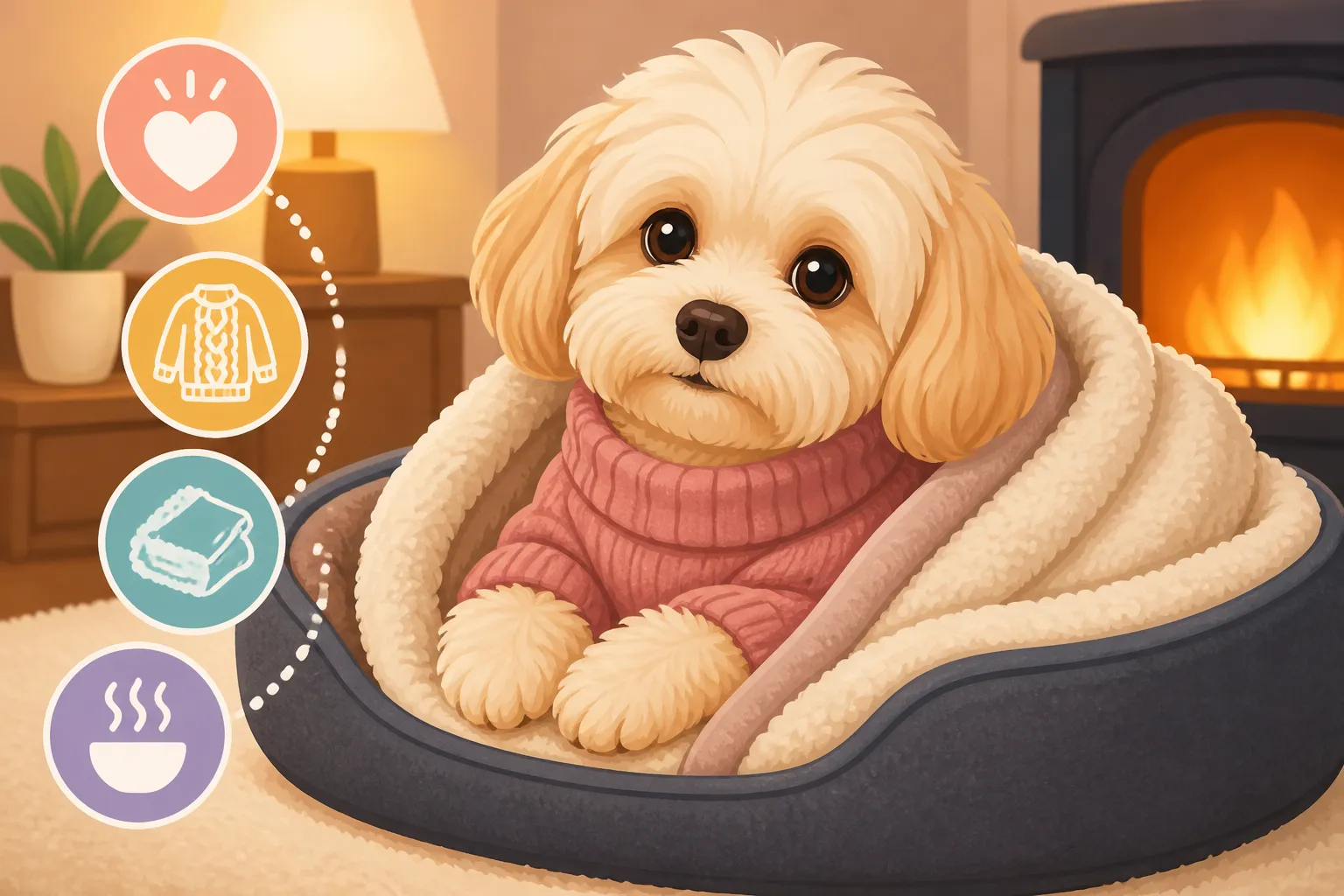
Your Maltipoo's bed isn't just a place to sleep; it's their sanctuary, and for an older dog, it needs to be a fortress of warmth and comfort. Orthopedic beds are a fantastic investment as they provide superior support for arthritic joints, but you also want to maximize their insulating properties. Look for beds with thick, supportive foam and raised bolster edges, which act as a natural draft barrier and give them something to nestle against. Filling their sleeping area with soft, plush blankets – think fleece or faux sheepskin – creates a cozy, insulated burrow. Many older dogs love to tunnel, and providing ample blankets allows them to create their own warm nest.
Consider where their bed is located. Is it near a drafty window or door? Even a seemingly small draft can make a huge difference to a senior dog. Relocate their bed to a more sheltered spot, perhaps in a corner or away from external walls. You can also use draft stoppers along windows and under doors. For truly chilly homes, or if your Maltipoo is particularly prone to cold, an enclosed pet bed or even a covered crate can make a significant difference. These create a microclimate within their sleeping space, trapping their body heat and keeping them much warmer. This kind of snug retreat is particularly helpful for dogs who tend to shiver indoors, as explored in Why a Maltipoo Shivers Indoors.
Appropriate Clothing and Gear
Sometimes, even with a warm home, our senior Maltipoos need an extra layer of protection, especially those with thinner coats or who are simply more susceptible to cold. This is where clothing comes in, and it's not just for fashion! A well-fitting sweater or coat can provide crucial warmth and make a huge difference in their comfort levels.
For indoor wear, a soft, breathable sweater made from fleece or wool can help retain body heat without causing overheating. Many Maltipoo owners swear by them, particularly during the colder months or if their home fluctuates in temperature. You might ask, Whether a Maltipoo Needs a Sweater Indoors? For many senior Maltipoos, the answer is a resounding yes. When heading outdoors, even for a short potty break, a proper dog coat is essential. Look for one that covers their back and ideally their belly, offering good insulation and water resistance. If they have thinning fur, this outer layer is vital to protect them from the elements.
Don't forget their paws! Older dogs with arthritis might struggle more on cold pavements, and their paw pads can be sensitive to freezing temperatures or even hot sidewalks in summer. Dog booties can protect their delicate paws from extreme temperatures and provide a bit of grip if they're struggling on slippery surfaces. It's about layering up just like we do, ensuring every part of their body is shielded from the chill. Websites like Chewy and Amazon have a vast selection of dog clothing and booties designed for small breeds, making it easy to find comfortable and practical options.
Comfort Measures for Daily Life and Outdoor Adventures
Keeping your Maltipoo warm and comfortable isn't just about their immediate environment; it extends to how you manage their daily activities, especially exercise and grooming, and how you monitor their overall well-being.
Gentle Exercise and Warm-Up Routines
Even with age and potential joint issues, exercise remains incredibly important for your Maltipoo. It helps maintain muscle mass, keeps joints flexible, and prevents stiffness. However, for a senior Maltipoo, the type and timing of exercise need to be adjusted. Instead of long, strenuous walks, opt for shorter, more frequent strolls. A five to ten-minute walk, two or three times a day, might be far more beneficial than one long outing that leaves them sore.
Always consider the weather. Avoid walking during the coldest parts of the day in winter or the hottest parts in summer. In colder months, a good quality dog coat is non-negotiable, and consider booties to protect their paws. Before heading out, a gentle warm-up indoors – perhaps some slow stretches or a few minutes of quiet movement – can help prepare their joints. After a walk, especially if it was a bit chilly, a gentle rub down and a warm, cozy bed will be much appreciated. This thoughtful approach to activity not only keeps them physically healthier but also mentally stimulated without overexertion. This ties into understanding The Walk a Six Pound Maltipoo Actually Needs as they age.
Easing Aches and Pains
Beyond just keeping them warm, actively managing their aches and pains is paramount. Orthopedic beds are an absolute must for older Maltipoos, providing pressure relief and support for their joints. These are often filled with memory foam that molds to their body, distributing weight evenly and reducing pressure points. Consider adding ramps or steps to your furniture if your Maltipoo still loves to cuddle on the sofa or sleep on the bed. Jumping up and down, even from a relatively low height, can put immense strain on aging joints and lead to injury. You can find sturdy, small-dog-friendly ramps on Amazon that can prevent unnecessary strain.
Gentle massage can also work wonders. Learning a few basic dog massage techniques can help improve circulation, relax tense muscles, and provide significant comfort. Focus on their hips, shoulders, and back, using light, circular motions. Many senior dogs adore this gentle attention. Discuss with your veterinarian whether supplements like glucosamine and chondroitin are appropriate, or if a prescribed anti-inflammatory medication is needed. These can make a noticeable difference in their comfort and mobility. Brands like Chewy offer a wide range of senior-specific supplements designed to support joint health.
Special Considerations for Grooming and Bathing
Grooming, which is a regular necessity for Maltipoos, can become more challenging and potentially uncomfortable for an older dog. Long grooming sessions can be tiring and painful for stiff joints. If you groom at home, aim for shorter, more frequent sessions. Instead of tackling a full brush-out, bath, and trim all at once, break it up. Perhaps a quick brush one day, a face trim the next, and a paw tidy a day later.
When bathing, make it as quick and gentle as possible. Use lukewarm water, not hot, and ensure the bathroom is warm to prevent chills. Use a dog-specific shampoo and rinse thoroughly. The most crucial part after a bath is drying them completely and quickly. A damp Maltipoo, especially an older one, will get cold very fast. Use a low-heat setting on a dog-specific dryer, or towel dry thoroughly and let them air dry in a warm room, wrapped in a cozy blanket. For professional grooming, communicate clearly with your groomer about your Maltipoo's age and any specific needs, such as arthritis. They can often do shorter sessions, allow for breaks, and be extra gentle with their movements. This careful approach ensures grooming is a positive experience, not a source of discomfort. You can learn more about how to make grooming easier in Grooming an Arthritic Maltipoo in Short Sessions.
Monitoring and Adapting to Their Needs
Caring for an older Maltipoo is an ongoing process of observation and adjustment. Their needs can change quickly, and what worked last month might not work today. Being attentive to their cues and proactive with their care is crucial for their long-term well-being.
Recognizing Signs of Discomfort or Cold
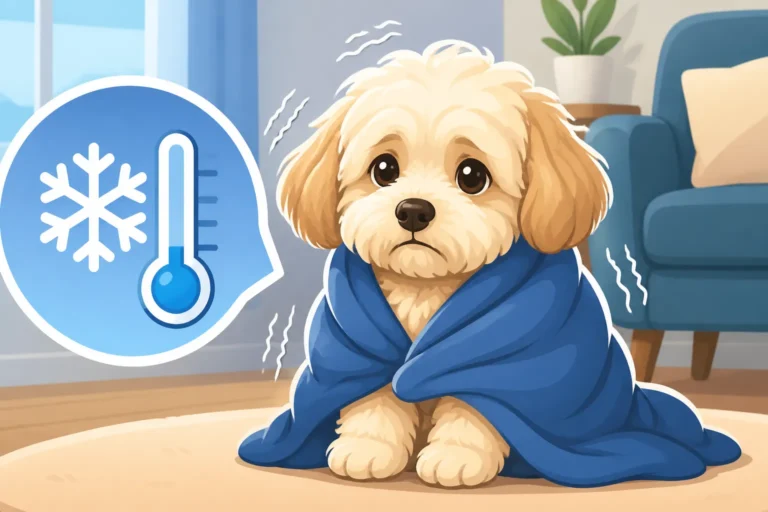
Your Maltipoo can't tell you in words that they're cold or in pain, so it's up to you to be a detective and read their body language. One of the most obvious signs of being cold is shivering, even when indoors. They might seek out warm spots like sunny windows or try to burrow deep into blankets or cuddle up tightly against you. Lethargy, or a general lack of energy, can also be a sign of discomfort, as their body is trying to conserve energy if they're feeling unwell or chilly.
Stiffness and changes in gait are key indicators of joint pain exacerbated by cold. Watch for a reluctance to move, difficulty getting up or lying down, or a noticeable limp or stiff walk. They might groan or whimper when trying to adjust their position. You might also notice them trying to avoid certain movements, like climbing stairs or jumping. Keep an eye on their appetite and thirst too; sometimes discomfort can lead to a decrease in these. If you see any of these signs, it's time to re-evaluate their environment and potentially consult your vet. Early intervention can make a significant difference in their comfort. These observations are closely linked to Whether a Maltipoo Gets Cold Easily.
Regular Vet Check-ups and Pain Management
Regular veterinary check-ups become even more critical as your Maltipoo ages, ideally twice a year. These visits allow your vet to catch potential issues early, manage existing conditions, and tailor pain management strategies. Discuss any changes you've observed, no matter how small they seem. Your vet can assess their joint health, check for signs of other age-related conditions, and recommend appropriate treatments. This proactive approach helps in Caring for a Maltipoo Past Ten.
Pain management for senior dogs often involves a multi-faceted approach. This can include prescription anti-inflammatory medications, joint supplements (like those found on Chewy or recommended by your vet), and even complementary therapies like acupuncture or therapeutic laser treatments in some cases. Nutrition also plays a role in their overall health and energy levels; for older dogs, some owners choose fresh food options like Ollie, which can be highly digestible and nutrient-rich, supporting their immune system and potentially helping maintain muscle mass for warmth. Never give your Maltipoo human pain medication without veterinary guidance, as many common human drugs are toxic to dogs. Your vet is your best partner in ensuring your cherished companion remains as comfortable and pain-free as possible in their golden years. These regular checks can also spot other age-related issues like those mentioned in Whether a Maltipoo Gets Heart Murmurs or Whether a Maltipoo's Kidneys Fail With Age.
Here's a quick comparison of popular warming and comfort items for your senior Maltipoo:
| Item Type | Description | Pros | Cons | Best Use Case |
|---|---|---|---|---|
| Orthopedic Dog Bed | Thick memory foam or supportive filling | Excellent joint support, pressure relief, durable | Can be more expensive, might be heavier to move | Primary sleeping area, dogs with arthritis or mobility issues |
| Pet-Safe Heating Pad | Low-voltage, controlled temperature electric pad | Direct therapeutic warmth, soothes aching joints, energy-efficient | Requires supervision, needs to be unplugged, potential chew hazard if not robustly made | Targeted relief for specific sore spots, supplemental warmth in bed |
| Dog Sweaters/Coats | Fabric garments for indoor or outdoor wear | Extra insulation, fashionable, wide range of styles | Can restrict movement if ill-fitting, some dogs dislike wearing clothes, needs regular cleaning | Mildly chilly homes, short outdoor trips, thin-coated breeds |
| Plush Blankets | Soft, thick fabrics like fleece or faux fur | Easy to wash, versatile, allows burrowing, affordable | Can get pushed around, less structural support, may not be enough for extreme cold | Adding layers to existing beds, creating nesting spots, travel comfort |
| Dog Ramps/Steps | Carpeted or textured inclines for furniture access | Prevents jumping injuries, preserves joint health, builds confidence | Can take up floor space, some dogs need training to use them, aesthetics | Allowing safe access to sofas or beds, preventing strain from jumping |
Disclaimer
This article is for general informational purposes only and does not constitute professional advice. Laws, prices and regulations vary by location and change over time. Consult a qualified professional for guidance on your specific situation.