The Twelve to Fifteen Years a Maltipoo Lives
It's heartbreaking to imagine our beloved Maltipoos not being by our side forever, and when you first welcome that fluffy bundle of joy into your home, it's natural to wonder just how many wonderful years you'll get to share. The good news is that Maltipoos generally enjoy a robust lifespan, but understanding the factors that influence their longevity can help you maximize those precious years. This comprehensive guide will delve into what contributes to a long, healthy life for your Maltipoo, from genetics to daily care.
Understanding the Typical Maltipoo Lifespan
When you bring a Maltipoo into your family, you're not just getting a pet; you're gaining a loyal companion whose bright eyes and playful spirit will enrich your life for many years to come. Generally speaking, Maltipoos tend to live a good, long life, often gracing our homes for anywhere from 12 to 15 years. This range is pretty standard for small breed dogs, and it’s certainly something to celebrate. Many owners find their Maltipoos defying expectations and living even longer, sometimes even reaching 17 or 18 years with exceptional care and a bit of luck.
However, it's not simply a roll of the dice. This impressive lifespan isn't just a given; it’s often a testament to careful breeding, dedicated owners, and a little bit of genetic good fortune. You see, the Maltipoo is a mix of two wonderful breeds, the Maltese and the Poodle, both of which are known for their respectable longevity. A Maltese typically lives between 12 to 15 years, and a Poodle (especially the Toy and Miniature varieties from which Maltipoos are usually bred) also enjoys a similar range, often 10 to 18 years. This genetic foundation gives your Maltipoo a strong head start in the longevity department, combining the best of both worlds.
Factors Defining Longevity in Small Breeds
Small dog breeds, like our beloved Maltipoos, generally have a longer lifespan compared to their larger canine counterparts. This is a well-observed phenomenon in the veterinary world, though the exact biological reasons are still being fully understood. One theory suggests that larger dogs age at an accelerated rate, experiencing more wear and tear on their bodies and cellular structures over a shorter period. Their organs and joints might simply work harder, leading to earlier onset of age-related diseases.
For a Maltipoo, their small stature means less stress on their skeletal system, fewer demands on their cardiovascular system, and generally a slower metabolic rate compared to, say, a Great Dane. This isn’t to say small dogs are immune to health issues, far from it. But their inherent physiological makeup often provides a buffer, allowing them more time to experience life. It’s also often easier for owners to notice subtle changes or provide hands-on care for smaller dogs, potentially leading to quicker veterinary intervention when needed. This combination of genetic predisposition and the general advantages of being a pint-sized pup truly sets the stage for a long and happy life with your Maltipoo.
Individual Variation in Lifespan
While 12 to 15 years is a fantastic average, it’s crucial to remember that every single Maltipoo is an individual. Just like people, some dogs will sail through life with nary a health concern, while others might face challenges that unfortunately shorten their time with us. It's not uncommon to hear stories of Maltipoos who lived to a ripe old age of 18 or even 20, seemingly defying the odds with boundless energy right up to their final days. These are the lucky ones, often blessed with exceptional genetics and unwavering care.
On the flip side, some Maltipoos might, tragically, succumb to unforeseen health issues or accidents at a younger age. This variation can be influenced by a myriad of factors, including the specific genetic lines they come from, the quality of their early care, their diet throughout life, the amount of exercise they receive, and even the environmental stressors they encounter. This variability highlights why focusing on providing the best possible care, from their puppy days right through their senior years, is paramount. It’s about doing everything you can to tip the scales in favor of those extra cherished years.
Genetic Factors Influencing Longevity
The genetic blueprint of your Maltipoo plays a monumental role in how long and how healthily they live. Being a hybrid dog, the Maltipoo inherits traits from both the Maltese and the Poodle, and this genetic mix can sometimes lead to what is known as "hybrid vigor." This concept suggests that crossbred animals can sometimes be healthier and more robust than their purebred parents, due to a wider gene pool and a reduced chance of inheriting specific breed-related genetic diseases that might be more prevalent in closely bred purebred lines.
However, hybrid vigor isn’t a guaranteed shield. Your Maltipoo is still susceptible to many of the health issues common to both parent breeds. A reputable breeder will go to great lengths to screen their breeding stock for genetic conditions, aiming to produce the healthiest puppies possible. This is why understanding the health background of both the Maltese and Poodle parents is so important; it gives you a clearer picture of potential predispositions and allows you to be proactive in your Maltipoo's care.
Health Contributions from the Maltese Line
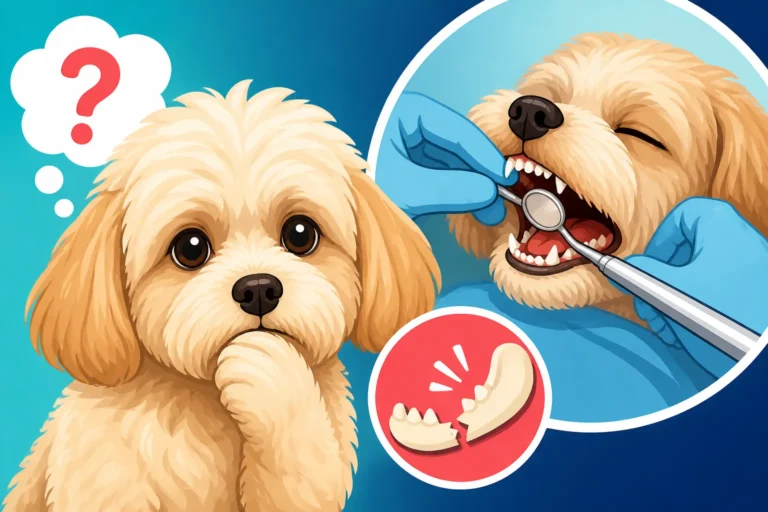
The Maltese, a delightful and ancient breed, is known for its elegant white coat and lively personality. They generally enjoy a long lifespan, but they do have certain predispositions that can be passed down to their Maltipoo offspring. One common concern for Maltese, and thus for Maltipoos, is dental disease. The Forty Two Teeth Crowding a Maltipoo's Jaw can lead to significant issues if not addressed, potentially impacting their overall health and longevity. Regular dental care is not just cosmetic; it's a critical component of their health.
Another area of concern is patellar luxation, or "slipping kneecaps." This condition, while not usually life-threatening, can cause discomfort and impact mobility, potentially leading to arthritis and a reduced quality of life if severe. Similarly, some Maltese lines can carry a predisposition for conditions like portosystemic shunt, often referred to as The Liver Shunt a Maltipoo Can Inherit From the Maltese. This serious condition affects the liver's ability to filter toxins and requires careful monitoring and often surgical intervention. Being aware of these potential genetic links from the Maltese side allows you to be vigilant and work closely with your vet for early detection and management.
Poodle Genetic Strengths and Weaknesses
Poodles, particularly the Toy and Miniature sizes typically used in Maltipoo breeding, are highly intelligent, active, and also boast impressive lifespans. Their genetic contribution to the Maltipoo brings both strengths and specific health considerations. Poodles are generally robust, but they can be prone to certain eye conditions. The Eyes a Maltipoo Gets From the Poodle may predispose them to progressive retinal atrophy (PRA) or cataracts, which can affect their vision and quality of life as they age.
Another condition associated with Poodles that can appear in Maltipoos is Addison's disease, an endocrine disorder that affects the adrenal glands. While less common, it’s a serious condition that requires lifelong management. Epilepsy and certain immune-mediated diseases, like White Shaker Syndrome in a Maltipoo, also have a higher incidence in Poodle lines. On the other hand, the Poodle's strong genetic health contributes to the overall vigor of the Maltipoo, often enhancing their resilience. Understanding both sides of the genetic coin empowers you to have informed conversations with your veterinarian and take proactive steps for your Maltipoo's long-term health, perhaps even considering pet insurance from providers like Healthy Paws to help manage unexpected health costs.
The Impact of Size on a Maltipoo's Life
When we talk about Maltipoos, it’s not a "one size fits all" discussion. These charming dogs come in a range of sizes, often categorized as Teacup, Toy, and Miniature, largely depending on the size of their Poodle parent. While all Maltipoos are small, there's a significant difference between a two-pound "Teacup" and a twelve-pound "Miniature," and these size distinctions can actually have a profound impact on their overall health and, by extension, their lifespan.
Smaller generally doesn't always mean healthier in the canine world, especially at the extreme ends of the spectrum. While small breeds, in general, live longer than large breeds, extremely tiny dogs can face unique challenges. It's a delicate balance, and understanding these nuances is crucial for prospective and current Maltipoo owners alike.
Teacup Maltipoos and Their Unique Risks
The term "Teacup Maltipoo" conjures images of an impossibly tiny, fragile pup, and while undeniably adorable, this extreme smallness often comes with increased health risks. Teacup Maltipoos typically weigh between two and five pounds as adults. While a five-pound Maltipoo can be quite healthy, those on the lower end, especially under four pounds, often face significant challenges. What Breeding Smaller Costs a Maltipoo can be substantial in terms of their health outcomes.
These tiny pups are particularly prone to Hypoglycemia and the Teacup Maltipoo Puppy, a dangerous drop in blood sugar that can be life-threatening if not managed immediately. Their small body mass means they have less stored energy, and their underdeveloped livers struggle to regulate blood sugar levels. They also struggle more with temperature regulation, getting cold much faster than their larger counterparts. Additionally, their delicate bones are more susceptible to fractures from even minor falls, and administering anesthesia for necessary procedures like dental cleanings or spaying/neutering carries higher risks. Owners of true teacups must be incredibly vigilant, offering frequent meals and keeping a close eye on their pup's energy levels. You might even find yourself asking Whether a Teacup Maltipoo Ever Stops Being at Risk as they age, highlighting the ongoing need for careful attention.
Toy and Miniature Maltipoo Longevity
Toy Maltipoos, generally weighing between five and ten pounds, and Miniature Maltipoos, ranging from ten to twenty pounds, tend to enjoy the most robust health and longest lifespans within the Maltipoo spectrum. These sizes are typically less prone to the severe hypoglycemia risks seen in very tiny "teacups" and have more developed organ systems. Their slightly larger frames also offer a bit more resilience against minor bumps and falls, though caution is always advised.
For these mid-range Maltipoos, the focus shifts more towards managing the common breed-specific issues from their Maltese and Poodle heritage, such as dental disease, patellar luxation, and potential eye conditions, rather than the immediate survival concerns of extreme smallness. Owners of Toy and Miniature Maltipoos can expect to share a full 12 to 15 years, or even more, with their companions, provided they maintain excellent preventive care, a balanced diet, and an active lifestyle. These sizes often represent the sweet spot for health and longevity in the Maltipoo breed.
Preventative Care and Regular Vet Visits
One of the absolute biggest influences on your Maltipoo's lifespan is the quality and consistency of their preventative healthcare. It's not just about reacting when something goes wrong; it's about proactively maintaining their well-being to prevent issues from escalating or even occurring in the first place. Think of it as laying a strong foundation for a long, healthy life, brick by brick, starting from their puppy days.
Regular veterinary visits are the cornerstone of this approach. Your veterinarian is your best partner in ensuring your Maltipoo thrives for as many years as possible. They provide essential screenings, vaccinations, and personalized advice that no amount of internet research can replace. Establishing a strong relationship with your vet from the beginning is paramount.
The Importance of Annual Health Checks
For many of us, taking our otherwise seemingly healthy dog to the vet every year can feel a bit like an unnecessary expense or an inconvenience. But for a Maltipoo, these annual health checks are absolutely non-negotiable and incredibly important for their long-term health and longevity. These aren't just quick weigh-ins; they are comprehensive assessments designed to catch subtle changes that you, as an owner, might not even notice.
During these visits, your vet will perform a thorough physical examination, checking everything from their nose to their tail. This includes listening to their heart and lungs, palpating their abdomen, checking their joints for conditions like Slipping Kneecaps in a Maltipoo, examining their eyes and ears, and, crucially, inspecting their teeth and gums. This proactive approach helps in early detection of potential issues before they become major problems. For example, catching early signs of dental disease means you can intervene before it leads to serious infections or tooth loss. Your vet will also discuss preventative medications, such as flea, tick, and heartworm prevention, which are vital for avoiding serious illnesses that can drastically shorten a Maltipoo's life. Essentially, The Yearly Checks a Maltipoo Should Get are your best defense against unexpected health woes.
Vaccinations and Parasite Prevention
Ensuring your Maltipoo is up-to-date on all recommended vaccinations and consistently protected against parasites is a fundamental aspect of extending their lifespan. Vaccinations safeguard your pup against highly contagious and potentially fatal diseases like distemper, parvovirus, adenovirus, and rabies. These diseases, if contracted, can cause immense suffering and significantly shorten a dog's life, especially in small, delicate breeds like Maltipoos. Following your vet’s vaccination schedule ensures your Maltipoo builds robust immunity.
Beyond vaccinations, a comprehensive parasite prevention plan is critical. Fleas can cause intense itching, skin infections, and even transmit tapeworms. Ticks carry a host of serious diseases, including Lyme disease, anaplasmosis, and ehrlichiosis, all of which can lead to chronic health issues or even death if left untreated. Heartworms, transmitted by mosquitoes, are particularly insidious, causing severe damage to the heart and lungs that is difficult and costly to treat, and often fatal. Regularly administering veterinarian-prescribed preventatives for fleas, ticks, and heartworms is a small effort that yields massive returns in terms of your Maltipoo's health and years with you. Consider discussing pet insurance options like those from Healthy Paws with your vet, as coverage can ease the financial burden if your pet encounters unexpected parasitic illnesses or other health challenges.
Nutrition and Diet for a Long-Lived Maltipoo
Just like with humans, the food your Maltipoo eats plays a monumental role in their overall health, energy levels, and ultimately, their longevity. You wouldn't expect to thrive on a diet of fast food, and neither can your Maltipoo. Providing them with a high-quality, balanced diet tailored to their specific needs is one of the most powerful tools you have to ensure they live a long, vibrant life. It goes beyond simply filling their bowl; it's about understanding what truly nourishes their tiny bodies.
The right nutrition supports everything from their immune system to their coat health, bone density, and organ function. Conversely, a poor diet can lead to obesity, dental problems, digestive issues, and a weakened immune system, all of which can significantly shorten their lifespan and diminish their quality of life.
Choosing the Right Food
Selecting the best food for your Maltipoo can feel overwhelming with the sheer number of options available on the market. The key is to look for a high-quality commercial dog food specifically formulated for small breeds. These foods are designed with smaller kibble sizes to suit their tiny mouths and jaws, and they often contain appropriate nutrient densities for their higher metabolism. Look for brands that list real meat (like chicken, lamb, or fish) as the first ingredient, followed by wholesome vegetables, fruits, and healthy grains. Avoid foods with excessive fillers, artificial colors, flavors, or preservatives.
Consider your Maltipoo’s life stage – puppies, adults, and seniors all have different nutritional requirements. Puppy food provides the extra calories and nutrients needed for growth, while senior formulas might focus on joint support and lower calorie counts. Some owners opt for fresh or raw food diets, but these require thorough research and often veterinary guidance to ensure they are nutritionally complete and balanced. Always consult your veterinarian to determine the best diet plan for your individual Maltipoo, taking into account their age, activity level, and any specific health concerns.
Portion Control and Feeding Schedule
When you have a small dog like a Maltipoo, every single calorie counts. It's incredibly easy to overfeed them, even by just a tiny bit, which can quickly lead to excess weight. Obesity is a serious health risk for Maltipoos, contributing to issues like diabetes, joint problems (exacerbating conditions like patellar luxation), heart disease, and a reduced lifespan. This is why precise portion control is absolutely critical. Do not eyeball it or rely solely on the recommendations on the food bag, which are often generalized.
Instead, use a measuring cup for accuracy, or better yet, a digital kitchen scale to weigh out their food. Your vet can provide specific calorie recommendations based on your Maltipoo's ideal weight and activity level. As for frequency, Maltipoo puppies, especially those prone to hypoglycemia, need to eat more frequently, sometimes three to four times a day. Why a Two Pound Maltipoo Cannot Skip a Meal is a stark reminder of this. Adult Maltipoos generally do well on two meals a day. Sticking to a consistent feeding schedule not only helps with digestion but also aids in house training. And remember, treats count! They should make up no more than 10% of your Maltipoo’s daily caloric intake.
The Role of Exercise and Mental Stimulation
While Maltipoos are small dogs and might look like they prefer to be pampered lap dogs, they actually possess a surprising amount of energy and intelligence, inherited from both the playful Maltese and the keen Poodle. Therefore, providing them with regular exercise and ample mental stimulation isn't just about keeping them happy; it's fundamental to their physical health, emotional well-being, and ultimately, their longevity. A bored or under-exercised Maltipoo can quickly develop behavioral issues and suffer from declining physical health.
Just like us, dogs need to move their bodies to keep their hearts healthy, their muscles strong, and their weight in check. Mental exercise is equally important, preventing cognitive decline and keeping their minds sharp. Neglecting these aspects can lead to a shorter, less fulfilling life for your furry friend.
Daily Physical Activity Needs
Don't let their small size fool you; Maltipoos need regular physical activity to stay healthy and maintain a good weight. While they aren't marathon runners, a brisk daily walk or two is essential. For most adult Maltipoos, about 30-60 minutes of daily activity, broken into shorter sessions, is a good target. This could include two 15-20 minute walks, plus some playtime in the yard or indoors. Remember to adjust the intensity and duration based on your individual Maltipoo's age, energy level, and physical condition. A senior Maltipoo or one with orthopedic issues like patellar luxation will need gentler, shorter walks.
Supervised playtime, both indoors and outdoors, is also a fantastic way to burn off energy. Fetch with a soft toy, a gentle game of tug, or simply chasing you around the house can be great exercise. Be mindful of their delicate joints; avoid excessive jumping from high places like sofas or beds, as this can lead to injuries or exacerbate conditions like Whether a Maltipoo Can Be Injured by a Fall. Regular physical activity helps maintain a healthy weight, strengthens their cardiovascular system, improves digestion, and keeps their joints flexible, all contributing to a longer, more active life.
Mental Stimulation and Enrichment
Beyond just physical exercise, your intelligent Maltipoo craves mental stimulation. A bored Maltipoo can become destructive, anxious, or develop undesirable habits. Engaging their minds keeps them sharp, happy, and contributes to overall well-being. Think of it as brain games for dogs! Puzzle toys that dispense treats when manipulated are excellent for this, encouraging problem-solving and making mealtime or snack time more engaging.
Training sessions, even short 5-10 minute bursts a few times a day, provide fantastic mental exercise. Maltipoos, with their Poodle intelligence, love to learn new tricks and respond well to positive reinforcement. This not only strengthens your bond but keeps their minds active and alert. Hide-and-seek with a favorite toy, scent work games where they have to sniff out hidden treats, or even rotating their toys to keep things fresh can provide enrichment. A mentally stimulated Maltipoo is generally a happier, more well-adjusted dog, less prone to stress-related behaviors that can indirectly impact their health.
Common Health Issues That Affect Lifespan
While Maltipoos are generally healthy dogs and often benefit from hybrid vigor, they are not immune to health problems. Being aware of the most common issues that can affect their lifespan is crucial for early detection and prompt treatment. Many conditions, if caught early, can be managed effectively, allowing your Maltipoo to live a full and comfortable life. Ignoring symptoms, however, can lead to more serious complications and a reduced lifespan.
Understanding these potential health hurdles allows you to be a proactive owner, engaging with your veterinarian to monitor, prevent, or treat conditions before they become critical. Early intervention is often the key to preserving their quality of life and maximizing their years with you.
Dental Disease Risks
Perhaps one of the most underestimated and prevalent health issues affecting Maltipoos is dental disease. Because of their small mouths and often crowded teeth (remember The Forty Two Teeth Crowding a Maltipoo's Jaw?), they are highly predisposed to plaque and tartar buildup. Without consistent care, this quickly escalates into gingivitis, periodontitis, and severe tooth decay. You might think bad breath is just a normal dog thing, but it's often the first sign of a serious problem brewing in their mouth.
The impact of dental disease goes far beyond bad breath and tooth loss. The bacteria from infected gums can enter the bloodstream and travel to vital organs like the heart, kidneys, and liver, causing serious secondary infections and organ damage. This can significantly shorten your Maltipoo's life. Whether Dental Disease Shortens a Maltipoo's Life is a resounding yes! Regular brushing, professional dental cleanings under anesthesia, and dental chews (approved by your vet) are not just "nice-to-haves"; they are essential components of preventive care that can literally add years to your Maltipoo's life. Pet insurance providers like Healthy Paws can often help cover the costs of unexpected dental procedures, beyond routine cleanings, should problems arise.
Orthopedic Concerns
Maltipoos, inherited from their parent breeds, can be prone to several orthopedic issues, with patellar luxation being the most common. This condition, where the kneecap slips out of place, can range from mild (Grade 1) to severe (Grade 4). You might notice a skip in their step, an intermittent lameness, or even hear a clicking sound. While mild cases might only require pain management and exercise restriction, more severe cases often necessitate surgery to correct the issue and prevent further damage, such as arthritis. For more information, you can explore Slipping Kneecaps in a Maltipoo.
Another less common but severe orthopedic issue is Legg-Calve-Perthes disease, a degenerative condition of the hip joint that can cause lameness and pain. Early diagnosis and intervention, whether surgical or conservative, are key to managing these conditions and maintaining your Maltipoo's mobility and quality of life. Owners can minimize the risk of injury by preventing their Maltipoo from jumping off high furniture, using pet steps, and keeping them at a healthy weight to reduce stress on their joints. Maintaining a healthy weight is particularly important, as excess pounds put undue strain on already compromised joints.
Other Health Conditions to Monitor
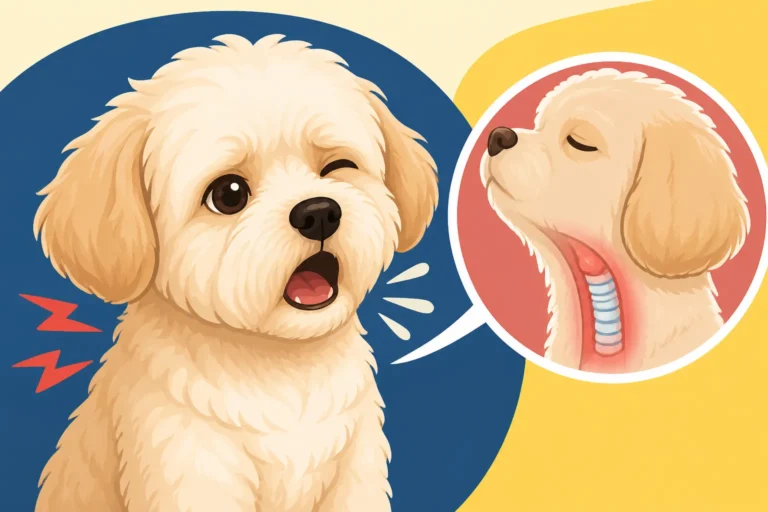
Beyond dental and orthopedic issues, Maltipoos can be susceptible to a few other health conditions that, if left unaddressed, can impact their lifespan. Collapsing trachea is one such concern, often manifesting as a dry, honking cough, especially when excited or pulling on a collar. The Cough That Means a Maltipoo's Trachea Is Collapsing can be alarming, and managing it often involves harnesses instead of collars, medication, and sometimes surgery.
Portosystemic shunts, while less common, are serious congenital conditions where blood bypasses the liver, preventing toxins from being filtered. This can lead to neurological symptoms and stunted growth. Early detection, often through specialized blood tests, is vital, and surgical correction can offer a good prognosis. Eye conditions, like Progressive Retinal Atrophy (PRA) or cataracts, can affect vision as they age, impacting their quality of life. Regular eye exams can help catch these early. Heart murmurs and other cardiac conditions are also possible. Being proactive with your vet through regular check-ups is the best way to monitor for these and other conditions, ensuring your Maltipoo receives timely care and lives their fullest life.
Here's a table summarizing common Maltipoo health issues and their potential impact on lifespan:
| Health Issue | Common Onset Age | Potential Impact on Lifespan | Early Signs to Watch For | Prevention/Management Strategies |
|---|---|---|---|---|
| Dental Disease | 2+ years | Significant reduction if severe, organ damage | Bad breath, red/bleeding gums, difficulty eating, pawing at mouth | Daily brushing, vet dental cleanings, appropriate dental chews |
| Patellar Luxation | Puppyhood onwards | Moderate if severe, leads to arthritis | Skipping steps, limping, holding leg up, clicking sound | Weight management, controlled exercise, vet assessment, surgery for severe cases |
| Hypoglycemia | Puppyhood | Can be fatal if untreated | Weakness, lethargy, trembling, confusion, seizures | Frequent small meals, high-calorie supplement on hand, avoid stress |
| Tracheal Collapse | Mid-life onwards | Mild to moderate, impacts quality of life | Honking cough, wheezing, difficulty breathing, exercise intolerance | Harness instead of collar, weight management, medication, surgery in severe cases |
| Portosystemic Shunt | Puppyhood | Significant reduction if untreated | Stunted growth, neurological signs (disorientation, seizures), vomiting | Special diet, medication, surgical correction |
| Progressive Retinal Atrophy (PRA) | 3-6 years (variable) | Vision loss, impacts quality of life | Night blindness, bumping into objects, dilated pupils | DNA testing (for breeding), regular eye exams, environmental adjustments |
Environmental and Lifestyle Factors
Beyond genetics and medical care, the environment in which your Maltipoo lives and the daily lifestyle you provide them with also significantly influence their potential lifespan. Think of it as creating a nurturing bubble that supports their health and well-being every single day. This isn't just about shelter and food; it encompasses their safety, emotional security, and the overall quality of their daily interactions.
A stimulating, safe, and loving home can make all the difference, helping them avoid accidents, reduce stress, and generally thrive. Conversely, a chaotic, neglectful, or dangerous environment can introduce stressors and risks that unfortunately cut short their time with you. As a responsible owner, you have immense power to shape these factors positively.
Creating a Safe Home Environment
Maltipoos, especially the smaller ones, can be surprisingly vulnerable in a typical home environment. Their small stature means dangers that larger dogs might ignore become significant risks for them. A seemingly innocent fall from a couch or bed can result in a serious injury or broken bone. Therefore, creating a safe home is paramount to protecting their physical well-being and preventing accidents that could prematurely end their lives. Consider using pet steps or ramps for furniture your Maltipoo likes to access, especially if they have predispositions to joint issues like patellar luxation.
Secure your home by putting away toxic substances, medications, and small objects they could choke on. Electrical cords can be tempting to chew and pose an electrocution risk. Be mindful of open doors and windows, and ensure your yard is securely fenced if they spend time outdoors. Even well-meaning visitors, especially children, need to be taught how to interact gently with such a small dog to prevent accidental injury. A safe environment means fewer trips to the emergency vet and more joyful years at home.
Managing Stress and Emotional Well-being
It's easy to overlook the emotional health of our dogs, but a Maltipoo's stress levels can have a tangible impact on their physical health and lifespan. Chronic stress can suppress their immune system, making them more susceptible to illness, and can also exacerbate existing health conditions. Maltipoos are highly sensitive and thrive on routine and companionship, and they can be prone to separation anxiety if left alone for extended periods.
Providing a consistent routine, plenty of positive interaction, and a calm, predictable home environment contributes significantly to their emotional well-being. If you have a busy household, ensure your Maltipoo has a quiet, safe space where they can retreat and feel secure. Early socialization helps them cope better with new people, places, and experiences, reducing anxiety in unfamiliar situations. Addressing behavioral issues like excessive barking or fearfulness with positive reinforcement training can also alleviate stress for both you and your dog. A happy, emotionally secure Maltipoo is more likely to be a healthy Maltipoo, living their life to the fullest.
Recognizing the Signs of Aging and Senior Care
As much as we wish they could stay puppies forever, our Maltipoos will eventually enter their golden years. For a breed that typically lives 12 to 15 years, signs of aging often start to become noticeable around the age of 8-10 years. This transition into seniority is a natural part of life, but it doesn't mean the end of their joy or your companionship. In fact, these can be some of the most cherished years, filled with quiet comfort and deep affection.
However, senior Maltipoos have different needs than their younger counterparts. Recognizing the subtle signs of aging and adjusting your care routine accordingly is paramount to ensuring their comfort, maintaining their quality of life, and extending their happy years. Proactive senior care can make a huge difference in managing age-related changes effectively.
Common Signs of Aging
As your Maltipoo gracefully enters their senior years, you might start to notice several common signs of aging. These changes are usually gradual, so it's important to pay close attention to your dog's daily habits and physical condition. One of the most obvious signs is a general slowing down: less enthusiasm for walks, more naps, and a reduced interest in energetic play. This can also manifest as stiffness, especially in the mornings or after resting, which could indicate developing arthritis or exacerbation of existing orthopedic issues like patellar luxation.
Vision and hearing may also decline. You might notice your Maltipoo bumping into furniture, especially in dim light, or not responding as readily to their name or commands. Their eyes may develop a cloudy appearance due to lenticular sclerosis, a normal aging change, though cataracts can also occur. Other signs include changes in coat texture, weight gain (due to decreased activity) or weight loss (due to underlying health issues), and changes in appetite or thirst. Increased thirst, for example, could be a sign of kidney issues or diabetes. Increased urination or accidents in the house can also be indicators of aging bladder control or medical conditions. These subtle shifts are your cue to consult your vet.
Adjusting Care for Senior Maltipoos
Caring for a senior Maltipoo requires thoughtful adjustments to their routine, diet, and environment. Regular veterinary check-ups become even more crucial, often recommended every six months, to monitor for age-related diseases that can progress quickly. Your vet may suggest blood work, urinalysis, and other screenings to catch issues like kidney disease, liver problems, or thyroid imbalances early on. Pet insurance, even for older pets, can be a lifesaver; companies like Healthy Paws offer coverage that can help manage the costs of senior care.
Dietary changes are often necessary. Senior-specific dog foods are typically lower in calories to prevent weight gain, but rich in nutrients that support joint health and organ function. You might also consider supplements like glucosamine for joint support. Exercise should be maintained but adjusted to gentler, shorter walks more frequently, and perhaps more indoor playtime. Provide comfortable, orthopedic beds to ease joint pain. Ensure easy access to food, water, and potty areas, possibly using puppy pads indoors if accidents become more frequent. Keep their environment consistent and familiar to help if their vision or hearing is declining. Most importantly, continue to provide an abundance of love, patience, and comfort, making their golden years as happy and dignified as possible.
Disclaimer
The information provided in this article is for general informational purposes only and is not intended as a substitute for professional veterinary advice. Always consult with a qualified veterinarian regarding any medical condition or health concerns your Maltipoo may have.