Whether a Maltipoo’s Kidneys Fail With Age
It's heartbreaking to think about our beloved Maltipoos growing older, and one of the most common worries that creeps into our minds is the health of their vital organs. As they age, it’s natural to wonder if their kidneys, those tiny but mighty filters, will hold up. This guide will walk you through the realities of kidney health in senior Maltipoos, helping you understand what to look for, how to manage it, and proactive steps you can take to keep them as healthy as possible for all their wonderful years.
Understanding Kidney Function in Maltipoos
Our Maltipoos, with their playful spirits and loving eyes, rely on their internal systems just like we do. The kidneys are absolute powerhouses, working tirelessly behind the scenes to keep everything balanced. When these vital organs start to falter, it can impact their entire well-being.
The Role of Kidneys in a Dog's Body
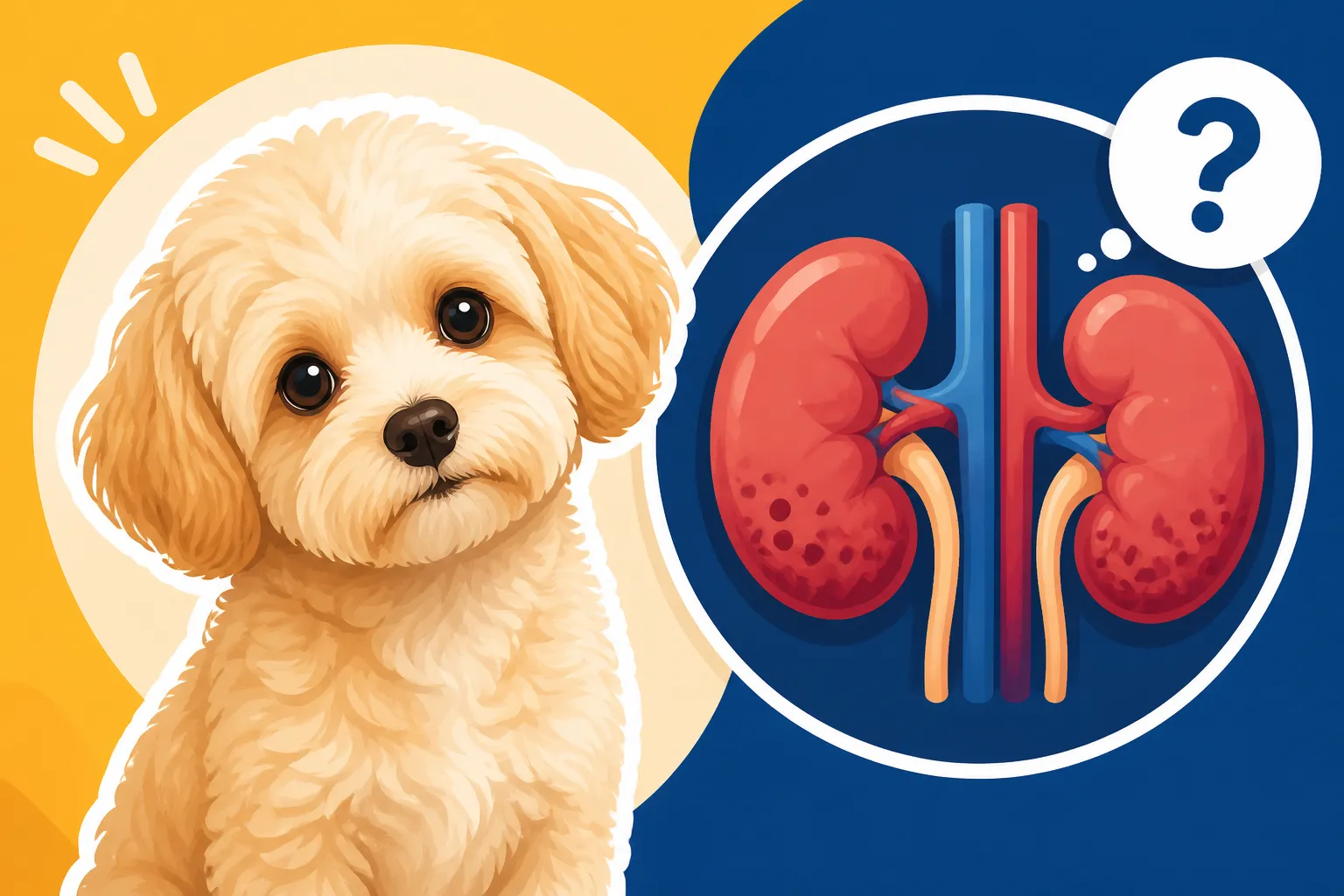
Think of your Maltipoo's kidneys as the body's personal purification plant. Their primary job is to filter waste products and toxins from the blood, which are then excreted in urine. They also play a crucial role in maintaining proper fluid balance, electrolyte levels (like sodium, potassium, and calcium), and blood pressure. Beyond that, kidneys are involved in producing hormones that stimulate red blood cell production and regulate vitamin D metabolism, which is essential for bone health.
Without properly functioning kidneys, these toxins can build up in the bloodstream, leading to a condition called uremia, which can make your Maltipoo feel incredibly sick. The delicate balance of fluids and electrolytes gets thrown off, affecting everything from their energy levels to their heart function. It’s a complex system, and when any part isn't working optimally, the whole body feels the strain.
Why Small Breeds Have Unique Health Considerations
While kidney disease isn't exclusive to small breeds, our pint-sized companions like Maltipoos do have some unique physiological quirks that can influence their health as they age. Smaller dogs often have faster metabolisms, and while this isn't a direct cause of kidney failure, it means their bodies are constantly working. Their smaller stature can also make them more susceptible to certain conditions or make treatments a bit more challenging. For instance, tiny veins can be trickier for IV access if they ever need fluids.
On the flip side, smaller dogs typically live longer than giant breeds, giving age-related conditions like chronic kidney disease more time to develop. A Maltipoo can live for The Twelve to Fifteen Years a Maltipoo Lives, and during that span, their kidneys are working non-stop. Early detection and proactive care become even more important because their smaller body mass means changes can sometimes become critical more quickly. It's not that their kidneys are inherently weaker, but their overall physiology means we need to be extra vigilant as they mature.
The Reality of Kidney Disease in Aging Maltipoos
It's a tough truth to face, but kidney disease is a relatively common concern in older dogs, and Maltipoos are no exception. Knowing the difference between acute and chronic, and spotting those early, often subtle, signs can make all the difference in their quality of life.
Acute vs. Chronic Kidney Disease
When we talk about kidney problems, it's important to distinguish between acute and chronic issues.
Acute Kidney Disease (AKI) is like a sudden, unexpected shock to the system. It comes on rapidly, often within hours or days, and is usually triggered by something specific and identifiable. Common culprits for AKI in dogs include:
- Toxins: Ingesting poisons like antifreeze, certain human medications (NSAIDS are a big one!), or even some plants can severely damage the kidneys quickly.
- Infections: Severe bacterial infections, like leptospirosis, can directly attack kidney tissue.
- Reduced Blood Flow: Conditions causing a sudden drop in blood pressure, like severe dehydration, heatstroke, or shock, can starve the kidneys of oxygen and cause damage.
- Urinary Obstruction: Blockages, such as Whether a Maltipoo Gets Bladder Stones or tumors, can cause urine to back up into the kidneys, leading to acute failure.
The good news is that if caught quickly and the underlying cause is treated, acute kidney injury can sometimes be reversible, or at least significantly managed. However, even after recovery, a dog might be left with some degree of permanent kidney damage, predisposing them to chronic issues later on.
Chronic Kidney Disease (CKD), on the other hand, is a slow, progressive decline in kidney function that develops over months or even years. It's often linked to the natural aging process, where kidney tissue gradually wears down. Think of it like a car engine slowly losing efficiency over time. The causes can be numerous and sometimes aren't entirely clear, but include:
- Age-related degeneration: This is the most common reason for CKD in older dogs.
- Dental Disease: Chronic infections, like severe Whether Dental Disease Shortens a Maltipoo's Life, can allow bacteria to enter the bloodstream and travel to the kidneys, causing long-term damage.
- Congenital issues: Some dogs are born with kidneys that aren't fully developed or have structural abnormalities.
- Other chronic conditions: High blood pressure, heart disease (Whether a Maltipoo Gets Heart Disease), or certain autoimmune diseases can contribute to CKD.
Unfortunately, CKD is typically irreversible. The goal of treatment is to slow its progression, manage symptoms, and maintain the best possible quality of life for as long as possible. Many Maltipoos can live comfortably for years with proper management, even with a CKD diagnosis.
Recognising the Subtle Signs of Kidney Trouble
This is where you, as a Maltipoo owner, become their best advocate. Kidney disease, particularly in its chronic form, often presents with very subtle signs in the early stages. Our little ones are experts at hiding discomfort, so it's crucial to pay close attention to any changes in their routine or behavior.
Look out for:
- Increased Thirst and Urination (PU/PD): This is one of the hallmark signs. You might notice your Maltipoo drinking more water than usual, and consequently, needing to go outside more often. They might even have accidents in the house, which is uncharacteristic for a well-housetrained dog. The damaged kidneys can't concentrate urine effectively, leading to more dilute urine and thus more fluid loss, making them constantly thirsty.
- Changes in Appetite and Weight Loss: A reduced interest in food, or even a complete refusal to eat, is a common symptom. The build-up of toxins can make them nauseous and lead to a general feeling of unwellness. This often results in gradual weight loss, which can be hard to spot if you're not Cutting an Old Maltipoo's Portions as It Slows or regularly weighing them.
- Lethargy and Weakness: They might seem less energetic, less enthusiastic about walks or playtime, and spend more time sleeping. This isn't just "getting old"; it's a symptom of toxins affecting their body.
- Vomiting and Diarrhea: Gastrointestinal upset is common due to the accumulation of waste products irritating the stomach and intestines.
- Poor Coat Condition and Bad Breath: Their coat might appear dull or unkempt. The build-up of uremic toxins can also cause a distinctive, unpleasant ammonia-like odor on their breath, sometimes described as a "metallic" or "urine-like" smell.
- Oral Ulcers: In advanced stages, mouth ulcers can develop on their gums or tongue, making eating even more painful.
- Pale Gums: Anemia, caused by the kidneys' inability to produce enough red blood cell-stimulating hormone, can lead to pale gums.
Any one of these signs warrants a trip to the vet, especially if your Maltipoo is getting on in years. Don't dismiss them as "just old age" – early intervention can significantly improve their prognosis and quality of life.
Diagnostic Tests for Early Detection
When you suspect kidney issues, your veterinarian will be your best partner in uncovering what's going on. They'll start with a thorough physical examination, checking for signs like dehydration, oral lesions, or changes in body condition.
The most common diagnostic tests include:
- Bloodwork:
- BUN (Blood Urea Nitrogen) and Creatinine: These are the classic indicators of kidney function. When kidneys aren't filtering efficiently, these waste products build up in the blood. However, it's important to know that BUN and creatinine levels usually don't become elevated until about 65-75% of kidney function is lost, meaning disease can be quite advanced by the time these show up as abnormal.
- SDMA (Symmetric Dimethylarginine): This is a newer, more sensitive marker for kidney disease. SDMA levels can increase when as little as 25% of kidney function is lost, allowing for much earlier detection. Many vets now include SDMA in routine senior blood panels.
- Phosphorus and Calcium: Kidney disease can affect the body's ability to regulate these minerals, so their levels are often checked.
- CBC (Complete Blood Count): This can reveal anemia, which is common in CKD, or signs of infection.
- Urinalysis: A urine sample provides a wealth of information.
- Specific Gravity: This measures how concentrated the urine is. In kidney disease, the urine often becomes very dilute, meaning the kidneys aren't effectively reabsorbing water.
- Protein in Urine (Proteinuria): Healthy kidneys don't allow significant amounts of protein to leak into the urine. Proteinuria can be an early sign of kidney damage.
- Urine Sediment Exam: This checks for red blood cells, white blood cells, bacteria, or crystals, which can indicate infection or other urinary tract issues.
- Urine Protein:Creatinine (UPC) Ratio: If protein is found in the urine, a UPC ratio helps quantify the amount and severity of protein loss, which is crucial for staging kidney disease.
- Blood Pressure Measurement: High blood pressure is both a cause and a consequence of kidney disease, so it's often monitored.
- Imaging:
- Ultrasound: This allows the vet to visualize the kidneys, check their size, shape, and internal architecture, and look for any abnormalities like cysts, stones, or tumors. It can also help rule out other conditions, like Whether a Lump on a Maltipoo Should Be Aspirated.
- X-rays: While less detailed for kidney structure, X-rays can help identify kidney stones or bladder stones.
Regular The Yearly Checks a Maltipoo Should Get that include comprehensive blood and urine tests, especially as your Maltipoo reaches their senior years, are invaluable for catching these conditions early. Remember, for a small dog, early detection is key to effective management.
Managing and Supporting a Maltipoo with Kidney Issues
Receiving a kidney disease diagnosis can feel overwhelming, but it's not a death sentence. With diligent care, dietary changes, and medical support, many Maltipoos can continue to lead happy, comfortable lives for a significant period. The goal is to manage the disease, not cure it.
Dietary Management and Nutritional Support
Diet plays a monumental role in managing kidney disease. It's often the first and most impactful change your vet will recommend. The primary goals of a kidney-friendly diet are:
- Reduced Phosphorus: High phosphorus levels can worsen kidney damage and contribute to other health problems. Kidney diets are specifically formulated to have lower phosphorus.
- Controlled, High-Quality Protein: While it might seem counterintuitive, restricting protein too much can lead to muscle wasting. The key is to provide high-quality protein in controlled amounts. This helps reduce the workload on the kidneys by minimizing the nitrogenous waste products that they need to filter.
- Omega-3 Fatty Acids: These powerful anti-inflammatory agents can help reduce inflammation within the kidneys and support overall kidney health.
- Increased Antioxidants: Antioxidants help combat oxidative stress, which can contribute to cell damage in the kidneys.
- Alkalinizing Agents: Some kidney diets include ingredients that help maintain a balanced pH in the body, which can be thrown off by kidney disease.
Your vet will likely prescribe a specific renal diet from brands like Royal Canin, Hill's Prescription Diet, or Purina Pro Plan Veterinary Diets. These aren't just "senior" diets; they are carefully balanced therapeutic foods designed to slow the progression of kidney disease. It's crucial to stick to this diet strictly. Giving your Maltipoo regular treats or table scraps that aren't kidney-friendly can undermine the diet's effectiveness.
Transitioning to a new food can be tricky, especially if your Maltipoo is a picky eater. You might need to introduce the new food gradually over several days or even weeks, mixing small amounts with their old food and slowly increasing the proportion. Warming the food slightly or adding a little low-sodium broth can sometimes make it more palatable. Remember, for a small dog, every calorie counts, so getting them to eat is paramount. This ties into the careful portioning of Feeding a Six Pound Maltipoo by the Ounce, Not the Scoop.
Medications and Supportive Therapies
Beyond diet, your vet might prescribe several medications and therapies to manage symptoms and support kidney function:
- Fluid Therapy: Dehydration is a major concern with kidney disease, as affected kidneys struggle to conserve water. Subcutaneous (under the skin) fluid therapy, often given at home by owners, can be a game-changer. It helps flush toxins, maintain hydration, and make your Maltipoo feel much better. Your vet will teach you how to administer fluids safely and effectively.
- Phosphorus Binders: If dietary restrictions alone aren't enough to control phosphorus levels, binders can be added to your Maltipoo's food. These medications bind to phosphorus in the gut, preventing its absorption into the bloodstream.
- Anti-nausea Medications: To combat the nausea and vomiting caused by toxin buildup, your vet might prescribe antiemetics.
- Appetite Stimulants: If your Maltipoo is really struggling to eat, mild appetite stimulants can sometimes help get them interested in food again.
- Blood Pressure Medications: If your Maltipoo develops high blood pressure (hypertension), which is common with CKD, specific medications will be prescribed to bring it down. Controlling blood pressure is vital to protect the kidneys and other organs.
- Potassium Supplements: Some dogs with kidney disease can develop low potassium levels, which need to be corrected.
- Erythropoietin: For severe anemia associated with CKD, a synthetic form of erythropoietin may be used to stimulate red blood cell production, though this is typically reserved for more advanced cases.
Regular follow-up appointments, typically every few months, will be necessary to monitor your Maltipoo's bloodwork, urine, and overall condition. Your vet will adjust medications and diet as needed based on these results.
Lifestyle Adjustments for Senior Maltipoos
Living with a senior Maltipoo with kidney disease requires a few thoughtful adjustments to their daily life to maximize their comfort and well-being:
- Consistent Access to Water: Always ensure they have fresh, clean water available in multiple locations. Consider a water fountain to encourage drinking, as some dogs prefer moving water.
- Frequent Potty Breaks: Due to increased urination, your Maltipoo will need more frequent opportunities to go outside, especially if they are getting on in years. This also helps prevent accidents and keeps them feeling more comfortable.
- Warmth and Comfort: Senior dogs, especially small breeds like Maltipoos, can struggle to regulate their body temperature. Make sure they have cozy, warm bedding and consider sweaters or coats, especially if they Whether a Maltipoo Gets Cold Easily. Providing a comfortable, quiet sleeping area away from drafts is also beneficial. This attention to comfort is crucial for Keeping an Old Maltipoo Warm and Comfortable.
- Stress Reduction: Keep their routine as consistent as possible and minimize stressors. A calm environment is always best for a dog dealing with chronic illness.
- Gentle Exercise: While they might not be up for long hikes, gentle, regular exercise is still important for circulation and maintaining muscle mass. Short, easy walks tailored to their energy levels are ideal.
- Oral Hygiene: Continue with regular dental care if possible, as chronic dental issues can exacerbate kidney problems. Gentle brushing with dog-specific toothpaste is ideal, but consult your vet about dental procedures under anesthesia if kidney disease is present.
- Monitoring and Communication: Keep a close eye on their appetite, water intake, urination, and energy levels. Any significant changes should be reported to your vet immediately. Keeping a log can be helpful.
By combining veterinary medical care with these thoughtful home adjustments, you can significantly enhance your Maltipoo's quality of life and enjoy more precious time together, even with a kidney disease diagnosis.
Proactive Steps for Lifelong Kidney Health
While we can't completely prevent all age-related kidney issues, there's a lot we can do as responsible Maltipoo owners to support their renal health throughout their lives, not just when problems arise.
Regular Vet Check-ups and Preventative Care
This cannot be stressed enough: regular veterinary check-ups are the cornerstone of preventative health for your Maltipoo. From puppyhood, through their vibrant adult years, and especially as they reach their golden age, consistent vet visits are crucial.
For young Maltipoos, these visits establish a baseline of health and catch any congenital issues early. As they transition into adulthood, yearly check-ups become vital for monitoring their overall health and catching potential problems before they escalate. Once your Maltipoo hits about 7-8 years old, many vets recommend bi-annual (twice a year) check-ups. This is because small breeds can age relatively quickly, and a lot can change in six months.
These routine visits should include:
- Comprehensive Physical Exam: Your vet will assess their weight, listen to their heart and lungs, palpate their abdomen, and check their oral health.
- Annual Blood Panels: Beyond the basic tests, including a full chemistry panel and CBC allows your vet to monitor organ function, including kidney markers like BUN, creatinine, and importantly, SDMA. Catching an upward trend in SDMA even before BUN and creatinine are affected can give you months or even years of a head start in managing potential kidney decline.
- Urinalysis: A yearly urinalysis is a simple, non-invasive test that provides a wealth of information about kidney function and can detect early signs of infection or protein loss.
- Blood Pressure Monitoring: Especially for older Maltipoos, blood pressure checks are becoming increasingly routine, as hypertension can silently damage kidneys and other organs.
These The Yearly Checks a Maltipoo Should Get are not just about vaccinations; they are comprehensive health assessments designed to proactively safeguard your Maltipoo's health, including their kidney function. Remember, the earlier kidney issues are detected, the more effective management strategies can be.
Hydration and Nutrition from a Young Age
Good habits start early! What you feed your Maltipoo and how you ensure their hydration from a young age can lay the groundwork for a healthier life and potentially mitigate the severity of kidney issues later on.
- High-Quality Diet: Choose a premium dog food that meets AAFCO (Association of American Feed Control Officials) nutritional standards for your Maltipoo's life stage. Avoid generic brands with fillers or by-products. While specialized renal diets are for dogs with kidney disease, a good quality, balanced diet supports overall organ health. Don't be tempted to Whether a Maltipoo Can Eat Raw without extensive research and vet consultation, as imbalances can be risky.
- Appropriate Portions: Overfeeding can lead to obesity, which puts stress on all internal organs, including the kidneys. Always measure your Maltipoo's food carefully – a kitchen scale is often more accurate than a measuring cup, especially for small dogs. Small breeds like Maltipoos are prone to gaining weight easily, so paying attention to How Many Ounces a Four Pound Maltipoo Eats is crucial.
- Constant Access to Fresh Water: This sounds simple, but it's paramount. Always ensure your Maltipoo has access to clean, fresh water. Encourage drinking by keeping water bowls pristine and potentially using a pet fountain. Good hydration helps the kidneys do their job efficiently by flushing out waste.
- Dental Care: As mentioned earlier, chronic dental disease can directly impact kidney health. Starting a routine of Brushing a Maltipoo's Teeth Every Single Day from puppyhood is essential. Use a dog-specific toothbrush and toothpaste, and aim to make it a positive experience. Regular professional dental cleanings as recommended by your vet will also remove tartar and address any infections.
The Role of Pet Insurance in Managing Chronic Conditions
Let's be realistic: managing a chronic condition like kidney disease can become quite expensive. From diagnostic tests and specialized diets to ongoing medications and fluid therapy, the costs can add up quickly. This is where pet insurance, like a policy from Healthy Paws, can be an absolute lifesaver.
Many owners find themselves in a heartbreaking position, having to make difficult decisions about their pet's care based on financial constraints. Pet insurance helps alleviate that burden by covering a significant portion of eligible veterinary expenses, allowing you to focus on getting your Maltipoo the best possible treatment without breaking the bank.
When considering pet insurance, look for plans that offer:
- Coverage for Chronic Conditions: Ensure the policy covers ongoing treatments for chronic illnesses, which kidney disease definitely is.
- No Per-Incident Limits: Some plans have limits per condition, which can be quickly reached with chronic issues. Look for plans with annual limits or unlimited coverage.
- Fast Reimbursement: Providers like Healthy Paws are known for their efficient claims process, which means you get reimbursed quickly, helping manage your cash flow for ongoing care.
- Wellness Options: While not directly for kidney disease treatment, some plans offer add-ons for routine wellness, which can cover those vital yearly check-ups and early detection tests that are so crucial for kidney health.
It's truly a difficult thing to think about, but being financially prepared for potential health challenges like kidney disease in your Maltipoo can give you immense peace of mind. Investing in a good pet insurance policy when your Maltipoo is young and healthy can be one of the best decisions you make for their long-term well-being and your financial stability. For example, Healthy Paws often comes up in discussions about comprehensive coverage for long-term conditions, helping families manage the financial aspect of their pet's care.
Table: Signs of Kidney Disease in Maltipoos
| Symptom Category | Specific Signs to Watch For | Importance |
|---|---|---|
| Urinary Habits | Increased thirst, increased urination, accidents in house, dilute urine | Often the first noticeable signs due to kidneys losing ability to concentrate urine. |
| Appetite & Weight | Reduced appetite, picky eating, weight loss, muscle wasting | Toxin buildup causes nausea and disinterest in food; essential for managing energy and nutrient intake. |
| Energy & Behavior | Lethargy, weakness, increased sleeping, less playful | General malaise from toxins affecting overall body function. |
| Oral Health | Bad breath (ammonia-like), mouth ulcers, pale gums | Uremic toxins accumulate in the mouth; anemia (pale gums) can be a secondary effect. |
| Gastrointestinal | Vomiting, diarrhea, constipation | Toxins irritate the digestive tract, leading to upset. |
| Coat Condition | Dull, dry, or unkempt coat | Reflects overall poor health and nutrient deficiencies from chronic illness. |
Disclaimer
The information provided in this guide is intended for general knowledge and informational purposes only, and does not constitute veterinary advice. Always consult with a qualified veterinarian for any health concerns or before making any decisions about your Maltipoo's health care.