The Parti Maltipoo
Many new Maltipoo owners find themselves captivated by a specific coat pattern they’ve seen online or in person – the beautiful, distinctive "parti" coat. But what exactly is a parti Maltipoo, and what does it mean for your furry companion beyond just looks? It's a common point of confusion, and this guide is here to unravel the mystery, helping you understand the genetics, the variety of patterns, and what to realistically expect when caring for such a uniquely colored pup.
What Exactly is a Parti Maltipoo?
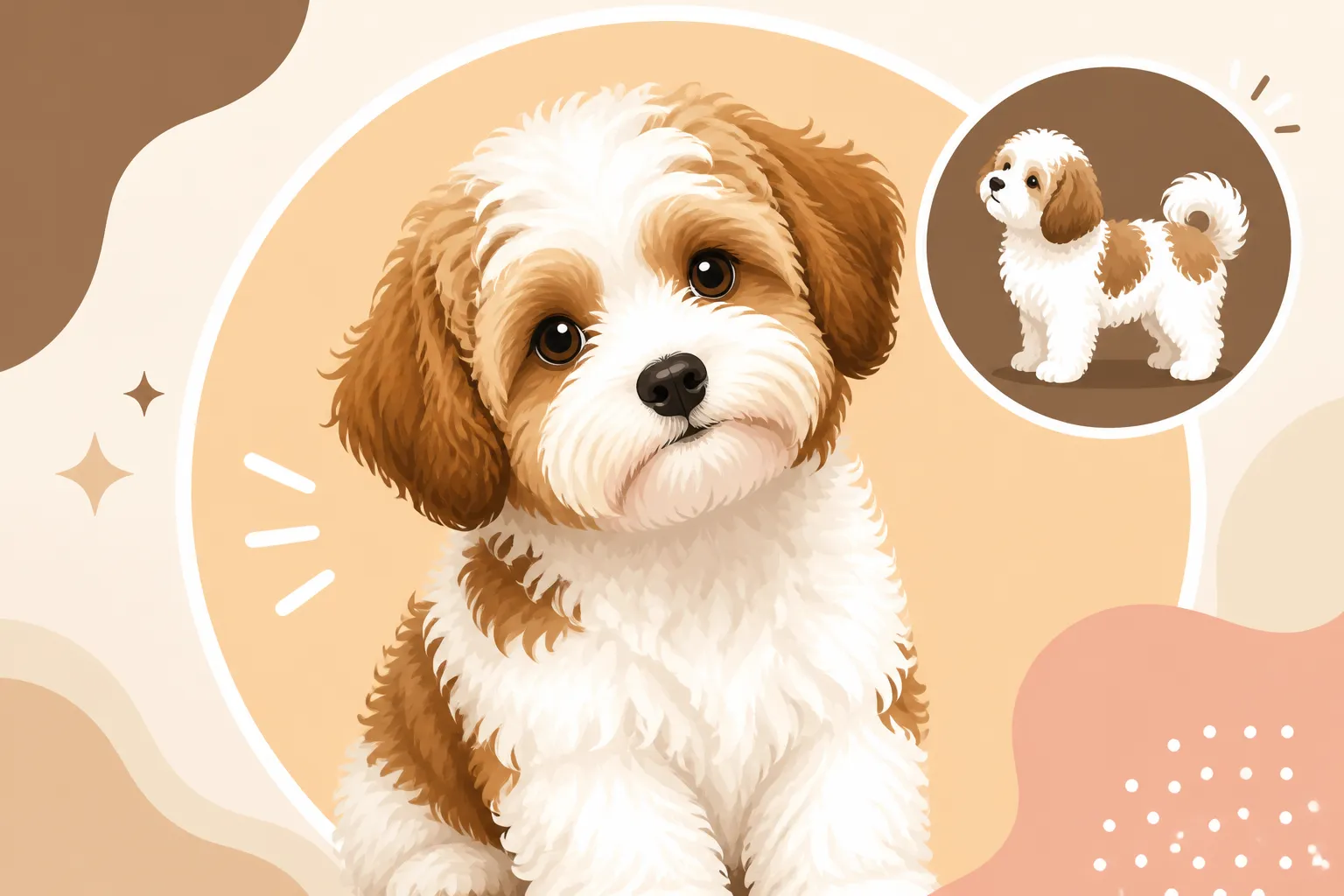
When you hear the term "parti," it might sound a bit exotic or even made up, but it refers to a very specific and recognized coat pattern in the dog world. For Maltipoos, this means a dazzling combination of a solid color on a background of crisp white. It’s not just random splotches; it’s a genetic blueprint that creates these striking patterns.
Decoding the 'Parti' Pattern
A parti coat isn't a single color, but rather a pattern of colors. Imagine a canvas of pure white, across which splashes of another distinct color are painted. That's essentially a parti pattern. These patches can vary widely in size, shape, and distribution – some dogs might have a few large, well-defined patches, while others display many smaller spots. The key is the clear contrast between the white and the colored areas. It’s distinctly different from, say, a merle coat, which involves diluted, dappled patches, or a sable coat, where individual hairs have multiple colors.
What makes the parti pattern so beloved is this visual interest. It breaks up the uniformity often seen in solid-colored dogs and gives each parti Maltipoo a truly unique appearance. You’ll never find two exactly alike, even from the same litter, because the distribution of these patches is always a little bit different. This can be particularly exciting for owners who want a dog with a standout look.
The Genetic Influence from the Poodle Side
For Maltipoos, the "parti" gene almost exclusively originates from the Poodle parent. The Maltese breed, one half of the Maltipoo mix, is traditionally known for its pure white coat, and breeders strive to maintain that pristine hue. Therefore, the Maltese contributes the dominant white characteristic, but rarely the gene for distinct colored patches.
The Poodle, on the other hand, comes in an incredible array of colors and patterns, including solid, phantom, and yes, parti. A Poodle carrying the parti gene can pass this trait onto its Maltipoo offspring. Sometimes, a Poodle parent may even look solid but carry the recessive parti gene, only for it to manifest when bred with another carrier or a dog with the right genetic combination. This is why when you're looking at a litter, you might see a mix of solid and parti puppies, all thanks to the diverse genetic palette the Poodle brings to the table. This genetic lottery is part of The Coin Flip Inside Every Maltipoo Puppy!
Common Colors and Patterns Seen in Parti Maltipoos
The beauty of a parti Maltipoo lies not just in the pattern itself, but in the vibrant array of colors that can accompany the white. These aren't just limited to one or two options; the possibilities are quite extensive, creating a diverse visual spectrum.
The Base Colors that Combine with White
While the Maltese parent typically provides the white base, the Poodle parent is responsible for introducing the exciting range of colors that form the "parti" patches. You might find parti Maltipoos with patches of classic black, rich chocolate brown, fiery red, soft apricot, or even delicate cream. Occasionally, you'll see silver or even blue (which is a dilute black) patches, adding another layer of visual interest. These colors will appear in distinct areas on the body, head, and sometimes on the legs and tail, standing out against the white background.
It's important to remember that "parti" describes the pattern, not the color itself. So, you wouldn't say a dog is "parti-colored" as a single descriptor, but rather a "black parti" or a "red parti" Maltipoo. The intensity of these colors can vary too, with some having deep, saturated patches and others sporting softer, pastel-like hues. These base colors are often stable, but some, like apricot and red, can fade over time, a common trait you'll see in Poodle lines, which means Whether a Maltipoo's Color Changes as It Grows is definitely something to consider.
Variations in Parti Markings
The beauty of the parti pattern is its inherent individuality. No two parti Maltipoos will have the exact same markings. Some might have large, flowing patches of color, covering significant portions of their back or ears, giving them a very distinct look. Others might have smaller, more scattered spots, reminiscent of confetti on their white coat. You might see a parti Maltipoo with a solid colored head and ears, and a mostly white body, or vice versa.
Beyond the size and placement of the main patches, sometimes you'll encounter a parti Maltipoo with "ticking." Ticking refers to small, isolated flecks of color that appear within the white areas of the coat, almost like tiny sprinkles. While less common than the larger patches, ticking can add another charming layer to the parti pattern, making the coat even more intricate. This unpredictability in markings is one of the joys and sometimes challenges of understanding Whether a Maltipoo Breeder Can Promise a Weight or even a specific look, as genetics are always full of surprises.
The Uniqueness and Appeal of a Parti Maltipoo
In a world where many Maltipoos are celebrated for their solid, often white or cream, coats, the parti pattern offers something a little different. It's an instant conversation starter and a true head-turner, setting these dogs apart in a delightful way.
Standing Out from the Crowd
Let's be honest, everyone loves a dog that makes people stop and say, "Wow, what a beautiful coat!" A parti Maltipoo does just that. Their distinct, often asymmetrical markings, whether they're bold black and white or soft apricot and white, give them a show-stopping appearance. This unique visual appeal is a big reason why many prospective owners specifically seek out parti-colored pups. They offer a certain flair and personality that a solid coat simply can't replicate.
For many, owning a parti Maltipoo is about more than just aesthetics; it's about having a dog that reflects a desire for individuality and charm. It’s a bit like picking a bespoke suit versus off-the-rack – there’s a sense of specialness that comes with those unique markings. The visual contrast and striking patterns make them incredibly photogenic too, which, let's face it, is a huge bonus in our social media-driven world!
Temperament and Health: Is a Parti Different?
Here’s where we need to be very clear: the color or pattern of a Maltipoo's coat, including parti, has absolutely no bearing on its temperament, intelligence, or general health. A dog's personality and well-being are determined by its genetic lineage (the health and temperament of its parents), its early socialization, and the environment in which it is raised. The "parti" gene is purely cosmetic.
Therefore, a parti Maltipoo will possess the same charming, intelligent, and affectionate traits generally associated with the breed. They will be just as prone to the common Maltipoo health concerns, such as dental issues, luxating patellas, or hypoglycemia as puppies. When choosing a Maltipoo, whether parti or solid, your primary focus should always be on the breeder's reputation, the health testing performed on the parent dogs, and the overall care and socialization the puppies receive, rather than just the aesthetic appeal of the coat. This is critical for understanding The Maltese and the Poodle Behind Every Maltipoo and ensuring you get a healthy, happy pup.
Finding a Parti Maltipoo and What to Expect
If you've fallen in love with the parti Maltipoo, your search might be a little different than if you were looking for a solid white or cream pup. It requires a bit more intentionality, especially in connecting with breeders who understand and work with these specific genetics.
Sourcing Reputable Breeders for Parti Pups
Finding a parti Maltipoo often means looking for breeders who are specifically breeding Poodles with parti patterns, or who have knowledge of the parti gene within their Poodle lines. Since the Maltese is typically solid white, the parti trait in a Maltipoo almost always comes from the Poodle parent. When you contact a breeder, it's crucial to inquire about their breeding practices, especially concerning the Poodle parent. Ask if their Poodles carry the parti gene, or if they actively breed parti Poodles themselves.
A reputable breeder will be transparent about the health testing of both parent dogs, providing you with documentation for genetic conditions prevalent in both Poodles and Maltese. Don't be afraid to ask for copies of health clearances for eyes, patellas, and any other relevant tests. They should also be able to show you pictures or allow you to meet both parents. This due diligence is part of The Four Certificates a Maltipoo Breeder Should Show and ensures you're not just buying a pretty face, but a well-bred, healthy companion.
Pricing and Demand for Parti Maltipoos
The price of a Maltipoo can vary widely based on location, breeder reputation, and yes, coat color or pattern. Parti Maltipoos, due to their unique and often sought-after appearance, can sometimes command a higher price point than solid-colored Maltipoos. This isn't because they are inherently "better" or healthier, but purely a reflection of market demand and the specific breeding choices made by the breeder to produce such patterns.
While it's understandable to be drawn to a specific look, it's crucial to ensure you're not paying an exorbitant premium simply for a color. Always prioritize health, temperament, and ethical breeding practices over aesthetics alone. Discuss pricing transparently with the breeder and understand what their price includes – often, it covers initial vet checks, vaccinations, microchipping, and a health guarantee. For more detailed insights, you might find What a Parti Maltipoo Sells For and Whether a Rare Color Maltipoo Is Worth the Premium helpful in your research.
| Trait | Solid Maltipoo (e.g., White, Apricot) | Parti Maltipoo |
|---|---|---|
| Coat Appearance | Uniform color throughout | White base with distinct color patches |
| Genetic Origin of Pattern | Inherited from either parent | Predominantly from Poodle parent |
| Uniqueness | Can be consistent within litters | Each dog has unique patch distribution |
| Impact on Health/Temperament | None | None |
| Grooming Needs | Regular brushing, bathing | Regular brushing, bathing, focus on white areas for staining |
| Common Colors | White, cream, apricot, red, black | White combined with black, apricot, red, chocolate, silver |
| Price Trend | Standard for breed | Can be higher due to demand and uniqueness |
Grooming and Care for a Parti Coat
While the parti coat is undeniably beautiful, it also means you'll have both colored and white sections to care for. This doesn't necessarily make grooming harder, but it does require attention to detail, especially when it comes to keeping those white areas pristine.
Maintaining the Distinctiveness of the Coat
The grooming needs of a parti Maltipoo are essentially the same as any other Maltipoo, given The Coat a Maltipoo Gets From Two Non Shedding Parents. However, to truly let that stunning pattern shine, cleanliness is paramount. Regular brushing, ideally daily or every other day, is non-negotiable to prevent mats and tangles, which can hide the beautiful contrast of their coat. Pay extra attention to areas where the colors meet, as these can sometimes be prone to matting if not thoroughly brushed.
Bathing your parti Maltipoo every few weeks with a high-quality shampoo designed for dogs, particularly one that enhances white coats, can help keep their lighter sections bright and vibrant. You can find excellent options, sometimes even specialized whitening shampoos, from retailers like Chewy. After bathing, ensure your Maltipoo is completely dried and brushed out to prevent matting as the coat dries. This consistent care helps maintain the distinct lines and vibrancy of their unique markings.
Addressing Tear Stains and Discoloration
One of the most common challenges for any light-colored Maltipoo owner, especially those with parti coats, is tear staining and discoloration around the eyes and mouth. The white sections of a parti Maltipoo’s face will show any reddish-brown stains much more prominently than a darker coat would. This staining is often caused by porphyrins in tears and saliva, which turn reddish-brown when exposed to air.
To combat this, a daily face-wiping routine is essential. Use a soft, damp cloth or a specialized pet tear stain wipe to gently clean around their eyes and mouth. You might also consider specific tear stain remover products, but always consult your vet before introducing new treatments. Ensuring proper hydration with filtered water and a healthy diet can also play a role. For more in-depth advice on keeping their face clean, check out Tear Staining on a Light Coated Maltipoo and The Daily Face Wipe a Maltipoo Needs. This diligent effort will ensure that the bright white areas of your parti Maltipoo's face stay as beautiful as the rest of their unique coat.
Disclaimer
This article is for general informational purposes only and does not constitute professional advice. Laws, prices and regulations vary by location and change over time. Consult a qualified professional for guidance on your specific situation.