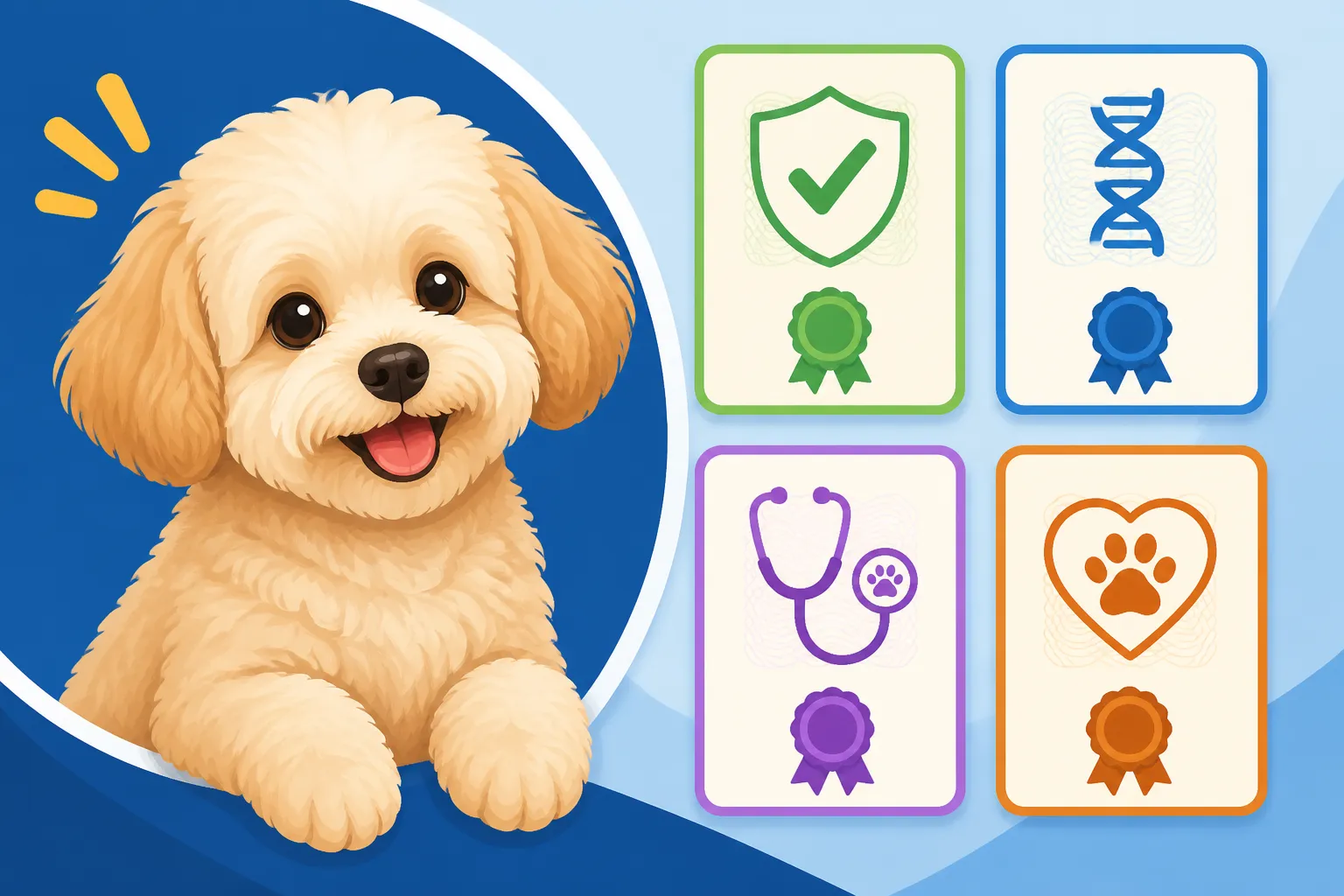
The Four Certificates a Maltipoo Breeder Should Show
The joy and excitement of bringing a tiny Maltipoo puppy home are truly unmatched. It's a time filled with dreams of cuddles, playful antics, and years of unconditional love. However, that intense emotional pull can sometimes make us overlook some incredibly important, even life-altering, details. Many hopeful pet parents, eager to welcome their furry companion, discover far too late that their sweet new family member carries hidden health issues, often stemming from a lack of proper health screening by the breeder. This can lead to heartbreaking vet visits, expensive treatments, and immense stress down the line. This guide is here to empower you by detailing the essential health certificates and documentation reputable Maltipoo breeders absolutely should provide, helping you make a truly informed decision and safeguard your puppy's well-being for years to come.
The Foundation: Why Health Certificates Are Non-Negotiable for Your Maltipoo
When you're looking for a Maltipoo, it's easy to get swept up in the adorable photos and charming personalities. But beneath that fluffy exterior lies a complex genetic makeup, a combination of the Maltese and Poodle breeds. Both parent breeds are susceptible to certain inherited health conditions, and without diligent health testing by a responsible breeder, these issues can be passed down to your precious Maltipoo puppy. Think of health certificates as your peace of mind – tangible proof that the breeder has taken proactive steps to minimize the risk of these preventable genetic diseases. It's not about guaranteeing a perfect dog, as no such guarantee exists, but about demonstrating a commitment to ethical breeding practices and the long-term health of their puppies.
Understanding the Importance of Health Screening
A Maltipoo's small size, while endearing, can also make them more vulnerable to certain conditions. For instance, tiny bones can be prone to injury, and a crowded jaw can lead to dental problems. Without health screening, you're essentially buying a "pig in a poke," hoping for the best but without any real evidence to back it up. A good breeder understands the genetic risks associated with their breeding pairs and actively works to mitigate them. They invest time, money, and effort into health testing because they care deeply about the welfare of the puppies they bring into the world. They know that a healthy start contributes significantly to The Twelve to Fifteen Years a Maltipoo Lives.
Distinguishing a Responsible Breeder from a Puppy Mill
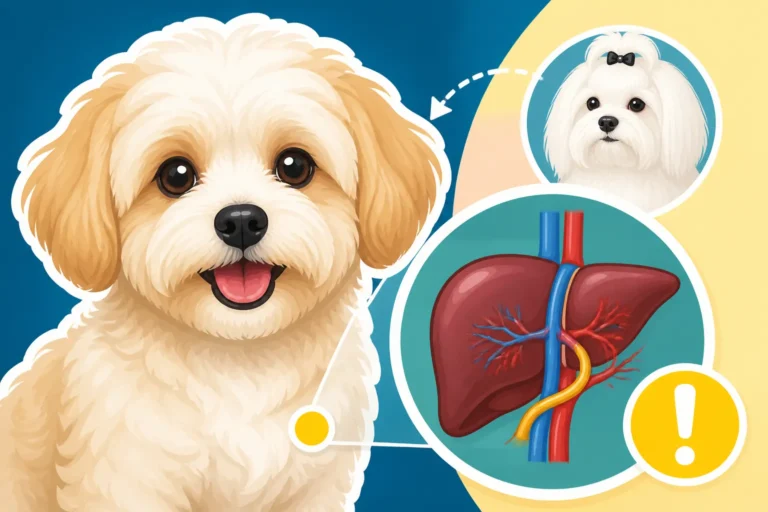
The internet is awash with ads for Maltipoo puppies, and it can be incredibly difficult to tell the difference between a reputable breeder and a less scrupulous operation. A "backyard breeder" or, worse, a "puppy mill," often skips vital health screenings to cut costs, selling puppies with unknown genetic baggage. They might offer puppies at a lower price, which can be tempting, but the true cost can be astronomical in future veterinary bills. A responsible breeder, on the other hand, will be transparent about their testing protocols, openly discussing the health history of their breeding dogs and eagerly sharing the relevant certificates. They will invite questions and demonstrate a profound knowledge of the specific health considerations for Maltipoos, even discussing potential concerns like The Liver Shunt a Maltipoo Can Inherit From the Maltese. This transparency is a hallmark of someone who truly prioritizes the health and well-being of their animals.
Essential Orthopedic Screenings for Your Maltipoo
Maltipoos, inheriting traits from both the Maltese and Poodle, are unfortunately prone to certain orthopedic issues. Two of the most common and impactful are patellar luxation (slipping kneecaps) and, in some cases, hip dysplasia, particularly if the Poodle parent is from a larger line. These conditions can cause significant pain and mobility problems, often requiring expensive surgical intervention down the line.
Certificate 1: OFA Patellar Luxation Certification
Patellar luxation is probably one of the most talked-about orthopedic issues in small breeds like Maltipoos. It occurs when the kneecap (patella) slips out of its normal groove. It can range from a minor, occasional skip in their step to severe lameness. The Orthopedic Foundation for Animals (OFA) offers a certification program for patellar luxation, where a vet examines the dog's knees and grades them. A reputable breeder will have both parent dogs, and sometimes even the grandparents, screened and certified clear of this condition.
The OFA certification process involves a veterinarian performing a physical examination of the dog's stifles (knees) to assess the stability of the patella. The patella is manually manipulated to see if it displaces from its groove. The grades range from 0 (normal) to 4 (severe luxation). A responsible breeder will only breed dogs that have received an OFA certification of "normal" (Grade 0). If you're looking at a puppy, ask to see the OFA certificates for both the dam and the sire. Knowing The Four Patella Grades and Where a Maltipoo Lands can help you understand what a breeder is presenting. Without this screening, you’re taking a gamble that could lead to your Maltipoo needing costly surgery later in life. This is precisely the kind of issue that makes having a robust pet insurance plan, such as one from Healthy Paws, an invaluable asset, covering unexpected veterinary costs down the line.
Certificate 2: OFA or PennHIP Hip Dysplasia Certification (for Poodle Parents)
While hip dysplasia is more commonly associated with larger breeds, it can still affect smaller dogs, especially if the Poodle parent comes from a larger "Miniature" or "Standard" Poodle lineage, even if bred down to "Toy" size for a Maltipoo. The condition involves an abnormal formation of the hip socket, which can lead to painful arthritis and lameness. The OFA provides a certification for hip dysplasia based on X-rays of the dog's hips, grading them as excellent, good, fair, borderline, mild, moderate, or severe. PennHIP is another equally respected method that offers a quantitative measurement of hip laxity, providing a different but equally valuable insight into hip health.
A good breeder will have their Poodle breeding stock, particularly, screened for hip dysplasia, even if the resulting Maltipoo puppies are small. The goal is to ensure that genetic predisposition to this debilitating condition is not passed on. If a breeder shows you OFA or PennHIP results, look for grades of "good" or "excellent." If they only offer patella checks, especially if one parent is a larger Poodle, it’s a red flag. This diligent screening helps ensure your Maltipoo puppy has the best chance for a mobile and comfortable life, reducing the likelihood of issues that might later require extensive treatment.
Comprehensive Eye Health and Genetic Panels
Beyond orthopedic soundness, a responsible Maltipoo breeder will also prioritize eye health and screen for a broader spectrum of genetic diseases that can affect both the Maltese and Poodle lines. These screenings provide crucial insights into potential inherited conditions that might not be immediately apparent in a young puppy but could manifest later in life.
Certificate 3: OFA Eye Certification (CAER) or CERF Exam
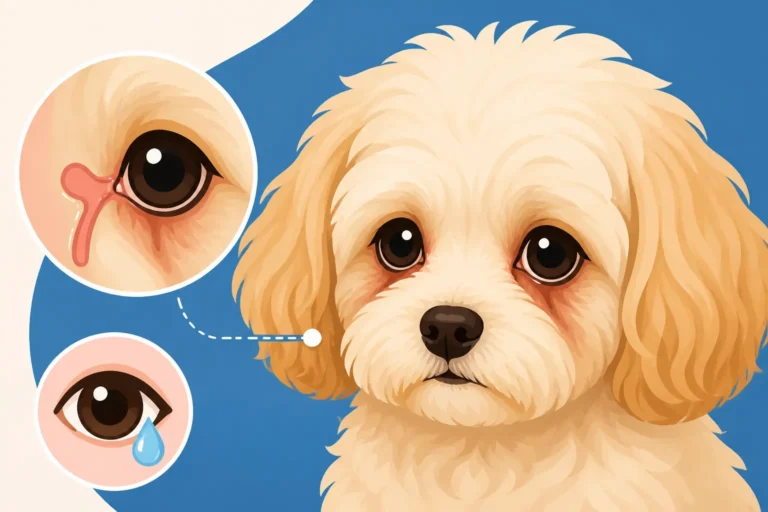
Eye health is paramount for any dog, and Maltipoos can inherit several ocular conditions from their parent breeds. Progressive Retinal Atrophy (PRA) and cataracts are among the most concerning. The OFA Eye Certification Registry (CAER) exam, formerly known as CERF (Canine Eye Registration Foundation), is a critical screening. This involves a board-certified veterinary ophthalmologist examining the dog's eyes annually for any signs of inherited eye diseases.
A breeder should provide current (within the last 12 months) CAER or CERF certificates for both parent dogs. This certificate confirms that the breeding dogs are free from observable signs of inherited eye disease at the time of the examination. You'll want to ensure that the certificate specifically clears them of conditions relevant to Maltipoos, such as Progressive Retinal Atrophy (PRA), which can lead to blindness. Understanding The Retinal Disease a Maltipoo Gets From the Poodle is crucial here. While these certifications are snapshots in time, yearly re-certification demonstrates a breeder's ongoing commitment to ensuring healthy vision in their lines.
Certificate 4: Genetic Health Panel (e.g., Canine Health Information Center – CHIC, Embark, or similar)
This is perhaps the most comprehensive certificate you'll look for and often encompasses a range of tests for various genetic conditions. A full genetic health panel can identify carriers or affected dogs for numerous diseases prevalent in Maltese and Poodle breeds. Tools like Embark, Optimal Selection, or those tied to the Canine Health Information Center (CHIC) program offer extensive testing.
For Maltipoos, specific genetic tests to inquire about include:
- Progressive Retinal Atrophy (PRA-prcd): As mentioned, this is a significant concern for Poodles and their crosses.
- Von Willebrand's Disease (vWD Type I): A bleeding disorder found in some Poodle lines.
- Degenerative Myelopathy (DM): A progressive neurological disease.
- Hyperuricosuria (HUU): A genetic mutation causing bladder stones.
- Patellar Luxation (LPT): Genetic markers associated with patellar luxation, complementing the physical OFA exam.
- Congenital Eye Anomaly/Microphthalmia (CEA): Although rarer, it's good to check.
A responsible breeder will provide genetic test results for both parent dogs, showing they are "clear" or "not a carrier" for these conditions. If a dog is a "carrier" for a recessive trait, a responsible breeder will ensure they are only bred with a "clear" mate, so no puppies will be affected by the disease. This type of thoroughness helps prevent heartache and ensures that your Maltipoo has the best possible genetic foundation for a long, healthy life. This is where you really see a breeder's investment in the future of their puppies, mitigating potential issues like those covered by a pet insurance provider like Healthy Paws.
Here's a quick overview of the essential certificates:
| Certificate Type | What It Tests For | Why It's Important for a Maltipoo |
|---|---|---|
| OFA Patellar Luxation | Kneecap stability and dislocation | Prevents painful, debilitating knee issues common in small breeds. |
| OFA Eye (CAER) / CERF | Inherited eye diseases (e.g., PRA) | Safeguards vision and prevents blindness. |
| OFA/PennHIP Hip Dysplasia | Hip joint integrity | Reduces risk of painful arthritis and mobility issues, especially from Poodle lineage. |
| Genetic Health Panel (e.g., Embark/CHIC) | Various inherited diseases (e.g., vWD, DM, PRA) | Identifies genetic predispositions, preventing a host of debilitating conditions. |
Beyond the Big Four: Additional Breeder Responsibilities
While the four health certificates are paramount, a truly responsible Maltipoo breeder goes above and beyond to ensure their puppies are ready for their new homes. This includes providing additional crucial documentation and upholding ethical breeding standards that reflect a genuine care for the animals.
Comprehensive Veterinary Health Check and Vaccination Records
Every Maltipoo puppy should receive a thorough veterinary health check before leaving the breeder. This is distinct from the genetic testing of the parents; this is about the individual puppy's current health status. This check should be performed by a licensed veterinarian and include a physical examination, checking for obvious congenital defects, heart murmurs, proper development, and overall well-being.
The breeder should provide a detailed health record including:
- Date of examination: Proof that the puppy was recently checked.
- Veterinarian's signature and contact information: So you can verify the check if needed.
- Vaccination history: Dates of initial puppy vaccinations, including Distemper, Parvovirus, Adenovirus, and Parainfluenza.
- Deworming schedule: Dates and types of deworming medications administered.
- Microchip information: Confirmation that the puppy has been microchipped, along with the chip number.
These records are not just paperwork; they are your puppy's medical history. They ensure your puppy has had a healthy start and help your own vet continue their care seamlessly. You'll want to pay close attention to the vaccinations, as puppies are particularly vulnerable to diseases like parvo. You should also inquire if the breeder conducted a The Bile Acid Test a Maltipoo Puppy Should Have to screen for liver shunts, especially given the Maltese heritage.
A Detailed Breeding Contract and Health Guarantee
A good breeder will always have a comprehensive contract that outlines the terms of sale, responsibilities of both parties, and, crucially, a health guarantee. This contract protects both you and the breeder. Look for a guarantee that covers inherited health conditions, typically for the first year or two of the puppy's life.
Key elements of a strong health guarantee include:
- Coverage for genetic and congenital defects: What specific conditions are covered and for how long.
- Return or replacement policy: What happens if a covered condition is diagnosed (e.g., full refund, partial refund, replacement puppy).
- Requirements for vet visits: Often requires you to take the puppy to a vet within a few days of purchase.
- Spay/neuter clause: Many breeders require pet-quality puppies to be spayed or neutered by a certain age.
A reputable breeder stands behind their puppies and their breeding practices. They understand that even with the best testing, nature can sometimes throw a curveball. A solid health guarantee provides you with recourse and peace of mind, knowing that the breeder is accountable. Make sure to read it carefully and understand all the terms before signing. You might want to refer to What a Maltipoo Health Guarantee Should Say for more specifics. This is another area where early enrollment with a pet insurance company like Healthy Paws can work in tandem with a health guarantee, giving you broader coverage and financial security for your new family member.
Parentage Verification and Pedigree Information
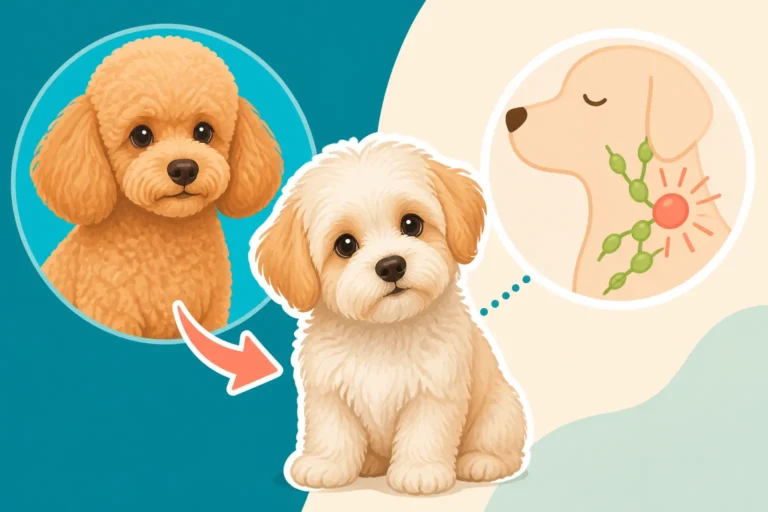
While Maltipoos are not recognized as a purebred by major kennel clubs, a responsible breeder should still be able to provide detailed information about the parent dogs. This includes their full names, ages, and any health clearances mentioned above. They should be transparent about the lineage, whether it's an F1 (first generation Maltese x Poodle), F1b (Maltipoo x Poodle/Maltese), or multi-generation cross.
Even though there isn't a "Maltipoo pedigree" in the traditional sense, knowing the background of the parents helps confirm that your puppy is indeed a Maltipoo and gives you a better sense of their potential size, coat type, and temperament. For instance, knowing that both parents are certified healthy and have consistent temperaments can give you a better idea of The Coin Flip Inside Every Maltipoo Puppy. This transparency about parentage is a sign of a breeder who is proud of their lines and committed to responsible breeding practices, rather than someone simply mixing two dogs for profit.
Ultimately, taking the time to ask for and understand these four crucial certificates – Patellar Luxation, Eye Certification, Hip Dysplasia (especially for Poodle parents), and a comprehensive Genetic Health Panel – along with other vital documentation, is one of the most important steps you can take. It’s an investment in your Maltipoo's future health and happiness, helping to ensure that the years you spend together are filled with joy, not worry.
Disclaimer
Please remember that this article is for informational purposes only and is not a substitute for professional veterinary advice. Always consult with a qualified veterinarian regarding your Maltipoo's health and specific care needs. Health certificates and genetic testing reduce the risk of inherited conditions but cannot guarantee a completely problem-free life for any animal.