Whether a Maltipoo’s Color Holds Into Adulthood
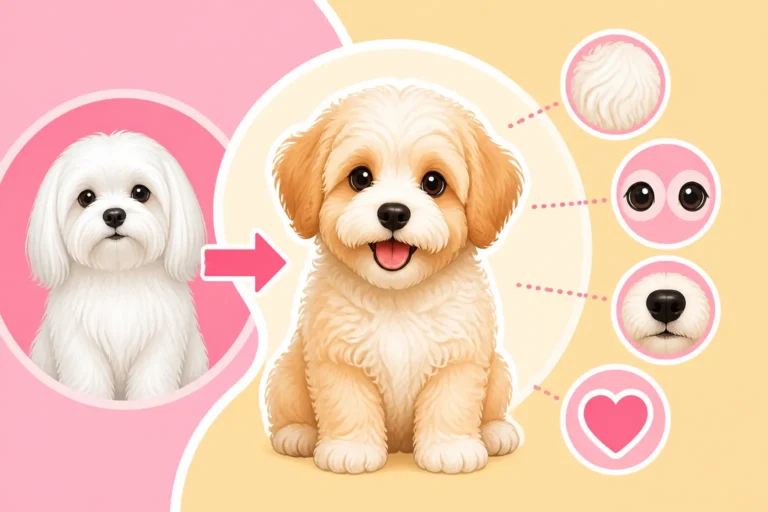
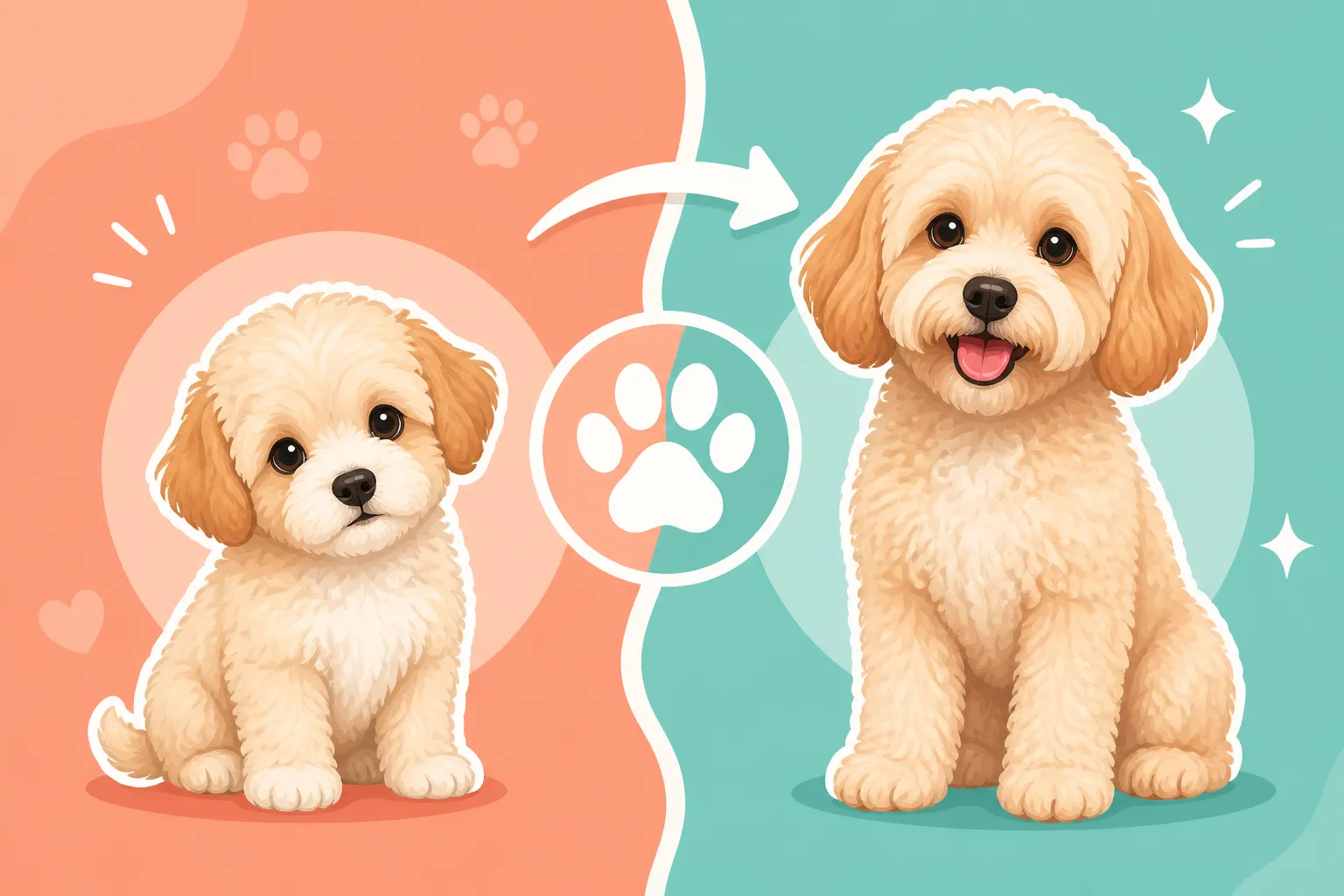
One of the most exciting parts of bringing home a Maltipoo puppy is seeing their adorable coat, often a vibrant apricot, rich red, or snowy white. But then, as the weeks turn into months, many owners find themselves asking: is my Maltipoo's color changing? Is it fading? This can be a real point of confusion and even a little disappointment when that bright puppy coat starts to soften or lighten. This guide will dive deep into the fascinating world of Maltipoo coat colors, exploring why these changes happen, what to expect as your beloved companion grows, and how to understand the genetics behind their evolving beauty.
The Genetic Rollercoaster of Maltipoo Color
Bringing home a Maltipoo is like winning the genetic lottery in some ways – you get a delightful blend of two distinct breeds, the Maltese and the Poodle. This mix gives us their wonderful personalities and that famous non-shedding coat, but it also creates a unique interplay of genetics when it comes to coat color. It’s not always as straightforward as it might seem, and many owners are surprised by the transformations their puppy's coat undergoes.
The Influence of the Poodle Parent
The Poodle half of your Maltipoo's lineage is where most of the color variation and, crucially, the potential for color change originates. Poodles come in a vast array of colors – black, white, cream, apricot, red, blue, silver, brown, and even partis. What's more, many Poodles carry genes that cause their coat to lighten or "clear" over time. This isn't a flaw; it's a well-known genetic trait within the Poodle breed. If your Maltipoo has a Poodle parent that carries these fading genes, there's a good chance your puppy will inherit them too, regardless of how vibrant their coat is initially. It’s a bit like a genetic ticking clock, where the true adult color might not reveal itself for quite some time.
For instance, a tiny apricot Maltipoo puppy, born from a vibrant red Poodle and a white Maltese, might start off looking like a little carrot top. You might dream of that rich color staying forever. However, if that Poodle parent had ancestors with fading genes, or if the Poodle itself was a "clearing" red (meaning it would fade to apricot or cream as an adult), then your little Maltipoo is likely on the same path. This genetic predisposition means that their beautiful, deep puppy color is often just a preview, not the final masterpiece.
The Stable Palette of the Maltese
In stark contrast to the Poodle, the Maltese breed is known for its pure, unwavering white coat. The Maltese gene pool carries very little, if any, of the color-fading genetics seen in Poodles. A Maltese puppy is born white and generally stays white throughout its life, perhaps with minor tear staining or environmental yellowing, but no significant genetic fading of the actual hair pigment. This stability is why many Maltipoos that appear predominantly white tend to maintain their shade more consistently than their colored counterparts.
When you mix these two breeds, you get a fascinating outcome. If your Maltipoo is an F1 (first generation, direct cross between a Maltese and a Poodle), their color inheritance is a 50/50 toss-up, making predictions a bit of a gamble. If they are an F1b (Maltipoo bred back to a Poodle) or a multi-generational Maltipoo, the Poodle's influence on color, and thus the propensity to fade, can become even stronger or more complex depending on the specific Poodle lines used. It’s a testament to the diverse genetics involved that you can get so many colors that a Maltese never has.
Predicting Puppy Color vs. Adult Coat
It’s often said that a puppy's coat color at eight weeks is rarely its permanent adult shade, especially for breeds with Poodle heritage. Many breeders will tell you that the best indicator of an adult color is looking at the parents' adult colors, and even then, it's not a guarantee. The pigment in a puppy's hair follicles matures and changes over time, influenced by these complex genetic factors. What looks like a deep black might turn blue or silver; a vibrant red might soften to a pale apricot or cream.
This can be a challenge for new owners, as they often fall in love with a specific puppy color. It's a common frustration to see that vivid shade disappear over the first year or two. Think of it like a beautiful watercolor painting that slowly softens and blends as it dries. The beauty is still there, just different. Understanding this from the outset can help manage expectations. A good breeder will often educate prospective owners about the likelihood of color changes, rather than promising a color that may not last. You might even find yourself wondering Whether a Maltipoo Puppy's Coat Tells You Anything about its future look.
Understanding the "Fading Gene" in Poodles
The concept of a "fading gene" can sound a bit alarming, like something is wrong with your Maltipoo's coat. But rest assured, it’s a perfectly normal, genetically determined characteristic, especially prevalent in Poodles and their descendants. It’s not a sign of poor health or a deficiency; it's just how certain colors develop and mature.
What is the Fading Gene?
Scientifically, what we commonly refer to as the "fading gene" is often related to genes that control the dilution of pigment over time. In Poodles, this is most clearly seen in colors like black and brown, which can "clear" to blue or silver (from black) or café-au-lait (from brown) as the dog matures. Red and apricot coats also carry genes that cause them to lighten significantly, sometimes fading to a pale cream or even white over the course of the first couple of years. This process isn't instant; it's a gradual lightening of the hair shafts as new hair grows in.
Imagine a vibrant red Poodle puppy. By the time it's two years old, that same dog might be a soft apricot or even a cream color. This isn't because the original pigment vanished, but because the genes instructed the new hair growth to be lighter. This is a primary reason why Whether a Maltipoo's Color Lightens as It Ages is a common question, and the answer is almost always yes, to some degree, for colored Maltipoos. This genetic trait is passed down to your Maltipoo, making them susceptible to the same kind of color transformation.
How It Manifests in Different Colors
The way the fading gene manifests varies greatly depending on the base color of the Maltipoo.
- Apricot and Red: These are arguably the most dramatic faders. A deep red puppy can become a light apricot, a pale cream, or even almost white. This usually happens within the first 1-3 years of life, with the most noticeable changes occurring around the first year. It's not uncommon for owners to comment that their "red" Maltipoo is now "apricot" or "cream." This is often why questions arise like Whether an Apricot Maltipoo Fades.
- Black: A truly deep black Maltipoo might fade to a smoky blue or a silvery grey. This clearing process is usually more subtle than with reds, but it’s still distinct. You might notice it first around the muzzle, eyes, or paws. Sometimes, the undercoat will start to lighten first, making the outer coat appear less dense in color.
- Brown/Chocolate: Similar to black, a rich chocolate can lighten to a lighter brown, often called "café-au-lait" or even a silver-beige.
- Phantom and Parti: These patterns, which combine two or more colors, can also show fading in their colored sections. A phantom Maltipoo with black and tan markings might see the black turn silver and the tan lighten to cream. A parti Maltipoo might have some patches that lighten while others remain stable.
The Role of Environment vs. Genetics
While genetics are the primary driver of color change, environmental factors can play a supporting role. However, it's crucial to understand that environment primarily enhances or exaggerates existing genetic predispositions, rather than causing a complete color transformation on its own. You can't change your Maltipoo's genes, but you can influence how quickly or dramatically a genetically predisposed fade might appear.
For example, a Maltipoo with the genetic tendency to fade will likely fade regardless of its lifestyle. However, a lot of sun exposure might bleach the existing hair, making the fade appear faster or more pronounced. Similarly, certain nutritional deficiencies could impact coat health and luster, making a coat appear duller, but they won't fundamentally alter the genetic programming for color change. The fading gene is a powerful force, and it's important not to blame external factors too heavily for what is essentially a natural, predetermined process in many Maltipoos.
Common Maltipoo Colors and Their Fading Tendencies
Understanding which colors are most prone to fading can help new owners set realistic expectations. While every Maltipoo is an individual, we can observe general trends based on the Poodle's genetic contributions.
Apricot and Red: The Most Noticeable Changes
Without a doubt, apricot and red Maltipoos are the poster children for color fading. That deep, fiery red puppy coat that captured your heart might gradually transform into a soft, creamy apricot or even a nearly white shade. This process typically begins around 6 months of age and can continue for the first two years of their life, sometimes even longer, though the most significant shifts usually occur early on.
It’s often a slow, subtle transition that you might not even notice day-to-day until you look back at old photos. One day you might realize your "red" dog is now distinctly "apricot." This isn't just surface-level. The new hair growing in is literally a lighter shade. Many owners express surprise, having envisioned their Maltipoo staying that vibrant cherry red indefinitely. It's why many breeders are cautious about guaranteeing a "red" Maltipoo will remain so; they often prefer to market them as "apricot" or "red that may fade." Even if they are still a striking pup, remember that What a Red Maltipoo Sells For might not accurately reflect its permanent adult color.
Cream and White: Subtle Shifts
For cream and white Maltipoos, the changes are generally far less dramatic, if noticeable at all. A pure white Maltipoo, thanks to its strong Maltese influence and often a white or cream Poodle parent, tends to retain its color with remarkable consistency. Any "fading" in a white coat is usually more about environmental factors – tear staining, saliva staining, or yellowing from sun exposure – rather than a genetic lightening of the hair pigment itself.
Cream Maltipoos might undergo a slight lightening, becoming almost white, but the shift is usually minimal compared to the apricot and reds. You might notice a creamy hue becoming just a touch softer or paler, but they rarely transform into a completely different shade. This stability often makes them a popular choice for owners who want a consistent coat color. This is also why Whether a Cream Maltipoo Turns White is a frequently asked question, and the answer is often a gentle yes, sometimes to a very pure white.
Black, Chocolate, and Phantom: The Unexpected Fades
While less common than in reds, black and chocolate Maltipoos can also surprise their owners with significant color changes. A glossy black puppy might develop a silver cast, especially around the face and paws, eventually becoming a true blue or silver Maltipoo. This "blueing" or "silvering" process is a classic Poodle trait. Similarly, a rich chocolate Maltipoo can "clear" to a lighter café-au-lait or even a silver-beige. These changes also tend to occur within the first couple of years.
Phantom Maltipoos, with their distinct patterns of a base color and lighter "points" (like eyebrows, muzzle, chest, and legs), can experience fading in both their base color and their points. For example, a black and tan phantom might see its black turn blue or silver, and its tan points lighten to cream. This creates an entirely new look, often equally beautiful, but certainly different from the puppy coat. Even with patterns, remember that the Poodle's genetics are at play, so a beautiful What a Phantom Maltipoo Sells For puppy could change quite a bit!
Factors That Can Influence Color Change Beyond Genetics
While genetics undeniably hold the most sway over your Maltipoo's adult coat color, a few external factors can either contribute to perceived fading or affect the vibrancy and health of their coat. It's important to differentiate these from the genetic "clearing" that occurs.
Sun Exposure and Environmental Bleaching
Just like human hair, a dog's coat can be bleached by prolonged exposure to the sun. This is particularly noticeable in darker coats, where sunlight can break down the pigment, leading to a reddish or brassy tint. A black Maltipoo that spends a lot of time outdoors, especially in sunny climates, might develop a brownish cast to its black fur, or an apricot Maltipoo might become even lighter on its back. This isn't genetic fading, but rather a temporary lightening of the existing hair shaft.
This kind of environmental bleaching is usually most evident on the top coat, the hair directly exposed to the sun. When new hair grows in, it will return to its genetically determined color, unless it's also subjected to the same sun exposure. You can help mitigate this by providing shaded areas for your Maltipoo when they are outside, or even using dog-safe sun protective clothing if they'll be out for extended periods. This is an external factor, so it's different from the deep-seated genetic changes that dictate Whether a Maltipoo's Color Changes as It Grows from puppy to adult.
Diet and Nutritional Impact
A healthy diet is crucial for a healthy coat, regardless of its color. While diet won't magically prevent a genetically programmed fade, a poor diet can certainly make a coat look dull, brittle, and less vibrant. A coat that lacks luster or appears unhealthy might seem faded or off-color, even if the underlying pigment hasn't changed dramatically. Think of it as the difference between a dull photo and a vibrant one – the subject is the same, but the presentation is different.
Ensure your Maltipoo is on a high-quality, balanced diet appropriate for small breeds. Look for foods that list real meat as the first ingredient and contain essential fatty acids like Omega-3 and Omega-6, which are vital for skin and coat health. Brands like Chewy offer a wide selection of premium dog foods and supplements tailored for small breeds that can support a lustrous coat. Sometimes, a lack of certain nutrients can even lead to a change in coat texture, which can indirectly affect how light reflects off the fur, making it appear different.
Age-Related Graying and Lightening
Beyond the genetic fading seen in younger Maltipoos, all dogs, like humans, experience age-related graying. As your Maltipoo enters its senior years, you'll likely notice white or gray hairs appearing, especially around the muzzle, eyes, and eventually throughout their coat. This is a natural part of the aging process and is distinct from the genetic fading that occurs in their younger years.
An older Maltipoo that was once a beautiful apricot might not only have cleared to a cream but might also now have patches of white or silver from age. This combination of genetic fading and age-related graying can create a wonderfully unique tapestry of color over their lifetime. It’s a gentle reminder that The Twelve to Fifteen Years a Maltipoo Lives will bring many changes, both internal and external, as they journey through life with you.
Embracing Your Maltipoo's Evolving Hue
The reality of Maltipoo ownership often means accepting that the puppy you bring home might not look exactly the same as an adult. Their evolving coat color is a journey, and learning to appreciate these changes is part of the fun. After all, the love you have for your Maltipoo isn't dependent on their exact shade of apricot or cream.
The Beauty of a Changing Coat
Instead of viewing color change as a "fade" or a "loss," try to see it as an evolution. Each stage of your Maltipoo's life brings a new hue, a subtle shift in their appearance. That vibrant red puppy becoming a soft, elegant cream can be just as charming, if not more so, offering a mature beauty that wasn't there before. A black Maltipoo transforming into a sophisticated silver can be absolutely stunning. Each variation adds to their unique character and story.
Think of it as having several different dogs rolled into one! You get to experience multiple aesthetic stages, each with its own appeal. This perspective can turn what might initially be a slight disappointment into an exciting aspect of their development. It’s a testament to the rich genetic tapestry that makes up these wonderful hybrid dogs.
Grooming for Coat Health and Appearance
Regardless of color, regular grooming is paramount for maintaining a Maltipoo's coat health and appearance. A well-maintained coat will always look its best, whether it's a deep color or a pale one. Because Maltipoos are low-shedding, they require consistent brushing to prevent matting and tangles. A matted coat can pull on the skin, cause discomfort, and even hide skin issues.
Aim for daily brushing with a slicker brush and a metal comb to get down to the skin. Regular professional grooming, usually every 6-8 weeks, is also essential for trims and baths. Investing in quality grooming tools from places like Chewy can make a big difference in maintaining their beautiful coat at home. Even a faded coat will appear much more vibrant and healthy if it's clean, well-conditioned, and free of mats. This also goes for managing Tear Staining on a Light Coated Maltipoo, which can affect the perceived color around their eyes.
Focusing on Health Over Aesthetics
Ultimately, your Maltipoo's health and happiness are far more important than the exact shade of their fur. While it's natural to have a preference for certain colors, remember that a dog's coat color has no bearing on their personality, their intelligence, or their capacity for love. A healthy, happy Maltipoo, regardless of whether their red coat softened to apricot or their black coat became silver, will bring immense joy to your life.
When choosing a Maltipoo, prioritize reputable breeders who focus on health testing and temperament, rather than just chasing a specific, possibly fleeting, color. A responsible breeder will screen for common Maltipoo health issues like Slipping Kneecaps in a Maltipoo or The Liver Shunt a Maltipoo Can Inherit From the Maltese. A puppy from health-tested parents, raised in a loving environment, is far more valuable than a puppy with a guaranteed "non-fading" color.
Managing Expectations and Enjoying the Journey
Bringing a Maltipoo into your home is an incredible adventure. Part of that adventure, especially with their mixed heritage, is understanding and appreciating the unique characteristics they inherit, including the dynamic nature of their coat color.
What to Ask a Breeder About Color
When you're looking for a Maltipoo puppy, it's perfectly fine to have a color preference, but it’s crucial to have an open conversation with the breeder about what to expect. Ask them about the adult colors of the puppy's parents and grandparents. Inquire about whether their Poodle lines tend to "clear" or "fade." A transparent breeder will openly discuss the likelihood of color changes and will not make unrealistic promises about a puppy's adult coat. They might even have photos of past puppies from their lines as adults, which can give you a better idea of potential transformations.
A responsible breeder will emphasize health and temperament over specific aesthetic traits, understanding that the genetic dice roll for color can be unpredictable. If a breeder guarantees a specific, non-fading color, especially a deep red or black, be cautious. It might indicate a lack of understanding of Poodle genetics or a willingness to tell you what you want to hear, rather than the reality. It’s also wise to research The Four Certificates a Maltipoo Breeder Should Show to ensure you're dealing with a reputable source focused on health.
Accepting the Surprise of Adulthood
The biggest takeaway here is to embrace the surprise. Your Maltipoo puppy's vibrant coat is beautiful, and so will be the evolving colors of their adulthood. Imagine your Maltipoo as a work of art that subtly changes over time, revealing new depths and shades you never anticipated. It's a journey, not a static destination.
Some owners even find these transformations charming, like a fun little secret their dog is keeping. Your dog is a living, breathing being, not a piece of furniture meant to match your décor. Their personality, their playful antics, their comforting snuggles – these are the things that truly define them, far more than whether their apricot fur retains its exact initial shade.
The Unconditional Love for Any Color
Ultimately, the bond you build with your Maltipoo transcends any superficial trait like coat color. Whether your red Maltipoo becomes a cream beauty, or your black pup turns a distinguished silver, your love for them will remain steadfast. They will greet you with the same enthusiastic wiggles, offer the same comforting presence, and fill your home with the same unconditional affection.
Focus on providing them with a loving home, excellent care, and plenty of enrichment. Their evolving coat color is just another unique facet of their individual journey, a visual timeline of their life with you. Every shade, every change, is a part of the wonderful dog they are. When you look at their happy, healthy face, you'll realize their color is just a small, delightful detail in the grand picture of your life together.
Disclaimer
This article is for general informational purposes only and does not constitute professional advice. Laws, prices and regulations vary by location and change over time. Consult a qualified professional for guidance on your specific situation.