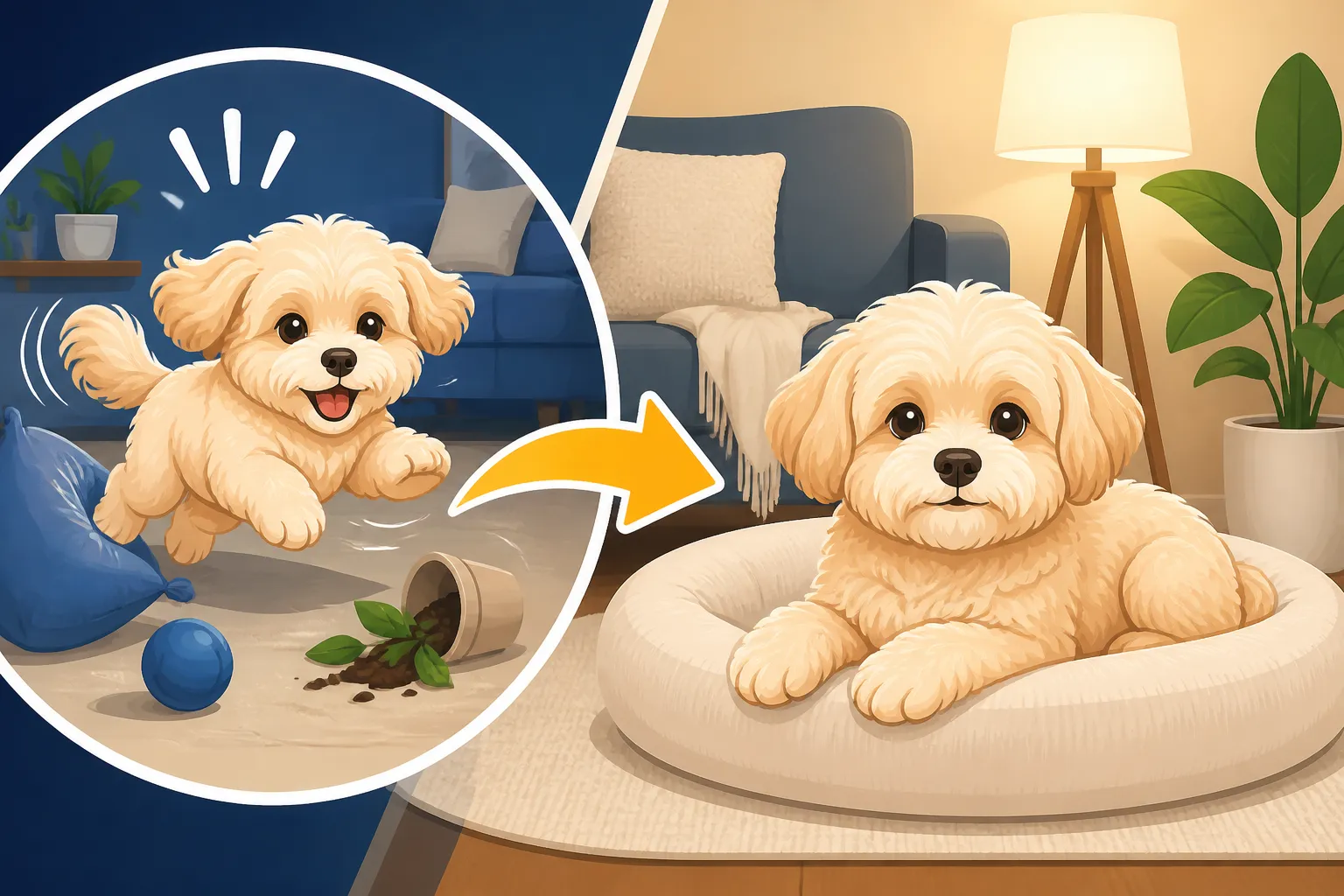
Whether a Maltipoo Ever Settles Indoors
Many Maltipoo owners bring home their adorable, fluffy puppy with visions of a calm, cuddly companion who will happily snooze on the sofa. But often, the reality hits: a tiny whirlwind of energy that just doesn't seem to settle indoors. This comprehensive guide will walk you through the nuances of Maltipoo indoor behavior, explaining why your little one might be restless and offering practical strategies to help them become the serene housemate you dreamed of.
Understanding the Maltipoo's Unique Blend of Energy
It's easy to look at a small, fluffy Maltipoo and assume they're naturally low-energy. However, understanding their parent breeds, the Maltese and the Poodle, is crucial to grasping their potential for both boundless energy and delightful calm. It's truly a genetic coin flip, and sometimes you get a bit of both!
The Maltese Influence: Calm and Cuddly?
The Maltese, one half of your Maltipoo, is often characterized as a gentle, affectionate, and relatively calm lapdog. They love to be with their people, soaking up attention, and are quite content with moderate indoor play and short strolls. This is the part of your Maltipoo that probably excels at snuggling and happily curls up beside you for a nap. They thrive on companionship and can sometimes be quite sensitive, preferring a quiet, predictable environment. If your Maltipoo leans heavily into their Maltese heritage, you might find them more inclined to be a relaxed homebody, seeking out warm laps and soft blankets.
However, even the most Maltese-leaning Maltipoo isn't entirely a passive observer. They can have a playful streak and a surprising amount of stamina for their size, especially when engaged with their favorite humans. They might be quiet, but that doesn't mean they don't have bursts of energy where they zoom around the living room or demand a game of fetch. It's a gentle energy, perhaps, but energy nonetheless.
The Poodle Spark: Brains and Bounciness
On the other paw, we have the Poodle, specifically the Toy or Miniature Poodle, which contributes significantly to the Maltipoo's makeup. Poodles are known for their intelligence, athleticism, and vivacious personalities. They are often described as active, eager-to-please, and highly trainable dogs who thrive on mental stimulation and physical activity. A Maltipoo who takes after their Poodle side might display a higher drive for games, learn tricks quickly, and seem to have an endless supply of get-up-and-go. You might notice them constantly observing you, ready for the next command or adventure.
This Poodle influence can manifest as a more active dog indoors. They might pace, bark at sounds outside, or constantly bring you toys, demanding interaction. Their intelligence means they need their brains worked as much as their bodies. A bored Poodle-dominant Maltipoo can quickly become a restless, potentially destructive, indoor companion. This is why you often see a significant range in temperament and energy levels among Maltipoos; it all comes down to The Coin Flip Inside Every Maltipoo Puppy.
The Reality of Maltipoo Indoor Behavior
It's a common misconception that all small dogs are automatically "apartment dogs" or naturally sedentary indoors. While Maltipoos can certainly adapt to apartment living, expecting them to be motionless decor items without effort on your part is setting yourself up for frustration.
Beyond the "Couch Potato" Image
Many people envision their Maltipoo as a tiny, fluffy accessory that fits perfectly into a quiet, low-activity lifestyle. The reality is that even a small dog like a Maltipoo still needs appropriate outlets for their energy and instincts. They aren't just decorative; they are dogs, with all the needs that come with being a canine. This includes exploring, playing, problem-solving, and exercising their bodies.
If your Maltipoo isn't getting enough mental and physical stimulation, their energy doesn't just disappear; it finds less desirable ways to express itself. This can look like excessive barking, chewing on furniture, frantic pacing, or even destructive behaviors. They might follow you from room to room, pawing at you for attention, or seem unable to relax even when you are. It's not out of spite; it's simply their way of saying, "I have energy and I need to do something!"
Common Signs Your Maltipoo Isn't Settled
How do you know if your Maltipoo is genuinely unsettled, or just being a playful pup? Look for a consistent pattern of these behaviors:
- Excessive Barking: Barking at every little sound, or even just for attention, can be a sign of boredom or pent-up energy.
- Pacing or Restlessness: If your Maltipoo can't seem to lie down and relax, constantly wanders from room to room, or paces back and forth, they might be unsettled.
- Destructive Chewing: Gnawing on furniture, shoes, or inappropriate items is a classic sign of boredom and a need for mental or physical engagement.
- Constant Nudging/Demanding Attention: While Maltipoos are affectionate, incessant pawing, nudging, or whining for attention can indicate a lack of structured activity.
- Zoomies at Inappropriate Times: While "zoomies" (sudden bursts of running around) are normal, if they happen frequently and without any other outlets, it might suggest too much stored energy.
- Difficulty Relaxing: A truly settled Maltipoo should be able to lie down quietly for periods, perhaps chewing on a toy or napping, without constantly seeking interaction or appearing agitated.
- Accidents Indoors: While often a housetraining issue, sometimes restless dogs, especially puppies, can have accidents because they're too distracted or agitated to signal properly. It's why things like How Many Months Before a Maltipoo Stops Having Accidents can be tied to their overall settling.
Laying the Foundation for a Peaceful Home
Helping your Maltipoo settle indoors isn't about crushing their spirit; it's about channeling their natural energy and intelligence into appropriate activities and providing a structured, predictable environment.
The Power of Predictable Routines
Dogs, especially intelligent breeds like the Maltipoo, thrive on routine. Knowing what to expect throughout the day can significantly reduce anxiety and help them feel more secure and settled. A solid daily routine provides anchors for their day, signaling when it's time for play, food, and rest.
Think about structuring their day with consistent times for:
- Waking Up & Potty Break: Start the day with a trip outside.
- Breakfast: Feed at the same time each day.
- Morning Walk/Play: A burst of activity after breakfast helps burn off initial energy.
- Potty Breaks: Frequent trips outside, especially for puppies.
- Quiet Time/Nap: Encourage them to settle in their crate or a designated quiet spot.
- Lunch (if a puppy or smaller adult needing multiple meals): Maintain consistency.
- Afternoon Play/Training: Another session of engagement.
- Dinner: Consistent timing.
- Evening Wind-Down: A final potty break and a quiet period before bed.
Sticking to a schedule, even on weekends, helps their internal clock regulate and can greatly contribute to their ability to relax. This is key to building The Daily Routine a Maltipoo Needs.
Exercise: Quality Over Quantity
Just because they're small doesn't mean they don't need exercise. While a Maltipoo won't need miles of running like a larger breed, they still need dedicated physical activity. The goal isn't just to wear them out, but to satisfy their natural urge to move and explore.
- Daily Walks: Aim for two to three shorter walks per day, perhaps 15-20 minutes each. Let them sniff and explore their environment; mental stimulation from new smells is just as tiring as physical exertion. Even a tiny Maltipoo benefits from a leash walk. For more details on this, you might explore The Walk a Six Pound Maltipoo Actually Needs.
- Indoor Play: Games of fetch, tug-of-war (gently, with a soft toy), or hide-and-seek can be great ways to burn energy indoors, especially on rainy days.
- "Zoomie" Space: If you have a secure yard, allow for some off-leash running time. If not, designate a safe indoor space where they can have a quick burst of energy.
- Consider their size: Always be mindful of their tiny stature. A fall off the sofa can be a serious injury, and long walks can be too much for tiny legs.
Mental Stimulation: Keeping Their Minds Busy
This is often the missing piece for restless Maltipoos. Poodles are incredibly smart, and that intelligence often carries over to their Maltipoo offspring. A mentally stimulated dog is a tired dog, and a tired dog is a settled dog.
- Puzzle Toys: These are fantastic for keeping a Maltipoo engaged. Toys that dispense treats when manipulated, or require problem-solving to access a reward, can provide hours of fun and brain work. Brands like Chewy offer a wide variety of puzzle toys for small breeds.
- Training Sessions: Short, positive training sessions throughout the day not only reinforce good behavior but also provide mental exercise. Teach new tricks, practice obedience commands, or even work on a fun trick like "spin" or "bow."
- Snuffle Mats: These fabric mats with hidden pockets are perfect for hiding kibble or treats, encouraging your Maltipoo to "hunt" for their food, engaging their natural foraging instincts.
- Chew Toys: Provide a variety of safe, appropriate chew toys. Chewing is a natural, calming activity for dogs and can help reduce stress and boredom. Just make sure the toys are sized correctly for their small mouths.
- Scent Games: Hide treats around the house and encourage your Maltipoo to find them. This engages their powerful sense of smell and is a great indoor activity. If you're wondering if your Maltipoo would enjoy this, consider Whether a Maltipoo Enjoys Puzzle Toys.
Addressing Restlessness and Unwanted Behaviors
Sometimes, despite your best efforts with routine and enrichment, a Maltipoo still struggles to settle. This is when you need to dig a little deeper into specific behaviors.
The Barking Battlers and Nipping Nuisances
A Maltipoo who is constantly barking at shadows, visitors, or simply demanding attention might not be settled. Similarly, a puppy who nips excessively beyond normal puppy play could be over-tired, over-stimulated, or lacking appropriate outlets.
- Identify the Trigger: Is the barking always at the mail carrier? Is it when you're on the phone? Once you know the trigger, you can manage the environment.
- Redirection: When barking or nipping starts, calmly redirect their attention to an appropriate toy or activity. Have a chew toy ready to offer as soon as the unwanted behavior begins.
- "Quiet" Command: Teach a "quiet" command by praising and rewarding moments of silence. When they bark, wait for a pause, say "quiet," and reward. Over time, they'll associate the command with being silent.
- Manage Excitement: Avoid inadvertently rewarding excited barking or nipping with attention. Turn your back or walk away for a few seconds if the behavior is attention-seeking.
- Consistent Training: The more consistently you work on basic obedience, the more responsive and settled your Maltipoo will be overall. This means every family member needs to be on the same page with commands and expectations.
Separation Anxiety and the Unsettled Homebody
One of the biggest reasons a Maltipoo struggles to settle indoors, particularly when left alone, is separation anxiety. Maltipoos are deeply attached to their families, inheriting a strong desire for companionship from both the Maltese and Poodle sides. If your Maltipoo panics when you leave, barks incessantly, has accidents, or becomes destructive, they might be experiencing separation anxiety. This can make them feel incredibly unsettled even when you return, as they anticipate your next departure.
- Gradual Departures: Start with very short absences, just a few seconds, and slowly increase the time. Don't make a big fuss when you leave or return.
- Safe Space: Create a comfortable, secure "den" for them, like a crate with soft bedding and a favorite chew toy. This can be a place they feel safe when you're gone.
- Interactive Toys: Provide long-lasting puzzle toys or frozen KONGs filled with peanut butter (ensure no xylitol!) to keep them occupied while you're away. Chewy has great options for these.
- Background Noise: Leave a radio or TV on to provide some background noise and comfort, mimicking the sounds of an occupied home.
- Consider a Sitter or Daycare: If your Maltipoo truly cannot cope with being alone for more than short periods, arranging for a dog walker or reputable doggy daycare can be a lifesaver. This is especially important for Maltipoos who Needs Company Most of the Day.
Training for Tranquility
Training isn't just about obedience; it's about building a language between you and your Maltipoo, fostering confidence, and teaching them how to behave in various situations, including how to be calm.
Positive Reinforcement for Calmness
Maltipoos are sensitive and respond best to positive reinforcement. Harsh corrections can make them anxious or shut down, which is counterproductive to teaching them to settle. Instead, focus on rewarding the behaviors you want to see.
- Catch Them Being Good: This is huge! When your Maltipoo lies down quietly on their bed, chewing a toy, or simply relaxing, quietly praise them and offer a small, calm treat. This teaches them that being calm earns rewards.
- "Go to Your Place": Teach a "place" command, instructing them to go to their bed or mat and stay there. Start with short durations and gradually increase. This gives them a designated spot to settle.
- Impulse Control: Work on commands like "leave it" and "wait." These help your Maltipoo learn self-control, which translates into better overall behavior and the ability to settle when asked. Remember, Whether a Maltipoo Is Too Soft for Correction means positive methods are always best.
Teaching the "Settle" Command
This is a specific command that can be incredibly useful. The "settle" command teaches your Maltipoo to relax and lie down in their designated spot, even amidst distractions.
- Choose a Spot: Designate a specific bed or mat where you want your Maltipoo to settle.
- Lure to Spot: Lure your Maltipoo onto the spot with a treat. As they lie down, say "Settle" in a calm voice.
- Reward Calm: Immediately reward them with a treat and soft praise when they lie down.
- Extend Time: Gradually increase the time they need to stay settled before getting a reward. Start with a few seconds, then move to longer periods.
- Add Distractions: Once they are consistent in a quiet environment, slowly introduce mild distractions (e.g., you walking by, a soft noise). Reward them for remaining settled.
- Practice Everywhere: Practice the "settle" command in different rooms of your house and eventually in new environments to generalize the behavior.
- Reinforce: Always keep a few tiny, high-value treats handy. When you see your Maltipoo settle naturally, say "Good settle!" and give them a treat. This reinforces the positive association.
This command is invaluable for helping your Maltipoo learn to switch off and relax when you need them to.
When to Call in the Pros
Sometimes, despite your best efforts, a Maltipoo's restlessness goes beyond typical puppy energy or minor behavioral quirks. In these cases, it's wise to consider professional help.
Identifying Underlying Health or Behavioral Issues
Persistent restlessness, anxiety, or unusual behaviors can sometimes be symptoms of an underlying health problem. It's always best to rule out medical causes first.
- Pain or Discomfort: A dog in pain might be restless, unable to find a comfortable position, or constantly shifting. Conditions like Slipping Kneecaps in a Maltipoo or dental pain can manifest as irritability and an inability to settle.
- Thyroid Issues: Hypothyroidism can sometimes cause behavioral changes, though less common in young dogs.
- Anxiety Disorders: While often trained and managed behaviorally, severe anxiety (beyond typical separation anxiety) can sometimes require veterinary consultation, especially if it leads to destructive behavior or self-harm.
- Cognitive Dysfunction (in older dogs): If your senior Maltipoo suddenly becomes restless at night or disoriented, they might be experiencing canine cognitive dysfunction, similar to dementia in humans.
- Nutritional Deficiencies or Sensitivities: In rare cases, certain food sensitivities or a diet lacking essential nutrients could contribute to behavioral issues.
If you notice a sudden change in your Maltipoo's behavior, or if they seem genuinely distressed, a visit to your veterinarian is the first step. They can perform a thorough check-up to rule out any medical causes.
Choosing the Right Professional Support
If medical issues are ruled out, and you're still struggling, don't hesitate to reach out to a professional dog trainer or a certified veterinary behaviorist.
- Certified Professional Dog Trainer (CPDT): A good trainer can observe your Maltipoo's behavior, help identify triggers, and teach you effective, positive reinforcement techniques to manage restlessness and build calm behaviors. They can offer guidance on routines, enrichment, and specific training commands.
- Certified Veterinary Behaviorist (DACVB): For more severe or complex behavioral issues, such as extreme separation anxiety, aggression, or phobias, a veterinary behaviorist is the specialist to see. They are veterinarians with advanced training in animal behavior and can prescribe medication if necessary, alongside developing a comprehensive behavior modification plan.
- Online Resources and Courses: Many reputable organizations and trainers offer online courses or virtual consultations that can be incredibly helpful, especially if local resources are limited.
Remember, seeking help is a sign of a responsible pet owner, not a failure. Every Maltipoo is an individual, and sometimes they just need a little extra guidance to truly settle into their role as a beloved indoor companion.
Sample Daily Routine for a Settled Maltipoo
This table provides a generalized example. Adjust it based on your Maltipoo's age, energy levels, and your own schedule. Consistency is key!
| Time Slot | Activity | Purpose |
|---|---|---|
| 7:00 AM | Wake Up, Potty Break | Start the day fresh, empty bladder |
| 7:15 AM | Breakfast | Fuel for the day |
| 7:30 AM | Morning Walk/Play | Physical exertion, sniffing opportunities |
| 8:00 AM | Potty Break | Reinforce outdoor toileting |
| 8:15 AM | Structured Play/Training (10-15 min) | Mental stimulation, reinforce commands |
| 8:30 AM | Chewy Puzzle Toy / Snuffle Mat | Independent mental work, quiet time |
| 9:00 AM | Crate Time / Quiet Nap | Teach independence, provide rest |
| 12:00 PM | Potty Break, Quick Play | Midday relief, stretch legs |
| 12:30 PM | Lunch (if puppy) / Chew Toy | Refuel, calm chewing |
| 1:00 PM | Relaxed Indoor Play / Cuddles | Low-key interaction |
| 2:00 PM | Potty Break | Routine elimination |
| 4:00 PM | Afternoon Walk/Play | Burn remaining energy, explore |
| 4:30 PM | Potty Break | Final long break before dinner |
| 5:00 PM | Dinner | Evening meal |
| 5:30 PM | Gentle Play / Training (5-10 min) | Light engagement, reinforce good behavior |
| 6:00 PM | "Settle" Command Practice | Teach relaxation |
| 7:00 PM | Quiet Time with Family | Cuddles, gentle pets, no high-energy play |
| 9:00 PM | Last Potty Break | Empty bladder before bed |
| 9:30 PM | Bedtime | Sleep in crate or designated spot |
Disclaimer
This article is for general informational purposes only and does not constitute professional advice. Laws, prices and regulations vary by location and change over time. Consult a qualified professional for guidance on your specific situation.