How Many Months Before a Maltipoo Stops Having Accidents
It's incredibly frustrating, isn't it? You bring home your adorable Maltipoo puppy, picturing a perfectly house-trained companion, only to find yourself constantly cleaning up puddles and feeling like you're making no progress. It's easy to get discouraged and wonder if your little fluffball will ever truly "get it." This comprehensive guide is here to walk you through the realistic timeline for housetraining a Maltipoo, why it might feel like an uphill battle, and most importantly, how to navigate those challenges to achieve a consistently clean home.
Understanding the Maltipoo's Unique Housetraining Journey
Housetraining isn't a one-size-fits-all endeavor, and with a Maltipoo, you're dealing with a unique blend of traits that can make the process feel a little different than with other breeds. It’s not about them being unintelligent; it’s about their physical makeup and inherited personality quirks. Understanding these factors can really help set your expectations and tailor your approach.
The Size Factor: Tiny Bladders and Fast Metabolisms
One of the biggest reasons Maltipoos can take longer to housetrain, and why they might have more accidents in the early months, comes down to their diminutive size. Imagine trying to hold your bladder for hours when you're just a few pounds and your digestive system processes food at lightning speed. That's essentially what your Maltipoo is dealing with.
Their tiny bladders simply don't have the capacity to hold urine for extended periods, especially when they're very young. A four-pound Maltipoo puppy, for instance, operates on a much faster biological clock than a larger breed. What feels like a reasonable interval between potty breaks for us might feel like an eternity to them. This often means they need to go out much more frequently than you might initially think, sometimes every 30 minutes to an hour when they're very young and awake. As they grow, their bladder capacity does increase, but it's still smaller than most dogs, meaning they'll always need more frequent trips outside than a Golden Retriever. You can delve deeper into this specific challenge by reading Whether a Maltipoo's Bladder Is Simply Too Small.
Furthermore, their metabolism is incredibly efficient and fast-paced. Food goes in, gets processed, and needs to come out in short order. This means that after eating or drinking, the window before they need to defecate or urinate can be surprisingly brief. If you're used to waiting an hour or two after a meal with a bigger dog, you might find your Maltipoo needs to go almost immediately. This metabolic reality is a huge reason why a strict and frequent potty schedule is absolutely non-negotiable for success.
The Intelligence vs. Stubbornness Balance: Poodle Brain, Maltese Will
The Maltipoo is a mix of two distinct personalities: the Poodle and the Maltese. On one hand, you have the Poodle's renowned intelligence and eagerness to please, which can make them very quick to pick up new commands and routines. They thrive on positive reinforcement and genuinely enjoy learning. This is the part of your Maltipoo that will understand what you want them to do when you say "potty outside."
However, the Maltese side can bring a delightful, yet sometimes challenging, streak of independence and stubbornness. They are confident, spirited little dogs with their own ideas about how things should be. This isn't to say they're difficult to train, but they can decide that going outside in the rain, for example, is simply not appealing. Or, if they've had an accident indoors and it wasn't cleaned properly, they might revert to that spot because it still smells like a toilet to them. This stubbornness can manifest as a refusal to cooperate if they don't see the immediate benefit or if the conditions aren't to their liking. Understanding What the Maltese Puts Into a Maltipoo's Character can give you a lot of insight here.
The key is to leverage the Poodle's intelligence with consistent, positive training, while gently but firmly guiding the Maltese's independent spirit. It's a delicate balance, and it means patience is your greatest virtue.
Early Experiences: What Happened Before They Came Home
A significant, often overlooked, factor in your Maltipoo's housetraining journey is their early environment. What were their first weeks like at the breeder or rescue? Were they raised in a clean environment where they were routinely taken outside to potty? Or were they in a situation where they had no choice but to relieve themselves in their living space, perhaps on puppy pads or even directly on the floor?
Puppies quickly develop habits based on their surroundings. If a puppy was raised in a small enclosure where they consistently soiled their sleeping area, they might not have developed the innate instinct to keep their den clean. This can make the transition to housetraining much harder, as you're not just teaching a new behavior, but potentially undoing an ingrained habit. This is especially common with puppies from less reputable sources, like puppy mills, where hygiene is often an afterthought.
Even good breeders might use puppy pads, which can be a double-edged sword. While convenient for the breeder, it teaches the puppy that eliminating indoors on a soft surface is acceptable. Transitioning from pads to solely outdoor toileting can take extra time and effort. You might find your puppy understands "go potty" but still assumes "inside" is an option if you don't make outdoor elimination the only acceptable choice and reward it heavily. If you’re curious about initial puppy behavior, Surviving the First Week With a Maltipoo Puppy offers great insights into their early adjustment.
Realistic Timelines for Housetraining Success
Let's be real: there's no magic age where a Maltipoo suddenly stops having accidents. It's a gradual process, and every dog is an individual. However, we can talk about general milestones and what you can realistically expect during different stages of their development. Don't fall into the trap of comparing your Maltipoo to another dog; focus on your dog's progress.
Puppyhood Milestones: What to Expect in the First Few Months
In the initial weeks and months with your Maltipoo puppy, especially from 8 weeks to around 4-5 months, accidents are going to be a daily reality. This isn't a sign of failure; it's simply a reflection of their undeveloped bladder control and limited understanding of your expectations.
- 8-12 Weeks: This is the "survival" phase. Your tiny Maltipoo will need to go out constantly – every 30-60 minutes when awake, after waking up, after eating, after playing, and before bed. They simply don't have the physical capacity to hold it much longer. Expect accidents, and understand that you are building the absolute foundation of association: "outside = potty." Consistency, constant supervision, and frequent trips are your tools. At this age, a small area with a playpen and perhaps a single pad (if you intend to use them as a bridge) can be helpful for those moments you can't get them outside fast enough.
- 3-4 Months: You might start to see slight improvements in holding time, perhaps 1.5-2 hours between potty breaks during the day, though still very frequent after activity or meals. They should begin to signal more clearly when they need to go, perhaps by standing at the door or whining. This is where the understanding starts to solidify. Accidents will still happen, especially if you get distracted or misread their cues.
- 4-6 Months: This is often a turning point for many Maltipoos. Their bladder control is improving significantly, and they are generally capable of holding it for 3-4 hours during the day. They should be more reliable in signaling their need to go out. The number of accidents should decrease dramatically, becoming more occasional "mistakes" rather than frequent occurrences. However, don't let your guard down! Adolescent puppies can still have lapses, especially if their routine changes or they get overly excited.
Remember, the goal in these early months is to prevent as many accidents as possible while showering them with praise and rewards for successful outdoor eliminations. For a good breakdown of routine, check out How Often a Maltipoo Puppy Needs Taking Out and Building a Toilet Schedule Around a Maltipoo's Bladder.
The "Aha!" Moment: When It Finally Clicks for Most Maltipoos
For many Maltipoos, that true "aha!" moment, where they consistently understand that pottying must happen outside and actively seek to go out, often occurs between 5 and 8 months of age. This is when their physical development catches up to their learned behavior. They gain better bladder and bowel control, and the routine you've been diligently following finally becomes second nature.
At this point, you'll notice:
- Clearer Signals: They might ring a bell by the door, stare intently at you, or even give a little bark to indicate their need.
- Increased Holding Time: They can comfortably hold it for longer stretches, perhaps 4-6 hours, sometimes even longer overnight if they've been given a final potty break right before bed.
- Fewer Accidents: Accidents become rare, usually only happening if you completely miss their cues, leave them too long, or there's a significant disruption to their routine.
It's important to recognize that this "click" isn't instantaneous for every Maltipoo. Some might be earlier, some might be a bit later, especially if they came from a challenging early environment or have a particularly stubborn streak. The key is consistent effort from you, reinforcing good habits every single day. How Long House Training a Maltipoo Actually Takes provides an even broader perspective on the total duration.
Regression is Normal: When Accidents Recur and Why
Just when you think you've conquered housetraining, your Maltipoo might regress. This is incredibly common and can be disheartening, but it's important not to panic or blame your dog. Regression is usually a temporary setback and often has a clear cause.
Here are some common reasons for housetraining regression:
- Adolescence (around 6-12 months): Just like human teenagers, adolescent dogs can test boundaries. They might suddenly "forget" their training because they're pushing to see what they can get away with. This is usually behavioral rather than physical.
- Changes in Routine: A new work schedule, a vacation, a new pet, or even just moving furniture around can throw a sensitive Maltipoo off balance. Consistency is key, so any disruption can lead to confusion.
- Medical Issues: This is critical. If a previously reliably housetrained Maltipoo suddenly starts having frequent accidents, especially small puddles, increased urgency, or straining, a trip to the vet is absolutely necessary. Urinary tract infections (UTIs) are very common in small dogs and can mimic housetraining problems. Other medical issues like bladder stones, kidney problems, or even conditions like Cushing's disease (more common in older dogs) can cause increased urination. Whether a Urinary Infection Explains a Maltipoo's Accidents is a must-read if you suspect this.
- Environmental Changes: A new house, new flooring, or even just a particularly noisy week in the neighborhood can stress some Maltipoos enough to cause accidents.
- Inadequate Cleaning: If past accident spots weren't thoroughly cleaned with an enzymatic cleaner, the lingering scent (undetectable to humans but very clear to dogs) can encourage them to mark that spot again.
- Lack of Supervision: As dogs get older and more reliable, owners sometimes relax their supervision too much. A quick moment of inattention is all it takes for a determined Maltipoo to sneak off and have an accident.
When regression occurs, the best approach is to essentially go back to basics, treating your Maltipoo like a young puppy again with very frequent potty breaks, strict supervision, and high-value rewards for outdoor success. You can find more detail on this topic in Whether a Maltipoo Regresses at Six Months.
Strategies for Overcoming Housetraining Hurdles
Successfully housetraining your Maltipoo isn't just about waiting for them to grow up; it's about actively guiding them with smart, consistent strategies. Think of yourself as their benevolent, patient teacher.
The Power of a Consistent Schedule and Routine
This is the cornerstone of all housetraining, especially for a Maltipoo. A predictable schedule helps your dog understand when and where they are expected to relieve themselves. Dogs thrive on routine, and a consistent schedule reduces anxiety and confusion.
Here’s what a robust schedule looks like:
- First Thing in the Morning: The absolute first thing you do after waking up.
- After Every Meal: Within 5-15 minutes, due to their fast metabolism.
- After Waking Up from Naps: Immediately, as they likely have a full bladder.
- After Play Sessions or Excitement: High energy can stimulate the urge to go.
- Before Bed: The last thing you do at night.
- Every 1-3 Hours Throughout the Day: Adjust based on your Maltipoo's age and bladder control. Young puppies will need the shorter end of this spectrum.
When you take them out, always go to the same designated potty spot. This helps them associate that specific area with elimination. Stay out with them until they perform. As soon as they finish, praise them enthusiastically and give a high-value treat. This instant reward helps them connect the act with the positive outcome. If you have a busy day, consider hiring a dog walker or asking a trusted friend to help maintain the schedule. For detailed guidance, revisiting Building a Toilet Schedule Around a Maltipoo's Bladder would be highly beneficial.
Effective Management: Crates, Playpens, and Supervision
Managing your Maltipoo's environment is just as important as the schedule. You can't train what you can't control.
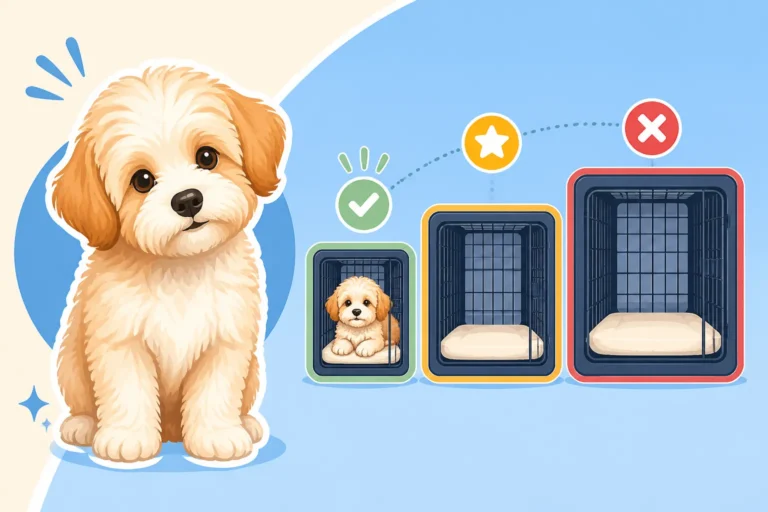
- Crate Training: A properly sized crate is one of the most effective housetraining tools. Dogs naturally don't want to soil their sleeping area. The crate should be just big enough for your Maltipoo to stand up, turn around, and lie down comfortably. If it's too large, they might use one end as a bathroom. Place the crate in a central, busy part of your home so your Maltipoo doesn't feel isolated. Never use the crate as punishment; it should be a safe, positive den. For more on this, look into Whether Crate Training Speeds a Maltipoo Up.
- Playpens: For times when you can't actively supervise (e.g., you're cooking dinner), a playpen can be invaluable. It gives them a safe, confined space that's larger than a crate but still limits their ability to roam and have unsupervised accidents. You can place a potty pad at one end if you're working on pad training, or simply use it as a containment area until the next scheduled potty break.
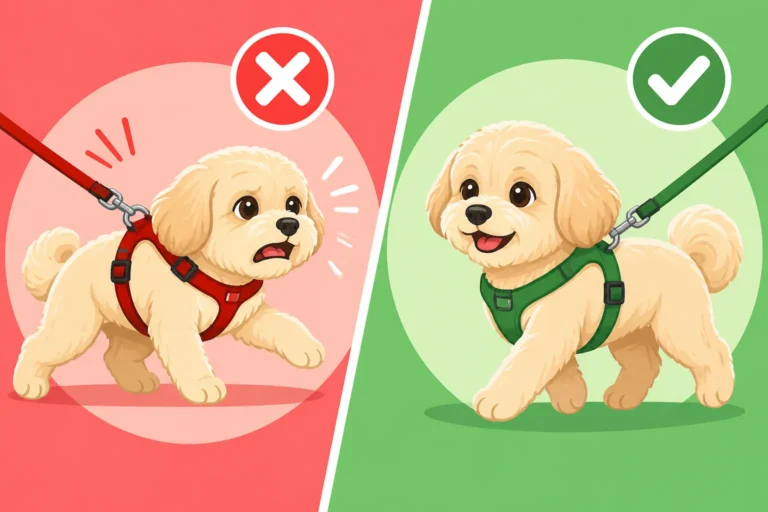
- Umbilical Cord Method (Leash Supervision): When your Maltipoo is outside their crate or playpen, they should be either actively supervised or tethered to you with a leash. This prevents them from wandering off to a quiet corner and having an accident. It also helps you learn their individual "potty signals." If you notice them sniffing around, circling, or acting restless, it's time for an immediate trip outside.
- Enzymatic Cleaners: Accidents will happen. When they do, clean them thoroughly with an enzymatic cleaner (brands like Nature's Miracle or Rocco & Roxie Supply Co. are popular and effective, often available on Amazon). These cleaners break down the odor-causing molecules, removing the scent that might otherwise attract your Maltipoo back to the same spot. Regular household cleaners only mask the smell for humans; dogs can still detect it.
Communication is Key: Learning Your Maltipoo's Potty Cues
Every Maltipoo will develop their own subtle ways of telling you they need to go. Your job is to become a detective and learn these cues. They might be:
- Restlessness: Pacing, whining, or inability to settle.
- Sniffing: Especially sniffing the ground more intently than usual.
- Circling: Often a prelude to squatting or lifting a leg.
- Standing by the Door: Direct and obvious, but not all dogs do this from the start.
- Looking at You: Making eye contact, perhaps with a slight whine.
- Suddenly Disappearing: A puppy that quietly slips out of sight is often up to no good.
As soon as you notice any of these signs, don't hesitate. Scoop them up (if they're small enough and comfortable with it) or leash them quickly and head straight outside to their designated potty spot. The quicker you respond, the stronger the association becomes.
Reinforcement and Patience: Making Potty Training Positive
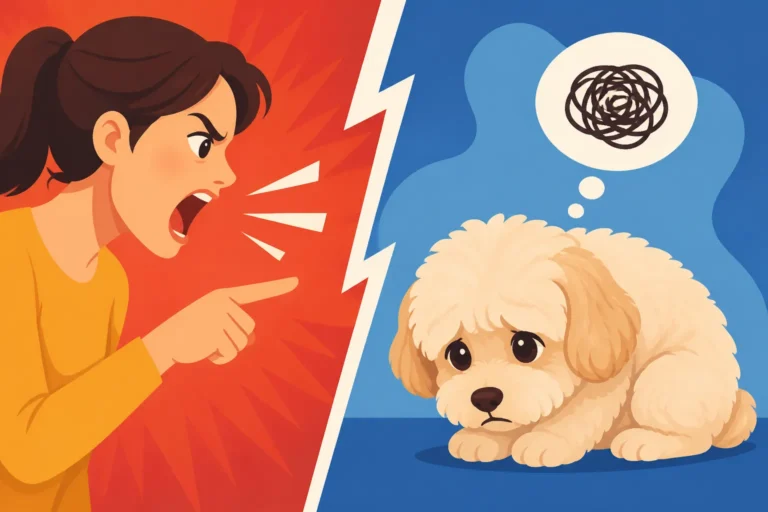
Maltipoos, with their Poodle intelligence, respond beautifully to positive reinforcement. Scolding or punishing them for accidents is counterproductive. It teaches them to fear you or to hide their accidents, rather than learning where to go.
- High-Value Rewards: When your Maltipoo potties outside, make it a huge celebration! Use an excited tone of voice, offer enthusiastic praise ("Good potty!"), and give a truly high-value treat – something they don't get at any other time (small pieces of cooked chicken, cheese, or special training treats work wonders).
- Consistency from Everyone: Ensure everyone in the household is on the same page with the schedule, commands, and reward system. Inconsistency is confusing for your Maltipoo.
- Patience, Patience, Patience: Housetraining takes time, especially for small breeds. There will be setbacks. Don't get frustrated. Every successful outdoor potty is a step forward, and every accident is an opportunity to learn and refine your approach. If you feel like you're hitting a wall, resources like BAXTER & Bella offer online puppy training programs that can provide structured guidance and support, which can be invaluable for maintaining a positive, consistent approach.
| Age Range (Maltipoo) | Bladder Control | Potty Frequency (Awake) | Typical Accidents | Key Strategy |
|---|---|---|---|---|
| 8-12 Weeks | Very Limited | Every 30-60 minutes | Frequent | Constant supervision, immediate outdoor trips, crate/playpen management |
| 3-4 Months | Developing | Every 1.5-2 hours | Decreasing | Consistent schedule, learning cues, positive reinforcement |
| 4-6 Months | Improving | Every 3-4 hours | Occasional | Reinforce reliability, prepare for adolescence, watch for regression |
| 6-8 Months | Good | Every 4-6 hours (day) | Rare | Maintain routine, address any regression with renewed vigilance |
When to Seek Professional or Veterinary Help
If you've been diligently following all the best practices for months and your Maltipoo is still having frequent accidents, or if a previously housetrained dog suddenly regresses, it's time to consider professional help. This isn't a sign of failure on your part, but rather a responsible step to ensure your dog's well-being.
Medical Reasons for Persistent Accidents
As mentioned earlier, a sudden change in housetraining habits, especially in an adult Maltipoo, should always prompt a visit to your veterinarian. Do not assume it's purely behavioral. Small dogs like Maltipoos can be prone to certain health issues that directly impact bladder control.
Common medical culprits include:
- Urinary Tract Infections (UTIs): These are incredibly common and can cause frequent urination, straining, or accidents. A vet can diagnose a UTI with a simple urine test and treat it with antibiotics.
- Bladder Stones: These can cause pain, frequent urination, and even blockages. They are more common in small breeds.
- Kidney Disease: Can lead to increased thirst and urination.
- Diabetes: Also causes increased thirst and urination.
- Liver Shunts: While often diagnosed in puppies, a mild shunt could contribute to issues that manifest later. The Liver Shunt a Maltipoo Can Inherit From the Maltese is an important read here.
- Hormonal Imbalances: Such as Cushing's disease or hypothyroidism, which can affect older dogs.
- Cognitive Dysfunction (in older Maltipoos): Similar to dementia in humans, older dogs can become disoriented and "forget" their housetraining.
- Slipping Kneecaps (Patellar Luxation): While not directly causing accidents, the pain or discomfort from a condition like Slipping Kneecaps in a Maltipoo might make your dog reluctant to go outside, especially if it involves walking on uneven surfaces or climbing steps, leading to indoor accidents.
Your vet will likely perform a physical exam, a urinalysis, and potentially blood tests to rule out any underlying health conditions. Getting a clear bill of health is the first step before assuming it's a training issue.
Behavioral Challenges Requiring Expert Guidance
Once medical issues are ruled out, persistent housetraining problems might stem from behavioral challenges that are difficult to pinpoint or correct on your own. This is where a certified professional dog trainer or a veterinary behaviorist can be a game-changer.
They can help with:
- Anxiety-Related Accidents: Some Maltipoos, especially those prone to separation anxiety, might have accidents when left alone, not because they can't hold it, but due to stress.
- Submissive Urination: Some timid dogs may urinate when greeting people or when excited, which isn't a housetraining failure but a behavioral response.
- Marking Behavior: Unneutered males (and sometimes females) might mark territory indoors.
- Incomplete Training: If early training was inconsistent or not thorough enough, your Maltipoo might simply not have fully grasped the concept. A professional can help identify gaps in their understanding.
- Fear of Outside: If your Maltipoo had a negative experience outside (e.g., loud noise, scary interaction), they might be reluctant to go, leading to accidents indoors.
A professional can observe your Maltipoo, analyze your routine, and offer tailored advice and training plans. They can teach you new techniques, help you interpret your dog's body language more accurately, and provide the confidence you need to get your Maltipoo reliably housetrained. Don't hesitate to seek this expertise; it can save you a lot of stress and cleanup in the long run.
Disclaimer
This article is for general informational purposes only and does not constitute professional advice. Laws, prices and regulations vary by location and change over time. Consult a qualified professional for guidance on your specific situation.