The Daily Routine a Maltipoo Needs
Bringing a Maltipoo into your life is an absolute joy, but it also comes with a unique set of responsibilities. These adorable, fluffy companions, especially the smaller ones, aren't just tiny dogs; they're delicate little beings with specific needs that, if neglected, can quickly lead to health issues or behavioral problems. Many new Maltipoo owners feel a little lost, wondering how to structure their day to ensure their little one is happy, healthy, and well-adjusted. This comprehensive guide will walk you through the essential components of an ideal daily routine for your Maltipoo, from sunup to sundown, to help you navigate their care with confidence and ease.
Kicking Off the Day: The Maltipoo Morning Routine
The start of your Maltipoo's day sets the tone for everything that follows. Consistency is key, especially for these smart but sometimes sensitive little dogs. A predictable morning routine helps reduce anxiety and establishes good habits, making both your lives smoother.
The Immediate Potty Break and Why It's Crucial
The very first thing your Maltipoo needs upon waking is a trip outside. Their small bladders, particularly in puppies and smaller adults, can't hold it for long overnight. Waiting even a few extra minutes can lead to an accident, which is frustrating for everyone and can undermine housetraining efforts. Imagine waking up after eight hours and needing to go right now – that's how your Maltipoo feels! Make it a non-negotiable part of your morning. Scoop them up, carry them outside if you need to (especially if they're still learning or it's cold), and praise them enthusiastically the moment they do their business. This positive reinforcement solidifies the connection between going outside and good things happening.
For puppies, this immediate trip is crucial for preventing accidents and establishing good habits from the start. You might find yourself needing to carry them quickly to their designated potty spot, especially if they're easily distracted or tempted to pee on your rug on the way to the door. For older Maltipoos, this routine helps maintain their housetraining and gives them a comfortable start to their day. Remember, their tiny bladders aren't built for marathon holding contests.
First Meal of the Day: Measuring for Tiny Tummies
After that essential potty break, it’s time for breakfast. For a Maltipoo, especially a young one, food isn't just sustenance; it's a vital part of preventing common issues like hypoglycemia. Their small size means they burn through calories quickly, and going too long without food can be dangerous. This is especially true for smaller dogs; you can learn more about why these little ones cannot skip meals in Why a Two Pound Maltipoo Cannot Skip a Meal.
It's absolutely paramount to measure your Maltipoo's food by weight, using a kitchen scale, rather than just eyeballing it with a scoop. A seemingly small difference in kibble volume can be a significant caloric variation for a tiny dog. For instance, a six-pound Maltipoo might only need a quarter cup of food a few times a day, and even a slight overfill of a measuring cup can mean too many calories, leading to weight gain. Conversely, underfeeding can lead to energy dips. Many owners find weighing their Maltipoo's food to the exact gram or ounce helps maintain their ideal weight and energy levels. You can find precise guidelines for this in Feeding a Six Pound Maltipoo by the Ounce, Not the Scoop. Companies like Ollie offer pre-portioned fresh food that takes the guesswork out of feeding, while online retailers like Chewy and Amazon offer a wide variety of kitchen scales and high-quality small breed kibble to help you get it right.
Morning Grooming: A Quick Comb and Eye Wipe
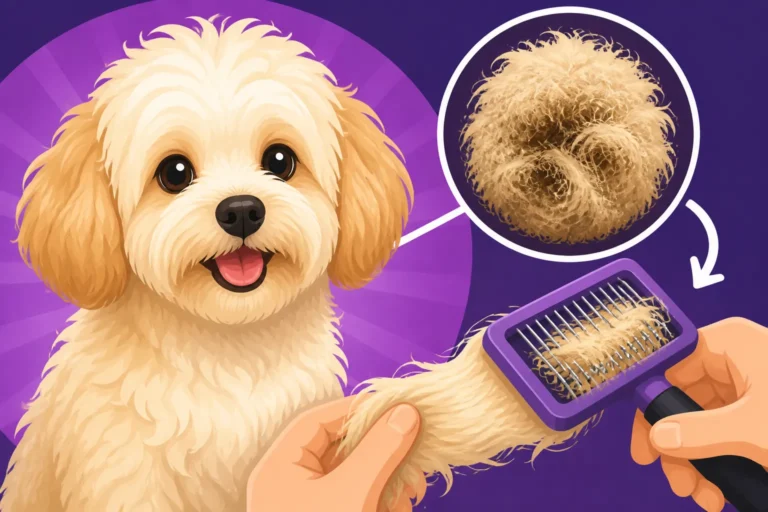
Maltipoos, with their beautiful non-shedding coats, require daily attention to prevent mats and maintain cleanliness. The morning is an ideal time for a quick groom. Start with a gentle comb-through, paying special attention to areas prone to matting like behind the ears, under the legs, and around their harness area. Even a few minutes of combing can prevent a small tangle from becoming a huge, painful mat that requires professional dematting or even shaving.
Beyond the coat, focus on their expressive eyes. Maltipoos are prone to tear staining, especially if they have lighter coats. A quick, gentle wipe with a damp cloth or a specialized eye wipe can help prevent crust and reduce staining. Untrimmed hair around their eyes can also cause irritation and contribute to staining, so ensuring this area is kept neat is crucial. You can dive deeper into managing this in Keeping a Maltipoo's Face Trimmed and Clean. This morning session isn't just about aesthetics; it's about comfort and preventing discomfort later in the day.
Midday Momentum: Sustaining Energy and Engagement
The middle of the day, especially if you work from home or have a flexible schedule, presents opportunities to break up your Maltipoo's day with essential care and interaction. These aren't just "nice-to-haves" but integral parts of their well-being.
Potty Breaks and the Midday Check-in
Just like in the morning, regular potty breaks throughout the day are non-negotiable. For a Maltipoo puppy, this might mean every 2-3 hours. Even adult Maltipoos, particularly those under five pounds, benefit from a midday outing. If you work outside the home, consider hiring a dog walker or having a trusted friend or family member stop by. A long stretch alone can be tough on their bladder and can also lead to boredom or anxiety.
A midday check-in offers more than just a potty break. It’s a chance to offer a quick cuddle, a moment of play, and assess their overall mood and energy. Are they happy and bouncy, or do they seem subdued? These small observations can be early indicators of a potential health issue. It also helps reinforce your bond and assures them they haven't been forgotten, which is important for a companion dog like the Maltipoo. The goal is to keep them feeling secure and prevent those little accidents indoors. For a deeper understanding of puppy potty needs, see How Often a Maltipoo Puppy Needs Taking Out.
Lunchtime Logistics for Growing Pups and Small Adults
Many Maltipoo puppies require three to four small meals a day to maintain stable blood sugar levels and support their rapid growth. If your Maltipoo is still a puppy, or a very small adult, a midday meal might be essential. This isn't just about hunger; it's a critical preventative measure against hypoglycemia, particularly in teacup varieties. Even if your adult Maltipoo is on a twice-daily feeding schedule, a small snack or a puzzle toy stuffed with a treat can break up the day and provide mental stimulation.
Again, precision is vital. Don't just throw a handful of kibble into their bowl. Measure it carefully to ensure they are getting the right amount of calories without overeating or undereating. If you use a fresh food service like Ollie, their portions are already designed for optimal nutrition. For others, careful measurement of kibble purchased from Chewy or Amazon is a must. This midday meal or snack helps stabilize their energy, preventing that cranky dip that can sometimes lead to mischievous behavior.
Short Play Sessions and Mental Enrichment
Maltipoos are intelligent and active little dogs, inheriting both the Poodle's smarts and the Maltese's playful spirit. They need more than just physical exercise; they need mental stimulation to prevent boredom and destructive behaviors. A short 10-15 minute play session in the middle of the day can make a huge difference. This could involve playing fetch in the living room, a game of tug-of-war with a soft toy, or working on a simple trick.
Puzzle toys, which require your Maltipoo to figure out how to get a treat, are excellent for mental enrichment. They engage their problem-solving skills and can keep them occupied and happy while you attend to other tasks. Rotate their toys to keep things fresh and exciting, and always supervise them, especially with new toys, to ensure they are safe and durable enough for their tiny mouths.
Afternoon Adventures: Combining Care with Exploration
As the day progresses, your Maltipoo's routine should blend essential care with opportunities for exploration and bonding. The afternoon is a great time for a more substantial outing or dedicated grooming.
The Afternoon Walk: Pace, Duration, and Safety
An afternoon walk is beneficial for both physical exercise and mental stimulation. For a Maltipoo, this isn't about covering miles at a brisk pace; it's about sniffing, exploring new sights and sounds, and enjoying quality time with you. A 20-30 minute walk, depending on their age and energy levels, is usually sufficient. Remember, their little legs work much harder than ours to cover the same distance! For some Maltipoos, especially those with conditions like slipping kneecaps, shorter, more frequent walks might be better than one long one.
Safety is paramount during walks. Always use a harness, not a collar, to protect their delicate trachea. A sudden tug on a collar can easily damage their windpipe, especially for small breeds. Be mindful of extreme temperatures; hot pavement can burn their paw pads in summer, and freezing sidewalks can be brutal in winter. Consider dog booties in harsh weather. If your Maltipoo is one of those who despises wet weather, as explored in The Maltipoo That Refuses to Go Outside in the Wet, you might need to find a covered area or make their outdoor experience as quick and comfortable as possible. For more insights on appropriate exercise, refer to The Walk a Six Pound Maltipoo Actually Needs.
Brushing Their Tiny Teeth: A Daily Necessity
Dental health is one of the most overlooked, yet critical, aspects of Maltipoo care. Their small mouths are prone to overcrowding, making them highly susceptible to plaque and tartar buildup, which can lead to painful dental disease. Daily tooth brushing isn't just a recommendation; it's a necessity. Skipping this can lead to costly professional dental cleanings and potentially serious health issues down the line, as bacterial infections from the mouth can affect other organs.
Invest in a small, soft-bristled toothbrush designed for dogs and dog-specific toothpaste (never use human toothpaste). Make it a positive experience with praise and a small reward afterwards. Even if you can only manage a few seconds on their front teeth initially, consistency is key. Gradually work your way up to reaching the back teeth. This daily ritual can save your Maltipoo from significant pain and expense. Learn more about this crucial habit in Brushing a Maltipoo's Teeth Every Single Day.
Socialization Opportunities and Meeting New Faces
While Maltipoos are often very attached to their families, they also benefit from appropriate socialization. The afternoon walk or a trip to a dog-friendly cafe can offer gentle opportunities to meet new people and other well-behaved dogs. It's important to protect your tiny Maltipoo from overly boisterous dogs, as they can easily be injured. Always supervise interactions closely.
For Maltipoos, socialization isn't just about preventing fear; it's about building confidence. A well-socialized Maltipoo is less likely to be fearful or reactive in new situations. This could mean a trip to a local pet store (many welcome dogs and offer good socialization opportunities), a friend's house, or even just sitting on a bench to watch the world go by. Remember to keep experiences positive and low-stress.
Evening Unwind: From Dinner to Deep Sleep
As the day winds down, the focus shifts to ensuring your Maltipoo is fed, settled, and comfortable for a restful night. A calm and predictable evening routine helps them transition from active play to quiet relaxation.
Dinner Time: Sticking to the Schedule
Dinner is the last major meal of the day and should be served at a consistent time each evening. Just like breakfast and lunch, accurate portion control is essential. This helps maintain their ideal weight and ensures they go to bed with a full, but not overstuffed, stomach. For puppies, their last meal might be a few hours before bedtime to give them ample time to digest and have a final potty break.
This consistency in feeding times isn't just good for their digestion; it's also a comfort to your Maltipoo. They thrive on routine and knowing when to expect their meals. If you've opted for a fresh food delivery service like Ollie, their evening meal will be just as perfectly balanced as their morning one. For kibble users, remember to re-weigh the portion to avoid overfeeding.
Final Potty Outing and Wind-Down Activities
Before settling in for the night, a final potty break is a must. This should ideally be right before you head to bed, ensuring their bladder is as empty as possible. Even if they don't seem like they need to go, a quick trip outside can prevent an accident in the middle of the night. Again, praise them generously for doing their business.
After their last potty trip, engage in quiet, calming activities. This could be a gentle cuddle on the sofa, a quiet game of "find the treat" where they use their nose, or a short session of brushing. Avoid overly stimulating play or training exercises right before bed, as this can make it harder for them to relax and fall asleep. The goal is to create a peaceful environment that signals it's time to rest.
Preparing for Bed: Comfort and Security
Your Maltipoo needs a comfortable, safe, and secure place to sleep. This might be a cozy dog bed in your room, a crate, or a designated sleeping area. Ensure their bed is soft and supportive, and that they have access to fresh water. If they sleep in a crate, make it a positive space by associating it with treats and comfort, never punishment. Many Maltipoos feel very secure in a den-like crate, especially when they're new to your home.
For smaller Maltipoos, regulating their body temperature can be a challenge. Make sure their sleeping area isn't drafty or too cold. A soft blanket can provide extra warmth and comfort. If they tend to shiver, even indoors, a light dog sweater might be beneficial, as discussed in Why a Maltipoo Shivers Indoors. The consistency of a bedtime routine helps them understand it's time to settle down, ensuring a good night's sleep for both of you.
Year-Round Adaptations: Adjusting for Seasons and Stages
A Maltipoo's daily routine isn't static; it needs to adapt to the changing seasons and their life stage. What works for a puppy in summer won't necessarily work for a senior in winter.
Hot Weather Hazards and Cool Comforts
Summer brings its own set of challenges for Maltipoos. Their fluffy coats, while lovely, can make them prone to overheating. Walks should be scheduled for cooler parts of the day – early mornings and late evenings. Avoid walking on hot pavement, which can quickly burn their delicate paw pads. Always carry water for them, and offer frequent breaks in the shade.
Indoors, ensure they have access to cool, comfortable spots. A cooling mat can be a godsend, or simply a tiled floor where they can stretch out. Never leave a Maltipoo, or any dog, alone in a parked car, even for a few minutes, as temperatures can rise dangerously fast. Keeping their coat trimmed short in summer can also help them stay cool, though never shave them down to the skin, as this can expose them to sunburn.
Cold Weather Care: Keeping Them Cozy
Winter presents the opposite challenge: keeping your Maltipoo warm. Their small body mass means they lose heat quickly. Short walks are best in very cold weather, and a warm dog coat or sweater is essential, even for quick potty breaks. Their paws can also get very cold on snow and ice, and exposed to irritating road salts. Consider protective booties, or at the very least, wipe down their paws after every outing.
Indoors, ensure their sleeping area is warm and free from drafts. If your home tends to be chilly, a heated dog bed or extra blankets can provide much-needed warmth. Monitor them for signs of shivering or lethargy, which could indicate they're too cold. Adjusting their exercise routine to include more indoor games can compensate for shorter outdoor excursions.
Age-Related Adjustments: Puppies vs. Seniors
A Maltipoo's routine will naturally evolve as they age.
Puppies: Young Maltipoos are bundles of energy but have small bladders and delicate bodies. Their routine needs to be highly structured with very frequent potty breaks (every 2-3 hours), multiple small meals, and short bursts of play and training. They also need more sleep than adult dogs. Focus on positive reinforcement, early socialization, and consistent handling. You can learn more about managing hypoglycemia in young pups by reading Hypoglycemia and the Teacup Maltipoo Puppy.
Adults: As Maltipoos mature, their bladder control improves, and their feeding schedule might shift to two main meals a day. Their exercise needs remain consistent, often requiring one or two decent walks daily, combined with indoor play. Continuing mental stimulation through training and puzzle toys is important to keep their minds sharp. What a Maltipoo Should Know by Six Months can offer guidance on developmental milestones.
Seniors: Older Maltipoos may slow down, sleep more, and develop age-related health issues like arthritis or reduced vision. Their routine should prioritize comfort and ease. Shorter, more frequent walks, softer bedding, and easily digestible food might become necessary. Regular vet check-ups become even more crucial to manage any emerging health concerns. Learn more about adapting care for an aging Maltipoo in Caring for a Maltipoo Past Ten.
Integrating Regular Health and Wellness Checks
Beyond the daily feeding and potty breaks, a vigilant eye on your Maltipoo's health is a crucial part of their daily routine. Regular, quick checks can help you catch potential problems early, often saving you stress, time, and expense in the long run.
Daily Visual Checks: Eyes, Ears, and Nose
Every morning, or during a quiet moment of cuddles, take a few seconds to visually inspect your Maltipoo's face. Are their eyes clear and bright, or are they red, watery, or showing excessive discharge? Are their ears clean, or do you see redness, discharge, or smell an odor? Is their nose moist and clear, or dry, crusty, or runny? These small observations can be early indicators of allergies, infections, or other health concerns.
For instance, persistent eye discharge might signal tear duct issues or allergies. Red, itchy ears could point to an ear infection, especially if accompanied by head shaking or scratching. A quick wipe of their eyes as part of your morning grooming can help prevent staining and keep the area clean. If you notice anything unusual or persistent, it's always best to consult your veterinarian.
Coat and Skin Inspections During Grooming
Your daily or every-other-day grooming session is an excellent opportunity to perform a more thorough inspection of your Maltipoo's skin and coat. As you comb through their fur, feel for any lumps, bumps, or tender spots. Part their fur to check their skin for redness, flakiness, rashes, or parasites like fleas or ticks. Pay close attention to areas like their armpits, groin, and belly, which are often overlooked.
Catching a small skin irritation or a new lump early can make a significant difference in treatment and outcome. If you find anything suspicious, make a note of its size, location, and when you first noticed it, and then discuss it with your vet. This hands-on approach during grooming isn't just about preventing mats; it's a vital part of proactive health care.
Weight Monitoring and Nutritional Adjustments
Maltipoos, being small, are particularly susceptible to weight fluctuations. Even a half-pound gain or loss can be significant for a dog that only weighs six pounds. Regularly monitoring your Maltipoo's weight is a crucial part of their daily routine, though it doesn't need to be daily daily. Weighing them once a week or every two weeks can help you catch trends.
You should also be able to easily feel your Maltipoo's ribs when you lightly run your hands along their sides, without seeing them protruding. If their ribs are difficult to feel, they might be overweight. If their ribs are very prominent, they might be underweight. Any significant change in weight, especially if unintentional, warrants a call to your vet. Based on their activity level and life stage, you might need to slightly adjust their food portions, even if you're already carefully measuring by weight. This continuous monitoring ensures their nutrition is always optimal for their current needs.
By consistently integrating these elements into your Maltipoo's day, you're not just caring for a pet; you're nurturing a beloved family member, ensuring they live a long, happy, and healthy life by your side.
Sample Daily Routine for a Maltipoo
To help visualize how all these elements fit together, here’s a sample daily routine for an adult Maltipoo. Remember, this is a template, and you'll need to adjust it to fit your unique lifestyle and your Maltipoo's individual needs.
| Time | Activity | Purpose |
|---|---|---|
| 6:30 AM | Wake Up & Immediate Potty Break | Prevents accidents, fulfills urgent bladder needs after overnight hold. |
| 6:45 AM | Breakfast (Measured by weight) | Provides essential nutrients, stabilizes blood sugar, kickstarts metabolism. |
| 7:00 AM | Morning Grooming (Comb, eye wipe, quick check) | Prevents mats, reduces tear staining, allows for quick visual health inspection. |
| 7:30 AM | Short Play Session / Cuddles | Mental stimulation, strengthens bond, positive start to the day. |
| 8:00 AM | Owners Leave for Work / Independent Play | Time for rest, puzzle toys (if appropriate) while owner is busy or away. |
| 12:00 PM | Midday Potty Break / Walk (if applicable) | Relieves bladder, prevents boredom, stretches legs. (Dog walker if owner is out) |
| 12:15 PM | Midday Snack / Small Lunch (if needed) | Sustains energy, prevents hunger dips. (Especially for puppies or very small adults) |
| 12:30 PM | Quiet Time / Nap | Essential rest for small dogs. |
| 3:00 PM | Afternoon Potty Break (if applicable) | Another chance to go outside. |
| 5:00 PM | Owner Returns / Welcome Home Potty Break | Relieves bladder, re-establishes connection. |
| 5:15 PM | Afternoon Walk (20-30 mins) | Physical exercise, mental enrichment, sniffing new scents, socialization. |
| 5:45 PM | Dinner (Measured by weight) | Last main meal, sustains them through the evening. |
| 6:00 PM | Teeth Brushing | Crucial for dental health, prevents plaque and tartar buildup. |
| 7:00 PM | Training / Interactive Play | Further mental stimulation, reinforces commands, enjoyable bonding time. |
| 8:30 PM | Quiet Cuddle Time / Gentle Massage | Wind-down activities, helps them relax before bed. |
| 9:30 PM | Final Potty Break | Ensures bladder is empty for overnight, preventing accidents. |
| 9:45 PM | Bedtime | Retreat to cozy, secure sleeping area for rest. |
Disclaimer
This article is for general informational purposes only and does not constitute professional advice. Laws, prices and regulations vary by location and change over time. Consult a qualified professional for guidance on your specific situation.