Whether the Sire Alone Decides a Maltipoo Stays Small
One of the most exciting, yet also frustrating, parts of bringing home a Maltipoo puppy is imagining what they'll look like fully grown. Many prospective owners zero in on the father, or "sire," thinking that if he's tiny, their puppy is guaranteed to stay small. It's a common and understandable hope, but unfortunately, canine genetics are far more intricate than that simple assumption. This guide will dive deep into why a Maltipoo's final size is a complex puzzle, influenced by much more than just the size of its dad.
The Genetic Jigsaw: More Than Just the Sire
It's natural to look at the parents of a puppy and try to predict its future. With Maltipoos, given their mixed heritage, this can feel like an especially confusing process. You might see a tiny Toy Poodle sire and assume his genes will dominate, but it's rarely that straightforward.
Why Both Parents Matter And Grandparents Too!
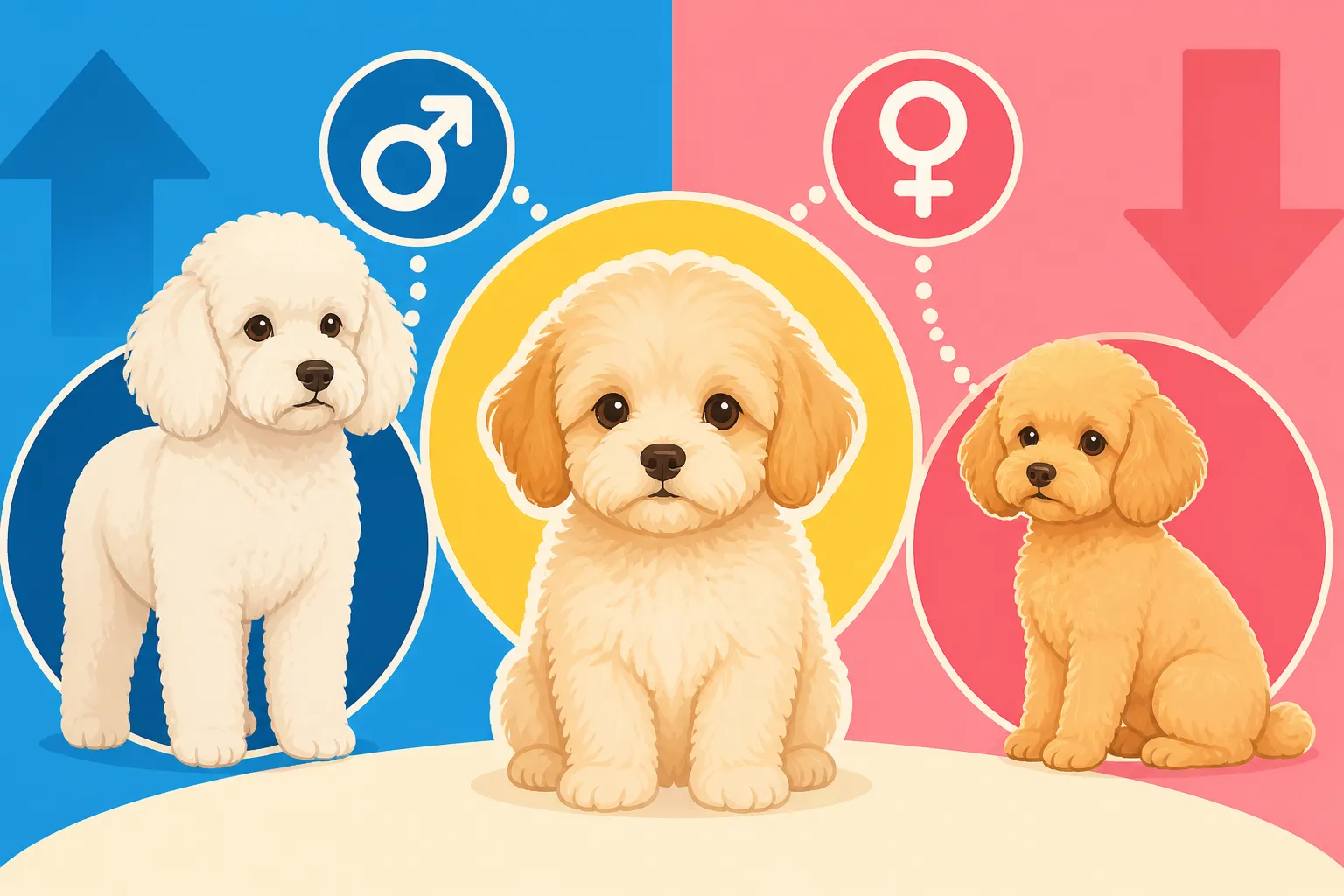
Think of canine genetics like a giant recipe. While the sire contributes half of the genetic ingredients and the dam (mother) contributes the other half, it’s not just about what's immediately visible in them. Both parents carry a rich genetic history from their own ancestors – their parents, grandparents, and even further back. These "hidden" genes, often recessive, can suddenly express themselves in offspring, leading to unexpected traits like size.
For a Maltipoo, you have two distinct breeds, the Maltese and the Poodle, each with their own genetic blueprint for size, bone structure, and overall conformation. A Maltese, while generally small, can still have genes for slightly larger bone density or stature within its lineage. The Poodle side adds another layer of complexity, as Poodles come in various sizes (Toy, Miniature, Standard). Even a Toy Poodle sire might carry genes for a Miniature size if it was present in his background. So, while a tiny sire might contribute some "small" genes, if the dam carries genes for a larger frame – or if those larger genes pop up from either side's ancestry – your puppy could still grow bigger than anticipated. This is why reliable breeders will share information on several generations of the parent dogs, not just the immediate parents. Whether Parent Weights Predict a Maltipoo's Size is a fascinating read that delves further into this.
The Teacup Myth and Unpredictable Growth
The term "Teacup" Maltipoo is incredibly popular, but it's largely a marketing term, not a recognized size classification by any major kennel club. It often refers to Maltipoos that are exceptionally small, typically under five pounds. The allure of a dog so tiny is undeniable, but the reality behind these super small puppies can be concerning. Many "teacup" dogs are either the runts of a litter, or they come from breeding practices that prioritize extreme smallness above all else. This pursuit of tiny sizes can inadvertently lead to significant health vulnerabilities.
A puppy marketed as "teacup" might look incredibly small at eight weeks, leading prospective owners to believe it will stay that way. However, puppies have growth spurts and their growth plates typically don't close until 6-12 months, sometimes even later for larger Maltipoos. It's not uncommon for a "teacup" labeled puppy to outgrow that designation, ending up as a healthy 7-8 pound adult. This can be disappointing if you were sold on the idea of a perpetually tiny companion, but it's often a sign of healthy development. The real issue arises when efforts to keep a dog unnaturally small compromise its well-being. What Breeding Smaller Costs a Maltipoo really highlights the potential health consequences. You might wonder Whether a Maltipoo Outgrows the Teacup Label, and the answer is often, yes!
Understanding the Poodle's Influence on Size
When we talk about a Maltipoo, we're talking about a crossbreed between a Maltese and a Poodle. The Poodle side of that equation brings a huge range of possibilities when it comes to size, which directly impacts the Maltipoo's eventual stature.
Toy, Miniature, or Even Standard Poodle Sires
The Poodle breed itself comes in three official sizes: Standard, Miniature, and Toy. While most Maltipoos are bred with Toy or Miniature Poodles to achieve a small companion dog, it's crucial to understand the specific size of the Poodle sire. A Toy Poodle is typically under 10 pounds, while a Miniature Poodle can range from 10 to 15 pounds. Even if a breeder says the sire is a "Poodle," asking for the specific variety (Toy or Miniature) is vital.
Furthermore, even within a Toy Poodle line, there can be genetic predispositions for slightly larger sizes if Miniature Poodles are present further back in the pedigree. These genes don't just disappear; they can resurface. So, a tiny Toy Poodle sire might still contribute genes that, when combined with the dam's genetics, result in a Maltipoo that grows to the larger end of the Toy or even small end of the Miniature Maltipoo spectrum. Responsible breeders aiming for a specific size will meticulously track the lineage of both parents, ensuring the Poodle parent's size and genetic history align with the desired outcome for the Maltipoo puppies. However, it's always an educated guess, never a 100% guarantee. Whether a Toy Poodle Sire Keeps a Maltipoo Small explores this in more detail.
When the Maltese Contributes Surprises
While Maltese dogs are consistently small, usually weighing between 4 and 7 pounds, there's still a natural range within the breed. Some Maltese might be bred from lines that are naturally on the slightly larger side of that standard, even if they themselves are small. When such a Maltese is bred with a Poodle, the genetic combination can lead to unexpected results in the Maltipoo puppies.
For instance, if you have a very small Toy Poodle sire and a Maltese dam who comes from a line of 7-pound Maltese dogs, her genetic contribution for size can easily override the sire's small stature. The puppies might inherit genes that push them towards the higher end of the Maltipoo weight range. It's a reminder that both sides of the family tree are actively contributing to the puppy's eventual size and conformation. Understanding The Maltese and the Poodle Behind Every Maltipoo is key to appreciating this genetic dance. The Maltese breed's specific genetics ensure a generally compact dog, but that doesn't mean zero variability when mixed with another breed.
Beyond Genetics: Other Factors Affecting a Maltipoo's Final Size
While genetics lays the fundamental groundwork for a Maltipoo's potential size, there are other environmental and care factors that play a role in whether they reach that full potential. It's not just about what genes they inherit, but also how they're nurtured from puppyhood.
Nutrition and Health During Growth
A Maltipoo puppy needs proper nutrition to grow into a healthy adult. Genetics determine the maximum size your puppy could reach, but adequate nutrition ensures they actually get there. A diet lacking in essential nutrients, or one that's inconsistent, can potentially stunt a puppy's growth, leading to them being smaller than their genetic blueprint intended. However, it's important to clarify that overfeeding a puppy won't make them genetically bigger; it will only make them overweight, which is detrimental to their health and joints.
Conversely, a puppy suffering from significant health issues during its crucial growth period might also not reach its full size potential. Conditions that impact nutrient absorption or place extreme stress on the body can interfere with normal development. This is why regular vet check-ups are so important, especially in the first year of life. Choosing a high-quality puppy food specifically formulated for small breeds, and feeding appropriate portions, is paramount. You can find a vast selection of excellent small breed puppy foods on Chewy, which can be easily filtered by ingredient preferences and brand. Always follow feeding guidelines based on weight and age, adjusting as your puppy grows, to support healthy development without overdoing it.
Breeder Practices and Transparency
The integrity and transparency of the breeder you choose can significantly impact your understanding of a Maltipoo's likely adult size. A reputable breeder will not only allow you to see both parent dogs but will also be upfront about their sizes, health clearances, and pedigree history. They understand that transparency builds trust and helps manage expectations. They should be able to tell you the specific weight and even the Poodle variety of the sire (e.g., Toy Poodle weighing 6 lbs, not just "small Poodle").
A good breeder will also have a history with their lines and can often give you an educated estimate of a puppy's adult weight based on past litters and the parents' and grandparents' sizes. However, they will typically emphasize that these are estimates and that nature can sometimes surprise us. Be wary of any breeder who "guarantees" a specific adult weight, especially an extremely small one, as this is virtually impossible and often a red flag that they are more interested in making a sale than in the welfare of the puppies. Always ask for The Four Certificates a Maltipoo Breeder Should Show and don't hesitate to ask to see bile acid results. These documents offer crucial insights into the health and careful breeding practices that also contribute to predictable, healthy growth.
What to Expect and How to Prepare
Coming to terms with the variability in Maltipoo sizing is part of the journey. Instead of fixating on an exact number, it's healthier and more practical to prepare for a range of possibilities and embrace whatever wonderful dog you get.
Realistic Expectations for Your Maltipoo's Size
Given the genetic mix of a Maltese and a Poodle, Maltipoos generally fall into three broad, unofficial size categories: Teacup (under 5 lbs), Toy (5-10 lbs), and Miniature (10-20 lbs). However, these are not rigid classifications, and individual dogs can certainly fall outside these ranges. The key takeaway is that even with a very small sire, your Maltipoo puppy could end up anywhere within these possibilities due to the genetics inherited from both parents and their ancestors.
It’s truly a coin flip to some extent, especially in first-generation crosses, as the genetic contributions are less predictable than in purebred dogs with established size standards. Rather than hoping for a specific weight, prepare for a dog that could be on the higher end of the expected range for its parents. If both parents are Toy size, expect your puppy to be Toy size, but be prepared for a slightly larger Toy Maltipoo. This mindset helps alleviate disappointment and allows you to focus on loving the dog you have. Understanding The Three Maltipoo Sizes and Who Decides Them can help you set more realistic expectations.
| Maltipoo Size Category (Unofficial) | Typical Weight Range | Poodle Parent Influence (Common) | Expected Variability |
|---|---|---|---|
| Teacup | Under 5 lbs | Smallest Toy Poodle | High; often runts, can grow larger |
| Toy | 5 – 10 lbs | Toy Poodle | Moderate; common range for Maltipoos |
| Miniature | 10 – 20 lbs | Miniature Poodle | Low; larger Maltipoos tend to be more consistent |
Preparing for a Variable-Sized Pup
Since predicting the exact adult weight of your Maltipoo can be challenging, it’s smart to prepare for some flexibility. When buying initial supplies, consider items that can accommodate a range of sizes. For instance, adjustable harnesses and collars are a great idea, rather than investing in a perfectly sized one that might be outgrown quickly. You might want to hold off on very expensive, custom-fit items until your puppy is closer to its adult size, typically around 8-12 months.
Similarly, when it comes to toys and beds, having a variety on hand can be beneficial. A smaller bed might be cozy for a tiny pup, but a slightly larger one will be comfortable if they grow more than expected. Places like Chewy offer a fantastic selection of toys in all sizes, so you can easily pick up a few different options to see what your growing Maltipoo prefers and can safely play with. As your puppy matures, you'll learn exactly How Many Ounces a Four Pound Maltipoo Eats versus a seven or ten-pound Maltipoo. The amount of exercise they need will also change, so consider The Walk a Six Pound Maltipoo Actually Needs as a baseline, and be prepared to adjust as your dog fills out and gains more energy. Ultimately, your Maltipoo's final size is just one characteristic of the unique companion they will become, and it's their personality and health that truly matter.
Disclaimer
This article is for general informational purposes only and does not constitute professional advice. Laws, prices and regulations vary by location and change over time. Consult a qualified professional for guidance on your specific situation.