Whether a Maltipoo’s Bones Are Thinner Than Normal
It’s a natural concern for anyone bringing home a tiny, fluffy Maltipoo: are their delicate little bones actually thinner than other dogs, making them more prone to breaks and injuries? This worry stems from their small stature and can lead to owners feeling constantly on edge. This comprehensive guide will delve into the realities of Maltipoo bone health, separating fact from common misconception, and equip you with the knowledge to safeguard your furry companion.
Understanding the Maltipoo's Skeletal Structure
When you look at a tiny Maltipoo, it’s easy to assume everything about them is simply scaled down, including their bones. While they are indeed smaller, the idea of their bones being "thinner than normal" can be a bit misleading. It's more about relative size and breed-specific predispositions rather than a fundamental flaw in bone density or thickness compared to what's appropriate for their frame.
The Genetic Blend and Bone Development
The Maltipoo, a delightful cross between a Maltese and a Poodle, inherits traits from both parent breeds. Both Maltese and Poodles are toy breeds, meaning they are naturally small dogs. Their skeletal structure is designed for their diminutive size. This isn't a flaw; it's simply how toy breeds are built. Think of it like a delicate piece of jewelry versus a robust piece of machinery – both are perfectly engineered for their intended purpose, but one is inherently more fragile by design due to its size and use case.
Their bones develop similarly to those of larger breeds, going through ossification and growth plate closure. The key difference lies in the final dimensions. A Maltipoo's bones will be significantly smaller in diameter and length compared to, say, a Labrador's, but within their own breed standard, they are typically proportionate and structurally sound. The problem often arises when unscrupulous breeders prioritize extreme tininess, sometimes marketing puppies as "teacup" sizes, which can sometimes come at the cost of overall health and structural integrity. This can lead to issues with bones and joints being underdeveloped or improperly formed, raising the question of what breeding smaller costs a Maltipoo.
Bone Density Versus Bone Size
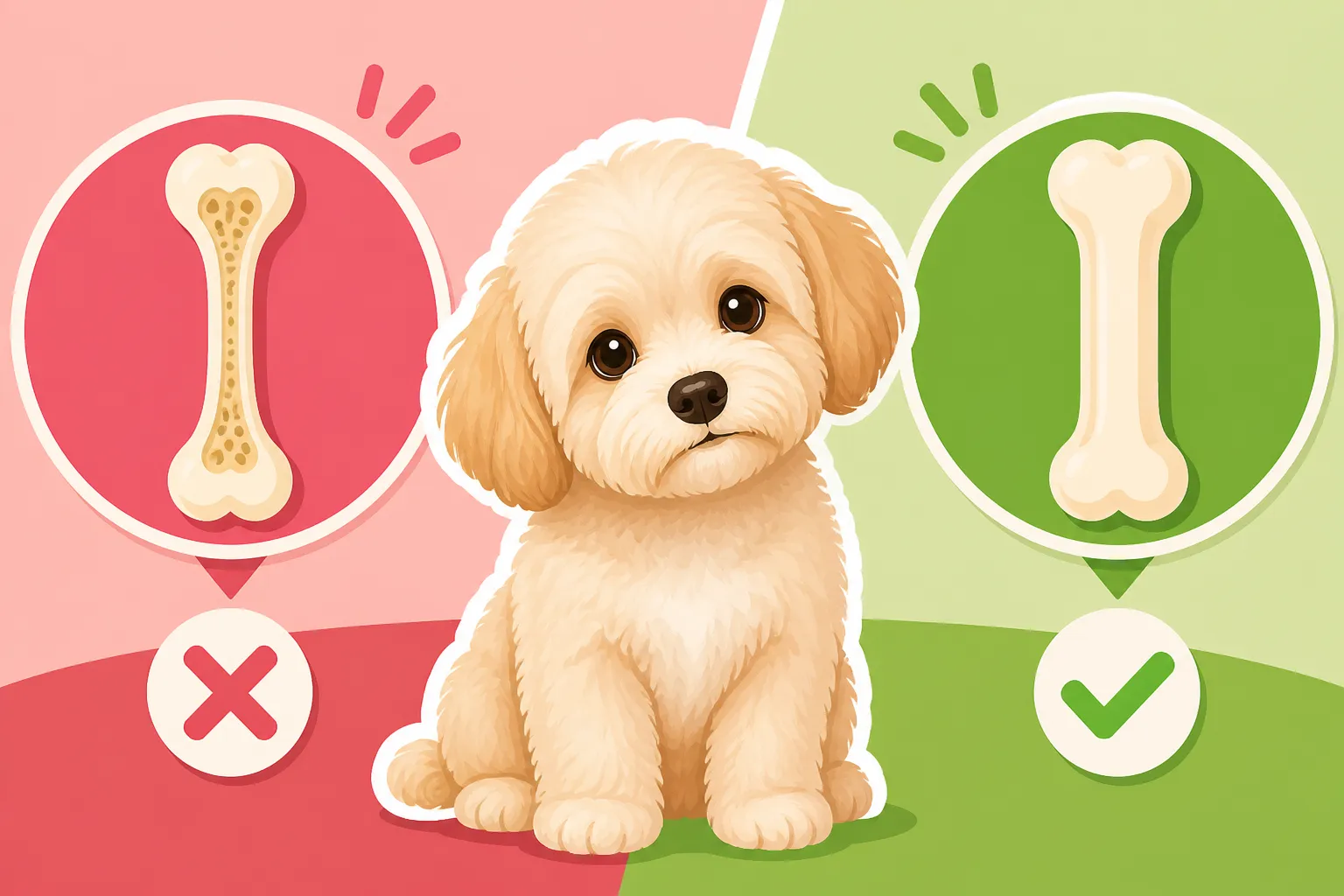
It's crucial to distinguish between bone density and bone size. When people worry about "thinner" bones, they often unknowingly conflate these two concepts. A Maltipoo's bones are indeed smaller in overall size – shorter, narrower, and lighter – simply because the dog itself is small. This is normal and expected for a toy breed.
However, "thinner" can also imply a lack of density or strength, as if the bone material itself is inferior. For a healthy Maltipoo from responsible breeding lines, this isn't necessarily true. Their bones, pound for pound, should have appropriate density for their size. Malnutrition or certain health conditions can, of course, affect bone density, but it's not an inherent trait of the breed itself. If a Maltipoo is suffering from nutritional deficiencies, their bones, like any dog's, could become weaker and more brittle. This is why proper nutrition, often discussed in guides like "Feeding a Six Pound Maltipoo by the Ounce, Not the Scoop," is absolutely vital from puppyhood through their senior years to ensure strong bone development.
Common Misconceptions About Small Dog Bones
The perception that a Maltipoo's bones are abnormally thin often stems from a lack of understanding about toy breed physiology and the impact of marketing terms on public perception. It’s easy to project human ideas of fragility onto these tiny creatures.
The "Teacup" Myth and Bone Health
The term "teacup Maltipoo" is a prime example of how marketing can contribute to misconceptions and even health problems. There is no official or medical classification for a "teacup" size in Maltipoos, or any dog breed for that matter. It's a marketing term used by breeders to describe puppies that are exceptionally small, often at the lower end of or even below the typical toy breed weight range (which is generally 5-10 pounds for an adult Maltipoo). While many small Maltipoos are perfectly healthy, some "teacup" puppies might be runts or suffer from genetic issues that inhibit normal growth and development.
When a dog is bred to be exceptionally small, sometimes the entire skeletal structure can be compromised. This doesn't necessarily mean their bones are "thinner" in density, but they might be disproportionately small, leading to structural weaknesses. This can increase the risk of fractures from even minor falls or impacts. The concern about whether a Maltipoo under four pounds survives anesthesia also touches upon the general fragility and systemic challenges that come with extreme smallness, which certainly includes skeletal robustness. A truly healthy Maltipoo, even a smaller one, should have a robust skeleton for its size. If you're wondering whether a Teacup Maltipoo is healthy, it's crucial to look beyond the cute label and consider the potential implications for their physical structure.
Comparing Maltipoo Bones to Larger Breeds
It's tempting to compare a Maltipoo's bone structure to that of a Golden Retriever or a German Shepherd, but this is an apples-to-oranges comparison. Larger dogs have thicker, denser bones because they need to support significantly more body weight and withstand greater forces during movement. Their entire physiology is built on a different scale.
A Maltipoo, weighing perhaps 5-10 pounds, doesn't require bones capable of supporting 60-80 pounds of muscle and impact. Their bones are perfectly adequate for their size, provided they are healthy and well-developed. The real vulnerability for Maltipoos isn't necessarily "thinner" bones in a pathological sense, but rather the sheer delicacy that comes with being so small. A fall from a sofa that might barely faze a larger dog could easily cause a fracture in a Maltipoo, not because their bones are intrinsically weak, but because the impact force relative to their small bone structure is much higher. This is a common concern addressed in topics like whether a Maltipoo breaks a leg jumping off a sofa. It highlights the importance of creating a safe home environment for your tiny companion.
Specific Orthopedic Concerns in Maltipoos
Despite generally healthy bone density for their size, Maltipoos are still predisposed to certain orthopedic conditions, largely due to their small breed genetics. These conditions often affect the joints and surrounding bone structures, making a proactive approach to their health essential.
Patellar Luxation
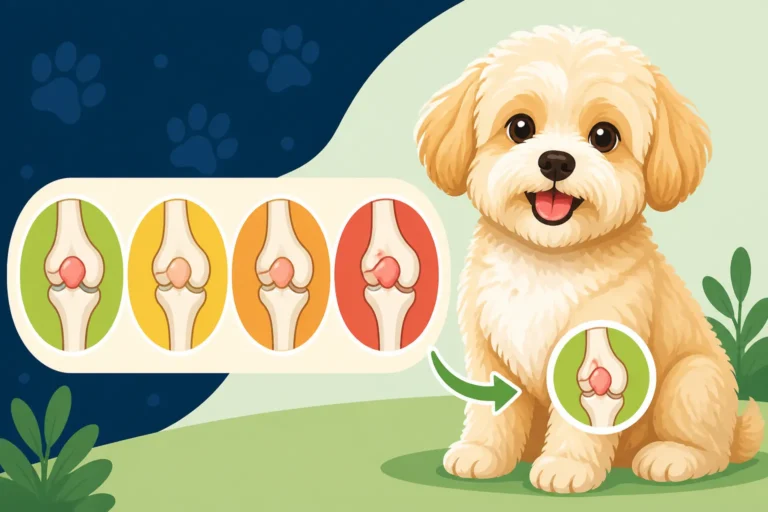
One of the most common orthopedic issues in Maltipoos, inherited from both Maltese and Poodle lines, is patellar luxation, often known as "slipping kneecaps." This condition occurs when the patella (kneecap) dislocates or slips out of its normal groove in the femur (thigh bone). While it doesn't mean their bones are "thinner," it does relate to the specific formation of the stifle (knee) joint and the bones that comprise it.
The groove in which the kneecap sits can be too shallow, or the ligaments and muscles supporting it can be too loose, allowing the kneecap to pop out. This can range from mild (Grade I, where it slips occasionally) to severe (Grade IV, where it's permanently dislocated). You might notice a characteristic "skip" in your Maltipoo's walk or even a sudden lameness when the kneecap temporarily dislocates. Many owners become acutely aware of this when observing the skip in a Maltipoo's walk that means a patella is at play. The condition can be painful and, if left untreated, can lead to arthritis and further lameness. While surgery can often correct severe cases, preventative measures and early diagnosis are crucial. Learning about the four patella grades and where a Maltipoo lands can give you a better understanding of the severity and prognosis.
Legg-Calvé-Perthes Disease
Another orthopedic concern, though less common than patellar luxation, is Legg-Calvé-Perthes disease (LCPD). This condition primarily affects the hip joint in small dog breeds, including Maltipoos. It involves the spontaneous degeneration of the head of the femur (the ball part of the hip joint). Essentially, the blood supply to the femoral head is interrupted, causing the bone tissue to die and collapse, leading to painful arthritis and lameness.
While the exact cause isn't always clear, a genetic predisposition is suspected. It typically manifests in puppies between 5 and 8 months of age, with symptoms like limping, pain, and muscle atrophy in the affected leg. LCPD is a serious condition that can severely impact a Maltipoo's mobility and quality of life if not treated. Surgical intervention, where the damaged femoral head is removed (femoral head ostectomy or FHO), is often required to alleviate pain and restore function. If you notice your Maltipoo limping, especially when they are young, it's vital to investigate thoroughly, as discussed in detail in resources concerning Legg Calve Perthes in a Maltipoo. Your vet may recommend X-rays to diagnose the condition accurately.
Fragile Bones and Injury Risk
Given their smaller overall size, Maltipoos do face a higher risk of injury from everyday activities that larger dogs navigate with ease. Their bones might not be "thinner" in an unhealthy sense, but they are smaller and therefore cannot withstand the same forces. A jump from a tall sofa, a misstep down a flight of stairs, or rough play with a larger dog or child can result in broken bones. Common fracture sites include the legs, particularly the forelegs, and sometimes the jaw.
This isn't to say Maltipoos are constantly breaking bones, but owners need to be hyper-aware of their environment and interactions. Imagine a child’s delicate china doll versus a sturdy plastic toy – both are toys, but one requires significantly more care. The same applies to managing the environment for a small dog. This heightened fragility is often why responsible owners invest in pet insurance from providers like Healthy Paws, knowing that unexpected injuries or genetic predispositions can lead to costly veterinary bills. Thinking about whether a Maltipoo should use steps to the sofa or be carried down stairs are practical considerations for avoiding these common accidents.
Nutritional Support for Strong Maltipoo Bones
Just like us, a Maltipoo's bone health is significantly influenced by what they eat. A well-balanced diet is the cornerstone of strong bones and overall vitality. While their bones aren't inherently "thinner," proper nutrition ensures they are as robust as they can be for their small stature.
The Importance of a Balanced Diet
For optimal bone development and maintenance, a Maltipoo needs a diet rich in essential nutrients. The most prominent players are calcium, phosphorus, and Vitamin D. Calcium and phosphorus are the primary mineral components of bone, providing its structure and hardness. Vitamin D is crucial because it helps the body absorb and utilize calcium effectively. Without adequate Vitamin D, even a calcium-rich diet won't fully benefit bone health.
High-quality commercial dog foods formulated for small breeds or all life stages should provide the correct balance of these nutrients. It’s important to avoid generic or low-quality foods, as they may lack the precise nutrient ratios vital for small dogs. For puppies, a diet specifically designed for small breed puppies is essential, as their growth rates and nutritional needs differ from adult dogs. Over-supplementation can be just as harmful as deficiency, so sticking to a reputable, balanced food is usually the best approach. Too much calcium, for instance, can lead to its own set of orthopedic problems, particularly in growing puppies. Always check for an AAFCO statement on pet food labels, which indicates the food is nutritionally complete and balanced.
Supplements and Their Role
The question of whether to supplement your Maltipoo's diet for bone health is a common one. For a healthy Maltipoo eating a complete and balanced commercial diet, additional supplements are generally not necessary and could even be detrimental. As mentioned, too much of a good thing, like excess calcium, can interfere with nutrient absorption or lead to skeletal abnormalities.
However, there are specific situations where a veterinarian might recommend supplements. For older Maltipoos experiencing arthritis or joint stiffness, supplements containing glucosamine and chondroitin can help support joint cartilage, which indirectly aids bone health by cushioning joints. Dogs recovering from orthopedic surgery, such as for a slipping kneecap, might also benefit from targeted nutritional support. Some vets might recommend Omega-3 fatty acids for their anti-inflammatory properties, which can ease joint discomfort. When considering any supplement, it is absolutely paramount to consult your veterinarian first. They can assess your Maltipoo's individual needs, potential deficiencies, and interactions with any existing medications, and recommend appropriate, vet-approved products. For owners whose Maltipoos might be prone to joint issues, a good pet insurance plan from a company like Healthy Paws can often help cover the costs of vet consultations and prescribed supplements.
Protecting Your Maltipoo's Skeletal Health
Knowing that Maltipoos are predisposed to certain orthopedic issues and have delicate frames due to their small size, proactive measures are key to protecting their skeletal health throughout their life. It's about creating a safe environment and ensuring consistent care.
Safe Handling and Environment
Preventing accidents is perhaps the most critical aspect of protecting your Maltipoo's bones. Given their small size, simple everyday occurrences can turn into serious injuries. Here are some practical steps:
- Mindful Handling: Always support your Maltipoo’s body when picking them up, ensuring their back and legs are not dangling. Teach children how to properly hold and interact with a small dog to prevent accidental drops or rough play. Never allow a child to pick up a Maltipoo without direct supervision.
- Elevated Surfaces: Falls from sofas, beds, or chairs are a leading cause of fractures and joint injuries in small dogs. Consider using dog ramps or steps to allow your Maltipoo safe access to furniture. This simple addition can drastically reduce the risk of injury.
- Supervised Play: When playing with other dogs, especially larger ones, always supervise closely. A playful romp that’s harmless for a big dog could result in a serious injury for a tiny Maltipoo. Keep them in a separate, secure area if you have larger dogs known for exuberant play.
- Stair Safety: Stairs can be a hazard for small dogs, putting strain on their joints or leading to falls. Consider carrying your Maltipoo up and down stairs, especially when they are puppies or as they age.
- Secure Outdoor Spaces: Ensure your yard is secure and free of hazards. Always keep your Maltipoo on a leash during walks to prevent them from running into traffic or encountering aggressive dogs.
Creating a safe home environment, including limiting opportunities for jumping and providing appropriate assistance for high places, is a foundational step in preventing harm to your Maltipoo's delicate structure. This is especially true for preventing issues like a ruptured patella or other bone-related injuries.
Regular Vet Check-ups and Early Detection
Routine veterinary care is indispensable for maintaining your Maltipoo's skeletal health. Your veterinarian is your best partner in monitoring for potential issues and intervening early.
- Puppy Exams: Early vet visits for puppies are crucial for detecting congenital abnormalities, such as severe grades of patellar luxation or early signs of Legg-Calvé-Perthes. Responsible breeders should provide health clearances for parent dogs, but a vet's examination of the puppy is still vital, especially if you're concerned whether a Maltipoo puppy should leave the breeder at eight weeks without a thorough check.
- Annual Check-ups: During annual wellness exams, your vet will perform a thorough physical assessment, including palpating your Maltipoo's joints and checking their gait. They can often identify subtle signs of luxating patellas or other orthopedic issues before they become severe.
- Diagnostic Tools: If your vet suspects a problem, they may recommend diagnostic imaging like X-rays. These can confirm conditions like patellar luxation, Legg-Calvé-Perthes, or even rule out fractures if an injury is suspected.
- Weight Management: Your vet can also help you ensure your Maltipoo maintains a healthy weight. Excess weight puts undue stress on joints and bones, exacerbating conditions like patellar luxation and increasing the risk of arthritis.
- Insurance Consideration: Having pet insurance, perhaps with a provider like Healthy Paws, can provide peace of mind for covering the costs of diagnostics, specialist consultations, and potential treatments for orthopedic conditions. It's a smart investment in your Maltipoo's long-term health. Knowing whether a Maltipoo's kneecap needs operating or whether a Maltipoo recovers fully from knee surgery are important considerations that often come with significant costs.
Early detection of orthopedic issues can often lead to more effective and less invasive treatment options, improving your Maltipoo's prognosis and quality of life for their entire lifespan, which can be a respectable twelve to fifteen years a Maltipoo lives.
The Role of Exercise in Bone Strength
Appropriate exercise plays a vital, albeit often overlooked, role in developing and maintaining strong bones and healthy joints in Maltipoos. It's a delicate balance: too little exercise can lead to weak muscles and obesity, both detrimental to joint health, while too much or inappropriate exercise can cause injury.
- Controlled, Moderate Activity: Maltipoos don't need intense, high-impact exercise. Short, regular walks (15-20 minutes, two to three times a day) on soft surfaces like grass are ideal. These walks help build and maintain muscle mass, which supports the joints and provides stability to the skeletal structure.
- Avoid High-Impact Activities: Activities involving jumping from heights, excessive stair climbing, or very rough play should be avoided, especially in puppies whose growth plates are still open, and in senior dogs with existing joint issues.
- Mental Stimulation: Beyond physical exercise, mental stimulation through puzzle toys or training sessions can keep your Maltipoo engaged without putting undue stress on their body. This is also important for their overall well-being.
- Swimming (with caution): If your Maltipoo enjoys it and is safely supervised, swimming can be an excellent low-impact exercise that strengthens muscles without stressing joints. Always use a dog life vest for safety.
- Listen to Your Dog: Pay close attention to your Maltipoo's cues. If they are limping, stiff, or reluctant to move, stop the activity and consult your vet. Pushing them through pain can lead to more severe injuries.
A consistent routine of moderate, joint-friendly exercise, combined with a watchful eye, will contribute significantly to your Maltipoo's long-term skeletal health, ensuring they can enjoy their active lives to the fullest.
Here’s a table summarizing some key bone health considerations for Maltipoos compared to larger breeds:
| Feature/Condition | Maltipoo (Small Breed) | Large Breed Dog |
|---|---|---|
| Bone Size | Smaller in diameter and length | Larger, thicker, and denser |
| Bone Density | Proportionate for their size (if healthy) | Proportionate for their size (if healthy) |
| Primary Orthopedic Risk | Patellar Luxation, Legg-Calvé-Perthes, fractures from falls | Hip/Elbow Dysplasia, Osteochondrosis Dissecans (OCD) |
| Fracture Risk (from fall) | High (due to relative impact force) | Lower (bones designed for higher impact) |
| Weight Impact on Joints | Significant (even small excess weight is impactful) | Significant (excess weight leads to strain) |
| Exercise Needs | Short, moderate walks; low-impact activities | Longer walks, more vigorous exercise; higher impact tolerated |
| Handling Importance | Critical; constant support required when lifting | Important; less fragile but still requires care |
Disclaimer
This article is for general informational purposes only and does not constitute professional advice. Laws, prices and regulations vary by location and change over time. Consult a qualified professional for guidance on your specific situation.