Whether a Maltipoo Breaks a Leg Jumping Off a Sofa
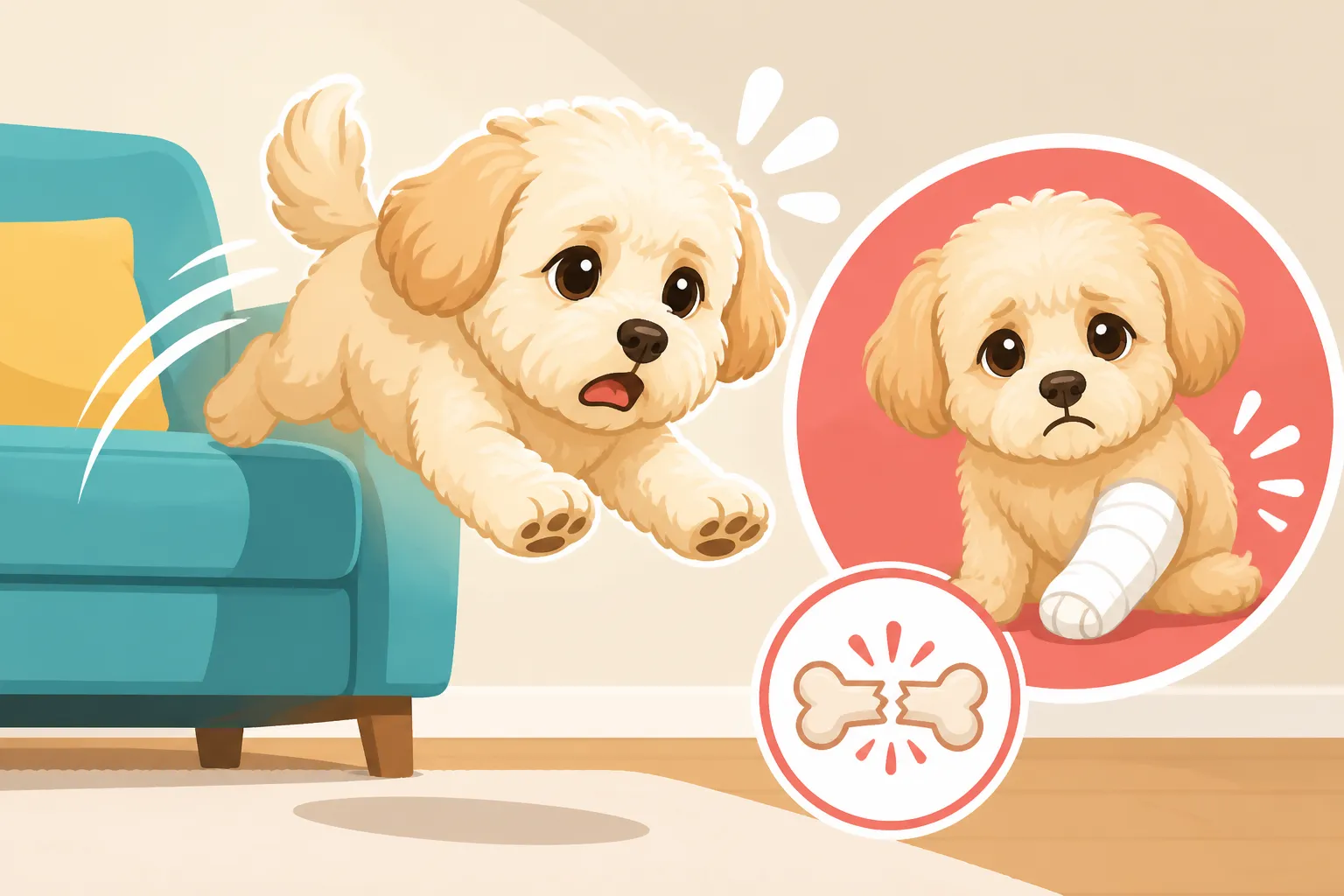
It’s a heart-stopping moment many Maltipoo owners dread: seeing their tiny companion leap off the sofa or bed with reckless abandon, followed by that sickening thump. The worry immediately floods in – did they land alright? Are their delicate little legs okay? The truth is, while our furry friends often act invincible, their small stature can sometimes put them at a higher risk for injury, and understanding these risks, especially concerning falls from furniture, is crucial for keeping your beloved Maltipoo safe and sound.
The Reality of Fragile Bones in Small Breeds
We adore Maltipoos for their compact size, their portability, and their seemingly boundless energy. However, this very smallness comes with its own unique set of challenges, particularly when it comes to their skeletal structure. It's not about being "weak," but rather about the physics of a small body meeting hard surfaces from a height.
Understanding Bone Density and Size
When you look at a larger dog, their bones are typically more robust, built to support a greater mass and withstand more impact. For a Maltipoo, while their bones are perfectly formed, their sheer slenderness and reduced density compared to a large breed mean they have less inherent resistance to sudden, significant forces. Think of it like a delicate porcelain teacup versus a sturdy ceramic mug – both are functional, but one is far more prone to breaking under stress. This isn't a fault in their breeding or a sign of illness; it's simply a characteristic of being a tiny creature. Owners often wonder, for instance, Whether a Maltipoo's Bones Are Thinner Than Normal, and in a sense, yes, proportionally they are. Their bones are designed for their size, but their size inherently makes them less resilient to high-impact trauma.
Moreover, the density of a dog's bones can sometimes be influenced by genetics and nutrition. A well-fed Maltipoo with a balanced diet will have stronger bones than one with deficiencies. However, even with optimal care, a bone is still a bone, and physics applies. A fall from a significant height, relative to their body size, can generate enough force to cause a fracture, especially in the long bones of the legs like the tibia or fibula. It's a very real concern for responsible owners.
Why Maltipoos Are More Susceptible
Maltipoos, inheriting traits from both the Maltese and Poodle, often have fine bones. Combine this with their enthusiastic, often fearless personalities, and you have a recipe for potential accidents. They don't always perceive danger in the same way we do, and a sofa that seems like a gentle climb down for us is a cliff face for them. A 5-pound Maltipoo jumping from a 2-foot high sofa experiences an impact akin to a human jumping from a multi-story building. Their small joints and delicate bone structure are simply not designed to absorb such repeated or sudden forces without consequence.
The eagerness to join you on the couch for cuddles, or the quick dash to greet someone at the door, often overrides any cautious instincts. They just want to be with you, or there, wherever 'there' is. This boundless enthusiasm, while endearing, often means they'll launch themselves without a second thought for the landing. This is particularly true for younger, more boisterous puppies, but even older Maltipoos can misjudge a jump, especially if their eyesight or coordination starts to decline. This susceptibility is a key reason why preventative measures are so important for these little dogs. We often unknowingly encourage these risky behaviors by allowing them free reign on furniture, not realizing the silent dangers.
Common Injuries Beyond Leg Breaks
While a broken leg is often the most dramatic and feared outcome, it's far from the only injury a Maltipoo can sustain from a fall. Falls and jumps from furniture can lead to a host of other orthopedic issues that, while perhaps less immediately obvious, can be just as debilitating and costly in the long run.
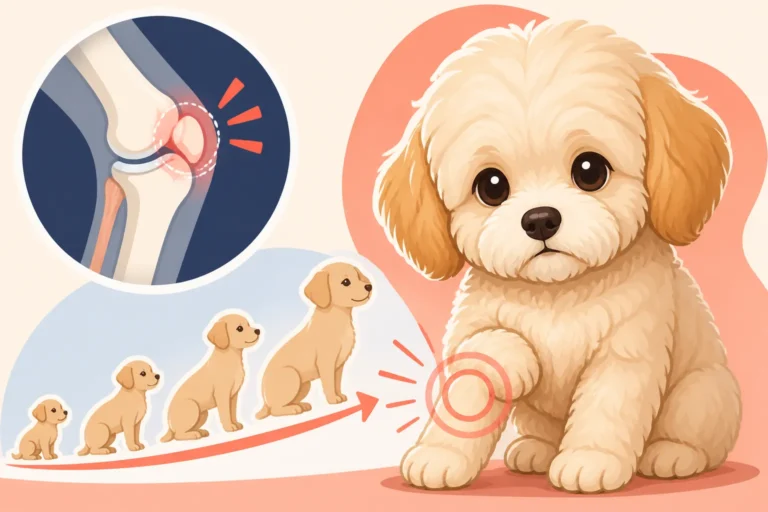
One of the most prevalent issues in small breeds like Maltipoos is luxating patella, or Slipping Kneecaps in a Maltipoo. This condition, where the kneecap temporarily slips out of its groove, can be congenital but can also be exacerbated or even directly triggered by trauma from landing awkwardly. A sudden twist or impact from a jump can cause the patella to dislocate, leading to pain and a characteristic skipping gait. If it becomes a chronic problem, surgery might be the only long-term solution.
Beyond patellar luxation, falls can also cause sprains, strains, and contusions. A sprain involves damage to ligaments, which connect bones, while a strain affects muscles or tendons. These can range from mild soreness to severe lameness, requiring weeks of rest and anti-inflammatory medication. Even soft tissue injuries, which aren't bone breaks, can be incredibly painful and limit your Maltipoo's mobility. Furthermore, spinal injuries, though less common, are also a serious risk. A bad landing could jolt the spine, potentially causing disc herniation or nerve damage, which could lead to paralysis in severe cases. It's a sobering thought, but one that underscores the need for vigilance.
The Perilous Leap: Why Couches and Beds Are Risky
It's easy to dismiss a Maltipoo's jump off the sofa as "just what dogs do." But for a small breed, these everyday actions are fundamentally different in terms of physics and potential impact than they are for a larger dog. The height of your furniture, which might seem negligible to you, represents a significant drop for a tiny creature, and the forces involved are magnified.
The Mechanics of a Jump and Landing
When a Maltipoo jumps from a height, they're essentially falling until they hit the ground. The force of this impact is directly related to their weight and the height from which they fall. Even a seemingly soft landing can put immense strain on their delicate joints, tendons, and bones. Imagine jumping from a 6-foot wall onto concrete yourself – that's the equivalent feeling for a 5-pound Maltipoo hitting the floor from a 2-foot sofa. The smaller the dog, the less mass it has to absorb impact, and its slender bones are not designed for the compression and torque that such a landing can create.
The way they land also plays a huge role. Do they land squarely on all four paws, distributing the force evenly? Or do they twist in mid-air, landing awkwardly on one leg or splaying out? An uneven or off-kilter landing significantly increases the risk of injury, as the force is concentrated on a smaller area, making fractures, sprains, or dislocations far more likely. A slippery floor surface, like hardwood or tile, can also exacerbate the problem, causing their paws to slide out from under them upon landing, leading to further twisting injuries. It's a complex interplay of height, weight, landing mechanics, and surface.
The Impact of Repeated Stress
Even if your Maltipoo seems to jump off the sofa hundreds of times without incident, this doesn't mean there's no harm being done. Just like repetitive strain injury in humans, repeated small impacts and stresses can take a toll on a dog's body over time. Each jump, each landing, sends micro-traumas through their joints and bones.
Over months and years, this cumulative stress can contribute to the early onset or worsening of degenerative joint diseases like arthritis. The cartilage cushioning their joints can wear down faster, and the ligaments can weaken, leading to chronic pain and reduced mobility in their later years. It’s a silent, progressive issue that often goes unnoticed until significant damage has occurred. It's also why many breeders and veterinarians advocate for preventive measures from puppyhood. They might not break a leg today, but those constant jarring motions could mean a future filled with discomfort and expensive treatments for issues like The Four Patella Grades and Where a Maltipoo Lands. Prevention isn't just about avoiding acute injury; it's about safeguarding their long-term orthopedic health.
Factors Increasing Risk During Jumps
Several factors can increase the likelihood of a Maltipoo injuring itself while jumping. Their age, for one, is a huge consideration. Puppies are often fearless but lack coordination and their bones are still developing, making them incredibly vulnerable. An older Maltipoo might have diminished eyesight, slower reflexes, or existing arthritis, which can impair their ability to judge a jump or land safely.
Their physical condition also matters. An overweight Maltipoo will put even more strain on their joints and bones with each jump due to the extra mass. A dog that is generally less active might have weaker muscles supporting their joints, making them more susceptible to injury. The type of flooring also plays a critical role. A jump onto a thick carpet offers more cushioning than a jump onto a hard tile floor. Even the state of their nails can be a factor; overgrown nails can prevent proper paw grip and stability on landing. Recognizing these contributing factors allows you to be more proactive in reducing risk. It's not just about the jump itself, but the whole environment and the dog's personal circumstances.
Recognizing the Signs of Injury and Taking Action
Even with the best preventative measures, accidents can happen. Knowing what to look for and how to react in the event of a suspected injury is paramount for your Maltipoo's well-being and recovery. Don't panic, but do act swiftly and calmly.
Immediate Symptoms of a Leg Break
If your Maltipoo has taken a bad fall or landed awkwardly, a leg break is a serious concern. The signs can vary depending on the severity and location of the fracture, but some common indicators include:
- Sudden Lameness or Inability to Bear Weight: This is often the most obvious sign. If your Maltipoo immediately stops putting weight on a leg, holds it up, or cries out when trying to use it, it’s a red flag. They might hobble on three legs or refuse to move at all.
- Swelling and Bruising: Within minutes to hours, you might notice visible swelling around the injured area. Bruising may also appear, though it might be harder to spot under their fur. Gently feeling the area for abnormal bumps or heat can also be indicative, but be extremely careful not to cause further pain or damage.
- Abnormal Angulation or Deformity: In more severe breaks, the leg might appear to be at an unnatural angle or twisted. This is a clear sign of a significant fracture and requires immediate veterinary attention.
- Pain and Vocalization: Your Maltipoo might whimper, cry, yelp, or even snap if you try to touch the injured limb. They may also lick or chew excessively at the area. Some dogs, especially those in shock, might try to hide their pain, but changes in behavior are usually noticeable.
- Grinding or Clicking Sounds: If you gently move the limb (though it's best to avoid this if possible), you might hear or feel a grinding sensation, which could indicate bone fragments rubbing together.
It’s important to remember that not all leg breaks are "open" fractures where bone protrudes. Many are closed fractures, and the outward signs might be subtler. If you have any suspicion of a leg injury after a fall, it's always best to seek professional veterinary advice. Prompt intervention can significantly impact the outcome and recovery time.
What to Do in an Emergency
Discovering your Maltipoo with a suspected broken leg is terrifying, but staying calm is the best thing you can do for your dog. Here’s a step-by-step guide:
- Assess the Situation (Safely): First, try to determine if your dog is in immediate distress or shock. Approach them slowly and speak in a soothing voice. They might be in pain and could nip if you startle them or try to touch the injured area immediately.
- Immobilize and Comfort: The goal is to prevent further movement of the injured limb. If you have a small carrier, gently coax your Maltipoo into it. If not, a sturdy box lined with a soft blanket can work. Try to keep them as still as possible. You can place a rolled towel or blanket gently around the injured leg to provide some support, but avoid trying to fashion a splint yourself unless you are trained to do so; improper splinting can cause more harm.
- Transport to the Vet: Contact your veterinarian or the nearest emergency veterinary clinic immediately. Explain what happened and describe your Maltipoo's symptoms so they can prepare for your arrival. During transport, keep your dog in the carrier or box to minimize movement. If you have a passenger, they can hold the carrier securely to prevent jostling.
- Avoid Self-Medication: Never give your Maltipoo human pain medication or any other drugs without veterinary instruction. Many human medications are toxic to dogs, and even dog-specific medications should only be given under professional guidance.
Remember, time is often of the essence with injuries. Getting your Maltipoo to a vet quickly will ensure they receive appropriate pain management and treatment, improving their chances of a full recovery.
The Importance of Veterinary Care
Once your Maltipoo is at the veterinary clinic, they will undergo a thorough examination. The veterinarian will likely take X-rays to confirm the presence of a fracture, determine its type and severity, and plan the best course of action. Treatment for a broken leg can range from external splinting or casting for simpler fractures to surgical intervention for more complex breaks. Surgical repair might involve pins, plates, or screws to stabilize the bone fragments.
Recovery can be a long process, often involving weeks of restricted activity, pain management, and potentially physical therapy. Your vet will provide detailed instructions on wound care (if applicable), medication schedules, and how to manage your Maltipoo's activity levels during healing. This might mean strict crate rest, leash walks only, or using a sling to support the injured leg. Regular follow-up appointments and X-rays will be necessary to monitor healing progress. It's a significant commitment, both emotionally and financially. This is where having pet insurance, such as from a provider like Healthy Paws, can be an absolute lifesaver, helping to cover the often substantial costs associated with diagnostics, surgery, and rehabilitation. They can also advise on things like Whether a Maltipoo Under Four Pounds Survives Anesthesia if surgery is needed, which is a major concern for tiny dogs.
Proactive Measures to Safeguard Your Maltipoo
The best treatment for an injury is always prevention. As responsible Maltipoo owners, we have the power to create an environment that minimizes risks and protects our tiny companions from accidental harm. It’s about being mindful of their size and their natural inclinations.
Implementing Ramps and Steps
This is perhaps the most effective and straightforward preventative measure you can take. Rather than letting your Maltipoo jump on and off furniture, provide them with safe alternatives. Pet ramps and steps are readily available online and in pet stores, designed specifically for small dogs to navigate furniture safely.
- Placement is Key: Place ramps or steps at every piece of furniture your Maltipoo frequently uses – sofas, armchairs, and especially beds. Make it easy and inviting for them to use these aids.
- Training and Encouragement: Your Maltipoo might not instinctively use ramps or steps. You’ll need to patiently teach them. Use treats, praise, and gentle guidance to show them how to go up and down. Start with one piece of furniture and gradually introduce others. Make it a positive experience. They might resist at first, but consistency is crucial. Many owners struggle, but reinforcing Whether a Maltipoo Should Use Steps to the Sofa from puppyhood can prevent years of dangerous jumps.
- Material and Stability: Choose ramps and steps that are sturdy, have non-slip surfaces, and are appropriate for your Maltipoo's weight. Avoid flimsy options that could wobble or tip, which could be just as dangerous as a jump. Some ramps even fold for easy storage or transport.
By making these simple additions, you're not only protecting their delicate joints from acute injury but also reducing the long-term wear and tear that can lead to chronic conditions.
Safe Play and Exercise Practices
Playtime is essential for a Maltipoo's physical and mental well-being, but it needs to be managed carefully to avoid injury. Their exuberance can sometimes lead them into risky situations.
- Supervised Play: Always supervise your Maltipoo during playtime, especially if they're playing with other dogs (even other small ones) or children. Roughhousing can easily lead to accidental tumbles or impacts.
- Appropriate Toys: Choose toys that are appropriate for their size. Avoid toys that are too heavy or too large, which could strain their neck or jaw during play.
- Avoid High Jumps: Discourage games that involve excessive jumping, especially onto or off hard surfaces. While a little leap for a toy might seem harmless, repeated high jumps can still stress their joints. If you play fetch, keep the throws low and close to the ground.
- Gentle Handling: Teach children how to safely interact with a small dog, always supporting their body properly when picking them up or holding them. Remind them that a Maltipoo is not a toy and can be easily hurt.
- Leash Walks and Safe Outdoor Spaces: When outdoors, always keep your Maltipoo on a leash, especially near roads or other hazards. If they're in a yard, ensure it's securely fenced to prevent them from getting out or encountering larger animals that could inadvertently injure them. While running and exploring is great, avoid situations where they might jump off retaining walls or other elevated landscaping.
Creating a Low-Impact Home Environment
Beyond ramps and supervised play, a few other considerations can make your home a safer haven for your Maltipoo.
- Floor Surfaces: If you have hard floors like tile or hardwood, consider placing non-slip rugs or runners in high-traffic areas, especially where your Maltipoo might jump or play. This provides better traction and a softer landing surface, reducing the risk of slips and skids that can lead to sprains or breaks.
- Furniture Arrangement: Think about the layout of your furniture. Are there gaps between furniture pieces where your Maltipoo could accidentally fall through? Can they easily access precarious spots? Sometimes simply rearranging a piece can eliminate a fall hazard.
- Secure Puppy-Proofing: For puppies, diligent puppy-proofing is essential. This includes securing heavy objects that could fall, blocking access to stairs if they're not yet trained, and ensuring there are no sharp edges at their eye level. Remember Whether a Maltipoo Can Be Injured by a Fall not just from furniture, but from any height or impact.
- Doorway Awareness: Be hyper-aware of your Maltipoo's presence when opening and closing doors, especially exterior doors. Their small size makes them easy to miss, and accidental slams can cause serious injury. Consider adding pet gates to restrict access to certain rooms or staircases when you can't actively supervise. This is not about restricting their joy, but about safeguarding their health.
Beyond Prevention: The Role of Nutrition and Health
While environmental modifications and careful handling are crucial, a strong, healthy body from the inside out also plays a significant role in a Maltipoo's resilience to injury and its ability to heal. Nutrition and regular veterinary care are foundational.
Nutritional Support for Bone Health
A balanced diet is absolutely essential for strong bones and healthy joints. Your Maltipoo's food should be high-quality and specifically formulated for small breed dogs, as these diets often contain appropriate levels of calcium, phosphorus, and other minerals vital for bone density.
- Calcium and Phosphorus: These two minerals work in conjunction to build and maintain strong bones. However, the balance is crucial; too much or too little of either can be detrimental. High-quality commercial dog foods are typically formulated with the correct ratio.
- Vitamin D: This vitamin is vital for calcium absorption. Dogs synthesize some Vitamin D from sunlight, but their primary source is through their diet.
- Omega-3 Fatty Acids: While not directly bone-building, Omega-3s (like EPA and DHA found in fish oil) have anti-inflammatory properties that can support joint health and reduce discomfort, especially important for managing any existing joint issues or aiding recovery from injury.
- Glucosamine and Chondroitin: These are natural compounds found in healthy cartilage. While more often associated with joint support for dogs with arthritis, some veterinarians might recommend them as a preventative measure, especially in breeds prone to orthopedic issues like luxating patella. Brands like Cosequin or Dasuquin are commonly recommended, but always consult your vet before adding supplements.
Remember that portion control is equally important. An overweight Maltipoo puts undue stress on its joints, making them more susceptible to injury and worsening existing conditions. Feed by weight, not by volume, as outlined in articles like Feeding a Six Pound Maltipoo by the Ounce, Not the Scoop.
Regular Vet Check-ups and Early Detection
Routine veterinary care is your best ally in maintaining your Maltipoo's overall health, including their skeletal system. Regular check-ups allow your vet to monitor their growth, assess their gait, and identify any subtle signs of developing orthopedic issues before they become severe.
- Annual Exams: During these exams, your vet will perform a physical assessment, checking their joints, feeling their legs, and observing their movement. They might detect early signs of a luxating patella or other conformational issues that could predispose your Maltipoo to injury.
- Puppy Exams: Early puppy exams are critical. Your vet can advise on proper nutrition, safe exercise, and preventative measures from a young age, setting your Maltipoo up for a lifetime of good health. They might also screen for inherited conditions.
- Geriatric Care: As Maltipoos age, their risk of arthritis and other degenerative joint diseases increases. Regular vet visits for senior dogs can help manage pain, maintain mobility, and adjust their care routine as needed. This proactive approach can make a huge difference in their quality of life. For instance, managing conditions like Slipping Kneecaps in a Maltipoo from an early stage can prevent future complications.
By working closely with your vet, you can create a comprehensive health plan that supports strong bones and joints, making your Maltipoo more resilient. This ongoing partnership ensures any concerns are addressed promptly, potentially saving you from more serious, costly interventions down the line.
Considering Pet Insurance for Unexpected Injuries
Let’s be realistic: even with the most meticulous care, accidents can happen. A broken leg or a severe sprain often requires emergency veterinary care, diagnostic imaging, potential surgery, pain management, and follow-up rehabilitation. The costs for these treatments can quickly escalate into thousands of dollars, placing a significant financial burden on owners.
This is where pet insurance becomes invaluable. A good pet insurance policy can help offset these unexpected expenses, allowing you to make medical decisions based on what’s best for your Maltipoo, rather than solely on your budget.
- Coverage Details: Look for policies that cover accidents and illnesses. Pay attention to deductibles, reimbursement percentages (e.g., 80% or 90%), and annual limits.
- Orthopedic Coverage: Specifically, ensure the policy covers orthopedic conditions, including fractures, luxating patellas (though often considered a pre-existing condition if present before policy inception), and other joint issues. It's often advisable to secure insurance when your Maltipoo is young, before any pre-existing conditions develop. This is why getting Insuring a Maltipoo Before Its Knees Go is such smart planning.
- Emergency Care: A robust policy will cover emergency vet visits, hospitalizations, and specialized procedures like orthopedic surgery. Knowing you have this safety net in place can bring immense peace of mind.
Companies like Healthy Paws are well-regarded for their comprehensive coverage, particularly for unexpected accidents. Having pet insurance isn't just about financial protection; it's about being able to provide your Maltipoo with the best possible care, without hesitation, when they need it most. Considering that What Patella Surgery Costs on a Six Pound Maltipoo can be thousands, it's a worthwhile investment.
Addressing Common Misconceptions
There are many myths and misunderstandings floating around about small dogs and their propensity for injury. Dispelling these can help owners make more informed decisions and avoid potentially harmful assumptions about their Maltipoo’s safety.
"They'll Learn Their Limits"
This is a common, yet dangerous, misconception. While dogs are intelligent and can learn from experience, they don't inherently understand the physics of height and impact in the same way a human does. A Maltipoo jumping from a bed might associate the fall with the fun of getting down quickly, not with the potential for a broken bone. They're often driven by instinct, curiosity, or the desire to be near their human, overriding any nascent understanding of danger.
Think about a human toddler. You wouldn't expect a toddler to "learn their limits" when it comes to jumping off furniture; you would actively prevent them from doing so. The same proactive approach is needed for a small dog. Relying on them to self-regulate or "learn their lesson" after an injury is waiting for an accident to happen. In fact, an injury might just instill fear rather than teaching them safe behavior. It's our responsibility as their guardians to establish safe boundaries and provide appropriate tools, like ramps, to prevent them from putting themselves in harm's way. This notion can be especially prevalent when considering What Breeding Smaller Costs a Maltipoo – sometimes a smaller dog is thought to be more delicate and thus more cautious, but often it’s the opposite.
"It Only Happens to Teacups"
Another pervasive myth is that only "teacup" Maltipoos, those ultra-tiny individuals weighing under 5 pounds, are at risk for broken bones from falls. While it's true that the smaller a dog is, the greater the relative impact of a fall from a given height, any Maltipoo, regardless of its specific size category, can sustain an injury from a jump.
A 7-pound "toy" Maltipoo jumping from a tall bed is still experiencing a significant fall for its body size. A misstep, an awkward landing, or an underlying orthopedic weakness can lead to a fracture in any small dog. Furthermore, even miniature Maltipoos, those weighing 10-20 pounds, are not entirely immune to these types of injuries, though their risk might be slightly lower than their smaller counterparts. The point is, while size certainly plays a role in the degree of risk, it doesn't eliminate it entirely for any Maltipoo. It's not a black-and-white issue, but a spectrum of risk that all small breed owners should be aware of.
"It's Just a Sprain"
After a fall, many owners might hope for the best and assume any limping or pain is "just a sprain" that will heal on its own. While sprains are certainly possible outcomes of a fall, it's incredibly difficult for an untrained owner to differentiate between a mild sprain and a hairline fracture, or even a more serious break.
Ignoring a potential fracture, or delaying veterinary care, can have severe consequences. An untreated fracture can heal improperly, leading to chronic pain, permanent lameness, or the need for more complex and costly surgery down the line. What might have been a simple cast could turn into a complicated surgical repair if not addressed promptly. Furthermore, even a severe sprain can require immobilization, pain management, and restricted activity, which a vet can accurately diagnose and manage.
Always err on the side of caution. If your Maltipoo is limping, vocalizing in pain, showing swelling, or is reluctant to move after a fall, assume the worst until a veterinarian tells you otherwise. A quick trip to the vet for an examination and X-rays is a small price to pay for your Maltipoo's comfort and long-term health, especially when you consider What a Maltipoo's Yearly Vet Bill Comes To in general. Your vet can give you accurate information and a proper treatment plan, ensuring your beloved companion gets the care they truly need.
Disclaimer
This article is intended for informational purposes only and is not a substitute for professional veterinary advice, diagnosis, or treatment. Always seek the advice of your veterinarian or other qualified animal health provider with any questions you may have regarding a medical condition or treatment for your pet.