Whether a Maltipoo Is Safe Around a Bigger Dog
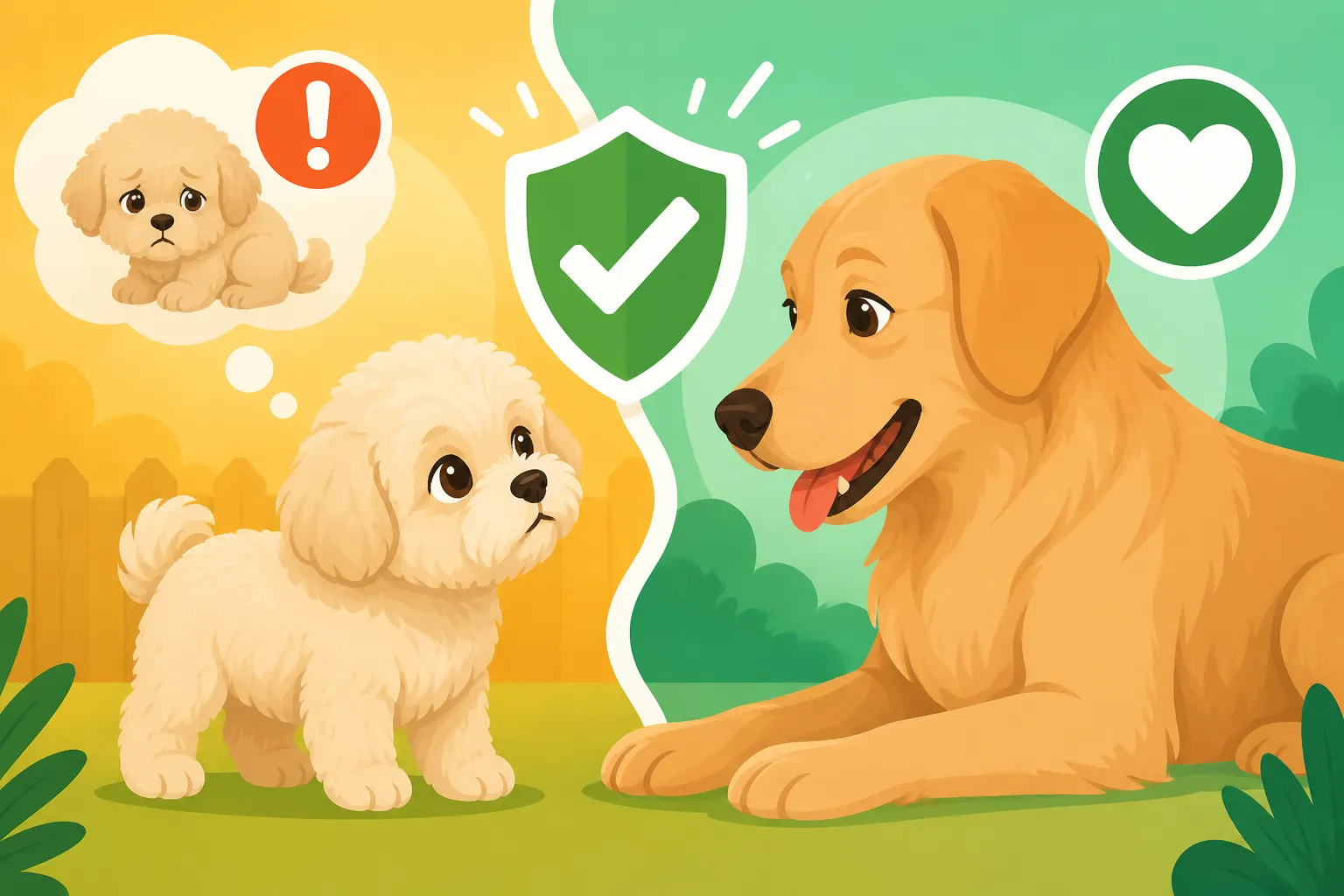
It's a common worry for any Maltipoo parent: how safe is my tiny, adorable fluffball when they're around a much larger dog? This isn't just about playful nips; the sheer size difference means even an accidental bump can lead to serious injury for your precious Maltipoo. This guide aims to thoroughly explore the risks involved and equip you with practical strategies to ensure your small companion's safety in a world often dominated by bigger canine friends.
Understanding the Size Disparity and Its Risks
The stark contrast in size between a Maltipoo and a larger dog isn't merely cosmetic; it dictates an entirely different set of vulnerabilities and risks. What might be a harmless nudge for a Labrador could be catastrophic for a Maltipoo. It’s crucial to understand these inherent dangers to protect your small companion effectively.
The Fragility of a Small Maltipoo's Body
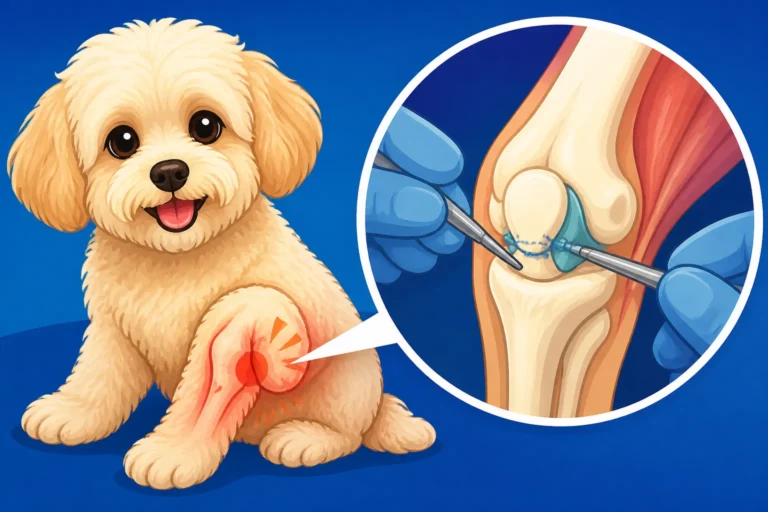
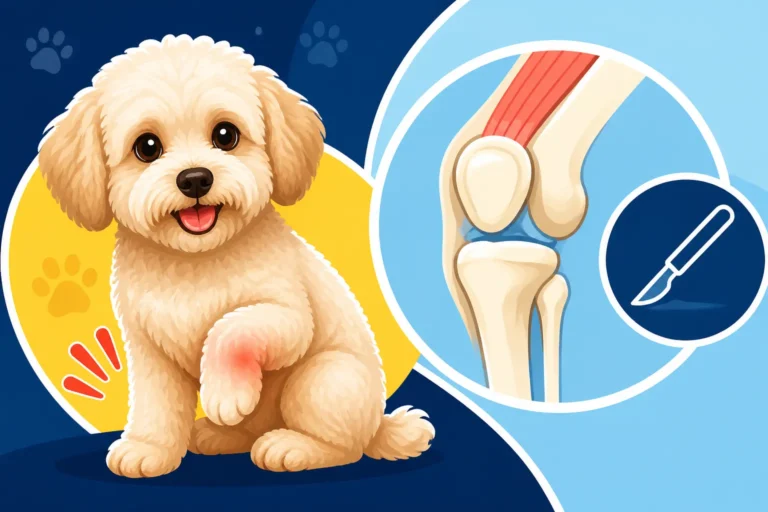
Let's be brutally honest: your Maltipoo's delicate frame is simply not built to withstand the impact of a larger dog. Their bones, while perfectly adequate for their own size, are much thinner and more brittle compared to those of a German Shepherd or a Golden Retriever. This means a playful tumble or even a clumsy step from a bigger dog can easily result in a fractured leg, a dislocated joint, or worse. We often worry about things like Whether a Maltipoo's Bones Are Thinner Than Normal or the potential for Whether a Maltipoo Breaks Its Leg Easily even from minor falls, so imagine the forces at play with a larger dog.
Beyond the bones, a Maltipoo's internal organs are less protected by substantial muscle and fat. A direct kick or a fall onto their abdomen can lead to severe internal trauma, which might not be immediately apparent but could have devastating consequences. Their small skulls also offer less protection, making head injuries a significant concern. It's not about malice from the larger dog, but pure physics and the immense difference in mass and impact potential.
Unintentional Harm from Play Styles
Big dogs and small dogs often have vastly different play styles, and these differences can inadvertently put your Maltipoo at risk. Larger breeds might enjoy rough-housing, body-slamming, or chasing games that involve significant physical contact. A bigger dog might pounce, wrestle, or mouth in ways that are perfectly appropriate for a dog of its own size, but which could easily injure a tiny Maltipoo.
Imagine a boisterous Labrador inviting your Maltipoo to play by bowing down and then springing up, perhaps landing a paw too close. Or a playful Boxer trying to "herd" your Maltipoo with a push of its nose. These are natural, often friendly, canine behaviors, but when applied to a dog many times smaller, they become hazardous. Your Maltipoo might interpret these overtures as threatening, or worse, get accidentally crushed or knocked over in the excitement, leading to an emergency visit to the vet.
Assessing the Bigger Dog's Temperament and Training
Not all big dogs are created equal when it comes to interacting with smaller breeds. Before allowing any interaction, it's paramount to assess the larger dog's temperament and the quality of their training. This isn't just about preventing aggression; it's about understanding how they might inadvertently pose a threat through sheer size and enthusiasm.
The Importance of a Calm and Well-Trained Large Dog
The ideal large dog for your Maltipoo to interact with is one that exhibits a consistently calm, gentle demeanor and possesses impeccable obedience training. This means a dog that responds reliably to commands like "leave it," "stay," and "off," even in exciting situations. A well-trained large dog understands boundaries and can be redirected instantly if their play becomes too boisterous or they get too close to your Maltipoo. They've usually had positive experiences with small dogs and know to moderate their energy and movements.
Look for a larger dog whose owner can confidently say their dog is "good with small dogs" and can demonstrate control. It's not enough for the dog to simply tolerate your Maltipoo; they should show a natural inclination towards gentle interactions, perhaps sniffing calmly, offering a soft play bow, or even ignoring them altogether unless specifically invited to engage gently. These dogs often have a long history of socialization and have learned to adapt their play.
Recognizing Warning Signs and Body Language
Being a vigilant observer of canine body language is your best defense. This applies to both the larger dog and your Maltipoo. A larger dog displaying a stiff body, direct unblinking stare, hackles raised, or a low growl is clearly signaling potential aggression and interactions should be stopped immediately. However, even without overt aggression, watch for signs of over-excitement or predatory instincts – a high-pitched whine, incessant pawing, or an intense focus that seems disproportionate to the situation.
Your Maltipoo's body language is equally important. Is your little one trying to hide, tucking their tail, licking their lips excessively, yawning, or showing a "whale eye" (where the whites of their eyes are visible)? These are all signs of stress and discomfort, indicating they feel unsafe or overwhelmed. A Maltipoo who constantly tries to get away, trembles, or attempts to snap in fear is telling you loud and clear that the situation is not working. Remember, it's your job to protect your Maltipoo from situations that might even inadvertently cause harm, much like we ensure children understand Whether a Child Can Hurt a Maltipoo by Holding It.
Strategies for Safe Introductions and Supervised Interactions
Bringing a Maltipoo and a larger dog together requires a thoughtful, gradual approach, especially during initial introductions. Rushing these moments can set the stage for fear, anxiety, or even accidents. Your goal is to foster positive, safe interactions, or at least peaceful coexistence, through careful management and supervision.
Controlled First Meetings
The very first meeting between your Maltipoo and a bigger dog should always happen in a controlled, neutral environment. Avoid your home initially, as dogs can be territorial. A quiet park or a friend's yard might be suitable. Both dogs should be on leashes, held by calm, attentive handlers. Keep the introduction brief and positive. Allow them to sniff each other, perhaps with a barrier between them initially, like a baby gate, to allow for scent exchange without direct contact.
During the introduction, praise calm behavior and reward gentle interactions. If either dog shows signs of stress or over-excitement, calmly separate them and try again later. Don't force interaction; let them set the pace. Short, positive experiences are far more valuable than one long, stressful one. This slow approach helps both dogs build trust and learn to associate each other with positive outcomes.
Creating Safe Play Environments
Even after a successful introduction, active and constant supervision is non-negotiable whenever your Maltipoo is around a bigger dog. "Supervision" doesn't mean glancing up from your phone occasionally; it means being fully present, ready to intervene at a moment's notice. Designate safe zones for your Maltipoo, perhaps an elevated dog bed or a playpen they can retreat to if they feel overwhelmed.
Consider using physical barriers, such as a sturdy playpen or a baby gate, to create a safe space within the same room. This allows the dogs to be together without direct, unsupervised interaction. Provide toys that are size-appropriate for each dog to prevent resource guarding. If the larger dog's play becomes too rough, a firm "no" or a quick redirection with a toy can help. Remember, your Maltipoo needs to feel secure, so ensuring they have an escape route or a cozy hideaway is essential. It's a bit like ensuring your tiny pup has appropriate gear like Whether a Harness Protects a Maltipoo's Windpipe – it's all about proactive safety.
Managing Multiple Dog Households
If you live in a multi-dog household with a Maltipoo and larger dogs, management is key to harmony. This means establishing clear rules around feeding times, sleeping arrangements, and toy access to prevent potential conflicts. Always feed dogs separately to avoid resource guarding issues, especially when high-value foods are involved. Your Maltipoo should have their own designated eating space where they can eat undisturbed.
Ensure your Maltipoo has a safe, comfortable sleeping area where they won't be disturbed by larger housemates. This could be a crate, a high-sided bed, or even a cozy spot in another room. When it comes to toys, offer a variety suitable for each dog's size and play style, and supervise playtime to prevent competition. Teaching your Maltipoo to feel safe and confident in their own space contributes to their overall well-being, especially as they get older and may be less tolerant of boisterous play, much like managing An Old Maltipoo That Will Not Settle at Night.
Here's a quick comparison of factors to consider when introducing your Maltipoo to a larger dog:
| Factor | Lower Risk Scenario | Higher Risk Scenario |
|---|---|---|
| Large Dog Size | Under 40 lbs, calm, low energy | Over 60 lbs, high energy, boisterous |
| Large Dog Play | Gentle, supervised, minimal physical contact | Rough, body-slamming, chasing, unsupervised |
| Large Dog Temperament | History of calm interactions with small dogs, well-socialized | Unknown history, overly excitable, predatory drive |
| Large Dog Training | Reliable recall, "leave it," "stay" commands | Poor obedience, ignores commands in excitement |
| Maltipoo Body Language | Relaxed, curious, wagging tail, confident | Tucked tail, hiding, trembling, lip licking |
| Environment | Neutral, quiet, escape routes for Maltipoo | Confined, busy, no retreat for Maltipoo |
| Supervision | Active, constant, hands-on, ready to intervene | Passive, distracted, intermittent |
When to Avoid Interactions and Prioritize Your Maltipoo's Safety
Sometimes, despite your best efforts, certain interactions simply aren't safe or appropriate for your Maltipoo. Recognizing these situations and knowing when to completely avoid them is a critical part of being a responsible owner. Your Maltipoo's safety and well-being should always be the top priority.
Recognizing Incompatible Personalities
Just like people, not all dogs are destined to be best friends, and some simply aren't a good match. If the larger dog consistently displays behaviors that make your Maltipoo anxious or fearful, or if the larger dog shows any signs of aggression, excessive prey drive, or an inability to moderate their play, it's best to keep them separated. It's not a failure on your part, but rather an acknowledgment of individual temperaments. Forcing interactions in such cases can lead to chronic stress for your Maltipoo, or worse, a serious injury.
There might be situations where the larger dog is perfectly well-behaved, but your Maltipoo is simply too timid or overwhelmed by their presence. Some Maltipoos, even with the Poodle's confident genes, can be quite sensitive, and a loud, boisterous environment or the presence of much larger animals can be genuinely frightening, similar to how they might react to Whether a Maltipoo Copes in a Loud House. In these cases, it's kinder to respect your Maltipoo's boundaries and avoid situations that cause them undue distress.
The Role of Owner Intervention and Protection
As a Maltipoo owner, you are your dog's primary protector. This means being assertive and advocating for their safety, even if it feels uncomfortable. Don't be afraid to politely decline playdate invitations with larger, unknown dogs, or to remove your Maltipoo from a situation that seems risky. This might mean leaving a dog park if a large dog is playing too roughly, or asking a friend to leash their larger dog when your Maltipoo is present.
Consider using a secure carrier or a specialized sling when taking your Maltipoo to places where larger dogs might be present, such as vet offices or pet supply stores. This provides a physical barrier and ensures your Maltipoo is safe from accidental trampling or unwanted attention. Ultimately, your peace of mind and your Maltipoo's safety are worth more than any social obligation. Having a strong bond with your dog, established through training and care from a young age, like outlined in What a Maltipoo Should Know by Six Months, will make these protective measures feel natural.
And let's be realistic, even with the most careful planning, accidents can happen. This is where a reliable pet insurance plan can be a lifesaver. Companies like Healthy Paws offer comprehensive coverage that can help shoulder the financial burden of unexpected vet bills resulting from an accident, such as a fracture or internal injury caused by a larger dog. While we hope it never happens, knowing you're financially prepared for such an event can provide immense peace of mind. It’s a vital part of considering the overall costs of pet ownership, alongside things like Insuring a Maltipoo Before Its Knees Go. Investing in proper training and management and being proactive about safety can reduce risks, but insurance offers that crucial safety net for unforeseen circumstances.
Disclaimer
The information provided in this article is for general informational purposes only and is not a substitute for professional veterinary advice. Always consult with a qualified veterinarian for any health concerns or before making any decisions related to your pet's care.