Whether a Child Can Hurt a Maltipoo by Holding It
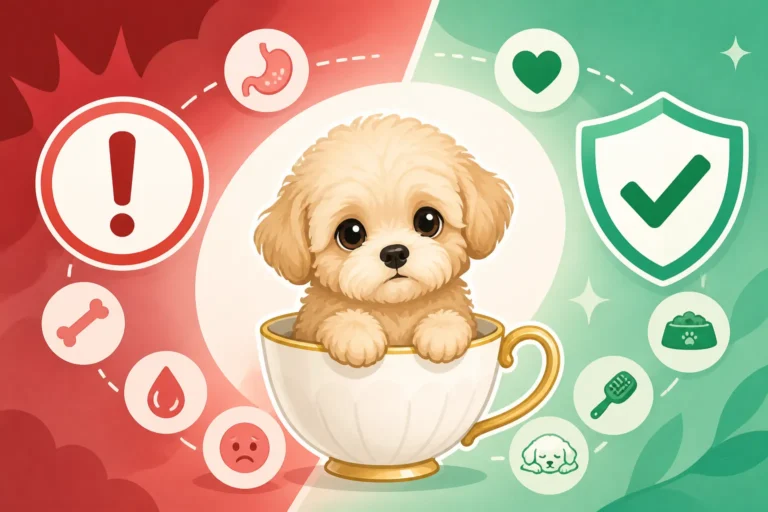
It's a fear that keeps many Maltipoo owners up at night, especially those with children in the home: can a moment of innocent affection turn into a serious injury for your tiny, beloved companion? The truth is, while children rarely mean to cause harm, their lack of understanding about a small dog's delicate structure can inadvertently lead to significant problems. This guide will delve into the risks, offer practical advice for safe interactions, and help you create a harmonious household where both your children and your Maltipoo thrive.
Understanding the Delicate Nature of a Maltipoo
Maltipoos, being a cross between the Maltese and the Poodle, inherit a delightful blend of charm and intelligence. However, they also inherit a physique that demands careful handling. Their small stature and lightweight build, especially in the "teacup" or smaller "toy" varieties, make them inherently more vulnerable to accidental injury than larger breeds.
Why Small Dogs Are More Prone to Injury
It's not just about their size; it's about their bone density and overall fragility. A Maltipoo's bones are typically thinner and less dense than those of a larger dog. Imagine the difference between a twig and a branch – both are wood, but one snaps far more easily. When you consider that many adult Maltipoos weigh less than ten pounds, sometimes even under four, the physics of a child's interaction become starkly clear.
Even a slight fall from a height that would be insignificant to a larger dog, like slipping off a sofa or a chair, can result in a serious break for a Maltipoo. We've talked before about how easily a Maltipoo breaks a leg jumping off a sofa, and the same principles apply when they're being held. Their small size also means their internal organs are less protected by substantial muscle or fat, making them susceptible to internal bruising or injury from even a mild squeeze or jostle. It’s a sad reality that sometimes, the very features that make them so appealing — their diminutive size and cuddly nature — are what put them at greatest risk.
Common Accidental Injuries from Improper Handling
When a child, or even an adult, isn't careful, the consequences for a Maltipoo can be severe. One of the most common issues is orthopedic injuries, particularly fractures. A simple drop, even from a child's waist height, can easily lead to a broken leg, foot, or even spinal injury. Their tiny joints and bones are just not built to withstand sudden impacts.
Beyond fractures, we see things like luxating patellas — slipping kneecaps — exacerbated or even initially triggered by improper handling. A child might accidentally twist a Maltipoo's leg or allow them to jump from an unsupported position, putting undue stress on those delicate knee joints. The four patella grades and where a Maltipoo lands often dictate their long-term health, and an injury can quickly worsen their condition. Internal injuries, though less visible, are also a grave concern. A tight squeeze around the chest or abdomen can damage organs, leading to pain, difficulty breathing, or more severe internal bleeding. These situations often require immediate veterinary attention, and the costs associated with X-rays, diagnostics, and potential surgery can be quite substantial. This is where a robust pet insurance plan, perhaps from a provider like Healthy Paws, can really make a difference, helping to cover unexpected and expensive emergency care.
Children's Intentions Versus Unintended Impact
It's absolutely crucial to remember that children almost never intend to hurt an animal. Their actions usually stem from excitement, curiosity, a desire to show affection, or simply not understanding the physical limitations of such a small, delicate creature. However, good intentions don't negate the potential for serious harm.
Why Children May Not Understand a Maltipoo's Fragility
Children, especially younger ones, operate in a world where their own bodies are relatively resilient. They fall, they bounce back. They might not internalize that a Maltipoo is not a sturdy stuffed animal or a larger, more robust dog. To a toddler, a Maltipoo might just be another fun toy to grab and carry, without understanding the concept of supporting its weight or avoiding squeezing.
Their motor skills are still developing, making their movements less controlled and precise. What feels like a gentle hug to a child might be a crushing squeeze to a tiny dog. They might also lack the empathy to recognize subtle signs of discomfort or fear in a dog, mistaking a whimpering Maltipoo's distress for an invitation to continue play. This is why active, constant supervision and gentle education are non-negotiable. It's about teaching them that this isn't a toy, but a living, breathing, delicate friend that needs respect and careful handling.
Age-Appropriate Interactions and Supervision
The way a child interacts with a Maltipoo must evolve with the child's age and maturity. There's no one-size-fits-all rule, but general guidelines can help parents manage these interactions safely.
Toddlers (1-3 years old): For this age group, direct handling of a Maltipoo should be heavily restricted and always, always under immediate, hands-on adult supervision. Toddlers are still developing fine motor skills and impulse control. They often grab, pull, or fall easily. It's best to teach them to gently pet the Maltipoo while it's safely on the floor or an adult's lap, emphasizing soft touches on the back or head, never picking it up. The focus here is on teaching respect and gentleness from a distance, reinforcing the idea that the Maltipoo is a living being, not a plaything. Think of it as supervising a Maltipoo introduced to a dog ten times its size – you wouldn't leave them alone, and the same goes for a tiny dog and a small child.
Preschoolers (4-6 years old): Children in this age range can start to understand more complex rules and concepts. They can learn proper techniques for petting and even supervised holding for very short periods, if they demonstrate consistent gentleness and follow instructions. Emphasize that the Maltipoo needs to be supported from underneath its chest and hindquarters, like a baby. Always sit the child on the floor when holding the dog, to minimize the distance of a potential fall. Continue to supervise every interaction closely, intervening immediately if play becomes too rough or uncontrolled. This is a crucial age for laying the groundwork for respectful pet ownership.
School-Aged Children (7+ years old): By this age, many children are capable of understanding the responsibility of caring for a small animal. They can be taught how to safely pick up, hold, and put down a Maltipoo without constant direct intervention, though supervision should still be present. They can learn to read the dog's body language – when it's happy, when it's uncomfortable, and when it needs space. Involve them in routines like feeding, supervised grooming (such as brushing its coat), and short walks. This helps them build a bond based on care and respect. However, even older children can get distracted or forget, so it's always wise to keep an eye out and remind them about gentle handling.
| Child's Age Group | Recommended Interaction | What to Avoid | Why it Matters |
|---|---|---|---|
| 1-3 Years Old | Supervised gentle petting (Maltipoo on floor/lap). Sitting beside dog. | Picking up, chasing, rough play, loud noises near dog. | Lack of motor control, impulse, and understanding of fragility. High risk of accidental injury to dog. |
| 4-6 Years Old | Supervised gentle petting. Brief, supervised holding while seated on floor. | Unsupervised holding, sudden movements, pulling on ears/tail. | Developing motor skills, but still prone to excitement and forgetting rules. Need consistent reinforcement. |
| 7+ Years Old | Supervised gentle handling, picking up, holding. Participation in care routines. | Roughhousing, letting dog jump from heights, unsupervised interactions with other dogs. | Better understanding and control, but still require reminders and monitoring to ensure consistent safety for the dog. |
This table provides a snapshot, but individual children will vary. The key is to assess your child's maturity and teach them where to support a Maltipoo properly.
Practical Steps for Safe Handling and a Harmonious Home
Creating a safe environment for your Maltipoo, especially with children around, involves more than just teaching them how to hold the dog. It's about setting boundaries, teaching responsible behavior, and always being present.
Teaching Children How to Safely Pick Up and Hold a Maltipoo
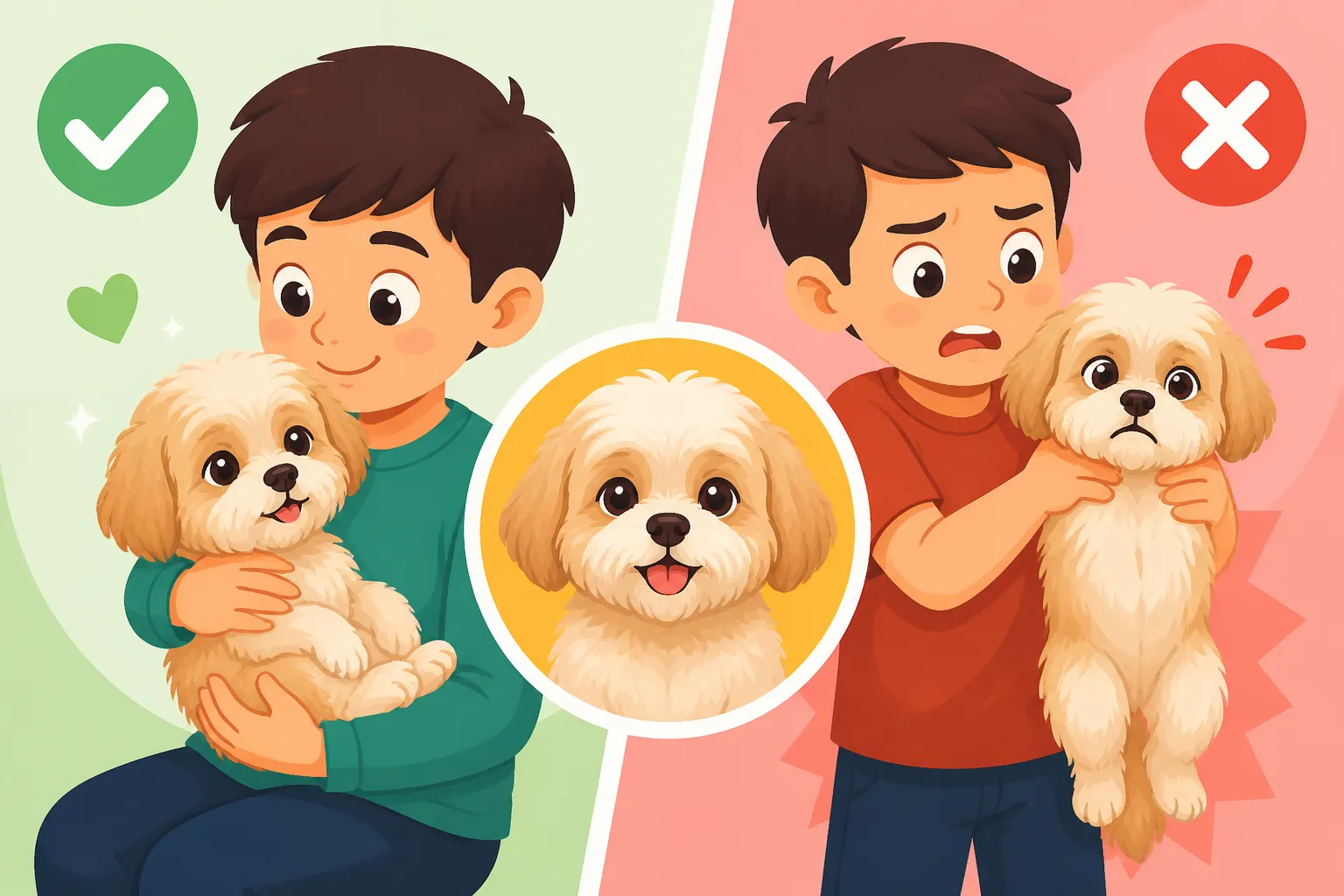
This is perhaps the most critical skill to impart. A Maltipoo should never be picked up by one armpit, or by the scruff, or simply scooped up by their chest. Their fragile spine and joints cannot withstand such strain.
Here's a step-by-step guide for teaching safe handling:
- Approach Calmly: Teach your child to approach the Maltipoo slowly and calmly. No running or loud noises.
- Offer a Hand: Encourage the child to extend a closed fist for the Maltipoo to sniff. This allows the dog to initiate contact and feel more secure.
- Support Fully: Explain that a Maltipoo needs to be supported like a baby. One hand should scoop under the chest, just behind the front legs, and the other hand should support the hindquarters and bottom. This distributes their weight evenly and protects their spine.
- Hold Close to the Body: Emphasize holding the Maltipoo close to their body, like they're giving it a gentle hug. This reduces the chance of dropping the dog and makes them feel more secure.
- Sit Down: Always insist that children sit on the floor before picking up or putting down the Maltipoo. This minimizes the distance of any accidental fall. If the dog is on their lap, they are less likely to be dropped from a significant height.
- Gentle Putting Down: Teach them to lower the Maltipoo slowly and gently to the floor, ensuring all four paws are on the ground before they let go. Never let a Maltipoo jump from a child's arms.
- Read Body Language: Explain that if the Maltipoo is squirming, licking its lips, turning its head away, or trying to get down, it means it's uncomfortable and needs a break. Teach children to respect these signals.
Consistent practice and gentle reminders are essential. Make it a positive experience with praise and small rewards for both the child and the dog.
Establishing Rules and Boundaries for Both Children and the Dog
Beyond teaching proper handling, clear rules and boundaries are essential for everyone in the household.
- Designated "Safe Zones" for the Maltipoo: Your Maltipoo needs a place where they can retreat and feel completely safe from eager little hands. This could be a crate with a cozy bed, a small dog bed in a quiet corner, or even a playpen. Teach children that when the Maltipoo is in its safe zone, it is not to be disturbed. This helps prevent overstimulation and gives the dog a much-needed break.
- No Roughhousing: Absolutely no rough play, chasing, or tug-of-war games with your Maltipoo. Their small size makes them vulnerable to being accidentally stepped on, kicked, or injured during boisterous play. We want to avoid any situation that might lead to a Maltipoo being injured by a fall.
- Supervised Meal and Treat Times: Always supervise children around the Maltipoo's food bowl. Small dogs can sometimes develop resource guarding behaviors, and even if they don't, a child might try to take food away, leading to a snap or bite, or the Maltipoo might eat too quickly and choke. Teaching a Maltipoo not to guard its bowl is a good idea generally, but supervision is the best prevention here.
- "Hands-Off" When Sleeping or Eating: Reinforce the rule that the Maltipoo should never be disturbed while eating, sleeping, or when it's curled up in its bed. This helps prevent startled reactions from the dog and teaches respect for its personal space.
- Consistency is Key: Every adult in the household needs to enforce these rules consistently. If one parent allows rough play and another doesn't, it sends mixed signals to both the child and the dog.
- Involve Children in Care: Depending on their age, involve children in appropriate aspects of the Maltipoo's care, such as helping measure food (supervised, of course – feeding a six pound Maltipoo by the ounce, not the scoop, is important for their health!), refilling the water bowl, or helping with brushing. This fosters a sense of responsibility and connection.
By consistently enforcing these rules, you're not only protecting your Maltipoo but also teaching your children valuable lessons in empathy, respect, and responsible pet ownership.
What to Do in Case of an Injury
Despite all precautions, accidents can happen. If your Maltipoo is injured, knowing what to do immediately can make a significant difference in their recovery.
- Stay Calm: Panicking will only stress your dog further. Take a deep breath.
- Assess the Situation Gently: If your Maltipoo is limping, crying, or showing any signs of pain, try to gently assess where the injury might be without causing further distress. Do not force them to move or put weight on the affected area.
- Call Your Vet Immediately: Even if the injury seems minor, it's always best to contact your veterinarian right away. Describe what happened and any symptoms you're observing. They can advise you on the best course of action, which might include bringing your Maltipoo in for an emergency visit. For things like broken bones or internal injuries, swift professional medical attention is crucial.
- Transport Safely: If you need to take your Maltipoo to the vet, handle them with extreme care. Support their entire body, and if possible, use a carrier or a makeshift stretcher (like a sturdy piece of cardboard or a small blanket) to minimize movement, especially if a spinal injury is suspected.
- Consider Pet Insurance: This is where having pet insurance can truly alleviate financial stress during an emergency. Providers like Healthy Paws offer comprehensive plans that can cover accidents, illnesses, and emergency care, which can be invaluable when faced with unexpected vet bills for a broken bone or other serious injury. The cost of an emergency sugar crash visit costs a Maltipoo owner a surprising amount, and other injuries are no different. It's smart to consider insuring a Maltipoo before its knees go or any other common health issues arise, as pre-existing conditions are typically not covered.
By being prepared and knowing these steps, you can provide the best possible care for your Maltipoo should an accident occur. The goal, of course, is to prevent such incidents entirely through education and vigilant supervision.
Disclaimer
The information provided in this article is for general informational purposes only and is not a substitute for professional veterinary advice. Always consult with a qualified veterinarian for any health concerns or before making any decisions related to your Maltipoo's care or treatment.