Whether a Maltipoo Can Be Injured by a Fall
It’s a heart-stopping moment many Maltipoo parents dread: that split second when your tiny companion tumbles off the sofa, misses a jump from the bed, or takes an unexpected spill. The fear that sweeps over you is completely valid. These little bundles of joy, while robust in spirit, can be surprisingly delicate in body, and falls, even from what seems like a small height, can lead to serious injuries. This guide is dedicated to helping you understand why Maltipoos are prone to fall-related injuries, what specific dangers to watch out for in your home, and, most importantly, how to create a safer environment for your cherished dog.
Understanding the Maltipoo's Vulnerability to Falls
Maltipoos, being a delightful mix of Maltese and Poodle, inherit many wonderful traits, but also some physical characteristics that make them more susceptible to injuries from falls. Their small size, delicate bone structure, and sometimes boundless energy can put them in harm's way more often than you might think. It's not about them being clumsy; it's about physics and biology.
The Delicate Bone Structure and Small Stature
One of the biggest factors in a Maltipoo's vulnerability is their size. Typically weighing between 5 to 15 pounds, and often much less for those considered "teacup" or smaller toy sizes, their bones are naturally thinner and less dense than those of larger breeds. Imagine dropping a feather versus a brick – the brick can withstand more impact. For a tiny Maltipoo, a fall from a height equivalent to a human falling from a second-story window can be devastating. We often forget that what seems like a small drop to us is a significant plummet for a dog whose legs are only a few inches long. It's a fundamental truth that their small frame provides less natural cushioning and resilience against impact. Many owners wonder whether a Maltipoo's bones are thinner than normal, and while "thinner" might be an oversimplification, their petite size absolutely correlates to increased fragility compared to a larger dog.
Moreover, their lightweight nature means they have less body mass to absorb the shock of landing. When a large dog falls, its larger surface area and muscle mass distribute the impact more broadly. A Maltipoo, however, concentrates that force on a very small area, often leading to fractures or joint dislocations upon impact. This isn't about being a bad owner; it's about recognizing the inherent physical realities of having such a small dog in a world designed for larger beings, or at least, larger dogs.
Predisposition to Joint and Skeletal Issues
Beyond their general fragility, Maltipoos are also prone to certain inherited or breed-specific conditions that can be exacerbated, or even directly caused, by falls. Patellar luxation, or slipping kneecaps, is a prime example. This condition, where the kneecap dislocates from its groove, is very common in small breeds like Maltipoos. Even a minor jump or awkward landing can cause the patella to pop out, leading to pain and lameness. Over time, repeated luxations can worsen the condition, sometimes requiring surgery. You can read more about Slipping Kneecaps in a Maltipoo to understand the implications of this common issue.
Another less common but equally serious condition is Legg-Calvé-Perthes disease, which affects the hip joint and can cause degeneration of the femoral head. While not directly caused by a fall, an existing predisposed condition could be worsened by trauma. Falls can also lead to spinal injuries, especially in breeds with longer backs or those with existing disc issues. The impact can cause discs to herniate, leading to severe pain, weakness, or even paralysis. This is why vigilance is so crucial. A routine jump off a bed, which seems innocent enough, can put immense strain on their tiny joints and spine, potentially leading to a lifetime of discomfort or expensive medical treatments. Having robust pet insurance, like a plan from Healthy Paws, can be a real lifesaver if your Maltipoo needs extensive care after an accident.
Common Scenarios Leading to Fall Injuries
It’s easy to assume your Maltipoo is safe when they’re just playing around the house, but danger can lurk in surprising places. From seemingly innocent jumps to accidental tumbles, many everyday activities can pose a risk to your small dog. Understanding these common scenarios is the first step in prevention.
Jumping Off Furniture
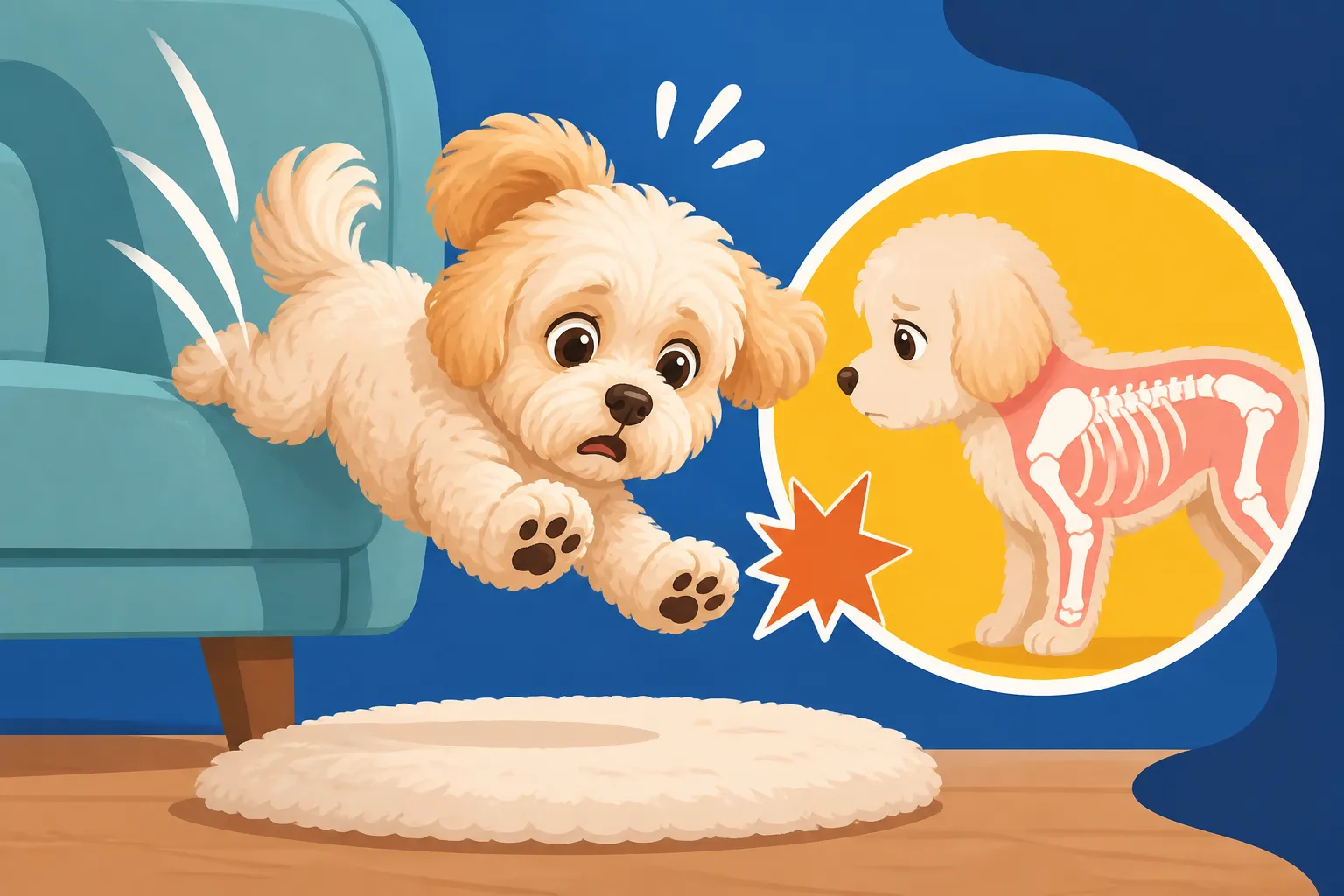
This is perhaps the most frequent culprit when it comes to fall injuries in Maltipoos. A Maltipoo sees the sofa or bed as their castle, a comfy perch to be near you. They jump up without a second thought, but getting down is where the trouble often begins. A sofa might seem low to us, but to a Maltipoo, it's a significant leap, often putting immense strain on their joints and bones upon landing. Imagine jumping from a 10-foot wall repeatedly – that's the equivalent for them.
Even if they land without an immediate limp, repeated impacts can contribute to long-term joint problems, worsening conditions like patellar luxation or even leading to fractures over time. Hard surfaces, like tile or hardwood floors, increase the risk and severity of injury significantly compared to carpeted areas. The impact shock is just too great. This is why many owners eventually ask whether a Maltipoo needs sofa steps to protect their precious pets from these everyday hazards. The short answer is, usually, yes. Likewise, many pet parents worry about whether jumping off a bed hurts a Maltipoo, and the answer is an emphatic yes. The height is even greater, the potential for injury more severe.
Table: Risk Levels for Common Fall Surfaces/Heights
| Fall Height Equivalent (Maltipoo Scale) | Common Scenario | Surface Type | Risk of Injury | Common Injuries |
|---|---|---|---|---|
| Low (Up to knee-height) | Sofa, single stair, low chair | Carpet | Moderate | Sprains, minor limping, joint strain |
| Low (Up to knee-height) | Sofa, single stair, low chair | Hardwood/Tile | High | Sprains, fractures, patellar luxation |
| Medium (Waist-height) | Bed, two stairs, coffee table | Carpet | High | Fractures, patellar luxation, soft tissue tears |
| Medium (Waist-height) | Bed, two stairs, coffee table | Hardwood/Tile | Very High | Fractures (leg, hip), spinal injury, head trauma |
| High (Shoulder-height+) | Counter, window sill, arms | Any | Extreme | Multiple fractures, severe head/spinal trauma, internal injuries |
Accidental Drops While Being Held
While we always try our best to keep our Maltipoos safe, accidents happen. Their small size makes them incredibly easy to scoop up and cuddle, but it also makes them vulnerable to accidental drops. This is especially true for children, who may not fully understand how to properly support a small dog. A sudden squirm, a loss of balance, or even just being startled can lead to a Maltipoo slipping from someone's arms. It's a truly terrifying scenario for any pet parent, and many frequently ask whether a child can hurt a Maltipoo by holding it. The answer is yes, inadvertently, if not taught proper handling techniques and supervised closely.
The height of a human's arms, even when sitting, can be a significant drop for a small dog, often resulting in severe injuries like fractured limbs, head trauma, or even internal damage. Elderly family members or those with mobility issues might also struggle to safely hold a squirming Maltipoo. This isn't about blaming anyone; it's about being aware of the real risks and establishing clear rules for handling your Maltipoo, especially with younger or less experienced individuals. Ensuring everyone in the household understands how to properly support your Maltipoo, particularly their chest and hindquarters, is critical.
Falls on Stairs or Uneven Surfaces
Stairs, while a normal part of many homes, can be treacherous for a small Maltipoo. Their short legs, combined with varying step heights and slippery surfaces, can easily lead to a misstep or a tumble. A Maltipoo might rush down the stairs, miss a step, and roll, suffering multiple impacts as they go. Even going up, they can stumble, pulling muscles or twisting joints. This is a common concern, and many owners question whether stairs damage a Maltipoo's knees. Over time, the repetitive stress and potential for falls can certainly take a toll on their delicate joints.
Beyond stairs, uneven outdoor terrain, slippery floors indoors (especially right after mopping), or even playing too vigorously on loose rugs can cause them to lose their footing and fall. Their small paws have less traction, and their low center of gravity can make them unstable on unpredictable surfaces. While an energetic run around the yard is essential for their well-being, always supervise them in areas with potential hazards like holes, large roots, or steep inclines. A seemingly harmless dip in the lawn could be a significant obstacle for their tiny legs.
Preventing Fall-Related Injuries at Home
As a Maltipoo owner, your primary goal is to keep your furry friend safe and healthy. The good news is that many fall-related injuries are preventable with a few thoughtful adjustments to your home environment and routines. It’s all about being proactive and thinking like a tiny dog navigating a giant world.
Creating a Safe Indoor Environment
Making your home a safe haven for your Maltipoo involves more than just removing obvious dangers; it means anticipating where a small dog might encounter trouble. Start by looking at your home from your Maltipoo's perspective. Get down on your hands and knees and see what heights are jumpable, what surfaces are slippery, and what objects could tip over.
- Ramps and Steps: This is arguably the most impactful change you can make. Invest in pet ramps or steps for all furniture your Maltipoo regularly uses, such as sofas, chairs, and beds. This eliminates the need for them to jump down, saving their joints from repeated impact and preventing accidental falls. Brands like Pet Gear and Majestic Pet offer a range of aesthetically pleasing and functional pet steps that blend into your home decor. Teaching your Maltipoo to use these items might take a little patience, perhaps with some positive reinforcement and tasty treats, but it's an investment in their long-term health.
- Non-Slip Surfaces: Hardwood, tile, and laminate floors are beautiful, but they're incredibly slippery for small paws. Consider placing non-slip rugs or runners in high-traffic areas where your Maltipoo runs or plays. You can also get paw wax or dog booties that increase traction, especially for older Maltipoos who might be less stable.
- Blocking Off Stairs: If you have stairs, consider using baby gates or pet gates to block access. This is especially important for puppies or older dogs with mobility issues. If your Maltipoo must use stairs, supervise them closely and consider carrying them, especially down the last few steps.
- Securing Loose Items: Small dogs can get tangled in electrical cords or knock over unstable lamps or decorative items. Walk through your home and secure anything that could fall on your Maltipoo or cause them to trip.
- Safe Play Areas: Designate a carpeted or matted area for vigorous play to minimize the impact of tumbles. Ensure toys are appropriately sized and won't cause tripping hazards.
- Monitoring Interactions with Other Pets: If you have larger dogs or other pets, always supervise interactions. A playful nudge from a big dog could easily send a tiny Maltipoo tumbling, leading to serious injury. You can find more information on whether a Maltipoo is safe around a bigger dog.
Safe Handling and Training Practices
Even with the safest home, human interaction remains a key factor in preventing falls. Proper handling and consistent training are crucial for your Maltipoo's safety.
- Teaching Safe Entry/Exit from Furniture: While ramps and steps are ideal, you can also train your Maltipoo to wait for your assistance when getting on or off furniture. Use a consistent command like "Up" or "Down" and reward them for waiting. This teaches them to rely on you for safe transitions, especially when they're excited.
- Gentle and Supportive Holding: When picking up your Maltipoo, always use two hands, supporting their chest/front legs with one hand and their hindquarters/bottom with the other. This prevents them from squirming and potentially slipping. Educate all family members, especially children, on the correct way to hold your Maltipoo. Emphasize that rough play or sudden movements can startle them and lead to a fall.
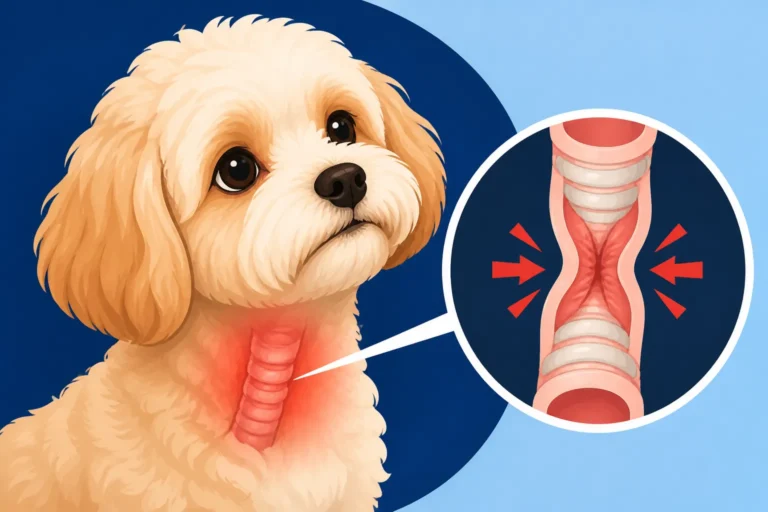
- Leash Training and Outdoor Safety: On walks, always keep your Maltipoo on a leash, especially near roads, uneven sidewalks, or areas with other dogs. Their small size makes them hard to spot, and a sudden dart could lead to a fall into traffic or off a curb. Use a harness instead of a collar to protect their delicate neck and trachea.
- Basic Obedience Training: Teaching fundamental commands like "stay," "come," and "off" can be life-saving. A "stay" command can prevent them from bolting off a porch or down stairs. An "off" command can stop them from jumping on furniture when you're not ready. Maltipoos are intelligent and eager to please, often inheriting the Poodle's trainability, so consistent positive reinforcement training can yield great results. For a deeper dive into their learning capabilities, check out What a Maltipoo Should Know by Six Months.
- Proper Supervision: Never leave a Maltipoo unattended on high surfaces like beds, tables, or window sills. Their curiosity can easily lead them to the edge and over. Even a momentary lapse in supervision can have dire consequences. If you have an active household, consider a playpen for supervised safe space, preventing accidental bumps or falls, especially if children are playing.
What to Do if Your Maltipoo Falls
Despite all your best efforts, accidents can still happen. If your Maltipoo takes a fall, knowing how to react calmly and effectively can make a significant difference in their outcome. Panic won't help them, but quick and thoughtful action will.
Assessing the Situation and Initial Steps
The moments immediately following a fall can be terrifying, but it's crucial to remain as calm as possible to help your Maltipoo. Your dog will pick up on your anxiety, which can make them more fearful or agitated, potentially worsening an injury.
- Observe Immediately: Did they cry out? Are they putting weight on all four paws? Is there any visible deformity, swelling, or bleeding? Note the height of the fall and the surface they landed on. This information will be vital for your veterinarian.
- Approach Gently: Speak in a soft, reassuring voice. Avoid rushing to pick them up, as this could cause further pain or damage if there's a fracture or spinal injury. If they are trying to move, encourage them to do so slowly and carefully.
- Check for Obvious Injuries: If they are calm enough, gently run your hands over their body. Start from the head and work your way down to the tail, checking each leg, paw, and joint. Look for tenderness, swelling, heat, or any unnatural angles. Be especially careful around their head, neck, and spine. If you suspect a head injury (e.g., loss of consciousness, disorientation, unequal pupil size, bleeding from nose/ears), extreme caution is needed.
- Immobilize if Necessary: If you suspect a broken bone or spinal injury, try to keep your Maltipoo as still as possible. You can gently slide them onto a flat, rigid surface like a cutting board or a firm piece of cardboard to minimize movement during transport. Avoid twisting or bending their body.
- Contact Your Vet Immediately: Even if your Maltipoo seems okay initially, it's always best to call your veterinarian. Some injuries, like internal bleeding or hairline fractures, aren't immediately obvious but can become serious quickly. Describe the fall, the height, the surface, and all your observations. They will advise you on the next steps, which will almost always involve an emergency visit.
Emergency Care and Veterinary Intervention
Once you've made the initial assessment, getting professional veterinary care is paramount. Don't delay, as early intervention can significantly improve outcomes.
- Emergency Vet Visit: Head to the nearest emergency veterinary clinic if your regular vet isn't available or if the injury appears severe. Explain what happened, including the height, surface, and any symptoms your Maltipoo is exhibiting. The vet will conduct a thorough physical examination, looking for signs of pain, swelling, and range of motion issues.
- Diagnostic Tests: The veterinarian will likely recommend diagnostic imaging. X-rays are standard to check for fractures, dislocations, and other skeletal damage. In some cases, a CT scan or MRI might be necessary to assess soft tissue injuries, spinal damage, or internal organ trauma. Blood work may also be performed to check for internal bleeding or other systemic issues, especially if the fall was high impact. This is where pet insurance, such as a comprehensive plan from Healthy Paws, really comes into its own, helping to alleviate the financial burden of unexpected emergency diagnostics and treatments.
- Treatment Options: Treatment will depend entirely on the type and severity of the injury.
- Fractures: May require splinting, casting, or surgical repair with pins, plates, or screws.
- Dislocations: Often require manual manipulation under sedation or anesthesia to put the joint back into place.
- Soft Tissue Injuries (sprains, strains): Rest, pain medication, anti-inflammatory drugs, and sometimes physical therapy.
- Head/Spinal Injuries: These are often the most severe and complex, potentially requiring medication to reduce swelling, strict crate rest, or even specialized surgery.
- Pain Management and Recovery: Your vet will prescribe pain relief and anti-inflammatory medications to keep your Maltipoo comfortable during recovery. Recovery can be a long process, often involving strict rest, limited activity, and possibly physical therapy to regain strength and mobility. It's crucial to follow your vet's instructions meticulously to ensure a full and proper recovery. A good pet insurance policy, like those offered by Healthy Paws, typically covers a significant portion of these post-operative and rehabilitation costs, allowing you to focus on your Maltipoo's healing without added financial stress.
Remember, your Maltipoo relies on you for their safety and well-being. By understanding the risks, modifying your home, and knowing how to act in an emergency, you can greatly reduce the chances of a serious fall injury and ensure your little friend lives a long, happy, and healthy life.
Disclaimer
This article provides general information and recommendations regarding Maltipoo care and safety. It is not a substitute for professional veterinary advice. Always consult with a qualified veterinarian for any health concerns or before making any decisions related to your pet's medical care.