The Bile Acid Test a Maltipoo Puppy Should Have
Bringing home a tiny Maltipoo puppy is usually a bundle of joy, a fluffy little ball of endless affection and playful antics. But for many new owners, there's a quiet worry in the back of their minds about hidden health issues, especially when dealing with a small breed. One significant, and often silent, concern that can affect Maltipoos is a liver shunt. This guide will walk you through exactly what a bile acid test is, why it's so incredibly important for your precious Maltipoo puppy, and what the results can mean for their future health and happiness.
Understanding the Bile Acid Test for Your Maltipoo Puppy
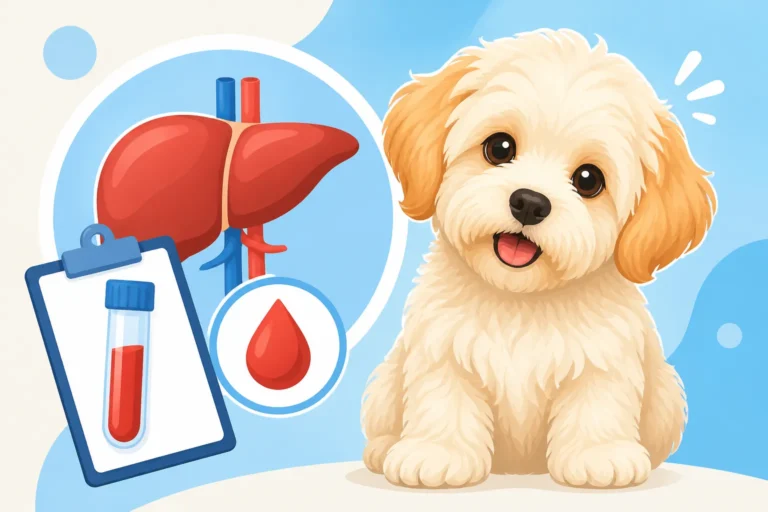
When you hear "bile acid test," it might sound intimidating or overly medical, but at its heart, it's a very specific blood test designed to evaluate how well your Maltipoo's liver is functioning. It’s not just a general blood panel; it's a targeted investigation into one critical aspect of liver health, particularly concerning for breeds like the Maltipoo.
What Are Bile Acids Anyway?
Imagine bile acids as tiny messengers created by the liver. Their main job is to help digest fats and absorb fat-soluble vitamins in the small intestine. After they've done their work, they're supposed to be reabsorbed back into the bloodstream and efficiently recycled by a healthy liver. This recycling process is incredibly important because it prevents these acids from building up to toxic levels in the body. When a dog has eaten, the liver kicks into high gear, processing everything, including a surge of bile acids. If the liver isn't doing its job, or if blood is bypassing the liver altogether, these bile acids won't be properly cleared, and their levels in the blood will remain high.
The Two-Part Testing Process
The bile acid test is usually a two-part affair, which is crucial for getting an accurate picture of liver function. First, your puppy will need to fast for a specific period, typically 8-12 hours, before their first blood sample is taken. This "pre-prandial" (before meal) sample establishes a baseline. Then, your vet will give your puppy a small, controlled meal. About two hours after that meal, a second "post-prandial" (after meal) blood sample is drawn. The reason for these two samples is to see how effectively the liver processes the bile acids after they've been put to work during digestion. In a healthy dog, the post-meal bile acid levels should show a significant drop as the liver has efficiently reabsorbed them. If they stay high, or even rise, it's a red flag.
Why This Specific Test Is So Vital for Maltipoos
It's natural to wonder why this particular test might be highlighted for your Maltipoo when many other puppies don't undergo it routinely. The truth is, Maltipoos, due to their genetic makeup from both the Maltese and Poodle lines, can be predisposed to certain conditions. One of the most serious is a portosystemic shunt, commonly known as a liver shunt.
The Threat of a Liver Shunt in Small Breeds
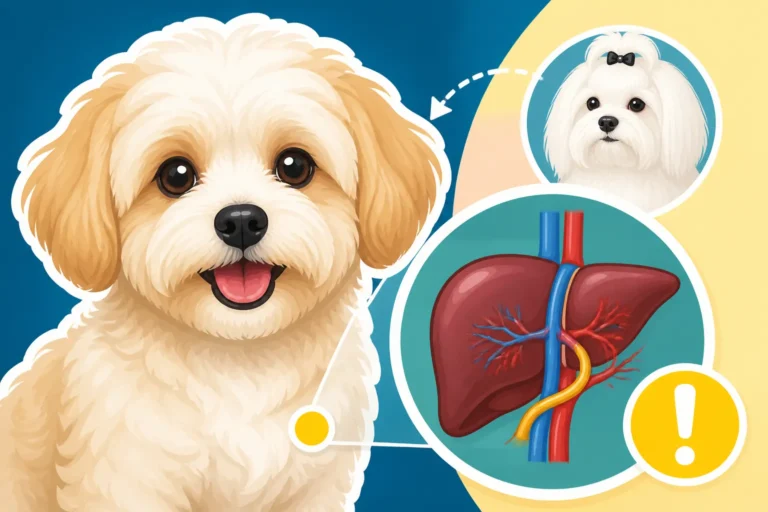
A liver shunt is a congenital condition where an abnormal blood vessel allows blood from the intestines to bypass the liver and flow directly into the main circulatory system. Normally, all blood from the digestive tract passes through the liver, where it's filtered to remove toxins and process nutrients. When a shunt is present, these toxins aren't filtered and instead enter the general circulation, affecting the brain and other organs. This can lead to a host of neurological, gastrointestinal, and urinary problems. It's a condition that can be truly devastating if left undiagnosed and untreated. The Maltese breed, one half of your beautiful Maltipoo, has a known predisposition for these shunts, which is why we must consider it for our Maltipoo companions. You can learn more about this specific concern in our detailed guide on The Liver Shunt a Maltipoo Can Inherit From the Maltese.
Recognising the Subtle Signs and the Test's Role
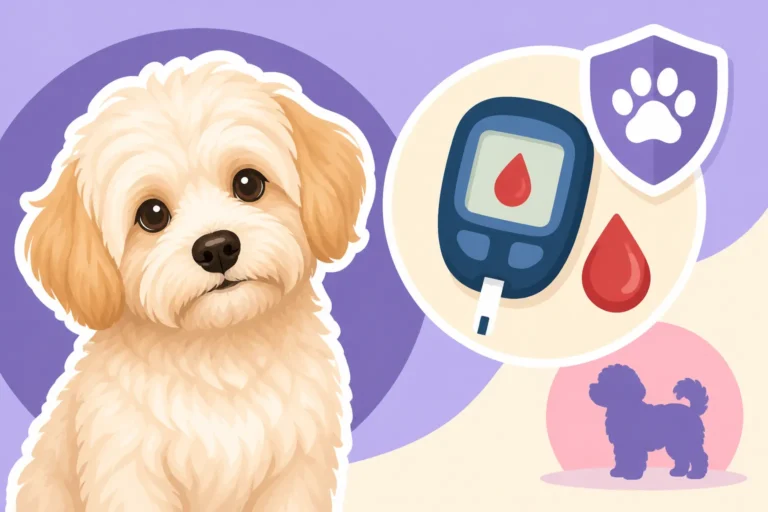
Sometimes, a puppy with a liver shunt will show clear signs early on, such as poor growth, lethargy, vomiting, diarrhea, or unusual neurological symptoms like circling, staring blankly, or even seizures after eating. These symptoms can sometimes be mistaken for other issues, like hypoglycemia and the Teacup Maltipoo Puppy. However, many puppies with shunts exhibit very subtle or intermittent signs, or sometimes no noticeable symptoms at all in their early weeks. This is where the bile acid test becomes a hero. It can detect the metabolic abnormalities caused by a shunt even before overt clinical signs appear, giving you and your vet a critical head start. Early detection can literally be life-saving and drastically improve the prognosis for your puppy. This proactive step helps avoid the agonizing worry of trying to figure out what's wrong when symptoms suddenly worsen.
Proactive Screening: Why It Matters
Because liver shunts can be hidden and so serious, responsible breeders often screen their puppies using a bile acid test. This is an essential health check, particularly for breeds known to be at risk. A breeder who cares deeply about the health of their puppies will want to ensure they are placing healthy animals in new homes, reducing the heartbreak for new families and the suffering for the puppy. This is one of the key questions to ask, alongside others detailed in what The Four Certificates a Maltipoo Breeder Should Show. Knowing Whether a Maltipoo Inherits the Maltese Shunt makes this test an invaluable part of early puppy care.
When and How Your Maltipoo Puppy Should Get Tested
Understanding the 'why' is important, but knowing the 'when' and 'how' is equally crucial for making sure your Maltipoo gets the best possible start in life.
The Ideal Testing Window
Most veterinary professionals recommend performing a bile acid test on Maltipoo puppies between 8 and 12 weeks of age, before they typically go to their new forever homes. This window is ideal because it's early enough to detect a congenital shunt before significant symptoms develop or irreversible damage occurs. If a breeder hasn't performed this test, it's absolutely something you should discuss with your own veterinarian as soon as you bring your puppy home. Don't hesitate to advocate for your puppy's health, even if it feels a little awkward to ask for an "extra" test. It's truly for their long-term well-being. Asking a breeder "Whether a Maltipoo Breeder Should Bile Acid Test" can be a good indicator of their commitment to health screening.
What to Expect at the Vet
The procedure itself is quite straightforward and minimally stressful for your puppy. You’ll bring your Maltipoo to the vet after their required fasting period.
- First Blood Draw: A small blood sample will be taken. Your vet or tech will be gentle, often using a tiny needle in a leg vein.
- Meal Time: Your puppy will then be given a measured, small meal, usually a high-quality canned food, right there at the clinic. This is often the best part for the puppy!
- Second Blood Draw: Approximately two hours after the meal, a second blood sample will be collected. This allows enough time for the bile acids to circulate and for the liver to attempt to reabsorb them.
- Results: The samples are then sent to a laboratory for analysis. Results typically come back within a few days.
It’s a relatively quick process in terms of time at the clinic, but the information it yields is priceless.
Interpreting the Results and What Comes Next
Getting the results can be a moment of anxiety, but understanding what the numbers mean and the potential next steps can help you feel more prepared, no matter the outcome.
Understanding Normal vs. Elevated Levels
Here's a simplified breakdown of what the results might indicate:
| Result Category | Pre-Meal Bile Acid Level | Post-Meal Bile Acid Level | Interpretation |
|---|---|---|---|
| Normal | Low (typically < 10 µmol/L) | Low (typically < 25 µmol/L) | Excellent news! Your Maltipoo's liver is likely functioning properly. This result provides significant peace of mind regarding liver shunt risk. |
| Elevated | High | Significantly High | Strong suspicion of a portosystemic shunt (liver shunt). Further diagnostics are highly recommended to confirm. Other less common liver conditions could also cause this, but shunt is the primary concern for a puppy. |
| Borderline | Moderately High | Moderately High | These results can be tricky. They might suggest a very small shunt, early-stage liver disease, or sometimes just an incomplete fast. Your vet may recommend retesting, additional liver enzyme tests, or proceeding to more advanced imaging if clinical signs are present. |
Note: Reference ranges can vary slightly between laboratories, and your veterinarian will interpret the results in the context of your individual puppy's health and symptoms.
If your Maltipoo puppy's bile acid levels come back elevated, it's not a definitive diagnosis of a shunt but a strong indicator that further investigation is needed.
The Path Forward After an Elevated Result
Should the bile acid test suggest a potential liver shunt, your veterinarian will likely recommend additional diagnostic tests to confirm the condition and determine its exact location and severity. These might include:
- Abdominal Ultrasound: A non-invasive imaging technique that can sometimes visualize the abnormal vessel or signs of liver disease. It's often the first follow-up step.
- CT Angiography or MRI: These advanced imaging techniques provide highly detailed images of the blood vessels and liver. They are considered the gold standard for definitively diagnosing a liver shunt and precisely mapping its location, which is critical for surgical planning.
- Specialized Blood Tests: Your vet might also run other tests to check for signs of liver damage or to assess the severity of toxin buildup, such as blood ammonia levels.
Discovering The Signs a Maltipoo Puppy Has a Shunt can be incredibly stressful, and navigating the diagnostic process can feel overwhelming. Don't be afraid to ask your vet all your questions. They are there to guide you through every step.
Treatment Options and Long-Term Outlook
Treatment for a liver shunt typically involves medical management or surgical correction.
- Medical Management: For some dogs, particularly those with milder shunts or where surgery isn't an option, dietary changes (low protein diet to reduce toxin production) and medications (antibiotics to control gut bacteria, lactulose to bind toxins) can help manage symptoms. This can be a long-term commitment.
- Surgical Correction: For many shunts, surgery to close or constrict the abnormal vessel is the preferred treatment. This allows blood to flow properly through the liver. While surgery can be complex and expensive – you might wonder What Liver Shunt Surgery Runs on a Maltipoo – it offers the best chance for a normal, healthy life. Pet insurance providers like Healthy Paws can be an absolute lifesaver when facing such significant veterinary expenses, so it's always wise to consider coverage early on.
The prognosis for Maltipoos with liver shunts varies depending on the type of shunt, its severity, and how early it's diagnosed and treated. With early detection and appropriate intervention, many puppies can go on to live full, happy lives. It’s a testament to why tests like the bile acid test are so invaluable. The goal is always for Whether a Maltipoo With a Shunt Lives Normally, and early intervention greatly increases that possibility.
Final Thoughts on Your Maltipoo's Health Journey
Navigating the health landscape for your Maltipoo can feel like a lot, especially with specific concerns like liver shunts. But armed with knowledge about the bile acid test, you're empowered to make informed decisions for your puppy's well-being. This simple test is a powerful tool for early detection, offering peace of mind or, if needed, a crucial head start on treatment. Remember that consistent, proactive veterinary care is key, including The Yearly Checks a Maltipoo Should Get, to ensure your beloved companion thrives for many years to come.
Disclaimer
This article is intended for informational purposes only and does not constitute veterinary advice. Always consult with a qualified veterinarian for any health concerns or before making any decisions about your Maltipoo's care and treatment.