Whether a Maltipoo Owner Should Open a Credit Line
The thought of a sudden, hefty veterinary bill can send a shiver down any Maltipoo owner's spine. These adorable, pint-sized companions, despite all our love and care, can sometimes face unexpected health issues that lead to significant financial strain. This guide will explore whether opening a credit line is a viable solution for managing those unpredictable costs, discussing the pros and cons, and helping you consider other options for your beloved Maltipoo’s well-being.
The Unpredictable Costs of Maltipoo Ownership
It's a common misconception that because Maltipoos are small, their medical expenses will automatically be small too. Sadly, this isn't always the case. In fact, sometimes their small stature can predispose them to certain conditions that are anything but cheap to treat. You bring home this fluffy bundle of joy, envisioning years of cuddles and playtime, but then life throws a curveball, and suddenly you're facing decisions no pet parent ever wants to make without adequate preparation.
Common Maltipoo Health Issues That Rack Up Bills
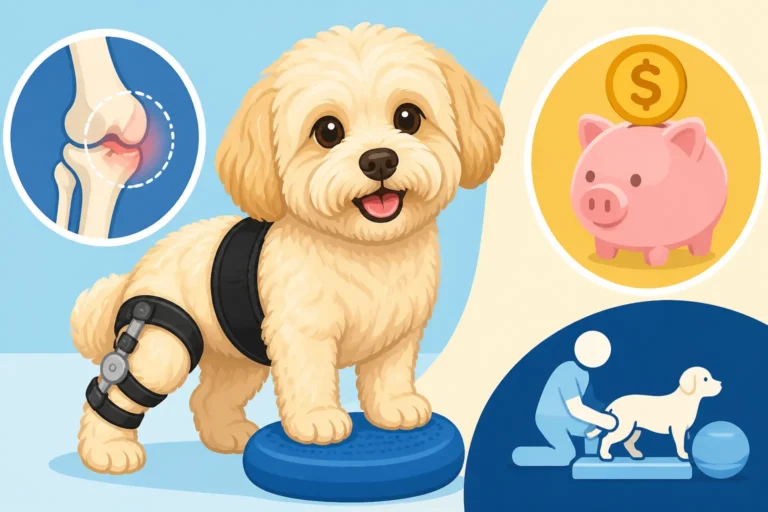
Maltipoos, being a crossbreed of Maltese and Poodle, can inherit predispositions to health conditions from both sides of their family tree. For instance, patellar luxation, or slipping kneecaps, is incredibly common in small breeds like the Maltese and Poodle. You might notice a skip in your Maltipoo's gait, or they might hold up a back leg for a few steps before putting weight on it again. While some mild cases can be managed with supplements and physical therapy, more severe grades often require surgery. And let me tell you, orthopedic surgery is never inexpensive. It’s a specialized procedure, often requiring diagnostics like X-rays and potentially even an MRI, followed by post-operative care and rehabilitation. You can learn more about Slipping Kneecaps in a Maltipoo.
Another concern can be dental disease. Those tiny mouths often struggle to accommodate all forty-two teeth, leading to overcrowding, plaque buildup, and early onset periodontal disease. Even with diligent daily brushing, many Maltipoos require professional dental cleanings under anesthesia annually or bi-annually. If extractions are needed due to severe decay or infection, the costs escalate significantly. Imagine your sweet Maltipoo needing multiple teeth pulled; that’s a bill that can easily rival a human dental procedure. This is why Brushing a Maltipoo's Teeth Every Single Day is so vital.
The Specific Financial Surprises of Emergency Visits
Beyond chronic conditions, accidents and sudden illnesses are the true financial curveballs. Picture this: your Maltipoo, full of puppy energy, takes an unexpected tumble off the sofa and starts limping badly. Or perhaps they eat something they shouldn't have, leading to vomiting and lethargy. These situations often mean an immediate, unscheduled trip to the emergency veterinary clinic. Emergency vets operate 24/7, and their services reflect that specialized availability. The initial consultation alone can be substantial, before any diagnostic tests like bloodwork, X-rays, or ultrasounds are even performed.
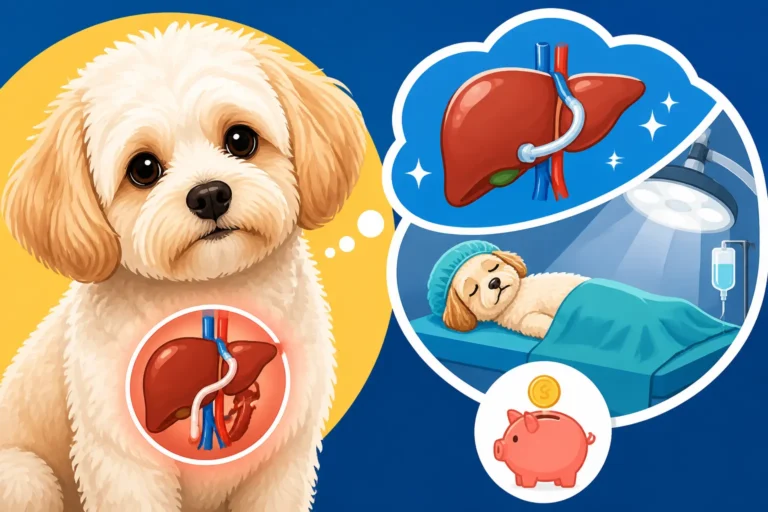
A common, urgent issue in very small Maltipoo puppies is hypoglycemia, a dangerous drop in blood sugar. If your little one suddenly becomes weak, disoriented, or even collapses, it's an emergency that needs immediate veterinary attention. This is especially true for Why a Two Pound Maltipoo Cannot Skip a Meal. What might start as a simple worry can quickly turn into an expensive overnight stay with IV fluids and constant monitoring. These emergency bills don't come with payment plans; they often need to be settled on the spot, creating immense pressure on owners who haven't planned for such an event.
Understanding Different Financing Options for Your Maltipoo's Health
When facing these significant expenses, knowing your financial options before an emergency strikes can make all the difference. It's not about being pessimistic; it's about being prepared and responsible for the furry family member who depends entirely on you.
Pet Insurance: A Proactive Approach
One of the most popular ways to mitigate the risk of high veterinary bills is pet insurance. Companies like Healthy Paws offer various plans that can cover accidents, illnesses, surgeries, and even some diagnostic tests. You typically pay a monthly premium, and in return, the insurance company reimburses you for a percentage of your eligible vet bills after you meet a deductible. The beauty of pet insurance is that it provides a safety net for those unexpected, large expenses, helping you make medical decisions based on what's best for your Maltipoo, rather than what you can afford at that moment.
However, it’s crucial to understand that pet insurance usually doesn't cover pre-existing conditions. This means if your Maltipoo develops patellar luxation before you enroll them, that specific condition likely won't be covered. This is why many experienced Maltipoo owners advocate for getting a policy when your puppy is young and healthy. While you still pay out of pocket upfront and wait for reimbursement, it can provide significant peace of mind. For comprehensive coverage, look into what's included in policies, especially for breed-specific issues.
Dedicated Pet Credit Lines: Immediate Access to Funds
There are specific credit lines designed exclusively for veterinary expenses. These often function like a credit card but are intended solely for healthcare costs. The primary advantage is immediate access to funds at the time of service, which is incredibly helpful in emergency situations when you can't wait for insurance reimbursement or to transfer funds. Many veterinary clinics accept these cards directly, simplifying the payment process.
A key feature of these dedicated credit lines is often promotional financing options, such as interest-free periods if the balance is paid in full within a certain timeframe (e.g., 6, 12, or 18 months). This can be a huge relief if you need to cover a several-thousand-dollar surgery. However, it's vital to read the terms carefully. If you don't pay off the entire balance before the promotional period ends, deferred interest can be applied from the original purchase date, making the total cost much higher. It's a powerful tool, but one that demands disciplined repayment.
Emergency Savings Accounts: Your Self-Funded Safety Net
For those who prefer to self-insure or manage their own funds, a dedicated emergency savings account for your Maltipoo is an excellent strategy. You regularly set aside a specific amount of money, just as you would for your own emergency fund. This money is then readily available for any vet bills that arise. The advantage here is that you're earning any interest on your savings, not paying it to a credit company. There's no deductible to meet, no claims to file, and no reimbursement delays. The money is simply there when you need it.
The challenge, of course, is the discipline required to build and maintain such a fund. It can take time to accumulate enough to cover a major emergency, and if a large expense hits before your fund is robust, you might still find yourself in a tight spot. However, even a partially funded savings account can reduce the burden of an unexpected bill, making other options, like a credit line, less daunting. Building this fund also helps cover regular costs, like your monthly supply orders from Chewy or healthy food from Ollie, so you don't need to dip into emergency funds for routine necessities.
General Purpose Credit Cards or Lines of Credit: Flexibility and Risk
Many people already have general-purpose credit cards or personal lines of credit that they could use for veterinary emergencies. The main benefit is the sheer flexibility. You can use these funds for anything, not just vet bills, and you likely already have access to them. If you have a card with a high credit limit and a good interest rate, it might seem like an easy solution.
However, this option comes with its own set of risks. If you carry a balance on a standard credit card, the interest rates can be significantly higher than those offered by dedicated pet credit lines, especially after any introductory periods. Accumulating high interest debt can quickly become a heavy burden, impacting your overall financial health. It's easy to swipe the card in a moment of panic, but the long-term implications need serious consideration. For routine expenses like specialty food, training treats, or even a new cozy bed, a regular credit card might be fine, but for emergency care, a dedicated strategy is often safer.
Comparison of Financing Options
| Feature | Pet Insurance | Dedicated Pet Credit Line | Emergency Savings Account | General Purpose Credit Card/Line |
|---|---|---|---|---|
| Upfront Cost | Monthly Premiums | None to Open (interest on balance) | Requires consistent savings deposits | None (interest on balance) |
| Access to Funds | Pay first, get reimbursed (after deductible) | Immediate | Immediate (if funds are sufficient) | Immediate |
| Interest Rate | N/A (premiums instead) | Often 0% promotional APR, then standard APR if unpaid | N/A (you earn interest) | Varies, can be high |
| Coverage | Accidents, illnesses (varies by plan, no pre-existing) | Any vet bill accepted by the provider | Anything you choose to fund | Anything you choose to fund |
| Peace of Mind | High for covered conditions | High for immediate emergencies | High if fully funded | Varies by credit limit/rate |
| Pre-existing | Not covered | Covered (it's a payment method) | Covered (it's your money) | Covered (it's a payment method) |
Making the Decision for Your Maltipoo's Financial Future
Ultimately, the decision of whether to open a credit line or pursue other financial avenues for your Maltipoo comes down to your individual circumstances, risk tolerance, and long-term financial planning. There's no one-size-fits-all answer, but thinking through these points can help you make an informed choice.
Assessing Your Financial Situation and Risk Tolerance
Take an honest look at your current financial health. Do you have a comfortable emergency fund already established for general life expenses? What's your monthly disposable income after all essential bills are paid? If you have limited savings and a tight budget, the idea of an interest-free promotional period on a dedicated pet credit line might be very appealing. It could provide a buffer you desperately need. However, if you're prone to forgetting payment deadlines or struggle with budgeting, the deferred interest could lead to a financial nightmare.
On the other hand, if you have a stable income and the discipline to consistently save, building up your own emergency fund might be the most financially sound approach in the long run. Consider your personal history with credit cards: are you someone who always pays off balances in full, or do you tend to carry debt? Your habits will heavily influence which option works best. It's also worth thinking about other potential large expenses down the line – maybe you're saving for a new home, or a child's education. These broader financial goals play a role in how much you can allocate to pet-specific financial tools.
Balancing Immediate Needs with Long-Term Planning
Sometimes, you might need a combination of strategies. For instance, you could open a dedicated pet credit line for immediate emergency access while simultaneously building an emergency savings account. This way, you have a fallback if your savings aren't quite enough yet, or for costs that insurance might not fully cover. This layered approach gives you multiple lines of defense against unexpected vet bills. Remember, the goal isn't just to cover one major expense, but to ensure your Maltipoo has access to the best care throughout their The Twelve to Fifteen Years a Maltipoo Lives.
Long-term planning also involves factoring in routine costs. The yearly vet checks, grooming appointments (which can be quite frequent for a Maltipoo's coat), and quality food (perhaps from Ollie or Chewy if you use them) add up. While these aren't typically credit line emergencies, having a clear budget for them frees up your emergency funds for truly unforeseen circumstances. Getting a handle on these regular expenses is just as important as planning for the big ones. For example, understanding What a Maltipoo's Yearly Vet Bill Comes To helps you budget effectively.
The Emotional Toll of Vet Bills and Making Decisions Under Pressure
No one wants to be in the position of making life-or-death decisions for their beloved Maltipoo based purely on financial constraints. The emotional toll of such a situation is immense. Having a financial plan in place, whether it's insurance, savings, or a credit line, helps remove some of that pressure. It allows you to focus on your Maltipoo's health and recovery, rather than frantically calculating how you'll pay the bill.
Imagine your Maltipoo suddenly experiences What White Shaker Syndrome Does to a Maltipoo, requiring urgent hospitalization and medication. In that moment of distress, having pre-approved access to funds or knowing your insurance will cover a significant portion can be invaluable. It lets you say "yes" to necessary treatments without hesitation, knowing you've already thought through the financial implications. This peace of mind is, for many Maltipoo owners, worth the effort of planning ahead. You're not just investing in financial stability; you're investing in the ability to give your furry family member the best possible chance when they need it most.
Disclaimer
This article is for general informational purposes only and does not constitute professional advice. Laws, prices and regulations vary by location and change over time. Consult a qualified professional for guidance on your specific situation.