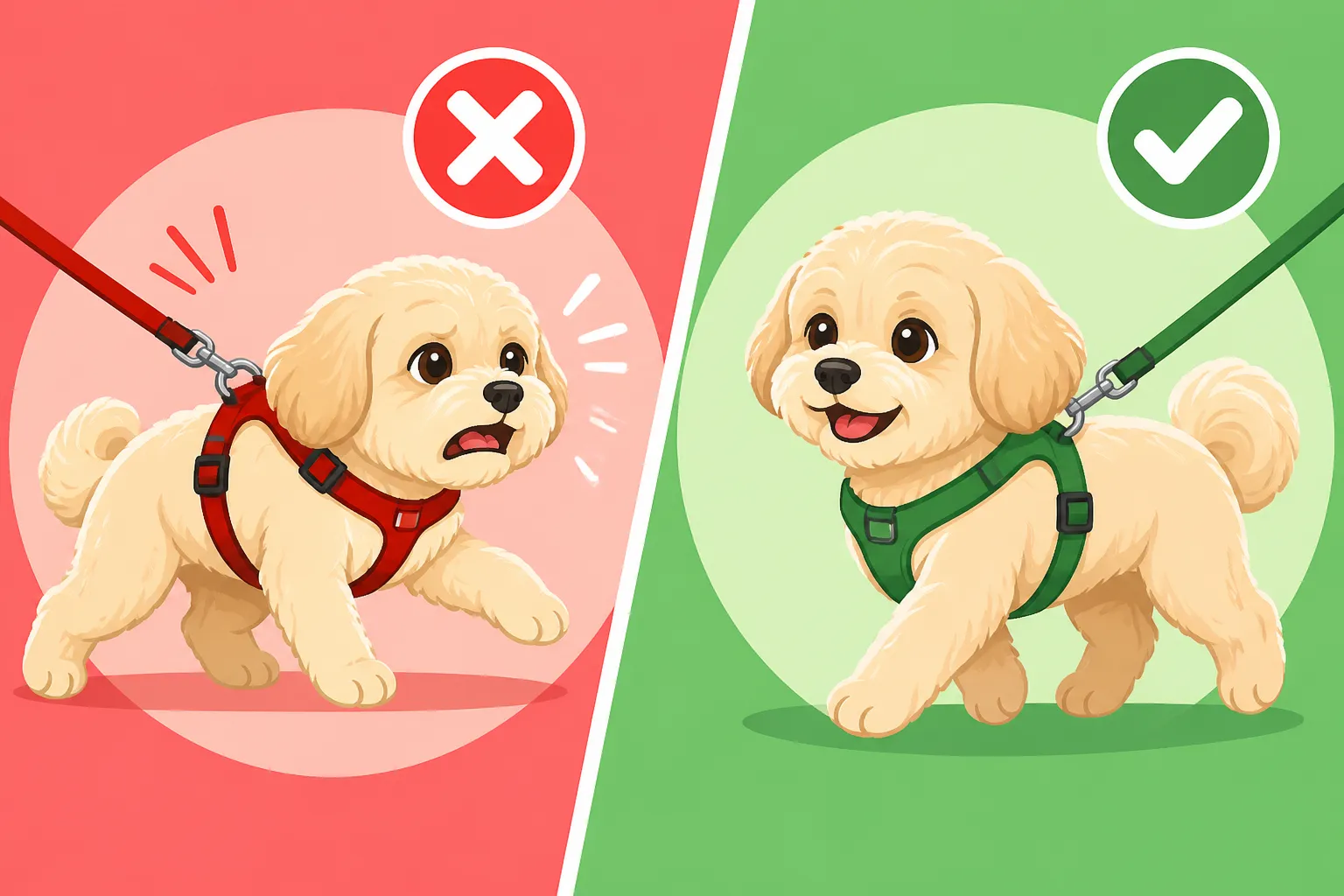
Whether a Maltipoo Pulls on a Harness
It’s a common misconception that because Maltipoos are small, they won’t pull on their leash during walks. Many new owners quickly discover this isn't the case, leading to frustrating walks, yanking, and even potential harm to their beloved companion. This guide will walk you through why your sweet Maltipoo might be pulling, how to equip yourself with the right gear, and crucially, how to train them for those enjoyable, loose-leash strolls you've always dreamed of.
Understanding Why a Maltipoo Might Pull on a Harness
When you imagine a dog pulling on a leash, you probably picture a big, boisterous Labrador or a determined Husky dragging their owner down the street. It’s easy to think a tiny Maltipoo, weighing just a few pounds, couldn't possibly generate enough force to cause a problem. But trust me, they absolutely can! That little fluffball has a big personality and even bigger instincts. Pulling isn't just about strength; it's about motivation and a lack of understanding of what's expected on a walk.
Natural Dog Instincts vs. Small Dog Reality
Dogs, regardless of size, are explorers at heart. Their world is a rich tapestry of smells, sounds, and sights, and they want to investigate all of it. A Maltipoo's nose is incredibly powerful, and a fascinating scent just a few feet ahead can become an irresistible urge to pull. They might spot a squirrel, another dog, or a person they're excited to greet, and their instinct is to rush towards it.
Think about it from their perspective: the leash isn't a tool for polite walking; it's just something that connects them to you. If pulling gets them closer to that exciting smell or person, they'll keep doing it. They don't understand that constant tension on the leash is undesirable. This behavior isn't defiance; it's simply a dog acting like a dog, driven by curiosity and excitement. The smaller size of a Maltipoo sometimes makes owners more lenient or less inclined to formal leash training, inadvertently reinforcing the pulling habit because it seems less impactful than with a larger dog. However, even a small amount of constant tension can be uncomfortable for their delicate bodies.
The Role of Early Training and Socialization
Many of us bring home a Maltipoo puppy and are so overwhelmed by their cuteness that we overlook early training, especially leash manners. It’s a common pitfall. Perhaps you carry your tiny puppy everywhere, or you let them toddle around on a loose leash without much guidance. While this seems harmless at first, it means they miss out on crucial early lessons.
If a Maltipoo puppy isn't taught from day one what "loose leash walking" means, they'll develop their own ideas about how walks work. They learn that pulling gets them where they want to go. Every time they pull and you follow, even for a step, you're inadvertently rewarding that behavior. It’s a classic example of a behavior loop. They pull, they get to investigate; therefore, pulling is good. Consistency is key here. Without clear, consistent training, these pulling habits become deeply ingrained, making them much harder to break later on. This is why resources like BAXTER & Bella emphasize starting training early and building a strong foundation. A puppy that learns proper leash etiquette from the start is much less likely to develop pulling issues as an adult.
Gear Choice and Fit Matters Immensely
This is a big one, and often overlooked. Many owners grab the first cute harness they see at the pet store, thinking any harness will do. However, the wrong harness can actively contribute to pulling, or at least fail to discourage it. Traditional back-clip harnesses, where the leash attaches to a ring on your dog's back, often give dogs leverage to pull harder. It's like a sled dog harness – designed for pulling!
For a small dog like a Maltipoo, a poorly fitting harness can also be uncomfortable. If it pinches, rubs, or restricts movement, your dog might pull just to try and escape the discomfort, or they might resist walking altogether. Conversely, a harness that’s too loose is a major escape risk, which can be terrifying for both you and your dog, especially if you're near a busy street. It's not just about stopping the pull; it's about ensuring their comfort and safety. We need to remember that our little Maltipoos have delicate bone structures and tracheas, making proper gear selection even more critical. Why a Maltipoo Should Never Wear a Collar becomes very clear when considering the pressure on their neck.
How to Train Your Maltipoo Not to Pull on a Harness
Okay, so we know why your Maltipoo might be turning into a tiny sled dog. Now, let’s talk about how to fix it! Training a Maltipoo not to pull is entirely doable, but it requires patience, consistency, and the right approach. Remember, they are smart little cookies, but they need clear communication from you.
Choosing the Right Harness for a Maltipoo
The first step in addressing pulling is often to re-evaluate your equipment. For most Maltipoos prone to pulling, a front-clip harness is a game-changer. These harnesses have the leash attachment ring on your dog’s chest. When your Maltipoo pulls, the leash redirects them gently to the side, turning their body back towards you. This makes it much harder for them to pull forward with full force and discourages the behavior without causing pain or discomfort.
There are many excellent brands on the market, readily available on platforms like Amazon, offering a variety of no-pull harnesses specifically designed for smaller breeds. Look for features like soft, breathable materials to prevent rubbing, multiple adjustment points to ensure a snug but comfortable fit, and a secure buckle.
Here’s a quick comparison of common harness types:
| Harness Type | Leash Clip Location | Pros | Cons | Best For |
|---|---|---|---|---|
| Back-Clip | On the back | Easy to put on, comfortable for dogs that don't pull, less tangling | Gives dogs leverage to pull, can encourage pulling, less control | Dogs with excellent leash manners, very small puppies, non-pullers |
| Front-Clip | On the chest | Redirects pulling, more control, no pressure on throat | Can sometimes tangle legs if poorly fitted, may need adjustment | Dogs learning loose-leash walking, moderate to strong pullers |
| Dual-Clip | Back and chest | Versatile, offers options for different situations | Can be more complex to fit and use initially | Owners who want flexibility, advanced training |
| Head Halter | Over the snout | Excellent control, very effective for strong pullers | Some dogs dislike the feel, requires desensitization, less common for Maltipoos | Dogs that are very strong pullers and resistant to other harnesses |
For a Maltipoo, especially one with a delicate trachea, a harness is always preferable to a collar for walking. Whether a Harness Protects a Maltipoo's Windpipe is a very real concern, and a well-fitted harness distributes pressure across their chest and shoulders, rather than their throat.
Step-by-Step Loose Leash Walking Training
Once you have the right harness, it's time to teach your Maltipoo what you want them to do. This isn't about yanking or punishing; it's about positive reinforcement and making the right choice rewarding.
- Start Indoors: Begin training in a low-distraction environment. Put the harness on and let them wear it for short periods before attaching the leash. Reward them with treats and praise for simply having it on.
- Short Sessions: Maltipoos have short attention spans. Keep training sessions brief, about 5-10 minutes, and end on a positive note. Whether Short Sessions Suit a Maltipoo is absolutely true; long, tedious sessions will only frustrate both of you. You might even find success integrating these sessions with their regular meal times, using portions of their food as rewards. Training a Maltipoo Around Four Meals a Day can make this easier.
- The "L" Game: Walk in an "L" shape. When your Maltipoo starts to pull, stop dead in your tracks. Don't move forward until the leash goes slack. The moment they look back at you or the leash loosens, take a step backward, reward them, and then change direction. This teaches them that pulling gets them nowhere, but a loose leash gets them moving and earns rewards.
- Reward Consistently: Every time your Maltipoo walks beside you with a loose leash, mark the moment with a verbal cue like "Yes!" or a clicker, and give them a high-value treat. The timing of your reward is critical—it needs to happen the instant the leash is slack.
- Practice, Practice, Practice: Gradually introduce more distractions. Start in your backyard, then a quiet street, then a park. The more consistent you are, the faster your Maltipoo will understand. Remember, repetition builds habits.
- "Watch Me" Command: Teach your Maltipoo to make eye contact on cue. This is invaluable when you encounter distractions. Say "Watch me," hold a treat by your eye, and reward them when they look. This helps redirect their focus back to you.
It can take time. Don't get discouraged if progress feels slow at first. Every dog learns at their own pace. What matters most is your consistency and patience. How Long a Maltipoo Works Before It Wanders Off is a good reminder to keep those sessions engaging and short.
Dealing with Distractions and Reactivity
Sometimes, even with the best training, certain distractions like other dogs, squirrels, or unfamiliar people can send your Maltipoo's leash manners out the window. This is where management and proactive strategies come in.
- Increase Distance: If you see a distraction approaching that you know your Maltipoo struggles with, increase the distance between your dog and the distraction. Crossing the street or taking a wider berth can prevent them from reaching their "over threshold" point where they can no longer focus.
- Redirection and Engagement: When a distraction appears, immediately get your Maltipoo's attention with a high-value treat or a favorite toy. Practice your "Watch Me" command. You want to make you more interesting than the distraction.
- Desensitization and Counter-Conditioning: This is a more advanced technique. It involves gradually exposing your Maltipoo to the distraction at a distance where they are still calm and responsive, and pairing it with positive experiences (like treats). Over time, you slowly decrease the distance, always ensuring your dog remains under their threshold. The goal is to change their emotional response from excitement (or fear) to neutrality or even positive anticipation when they see the distraction.
- Enroll in a Class: Sometimes, having a professional trainer guide you through these scenarios can be incredibly beneficial. Group classes can also provide controlled exposure to other dogs, helping your Maltipoo learn to focus on you even with canine company present. Organizations like BAXTER & Bella offer online programs that can guide you through these steps from the comfort of your home, which can be less overwhelming for a small dog in the beginning.
Remember that a sudden dash or pull can lead to injury, especially if your Maltipoo has conditions like Slipping Kneecaps in a Maltipoo or Collapsing Trachea in a Maltipoo's Neck. Taking precautions and using a front-clip harness can help prevent exacerbating these issues.
Common Mistakes and Misconceptions About Maltipoos and Pulling
It's easy to fall into traps when training any dog, and Maltipoos, with their adorable size and charming personalities, often lead owners to make specific mistakes. Understanding these can help you avoid them and ensure a smoother training journey.
Assuming Small Dogs Don't Need Training
This is perhaps the biggest misconception. Just because your Maltipoo weighs less than your average carry-on doesn't mean they don't need consistent, structured training, especially for leash manners. Many owners think, "Oh, they're so small, it doesn't matter if they pull a little," or "I can just pick them up if they get too difficult." While picking them up might be an option in a pinch, it doesn't teach them anything about how to walk politely.
The problem with this mindset is twofold:
- Safety: Even a small dog pulling can cause you to trip, especially on uneven ground. More importantly, constant pulling on a collar can seriously damage a Maltipoo's delicate trachea, leading to the dreaded "honking cough." A harness mitigates this, but the underlying pulling habit still needs addressing.
- Quality of Life: Imagine a dog that constantly strains against the leash. It’s not enjoyable for them, and it certainly isn't enjoyable for you. Walks become a chore rather than a pleasant bonding experience. Proper training ensures both of you can enjoy your time outdoors. A well-trained Maltipoo is a joy to take to new places, whereas a puller limits your adventures. Your Maltipoo may only walk for How Far a Maltipoo Can Walk Before It Stops so make that time quality time.
Relying Solely on Gear Without Training
Another common mistake is believing that a "no-pull" harness is a magic solution. While a front-clip harness is a fantastic tool to help with pulling, it's not a substitute for training. The harness works by making it mechanically difficult for the dog to pull effectively, but it doesn't teach the dog why they shouldn't pull or what they should do instead.
Think of it like training wheels on a bicycle. They help you learn to balance, but you still need to learn how to pedal, steer, and eventually ride without them. Similarly, a no-pull harness gives you more control and makes training easier, but you still need to actively teach your Maltipoo loose-leash walking skills using positive reinforcement. If you remove the harness later without having done the training, the pulling behavior will likely return. Use the harness as a training aid, not a permanent crutch. Consistency across all aspects of their life, from feeding schedules to potty breaks like How Often a Maltipoo Puppy Needs Taking Out, builds a well-adjusted dog.
The Impact of Collars on a Maltipoo's Delicate Trachea
I cannot stress this enough: for a Maltipoo, especially one prone to pulling, a collar for walking is a major risk. Maltipoos, like many small breeds, are prone to tracheal collapse – a weakening of the windpipe. Constant pressure and yanking from a collar can exacerbate or even cause this painful condition. The Honking Cough of a Maltipoo With a Bad Trachea is a terrifying sound no owner wants to hear, and it often signifies a compromised windpipe.
Even if your Maltipoo doesn't have a diagnosed tracheal issue, their small, delicate neck is simply not designed to withstand the forces of pulling. Harnesses distribute pressure across the chest and shoulders, safeguarding their neck and throat. Always choose a well-fitting harness for walks, reserving collars for identification tags only. This simple choice can have a profound impact on your Maltipoo's long-term health and comfort. If you're ever in doubt about the best equipment, your veterinarian can offer specific recommendations.
Having a well-behaved Maltipoo on walks makes everything from vet visits to simply enjoying a stroll much easier and safer. It's an investment in their health and your shared happiness.
Disclaimer
This article is for general informational purposes only and does not constitute professional advice. Laws, prices and regulations vary by location and change over time. Consult a qualified professional for guidance on your specific situation.