Collapsing Trachea in a Maltipoo’s Neck
That scary, honking cough that suddenly rattles your sweet Maltipoo can be one of the most alarming sounds a dog owner ever hears. It’s a distinct, dry, and often violent episode that leaves you feeling helpless and worried sick about your beloved companion’s ability to breathe. This comprehensive guide is here to shed light on exactly what a collapsing trachea is, why it affects smaller breeds like our precious Maltipoos, and what you can do to manage this challenging condition to ensure your furry friend lives as comfortably and happily as possible.
Understanding the Anatomy of a Maltipoo's Trachea
When we talk about a collapsing trachea, it’s not just a fancy medical term; it’s a very real physical issue with your dog’s windpipe. Imagine trying to breathe through a flattened straw – that’s essentially what happens. Understanding the basic structure of this vital airway helps demystify why it’s such a concern for our smaller companions.
What is the Trachea and Why is it Fragile in Small Dogs?
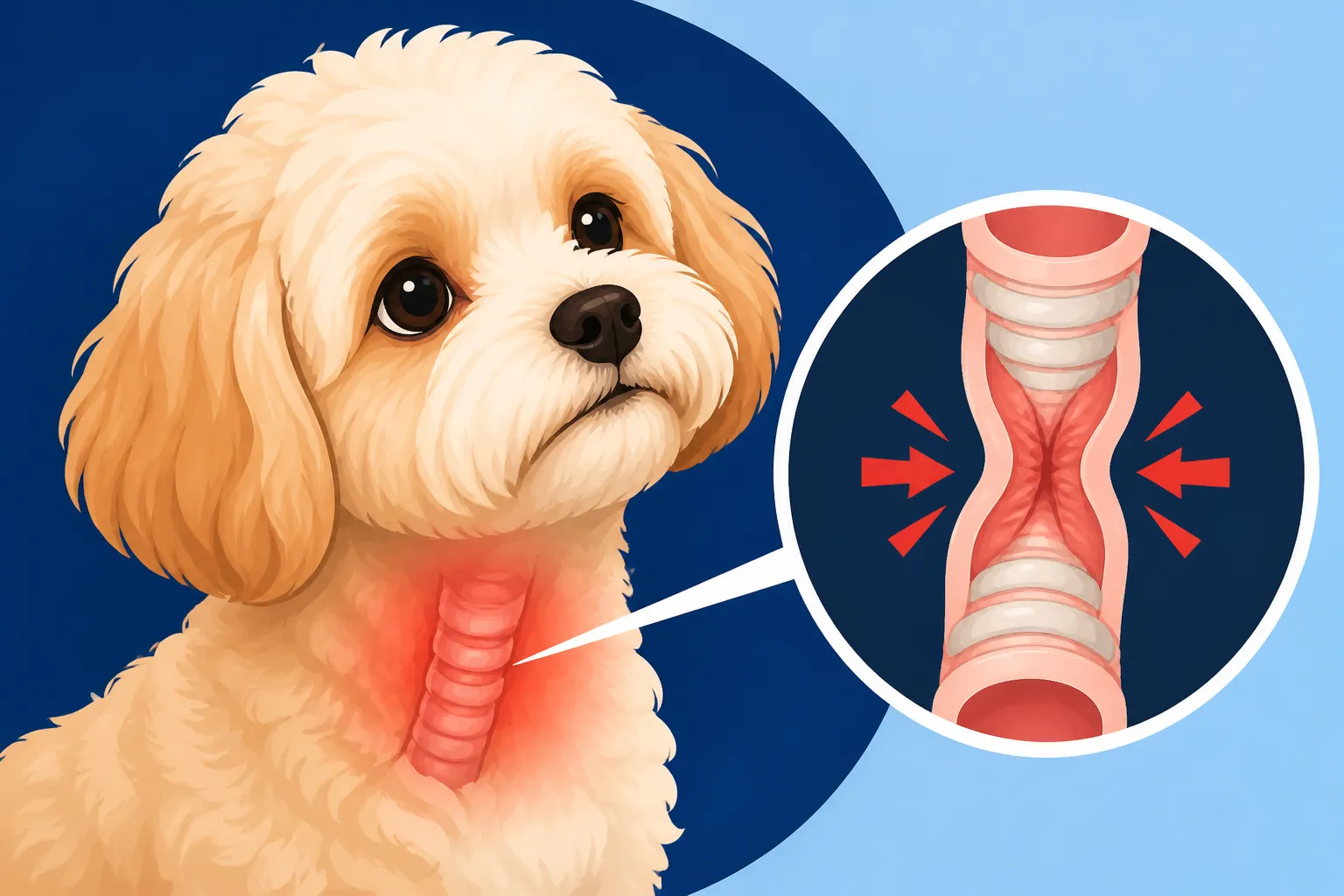
The trachea, often called the windpipe, is a tube made up of C-shaped cartilage rings that runs from the larynx (voice box) down to the lungs. These rings are supposed to be firm and rigid, holding the airway open like a series of miniature tunnels, allowing air to pass freely to and from the lungs. In larger dogs, these rings are typically robust and strong. However, in smaller breeds, particularly toy breeds like the Maltese and the Poodle – the parent breeds of our Maltipoos – these cartilage rings can be inherently weaker and softer than they should be.
This anatomical vulnerability means that instead of maintaining their firm C-shape, the rings can start to flatten or collapse in on themselves. Think of it like a garden hose that gets stepped on; the airflow is severely restricted. This condition is often congenital, meaning it’s something a Maltipoo might be born with, even if symptoms don’t appear until later in life. The genetic predisposition from both the Maltese and Poodle sides contributes to this fragility, making it a common concern in the Maltipoo breed. It’s not just bad luck; it’s often a result of their delicate, small-breed anatomy.
The Mechanics of a Tracheal Collapse
When a Maltipoo’s trachea begins to collapse, it typically involves the cartilage rings weakening and losing their rigid structure. Instead of holding the airway open, they start to sag or flatten. This can happen in different sections of the trachea. A cervical collapse occurs in the neck area, which is often visible or palpable externally and can be triggered by pressure from a collar. An intrathoracic collapse, on the other hand, happens within the chest cavity, closer to the lungs, and might be more difficult to diagnose without specialized imaging.
The collapse obstructs the normal flow of air, leading to the characteristic coughing and respiratory distress. As the dog breathes in, the negative pressure within the airway can pull the weakened rings even further inwards, exacerbating the collapse. The severity can range from mild, intermittent coughing to severe, life-threatening respiratory crises where the airway is almost completely closed. Over time, without proper management, the condition tends to progress, meaning that what starts as a minor honk can develop into a more persistent and debilitating cough. Understanding this progression is key to appreciating why early intervention and ongoing care are so vital.
Identifying the Signs and Symptoms of Collapsing Trachea
Recognizing the signs of a collapsing trachea can be a bit tricky, especially since many symptoms can mimic other respiratory issues. However, there are some very distinct indicators that every Maltipoo owner should be aware of. It's often not just a single symptom but a combination of factors that point towards this condition.
The Characteristic Cough: More Than Just a "Honk"
The most hallmark sign of a collapsing trachea is the distinct, dry, and often startling "goose honk" cough. It's truly unmistakable once you've heard it – a sudden, loud, and sometimes continuous honking sound, almost as if your Maltipoo is trying to clear something stuck in their throat. This cough is typically exacerbated by excitement, exercise, drinking water too quickly, or any pressure on the neck from a collar. You might notice it more when they’ve just woken up, when they’re pulling on their leash, or even when they get overly excited about seeing you come home.
Beyond the classic honk, a Maltipoo with a collapsing trachea might also exhibit other types of coughing. Some might have a persistent, dry hack, almost like kennel cough, but without the infectious component. They might also gag or retch after a coughing fit, sometimes even bringing up foamy phlegm, which can be mistaken for vomiting. It’s crucial not to dismiss these coughs as minor irritations. Instead, if you hear anything resembling The Honking Cough of a Maltipoo With a Bad Trachea, it's a strong signal that a veterinary check-up is in order to get to the bottom of it. The longer these symptoms persist, the more likely the condition is progressing.
Beyond the Cough: Other Warning Signs
While the cough is the most obvious indicator, it’s not the only one. A Maltipoo struggling with a collapsing trachea might also show signs of difficulty breathing, especially after even mild exertion. They might become easily winded during playtime, refusing to engage in activities they once enjoyed. Their breathing might sound harsh or strained, and you might notice them making a wheezing sound. Exercise intolerance is a significant red flag; if your usually energetic Maltipoo is suddenly lagging behind on walks or panting excessively, something is amiss.
In more severe cases, or during an acute episode, you might observe your Maltipoo's gums turning a bluish tint (cyanosis), which indicates a dangerous lack of oxygen. This is an absolute emergency and requires immediate veterinary attention. Other signs can include restlessness, anxiety, or even fainting spells if they're not getting enough oxygen. Some dogs might also show changes in their eating or drinking habits, as the act of swallowing or moving their neck can trigger coughing or discomfort. It’s important to watch for any combination of these symptoms, as they collectively paint a clearer picture of respiratory distress.
Diagnosing Collapsing Trachea in Your Maltipoo
If you suspect your Maltipoo is suffering from a collapsing trachea, getting an accurate diagnosis from your veterinarian is the crucial next step. It’s not always straightforward, as the symptoms can mimic other respiratory or cardiac conditions, so your vet will likely perform a series of examinations and diagnostic tests.
The Vet Visit: What to Expect
When you bring your Maltipoo in for that concerning cough, your veterinarian will start with a thorough physical examination. This typically involves listening to your dog’s heart and lungs, and importantly, palpating (gently feeling) your Maltipoo’s neck. Sometimes, simply applying light pressure to the trachea during palpation can trigger the characteristic "goose honk" cough, which is a strong indicator of the condition. Your vet will also observe your dog's breathing patterns and overall demeanor.
Providing a detailed history is incredibly important. Be prepared to tell your vet when the cough started, how often it occurs, what makes it worse or better, and if you’ve noticed any other symptoms like changes in exercise tolerance or appetite. Your vet will also want to rule out other common issues, such as kennel cough, allergies, or even certain heart conditions that can cause similar coughing. This initial assessment helps guide which diagnostic tests are most appropriate to confirm a tracheal collapse and ensure your Maltipoo receives the correct treatment plan.
Diagnostic Tools and Procedures
While a physical exam can offer strong clues, definitive diagnosis of a collapsing trachea usually requires specialized imaging. Standard X-rays (radiographs) are often the first line of defense. Your vet might take X-rays during both inspiration (breathing in) and expiration (breathing out) to try and visualize the trachea in different phases. However, X-rays can sometimes miss mild or intermittent collapses, as the trachea might not be collapsing at the exact moment the image is taken.
For a more accurate diagnosis, especially if X-rays are inconclusive, your vet might recommend a fluoroscopy. This is essentially a "moving X-ray" that allows the veterinarian to observe the trachea in real-time as your Maltipoo breathes. It’s considered the gold standard for diagnosing tracheal collapse because it can capture the dynamic nature of the airway. In some cases, endoscopy or tracheoscopy might be performed, where a tiny camera is inserted into the airway to directly visualize the inside of the trachea. While very effective, this procedure requires anesthesia and carries a slightly higher risk. Blood tests might also be run to check overall health and rule out other underlying conditions before a definitive diagnosis is made.
Management and Treatment Options
Once your Maltipoo has been diagnosed with a collapsing trachea, the next step is to discuss management and treatment options with your vet. For many dogs, the goal is to manage symptoms and improve quality of life, which often involves a combination of conservative care and, in some cases, surgical intervention.
Conservative Approaches: Making Life More Comfortable
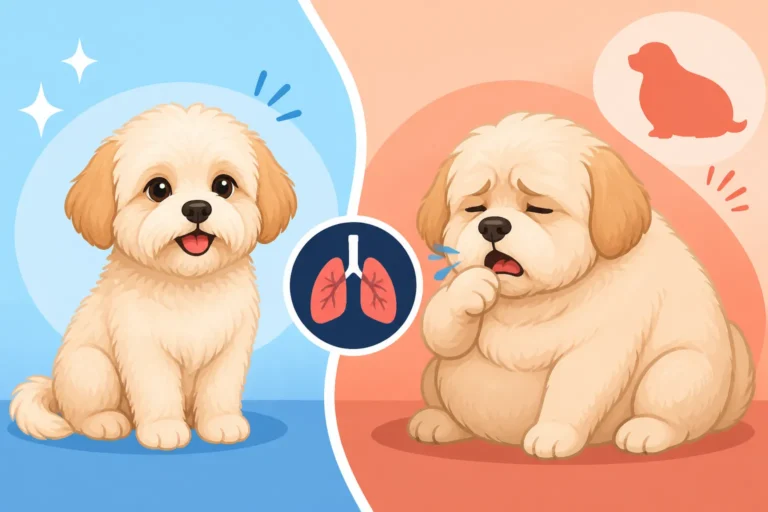
For mild to moderate cases of collapsing trachea, conservative management is often the first and most effective line of treatment. One of the most critical steps is weight management. If your Maltipoo is overweight, every extra pound puts more pressure on their respiratory system, including the trachea. Helping them reach a healthy weight can significantly reduce the severity and frequency of coughing episodes. You can read more about Getting a Pound Off an Overweight Maltipoo to understand this better.
Environmental changes are also key. Avoid exposing your Maltipoo to irritants like cigarette smoke, strong air fresheners, perfumes, or cleaning products, which can exacerbate coughing. Using a humidifier, especially in dry climates or during winter, can help keep their airways moist and less irritated. Most importantly, if your Maltipoo is still using a neck collar, it’s absolutely essential to switch to a well-fitting harness immediately. Pressure from a collar directly on the trachea can trigger a collapse or worsen an existing one. This is why it’s so important to understand Why a Maltipoo Should Never Wear a Collar. Your vet might also prescribe medications such as cough suppressants to ease discomfort, anti-inflammatory drugs to reduce swelling in the airways, bronchodilators to open the airways, or even mild sedatives to help manage anxiety that can worsen coughing fits.
Surgical Interventions: When Conservative Isn't Enough
For Maltipoos with severe, debilitating tracheal collapse that doesn't respond to conservative medical management, surgical intervention may be an option. It's a significant decision, and your vet will carefully weigh the risks and benefits. There are primarily two surgical approaches:
- Tracheal Stent Placement: This procedure involves placing a self-expanding mesh stent inside the collapsed portion of the trachea to hold it open. These stents can be internal, inserted endoscopically, or external rings placed surgically around the trachea. While stents can dramatically improve breathing, they are not without risks. Potential complications include stent fracture, granuloma formation, or the stent migrating. Post-operative care and ongoing medication are still necessary. It's a specialized procedure, and understanding What Tracheal Stenting Costs on a Maltipoo is important as it can be quite an investment.
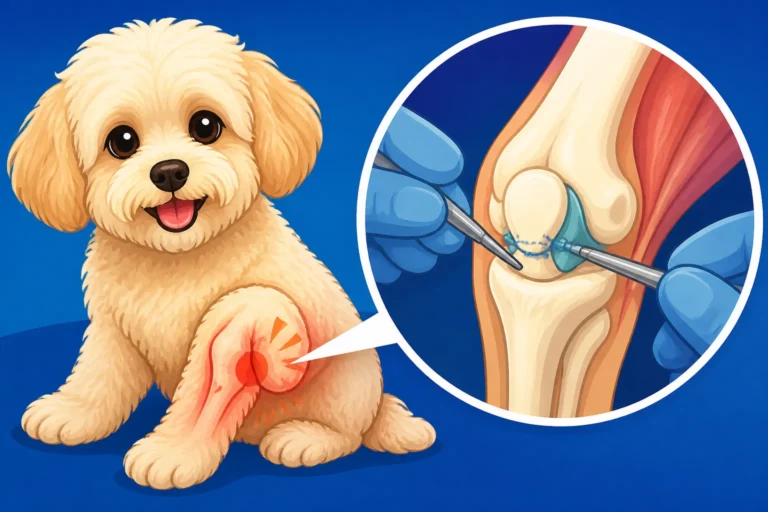
- Surgical Ring Placement: This involves placing prosthetic rings around the outside of the trachea to support the weakened cartilage. This is typically done for collapses in the cervical (neck) region. It's a more invasive surgery than internal stent placement but can offer long-term stability for selected cases.
Both surgical options require a skilled veterinary surgeon and careful post-operative management, which might include pain medication, antibiotics, and continued use of cough suppressants and anti-inflammatories. Recovery involves restricted activity and close monitoring. While surgery can significantly improve quality of life for many dogs, it's generally reserved for the most severe cases when other treatments have failed, as it's not a complete cure and requires lifelong management. Discussing Whether a Maltipoo Needs Tracheal Surgery with a specialist is crucial.
Living with a Maltipoo with Collapsing Trachea
Adjusting to life with a Maltipoo diagnosed with a collapsing trachea involves a commitment to ongoing care and lifestyle modifications. It might seem daunting at first, but with a consistent routine and a proactive approach, you can ensure your furry companion maintains a good quality of life.
Daily Care and Lifestyle Adjustments
One of the most important aspects of daily care is strict adherence to any prescribed medication schedule. Whether it's cough suppressants, anti-inflammatories, or bronchodilators, consistency is key to managing your Maltipoo's symptoms. Missing doses can lead to flare-ups and increased discomfort. Secondly, managing excitement and stress levels is paramount. Sudden bursts of energy, intense barking, or high-stress situations can trigger coughing fits and worsen tracheal irritation. Try to keep your home environment calm and predictable. Gentle play and low-impact activities are usually best, avoiding anything that makes them pant excessively.
Regular vet check-ups are also crucial for monitoring the progression of the condition and adjusting medications as needed. These regular visits allow your vet to assess your Maltipoo’s breathing, listen to their lungs, and ensure their overall health. You can expect The Yearly Checks a Maltipoo Should Get to become even more focused on their respiratory health. Finally, diet and weight management remain critical. Keeping your Maltipoo at an ideal weight prevents undue pressure on their airways. If your vet has recommended specific dietary changes, stick to them diligently.
Preventing Exacerbations and Emergency Preparedness
Even with the best daily care, flare-ups can happen. Being prepared can make all the difference. Learn to recognize the signs of a worsening crisis, such as prolonged, severe coughing fits, extreme difficulty breathing, blue-tinged gums, or complete collapse. Knowing what to look for means you can act quickly. Always have your emergency vet's contact information readily available, and know the fastest route to their clinic. It might even be worth discussing an emergency plan with your vet, such as having a rescue inhaler or specific sedative on hand for acute episodes.
Creating a calm, low-stress home environment goes a long way in prevention. Consider using calming diffusers or pheromone sprays if your Maltipoo is prone to anxiety. During walks, always use a harness, ensuring it fits properly and doesn't chafe or cause discomfort. For travel, which can be stressful and trigger excitement-induced coughing (similar to how Whether Travel Sets Off Hypoglycemia in a Maltipoo can be a concern), ensure your Maltipoo is comfortable and secure in a well-ventilated carrier.
Financially, managing a chronic condition like tracheal collapse can be expensive, especially if surgery is considered. This is where pet insurance can be a real lifesaver. Companies like Healthy Paws offer comprehensive plans that can cover a significant portion of diagnostic tests, medications, and even surgical costs, providing peace of mind during unexpected emergencies or long-term care needs. Planning ahead for potential costs is a smart move for any pet owner, but especially for those with breeds prone to specific health issues.
Genetic Predisposition and Responsible Breeding
Understanding the genetic component of collapsing trachea is crucial, not just for owners but for breeders who strive to produce healthy Maltipoo puppies. While the condition can be influenced by environmental factors, it often has its roots in genetics.
The Role of Breed Genetics in Tracheal Collapse
Collapsing trachea is overwhelmingly prevalent in toy and miniature dog breeds, a category into which the Maltipoo perfectly fits due to its Maltese and Poodle heritage. Both parent breeds have a predisposition to weak cartilage, making their offspring, the Maltipoo, particularly susceptible. This isn't a defect of a single gene that can be easily screened for, but rather a complex inherited weakness in the tracheal cartilage structure. Essentially, some dogs are just born with softer, less rigid tracheal rings than they should have, and this weakness manifests as collapse.
While environmental factors like obesity, allergies, or chronic respiratory irritation can exacerbate the condition, the underlying genetic predisposition is often present from birth. Some argue that the drive to breed smaller and smaller dogs, sometimes leading to "teacup" sizes, may inadvertently select for more delicate bone and cartilage structures, further increasing the risk. This raises questions about What Breeding Smaller Costs a Maltipoo in terms of long-term health. It's a frustrating reality for owners, as there's often nothing they could have done to prevent the underlying issue.
What Responsible Breeders Should Do
Given the genetic component, responsible breeding practices are incredibly important. While there isn't a definitive genetic test for tracheal collapse as there is for some other inherited conditions, ethical breeders should strive to minimize its occurrence in their lines. This includes:
- Careful Selection of Breeding Stock: Breeders should avoid breeding dogs that have a history of collapsing trachea themselves or that have produced offspring with the condition. Even if a dog's collapse is mild, it indicates a predisposition that could be passed on.
- Focus on Health Over Size Extremes: A responsible breeder prioritizes the overall health and well-being of their dogs over extreme physical traits, such as exceptionally small size. Breeding purely for "teacup" Maltipoos, for instance, might inadvertently perpetuate delicate constitutions more prone to health issues.
- Transparency and Education: Good breeders will be upfront about potential health concerns common in the breed and educate prospective owners about the signs of conditions like tracheal collapse and the importance of preventive care. They should also provide a comprehensive health guarantee.
- General Health Screening: While direct tracheal screening is difficult for breeding purposes, ensuring parent dogs are free from other common health issues that can compound respiratory stress (like heart conditions or obesity) is always a good practice.
Ultimately, responsible breeding aims to produce dogs that are not only beautiful but also healthy and robust, reducing the likelihood of heartbreaking and expensive conditions for their future families. The progression of Whether a Maltipoo's Trachea Gets Worse With Age often depends on these early genetic foundations combined with careful care.
Common Misconceptions and What Not to Do
Living with a Maltipoo with a collapsing trachea can be challenging, and unfortunately, there are many myths and misunderstandings that can hinder effective management. Knowing what not to do is just as important as knowing what to do.
Dispelling Myths About Collapsing Trachea
One of the most pervasive myths is, "It's just a cough; they'll grow out of it." This is simply not true. Collapsing trachea is a structural issue, and while symptoms might fluctuate, the underlying weakness of the cartilage rings does not spontaneously resolve or improve with age. In fact, without proper management, Whether a Maltipoo's Trachea Gets Worse With Age is a very real concern, as the condition is often progressive. Ignoring the cough or assuming it will disappear can lead to more severe respiratory distress and a poorer prognosis later on.
Another common misconception is, "They're just excited, the honking is normal." While excitement, barking, or pulling on a leash can indeed trigger a coughing fit in a dog with a collapsing trachea, these actions don't make the underlying condition normal. The cough is a symptom of an unhealthy airway. It's not something to be normalized or ignored, but rather a clear sign that the condition needs to be managed. Thinking "surgery is a quick fix" is also a dangerous oversimplification. Tracheal surgery, whether stent placement or ring implantation, is complex, carries significant risks, and requires extensive post-operative care and lifelong management. It's a tool, not a magic bullet, and doesn't eliminate the need for ongoing conservative care.
Avoiding Harmful Practices
When dealing with a Maltipoo who has a collapsing trachea, certain practices can be detrimental and should be avoided at all costs:
- Never use a neck collar: This cannot be stressed enough. Any pressure on the neck can cause the already weakened trachea to flatten further, triggering severe coughing fits or even a respiratory crisis. Always opt for a well-fitting harness that distributes pressure across the chest and shoulders, never on the neck. This directly supports the advice in Whether a Harness Protects a Maltipoo's Windpipe.
- Don't ignore symptoms or self-diagnose: A persistent cough or any signs of respiratory distress warrant a veterinary visit. Trying to diagnose or treat the condition at home with over-the-counter remedies or anecdotal advice can delay proper care and allow the condition to worsen.
- Avoid obesity: This is a major factor that exacerbates tracheal collapse. Excess weight puts additional strain on the respiratory system and increases pressure on the trachea. Maintaining a lean body condition is one of the most effective ways to manage the disease. If your Maltipoo is carrying extra pounds, remember that Whether an Overweight Maltipoo Coughs More is a definite yes.
- Don't expose your Maltipoo to smoke or harsh chemicals: Secondhand smoke, strong chemical fumes from cleaning products, heavily scented candles, or air fresheners are potent irritants for any dog's respiratory system, but especially for one with a compromised trachea. Keep your home environment as free of these irritants as possible.
By understanding these pitfalls and actively avoiding them, you can significantly contribute to your Maltipoo's comfort and health, ensuring they have the best possible chance at a long and happy life, potentially reaching The Twelve to Fifteen Years a Maltipoo Lives.
| Symptom Severity | Description | Recommended Action |
|---|---|---|
| Mild | Occasional "goose honk" cough, usually triggered by excitement or drinking. No obvious breathing difficulty. | Monitor closely. Avoid neck collars. Consider weight management if needed. Schedule a non-emergency vet check-up to discuss symptoms and preventative measures. |
| Moderate | More frequent coughing, often prolonged, possibly with gagging. Mild exercise intolerance, slight panting. | Implement conservative management (harness, weight, environmental control). Vet visit for diagnosis and discussion of medication (cough suppressants, anti-inflammatories). Consider pet insurance like Healthy Paws for costs. |
| Severe | Constant, debilitating coughing. Significant breathing difficulty, wheezing, restlessness, anxiety. | Immediate vet attention required. This is an emergency. Your vet may administer oxygen, sedatives, and stronger medications. Discussion of advanced diagnostics and potential surgical options will occur. |
| Critical | Bluish gums (cyanosis), collapse, loss of consciousness, extreme distress. | Emergency veterinary hospital NOW. This is a life-threatening crisis. Requires aggressive intervention, including oxygen therapy and potentially emergency intubation. |
Disclaimer
The information provided in this article is for general informational purposes only and is not a substitute for professional veterinary advice, diagnosis, or treatment. Always seek the advice of your veterinarian or other qualified health provider with any questions you may have regarding a medical condition. Never disregard professional veterinary advice or delay in seeking it because of something you have read in this article.