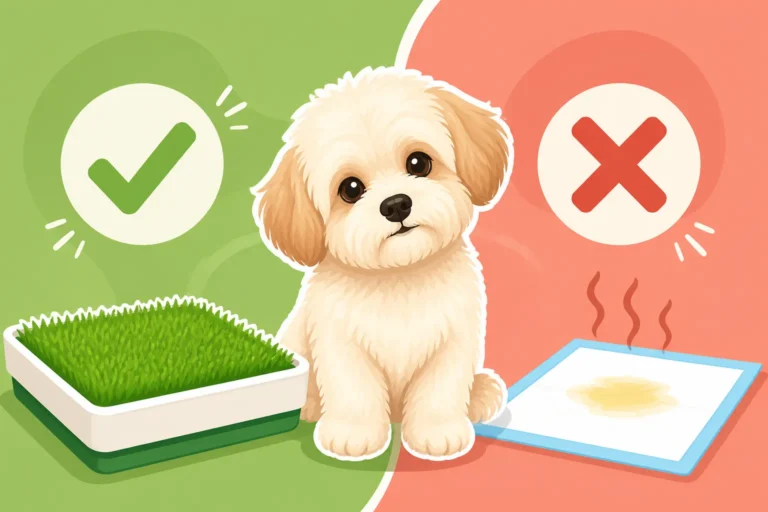
How Often a Maltipoo Puppy Needs Taking Out
One of the most common worries new Maltipoo parents come to me with is potty training. It feels like you just took them out, and five minutes later, they're squatting on your rug, looking at you with those big, innocent eyes. The sheer frequency of potty breaks can be absolutely overwhelming, making you feel tied to the door. This guide is here to lay out a realistic, comprehensive plan for how often your Maltipoo puppy truly needs to go outside, helping you navigate those crucial early weeks and beyond.
Understanding Your Maltipoo Puppy's Tiny Bladder
Let's be honest, those adorable little Maltipoo puppies are irresistible, but their bladders are, shall we say, a work in progress. It's not a flaw in their training or a sign they're being stubborn; it's pure biology, and it’s something every small breed owner faces. You’re not alone in feeling like you spend half your day opening and closing the door!
The Biological Reality of Small Breeds
Maltipoos, especially the smaller ones often referred to as "teacups" or "toys," have incredibly tiny bladders. Think of it this way: their entire body cavity is just so much smaller than a Labrador's or a Golden Retriever's. This means less room for internal organs, including the bladder, which in turn means it fills up much faster. Compounding this, puppies, regardless of size, have not yet developed full bladder control. Their muscles aren't strong enough, and their neural pathways for "holding it" are still maturing. It’s like trying to teach a toddler to wait until they get to the bathroom – they’re still learning the cues and the physical control.
Beyond just bladder size, their metabolism also plays a role. Small breed puppies tend to have faster metabolisms than larger breeds. This means they process food and water more quickly, which in turn leads to more frequent urination. So, while a big puppy might manage an hour or two between breaks, your little Maltipoo might be bursting after just 15 or 20 minutes, especially after a burst of playtime or a big drink of water. It's a constant cycle in those first few months, and it requires a significant time commitment from you.
The "Age in Months + 1 Hour" Rule (and why it's a starting point, not gospel)
You might have heard the common guideline that a puppy can hold its bladder for approximately "its age in months, plus one hour." So, a 2-month-old puppy could theoretically hold it for 3 hours, and a 3-month-old for 4 hours. While this rule offers a rough idea for some puppies, particularly larger breeds, it's often far too optimistic for a tiny Maltipoo. In my experience, and that of countless other small breed owners, this rule can set you up for frustration and accidents. Your Maltipoo puppy's bladder capacity is simply not the same as a puppy twice its size.
For a young Maltipoo puppy, say 8 to 12 weeks old, thinking they can go 2-3 hours without a break is often a recipe for disaster. You'll likely find yourself cleaning up accidents and wondering what went wrong. Instead, view this rule as a maximum for older, more mature puppies, and even then, always err on the side of caution. For your tiny bundle of fluff, we need a much more proactive and frequent approach. Don't feel bad if your puppy can't make it as long as the internet says – it's probably because the internet isn't factoring in the unique needs of a smaller dog.
The Critical First Few Weeks at Home
When your Maltipoo puppy first comes home, whether they are 8 weeks or 12 weeks old, you're essentially starting from scratch with potty training. Even if the breeder started some pad training, the new environment, new smells, and new routine mean you need to be hyper-vigilant. During these critical first few weeks, the frequency of potty breaks needs to be incredibly high. We're talking about going outside (or to their designated indoor potty spot) every 15-30 minutes when they are awake and active. Yes, it sounds like a lot, and it is, but this consistent reinforcement is how they learn quickly and effectively.
Think of it as programming their little brains. Every successful potty trip outside builds a stronger association: "I need to go, I go outside, I get rewarded." If you wait too long, they'll have an accident, reinforcing the idea that indoors is an acceptable place to relieve themselves. This is especially true for very small puppies. The Weight at Which a Maltipoo Puppy Is at Risk of hypoglycemia often correlates with their tiny size and undeveloped systems, meaning they also need incredibly frequent feeding, which of course leads to frequent elimination. The more times you can get them to eliminate in the right spot, the faster they will understand. This intense phase won't last forever, but it's vital for laying a strong foundation for future success.
Establishing a Consistent Potty Schedule
Consistency is king when it comes to housetraining your Maltipoo. Without a predictable schedule, your puppy will struggle to learn where and when they are expected to go. It’s about creating a rhythm your pup can internalize, helping them feel secure and understand the routine.
Non-Negotiable Potty Break Triggers
There are certain times when a Maltipoo puppy's bladder (and bowels) are most likely to need emptying, and these should become non-negotiable potty breaks. Missing these opportunities is almost guaranteed to result in an accident indoors.
- First thing in the morning: As soon as their paws hit the floor after waking up, they need to go. Don't even let them dawdle or play. Scoop them up, carry them if needed, and take them straight outside.
- After every meal and drink: Within 5-15 minutes of finishing food or water, a puppy's digestive system starts working. This is a prime time for both urination and defecation. This is especially important as How Often a Teacup Maltipoo Puppy Must Eat means they are eating frequently, and thus, need to go out frequently.
- Immediately after waking from a nap: Just like us, when they wake up, their bladder is full.
- After intense play sessions: Running around and getting excited stimulates their systems. After a good romp, they'll often need to relieve themselves within a few minutes.
- Before bed: A final potty break right before you put them down for the night is crucial for minimizing overnight accidents. Even if they don't seem like they need to go, take them out one last time.
- Anytime they switch environments: If you move them from their crate to a playpen, or from one room to another, offer a potty break. A change of scenery can sometimes trigger the need to go.
Creating a Daily Routine Template
Building a structured routine will be your best friend. Here’s a sample schedule for a young Maltipoo puppy (approximately 8-12 weeks old), but remember, every puppy is an individual, so be prepared to adapt!
| Time | Activity | Notes |
|---|---|---|
| 6:30 AM | Wake up, immediate potty break | Carry puppy outside if possible, lavish praise for success. |
| 6:45 AM | Breakfast, then immediate potty break | Offer water, then outside. |
| 7:15 AM | Playtime, short training session | Supervised play, watch for sniffing/circling. |
| 7:45 AM | Potty break | Even if just a few drops, it counts! |
| 8:00 AM | Nap/Crate time | Small, cozy crate. |
| 10:00 AM | Wake up, immediate potty break | Straight outside. |
| 10:15 AM | Small meal/snack, then immediate potty break | Water offered. |
| 10:45 AM | Playtime/supervised free time | Continue watching closely. |
| 11:15 AM | Potty break | Another success! |
| 11:30 AM | Nap/Crate time | |
| 1:30 PM | Wake up, immediate potty break | Back outside. |
| 1:45 PM | Lunch, then immediate potty break | Hydration is important. |
| 2:15 PM | Playtime/training | Reinforce good behavior. |
| 2:45 PM | Potty break | |
| 3:00 PM | Nap/Crate time | |
| 5:00 PM | Wake up, immediate potty break | Yes, again! |
| 5:15 PM | Dinner, then immediate potty break | Last main meal of the day. |
| 5:45 PM | Playtime/Family time | Keep puppy engaged and supervised. |
| 6:15 PM | Potty break | |
| 7:00 PM | Quiet play, winding down | No more large drinks of water. |
| 7:30 PM | Potty break | Mandatory check-in. |
| 9:00 PM | Final potty break before bed | Even if they barely go, go. |
| 9:15 PM | Bedtime/Crate for the night | Ready for an overnight stretch (hopefully!). |
This schedule might seem rigorous, but it covers all the high-probability times and ensures frequent opportunities for success. As your Maltipoo gets older and their bladder control improves (usually around 4-6 months, but again, every dog is different), you can gradually extend the time between breaks. Remember to still go out within 15-30 minutes of any major activity like eating, waking, or playing.
The Importance of Supervision and Active Engagement
Simply letting your Maltipoo puppy into the yard isn't enough, especially in the early stages. You need to go with them every single time. This allows you to supervise, ensure they actually relieve themselves, and immediately reward them for doing so in the correct spot. Think of it as a crucial bonding and training opportunity.
When you're outside with them, use a consistent verbal cue like "Go potty!" or "Do your business!" As soon as they start to squat or lift a leg, praise them softly. The moment they finish, offer enthusiastic praise ("Good potty!") and a high-value treat. This immediate reward creates a strong positive association. If you wait until they come back inside, they won't connect the treat with the act of going potty outside. If they don't go within a few minutes, bring them back inside, keep them on a leash with you or in their crate for another 10-15 minutes, and try again. Never punish for accidents indoors; instead, calmly clean them up and make a mental note to take them out more frequently next time. For indoor containment, a tether to your belt or a puppy-proofed playpen can be invaluable for keeping them close and preventing sneaky accidents.
Navigating Nighttime Potty Breaks and Overnight Needs
Ah, nighttime! This is often where the real exhaustion sets in for new puppy owners. It's natural to want your Maltipoo puppy to sleep through the night immediately, but for such a tiny creature, that's simply not realistic in the beginning. Expecting them to hold it for 7-8 hours when they can barely manage 2-3 hours during the day is setting everyone up for failure.
The Reality of Overnight Potty Training
Just like during the day, your Maltipoo puppy's small bladder means they will likely need to go out at least once, and often twice, during the night, especially for puppies under 4 months old. This isn't a sign of poor training; it's just biology. They simply cannot physically hold it. The goal is to gradually extend these periods as they mature and their bladder muscles strengthen.
To minimize nighttime accidents, establish a strict routine before bed. Cut off water access about 2 hours before the final bedtime potty break. Make sure that last potty break is thorough – give them enough time to fully empty their bladder and bowels. Whether a Maltipoo Puppy Should Be Fed Overnight is generally not recommended as it stimulates their digestive system, making nighttime potty breaks even more frequent. If your puppy is particularly small or at risk of hypoglycemia, always follow your vet's advice regarding feeding schedules. The key is to manage their intake so their output isn't happening in the middle of the night unless absolutely necessary.
Setting Up for Success: Crate Training and Playpens
A properly used crate can be your secret weapon for nighttime potty training. Dogs have a natural instinct not to soil their sleeping area, so a crate, when appropriately sized, encourages them to hold it for as long as they can. The key is "appropriately sized." What Size Crate Suits a Maltipoo Puppy is one that allows them to stand up, turn around, and lie down comfortably, but no more. If the crate is too large, they can use one end as a sleeping area and the other as a bathroom, defeating the purpose. Many crates come with dividers you can adjust as your puppy grows. Place the crate right next to your bed so you can hear them stir or whine during the night, signaling they need to go out.
For very young puppies or those not yet comfortable with a crate, a playpen can be an alternative, especially if you work long hours or simply need a break. Within the playpen, you can set up a designated potty area with a pad, like the ones you can find easily on Amazon, and a separate, cozy sleeping area. This teaches them to distinguish between sleeping and potty zones within a larger confined space. However, be aware that using pads can sometimes delay outdoor training, as puppies learn that inside is sometimes an acceptable place to go. Whether a Playpen Beats a Crate for a Maltipoo often comes down to individual preference and the puppy's stage of training, but a crate is usually more effective for teaching bladder control overnight.
Gradual Extension of Overnight Hold Times
Once your Maltipoo puppy is comfortable in their crate and consistently going potty outside during the day, you can begin to gradually extend their overnight hold times. Start by keeping the crate next to your bed. When you hear them stir or whine, immediately take them outside for a quick, no-fuss potty break. No playing, no lights, just business, then back into the crate. This teaches them that night-time trips are only for pottying.
As they get older (around 4-6 months), you'll notice they can hold it longer. You might find you can skip one of those early morning trips, or they might wake you later and later. Don't rush this process. Every puppy develops at their own pace. Continue with the consistent last-thing-at-night and first-thing-in-the-morning potty breaks. Some puppies might be able to go 6-8 hours by 6 months, while others might take a bit longer. Patience is truly a virtue here. Remember that Whether Stress Triggers a Maltipoo's Sugar Crash can also be a concern for very young or small puppies, so ensuring they are well-fed and rested can help minimize any stress that might exacerbate other issues, including potty training setbacks.
Tips for Success and Common Housetraining Challenges
Housetraining a Maltipoo puppy, while rewarding, is definitely a marathon, not a sprint. You'll have good days and challenging days. Having the right mindset and tools can make all the difference in navigating this journey successfully.
Positive Reinforcement and Prompt Rewards
This is arguably the most important principle in potty training any dog, especially a sensitive Maltipoo. When your puppy successfully goes potty outside, make it a party! Offer high-value treats (tiny pieces of cooked chicken, cheese, or specialized training treats they adore) immediately. The timing is crucial – the reward needs to happen within 1-3 seconds of them finishing their business so they make the direct connection. Coupled with enthusiastic verbal praise ("YES! Good potty!"), this creates a powerful incentive for them to repeat the desired behavior.
Conversely, never, ever punish your Maltipoo for an accident indoors. They don't understand punishment in the way we do, and scolding them will only teach them to fear you or to hide their accidents, making the problem worse. If you catch them in the act, a quick, sharp "Ah-ah!" and then immediately scooping them up and taking them outside can help. If you find an accident after the fact, simply clean it up calmly. They won't connect the mess with your displeasure. The focus should always be on rewarding the right behavior, not punishing the wrong one. Remember Whether a Maltipoo Is Too Soft for Correction – positive reinforcement is always the gentler and more effective path for these sweet, sensitive dogs.
Dealing with Accidents and Setbacks
No matter how diligent you are, accidents will happen. It’s a normal part of puppy development. The key is how you respond. Firstly, invest in a good enzymatic cleaner (many excellent options are available on Amazon). These cleaners break down the enzymes in urine, completely eliminating the odor that might attract your puppy back to the same spot. If the smell lingers, your puppy's natural instinct might be to "mark" that area again. Cleaning Up So a Maltipoo Does Not Return to the Spot thoroughly is paramount to preventing repeat offenses.
Setbacks can feel disheartening, especially when you think you've made progress. A puppy who was doing great for a week might suddenly have a few accidents. This could be due to a growth spurt, a slight change in routine, or simply a momentary lapse in memory. Don't get frustrated. Revert to a more frequent potty schedule for a few days, reinforce heavily, and remind yourself that consistency will eventually win out. How Many Months Before a Maltipoo Stops Having Accidents varies widely, but typically, most Maltipoos are reliably housetrained between 4 and 6 months of age, though some may take longer, especially if they are very tiny.
Tools and Resources to Help You Along
Beyond consistency and patience, there are several tools and resources that can really aid your Maltipoo's potty training journey:
- Puppy Pads: While not ideal for long-term outdoor training, puppy pads can be incredibly useful for managing accidents, especially for very young puppies, during inclement weather, or when you simply can’t get them outside fast enough. Some owners successfully teach their Maltipoos to use a combination of indoor pads and outdoor potty breaks. Whether a Maltipoo Can Use Both Indoors and Out depends on careful management and teaching distinct cues for each location.
- Enzymatic Cleaners: As mentioned, these are non-negotiable for effectively cleaning up accidents and preventing your puppy from returning to the same spot.
- Appropriate Leashes and Harnesses: A comfortable, secure harness is essential for safely taking your Maltipoo outside. It's much safer than a collar for a small dog, especially for walks.
- Online Training Programs: For those who want structured guidance, programs like BAXTER & Bella offer comprehensive online puppy training classes that include detailed sections on housetraining, helping you understand the process step-by-step and troubleshoot common issues. Their approach often emphasizes positive reinforcement and building a strong foundation.
- High-Value Treats: Keep a stash of these by the door! Whatever your Maltipoo goes wild for will be your most effective reward. Many dog food brands offer small, soft training treats that are perfect for little mouths.
Housetraining your Maltipoo puppy requires dedication, but with patience and a consistent routine, you will get there. Celebrate every success, learn from every accident, and soon your little companion will be reliably doing their business in all the right places.
Disclaimer
This article is for general informational purposes only and does not constitute professional advice. Laws, prices and regulations vary by location and change over time. Consult a qualified professional for guidance on your specific situation.