Whether a Maltipoo’s Kidneys Fail With Age
Senior Maltipoo kidney health facts explain acute and chronic disease risks, early warning signs, and proactive daily care steps.
Know what to watch for.
Breed-specific conditions, screening and DNA tests, what surgery actually costs, and the daily habits that stretch a healthy lifespan.
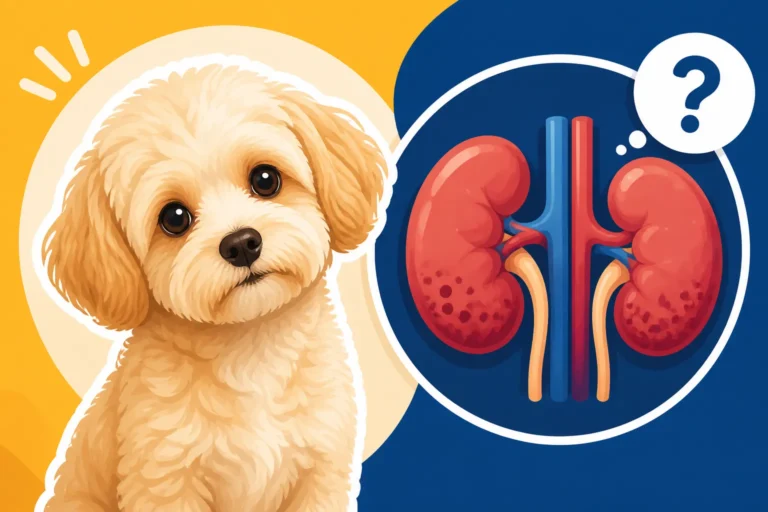
Senior Maltipoo kidney health facts explain acute and chronic disease risks, early warning signs, and proactive daily care steps.
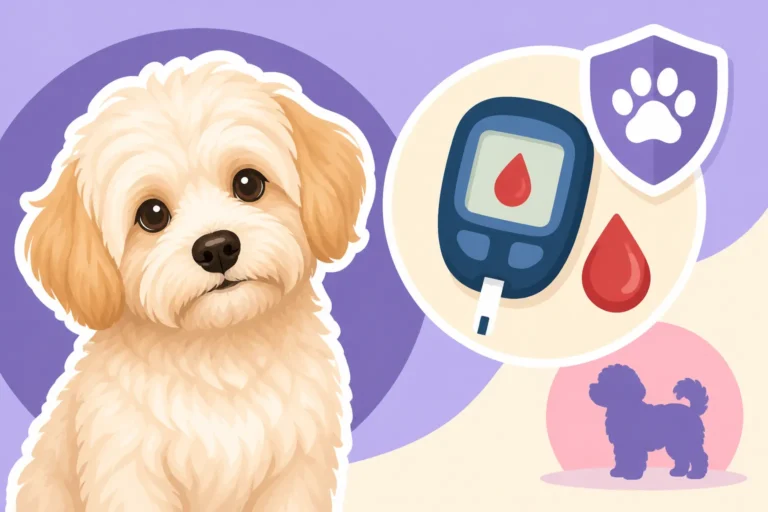
Maltipoo diabetes risks, insulin deficiency, and high blood sugar management explained for owners evaluating genetic lineage.
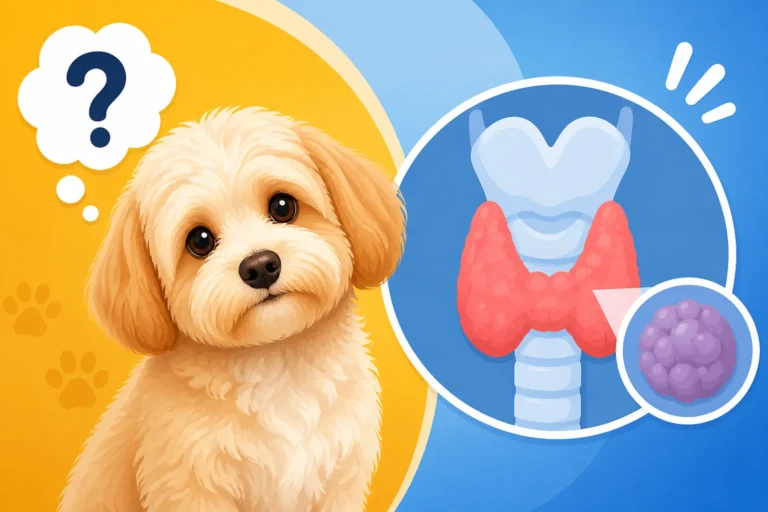
Hypothyroidism in Maltipoos causes symptoms like weight gain and lethargy due to insufficient thyroid hormone production.
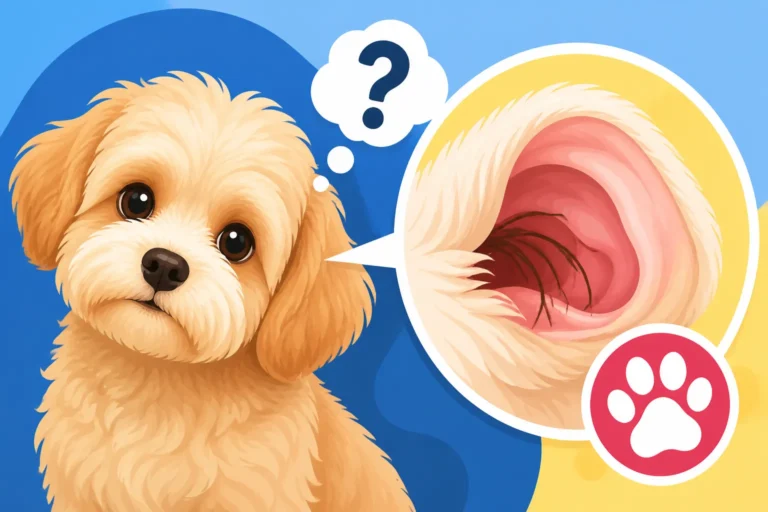
Maltipoo ear hair growth blocks air circulation and traps moisture, dead skin cells, and debris inside the ear canal to cause painful infections.

Maltipoo ear infections stem from floppy anatomy, internal hair growth, and allergies, trapping moisture and bacteria inside.

Maltipoo skin reactions to food can cause itching and redness. This explains allergies, sensitivities, and common culprits.
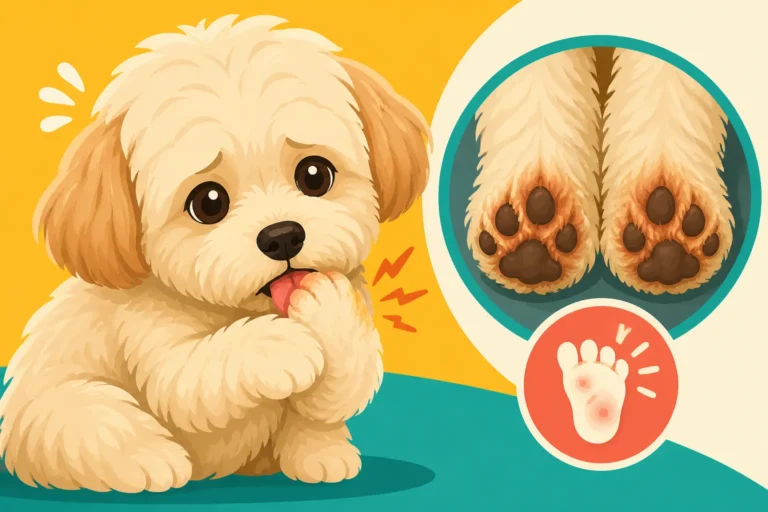
Maltipoo paw chewing and reddish brown staining are explained through common allergies, irritants, and yeast infections.
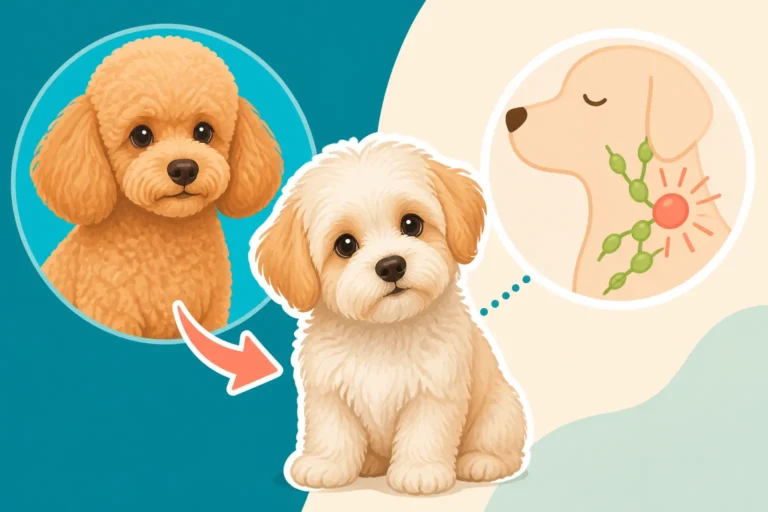
Sebaceous adenitis is an inflammatory skin condition affecting Poodles, exploring whether Maltipoo owners need to worry about this disease.

Maltipoo Addison disease risk stems from the Poodle heritage, causing adrenal gland dysfunction, hormone failure, and vomiting.
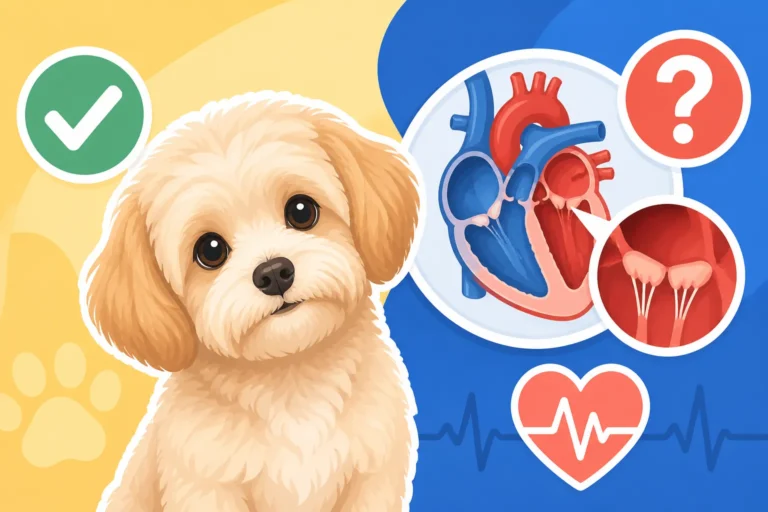
Mitral Valve Disease in Maltipoos is a progressive heart condition that thickens heart valves and causes backward blood leakage.