Whether a Maltipoo’s Skin Reacts to Food
It's absolutely heartbreaking to watch your beloved Maltipoo suffer from relentless itching, constant scratching, or inflamed, red patches on their delicate skin. You try everything you can think of—special shampoos, soothing balms, even just more cuddles—but sometimes, that persistent discomfort just won't clear up. This can be incredibly frustrating, leaving you wondering what on earth is going on and if there's something in their everyday life that's causing such misery. Many times, the answer to these baffling skin issues might be closer than you think: it could be directly linked to their food. This guide is dedicated to exploring whether a Maltipoo's skin truly reacts to food and how you can identify and manage such a challenging situation.
Understanding Food Allergies and Sensitivities in Maltipoos
When your Maltipoo is constantly scratching, licking, or developing skin irritations, it's natural to immediately suspect food. And you're often right to do so! Food-related skin problems are surprisingly common in many breeds, including our adorable Maltipoos, due to their genetic predispositions from both the Maltese and Poodle sides. However, it's crucial to understand that not all adverse reactions to food are the same. There's a distinct difference between a true food allergy and a food sensitivity or intolerance, and knowing the nuances can guide your approach to helping your furry friend.
The Difference Between Allergy and Sensitivity
It might sound like splitting hairs, but distinguishing between a food allergy and a food sensitivity is a vital first step in diagnosis and treatment. A food allergy is an immune system response. This means your Maltipoo's immune system mistakenly identifies a harmless food protein as a threat and launches an attack. Think of it like a rogue army within your dog's body, overreacting to an innocent ingredient. Because it's an immune reaction, symptoms can be swift and severe, though they can also be chronic. True food allergies are less common than sensitivities but often present with more pronounced skin issues, among other symptoms.
On the other hand, a food sensitivity or food intolerance is not an immune response. Instead, it's a digestive issue. This happens when your Maltipoo's body struggles to digest a particular ingredient. Perhaps they lack the necessary enzymes, or the ingredient simply irritates their digestive tract. While sensitivities don't involve the immune system, they can still cause a lot of discomfort, and yes, even affect their skin indirectly through inflammation or nutrient malabsorption.
For example, a Maltipoo with a true chicken allergy might break out in hives, itch intensely, and have swollen paws almost immediately after eating chicken. A Maltipoo with a chicken sensitivity, however, might experience gas, bloating, loose stools, and over time, chronic mild itching or dull coat due to persistent gut inflammation. Both are miserable for your pup, but the underlying mechanism is different, which can influence how a vet might approach treatment beyond just changing the diet.
Common Food Culprits for Maltipoo Skin Issues
Just like humans, dogs can be allergic or sensitive to a wide range of ingredients, but certain ones tend to pop up more frequently in cases of adverse food reactions. For Maltipoos, whose digestive systems can sometimes be a bit finicky, these common culprits are particularly worth noting.
The usual suspects often include chicken, beef, dairy products, wheat, and soy. These ingredients are prevalent in many commercial dog foods, which means exposure is high, increasing the likelihood of developing a reaction.
- Chicken and Beef: These are very common protein sources. While excellent for most dogs, some Maltipoos can develop an allergy to the specific protein molecules. If your dog has been eating the same chicken-based kibble for years and suddenly starts itching, it's possible they've developed a delayed-onset allergy.
- Dairy: Lactose intolerance is common in dogs, leading to digestive upset, but dairy proteins can also trigger immune-mediated skin reactions.
- Wheat (and other grains like corn or soy): These are often used as fillers or carbohydrate sources in kibble. While the notion that all grains are bad for dogs is largely a myth, some individual dogs, including Maltipoos, can be genuinely allergic or sensitive to gluten or other grain proteins, leading to skin inflammation.
- Eggs, fish, and lamb: While often considered "novel proteins," even these can become allergens for some dogs over time, especially if they've been fed consistently.
It's not usually the quality of the ingredient that causes the problem, but rather the specific protein structure itself that the immune system reacts to. So, even premium, organic chicken can be an allergen for a sensitive Maltipoo. The key is identifying which specific ingredient is the problem, not necessarily blaming an entire food group without evidence.
How Food Allergies Manifest on a Maltipoo's Skin
One of the most frustrating aspects of food allergies and sensitivities is how broadly their symptoms can present. While digestive issues like vomiting or diarrhea are often obvious signs of a food problem, skin manifestations are incredibly common, and sometimes, they're the only visible signs. This can make diagnosis tricky, as many other conditions also cause similar skin symptoms.
For a Maltipoo, food-related skin reactions can include:
- Intense Itching (Pruritus): This is perhaps the most classic sign. Your Maltipoo will scratch, lick, or chew at themselves almost constantly. This isn't just a casual itch; it's persistent and often seems to drive them crazy. You might notice them rubbing their face on the carpet, gnawing at their paws until they're raw, or frantically scratching behind their ears. This relentless itching can significantly impact their quality of life and yours.
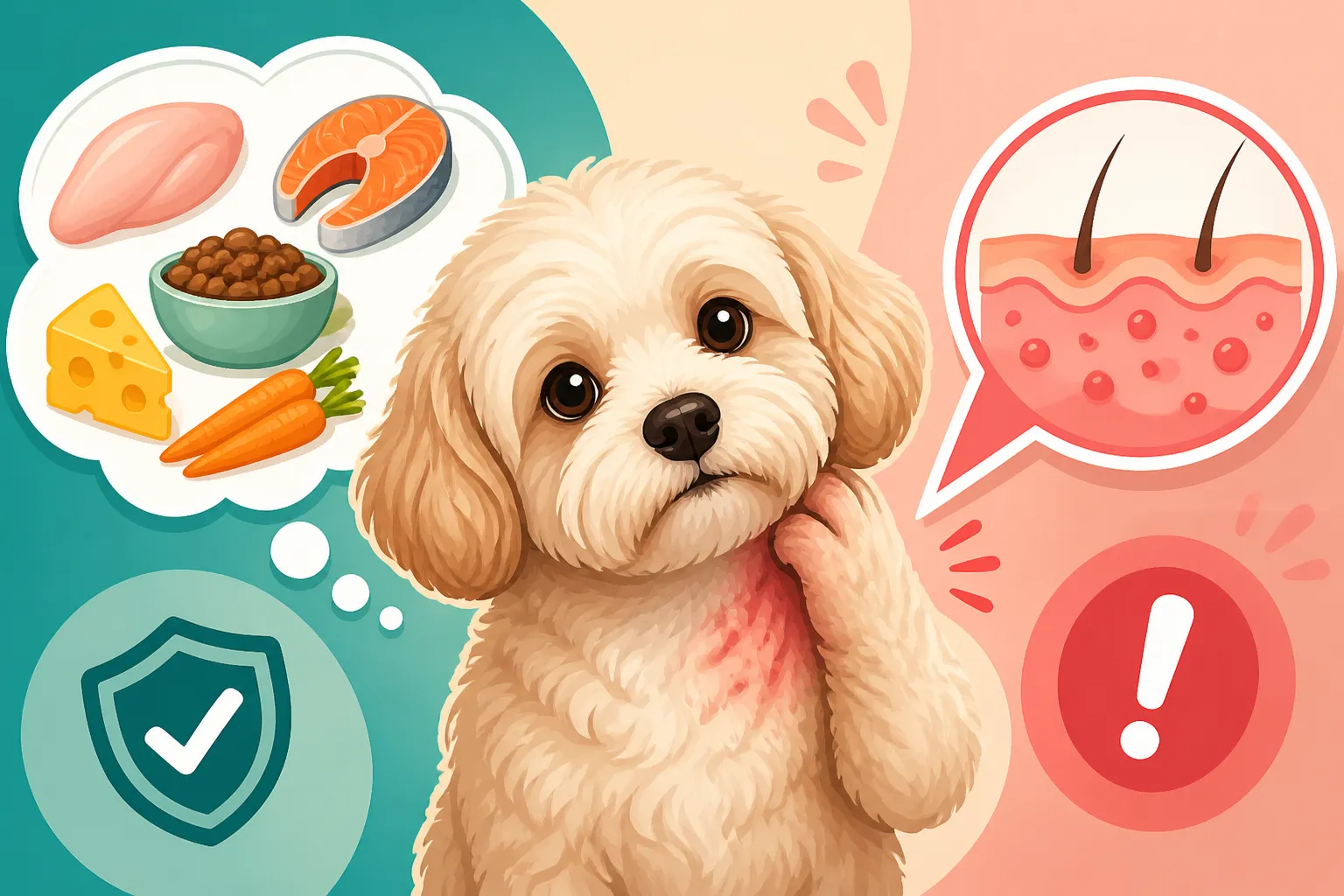
- Redness and Inflammation: The skin might appear visibly red, especially in areas like the belly, armpits, groin, or between the paw pads. Chronic inflammation can thicken the skin, making it feel leathery over time.
- Rashes and Bumps: Small red bumps, pustules, or rashes might appear on the skin. These are often secondary infections caused by the constant scratching breaking the skin barrier.
- Hot Spots (Acute Moist Dermatitis): These are painful, rapidly developing areas of skin infection that become red, moist, and oozy. They typically occur when a dog obsessively licks or chews a spot due to intense itching, often on the flanks, neck, or tail base.
- Hair Loss and Dull Coat: Chronic scratching can lead to areas of thinning hair or complete hair loss. The constant inflammation can also impact coat quality, making it appear dull, greasy, or dry.
- Chronic Ear Infections: This is a huge one often overlooked! Recurrent ear infections, especially those caused by yeast or bacteria, can be a major red flag for underlying food allergies. If your Maltipoo is constantly shaking their head, scratching their ears, or you notice a foul odor or discharge, and topical treatments only provide temporary relief, look to their food bowl. To learn more about this common issue, you might want to read about Whether a Maltipoo Gets Ear Infections.
- Paw Licking/Chewing: Many Maltipoos with food allergies will obsessively lick and chew their paws, leading to red, inflamed, and sometimes brown-stained fur (from saliva). This can be a sign of discomfort, and you might find yourself constantly cleaning their paws only for the staining to return. You can find more information about this particular symptom in our article on Whether a Maltipoo Chews Its Feet Until They Stain.
- Anal Gland Issues: Recurrent anal gland impactions or infections can sometimes be linked to food sensitivities, particularly if associated with soft stools.
It's a complex puzzle, and these symptoms can overlap with environmental allergies or parasitic infestations, making veterinary diagnosis essential.
Diagnosing a Food-Related Skin Problem
Pinpointing the exact cause of your Maltipoo's skin woes can feel like detective work, and frankly, it often is. While the symptoms might scream "food allergy," it's crucial not to jump to conclusions or make drastic dietary changes without a plan. Working closely with your veterinarian is key to a successful diagnosis and management strategy. They can help you rule out other common causes before embarking on a dietary trial.
The Elimination Diet: Your Best Tool
When it comes to diagnosing a food allergy or sensitivity in your Maltipoo, the "gold standard" isn't a blood test or a skin prick test (which are often unreliable for food allergies in dogs). Instead, it's a meticulously managed elimination diet, also known as a novel protein diet or a hydrolyzed protein diet. This process requires significant patience and commitment from you, but it's truly the most effective way to identify food triggers.
Here's how it generally works:
- Choose a Novel Protein and Carbohydrate Source: This means selecting a protein source your Maltipoo has never eaten before. Common choices include duck, venison, rabbit, kangaroo, or even specific fish like whitefish. Alongside this, you'll pick a single, equally novel carbohydrate source, such as sweet potato, potato, or peas.
- Strict Adherence is Non-Negotiable: This is where the commitment comes in. For a period of 8-12 weeks (your vet will advise on the exact duration, but it’s rarely less than 8), your Maltipoo must eat only this novel diet. No exceptions. This means:
- Absolutely no treats unless they are made from the novel ingredients.
- No table scraps, no matter how much they beg.
- No flavored toys, chews, or even toothpaste unless approved.
- No access to other pets' food or dropped food from the floor. Even a single bite of an old allergen can completely reset the clock on the trial.
- If you have other dogs, they might need to be on the same limited diet or at least fed separately to prevent accidental ingestion.
- Hydrolyzed Protein Diets: An alternative to novel protein diets are prescription hydrolyzed protein diets (e.g., Hill's Z/D, Royal Canin Hypoallergenic). In these foods, the proteins are broken down into such tiny components that the immune system doesn't recognize them as allergens. These are often easier for owners to manage as they remove the guesswork of finding a truly "novel" protein. Your vet will recommend the best option for your Maltipoo.
- Patience and Consistency: It can take several weeks for the old allergens to completely clear out of your Maltipoo's system and for the skin to heal. Don't get discouraged if you don't see immediate results. Documenting your Maltipoo's symptoms daily, even noting subtle changes, is crucial. You might also want to track how much your Maltipoo is eating, especially if they are a small breed, as detailed in Feeding a Six Pound Maltipoo by the Ounce, Not the Scoop.
Ruling Out Other Causes of Skin Irritation
While you're undertaking the elimination diet, your vet will also be working to rule out other common culprits for skin irritation. This is a critical step because food allergies often look very similar to other conditions, and your Maltipoo might even have multiple issues at play.
Key things to rule out include:
- Environmental Allergies (Atopy): Just like people, dogs can be allergic to pollen, dust mites, mold, and grasses. These often present with seasonal itching, but can be year-round. Your vet might suggest blood tests or intradermal skin tests to identify specific environmental allergens.
- Parasitic Infestations: Fleas are a notorious cause of itching, even if you don't see them. A single flea bite can trigger intense reactions in a sensitive dog. Mites (like Sarcoptes or Demodex) can also cause severe itching, redness, and hair loss. Your vet will perform skin scrapings or prescribe parasite prevention to rule these out definitively.
- Bacterial or Yeast Infections: When a Maltipoo scratches excessively, they break the skin barrier, allowing bacteria (Staphylococcus) or yeast (Malassezia) to overgrow. These secondary infections then cause more itching, redness, and discomfort, creating a vicious cycle. Your vet will take samples for cytology (looking at cells under a microscope) or culture to identify and treat these infections with antibiotics or antifungals, often while you're still on the elimination diet. Chronic ear infections, often linked to food allergies, can also involve yeast or bacteria, as highlighted in How Often a Maltipoo's Ears Need Doing.
- Other Medical Conditions: Less commonly, conditions like hypothyroidism (an underactive thyroid) can cause dry, flaky skin and hair loss, though usually without intense itching. Your vet might perform blood work, as part of your Maltipoo's The Yearly Checks a Maltipoo Should Get, to rule out such underlying health issues.
It's a process of elimination on multiple fronts, but by tackling each potential cause systematically, you increase your chances of finding relief for your Maltipoo.
Interpreting the Results and Reintroduction
After the stringent 8-12 week elimination diet, it's time for the moment of truth. If your Maltipoo's skin symptoms have significantly improved or completely resolved, congratulations! You've likely identified that food was indeed a major factor. But the journey isn't quite over. Now comes the reintroduction phase, which is equally important to confirm the specific culprit(s).
Interpreting the Results:
- Significant Improvement: If your Maltipoo is much less itchy, their skin is clearer, and secondary infections have resolved, it strongly indicates a food allergy or sensitivity.
- No Improvement: If there's no change, it suggests that food is likely not the primary issue, or at least not the only issue. In this case, your vet will re-evaluate and focus more on environmental allergies or other medical conditions.
The Reintroduction Challenge: This phase is about strategically adding back single ingredients from your Maltipoo's old diet to see which one triggers a reaction.
- Choose one ingredient: Select a common allergen (e.g., chicken) that your Maltipoo previously ate.
- Feed it for up to 14 days: Introduce only that single ingredient as a treat or mixed with their novel diet.
- Watch closely: Monitor your Maltipoo daily for any return of symptoms—itching, redness, ear flare-ups, paw licking. If symptoms return, you've found an allergen! Stop feeding that ingredient immediately.
- Return to the novel diet: Let your Maltipoo's symptoms resolve again (which might take a week or two) before testing the next ingredient.
- Repeat: Systematically test other common ingredients one by one.
This process can be tedious, but it empowers you to create a safe, balanced diet for your Maltipoo going forward. Keep a detailed food diary throughout both the elimination and reintroduction phases. This will be invaluable for you and your vet. And remember, during this entire process, consistency is paramount. Even giving a tiny piece of an unapproved treat because your Maltipoo is a Picky Maltipoo can throw off the entire diagnostic process.
Managing a Maltipoo's Food-Related Skin Issues Long-Term
Once you've identified the specific food culprits that wreak havoc on your Maltipoo's skin, the next step is to establish a long-term management plan. This isn't just about avoiding a single ingredient; it's about building a sustainable and healthy dietary routine that keeps their skin calm and comfortable.
Choosing the Right Diet for a Sensitive Maltipoo
The good news is that there are many excellent options available for Maltipoos with food allergies and sensitivities, designed to cater to their specific needs.
- Prescription Hydrolyzed Protein Diets: These remain a fantastic long-term solution for many dogs. Brands like Royal Canin Hypoallergenic or Hill's Z/D offer complete and balanced nutrition while minimizing the risk of allergic reactions because the proteins are broken down into such tiny fragments. They're scientifically formulated and highly digestible, often leading to excellent results for chronic skin issues and even some digestive problems.
- Novel Protein Diets: If your vet and you prefer a non-hydrolyzed route, continuing with a limited ingredient diet based on a protein your Maltipoo tolerated during the elimination phase (e.g., duck and sweet potato, or venison and lentils) is a great choice. Look for commercial foods specifically labeled as "limited ingredient" that contain only the novel protein and carbohydrate you've identified as safe. Always ensure these diets are nutritionally complete and balanced for your Maltipoo's life stage.
- Grain-Free vs. Grain-Inclusive: If your Maltipoo's allergen was wheat, then a grain-free diet might be appropriate. However, remember that "grain-free" doesn't necessarily mean "carb-free" or "allergen-free." Many grain-free foods use alternative carbohydrates like peas, lentils, or potatoes, which can also be potential allergens for some dogs. If your Maltipoo isn't allergic to specific grains, there's no need to avoid them. The focus should always be on avoiding the identified allergen, not an entire food group without reason.
- Adding Omega-3 Fatty Acids: Regardless of the diet you choose, supplementing with high-quality omega-3 fatty acids (EPA and DHA, usually from fish oil) can be incredibly beneficial for skin health. Omega-3s have natural anti-inflammatory properties that can help soothe irritated skin, improve coat quality, and support the skin's barrier function. Always consult your vet for appropriate dosing.
Finding the right food might take a little trial and error, but once you do, stick with it! Consistency is your greatest ally in keeping those pesky skin flare-ups at bay.
Preventing Cross-Contamination and Cheating
Let's be real, our Maltipoos are masters of puppy-dog eyes, especially when they want a piece of whatever you're eating. But when managing a food allergy, preventing cross-contamination and resisting the urge to "cheat" even a little bit is absolutely critical. Even a tiny crumb of an allergen can trigger a full-blown reaction and undo weeks of hard work.
Here’s how to stay vigilant:
- Strict "No Table Scraps" Policy: This is paramount. Every family member needs to be on board. Educate children about why giving your Maltipoo even a tiny bit of their dinner could make them sick.
- Treats Must Be Allergen-Free: This is a big one. You can't just grab any treat off the shelf. Either find treats specifically formulated for allergy-prone dogs (often single-ingredient or hydrolyzed) or make your own from their approved novel protein and carb source.
- Other Pets' Food: If you have other pets, ensure your Maltipoo cannot access their food bowls. Consider feeding them in separate rooms or at different times.
- Chew Toys and Dental Hygiene: Be mindful of dental chews or flavored chew toys, as they can contain hidden allergens. Always check ingredient lists thoroughly. For dental health, regular brushing with a veterinarian-approved toothpaste is crucial, and you can find more tips in How Often a Maltipoo Needs a Dental. If your Maltipoo's gums bleed, it could be a sign of dental disease which, while distinct from food allergies, can contribute to overall inflammation. You can read more about Whether a Maltipoo's Gums Should Bleed here.
- Outdoor Scavenging: Watch your Maltipoo carefully on walks to prevent them from eating dropped food, grass, or anything else they shouldn't.
- Inform Others: If your Maltipoo goes to doggy daycare, a sitter, or a groomer, make sure they are fully aware of the dietary restrictions and understand the seriousness of adherence.
This strictness can feel overwhelming at first, but it quickly becomes second nature. Your Maltipoo's comfort and well-being are worth the extra effort.
Supporting Skin Health Beyond Diet
While diet is a cornerstone of managing food-related skin issues, a holistic approach that includes other supportive measures will give your Maltipoo the best chance at long-term skin health.
- Regular Grooming: Maltipoos, with their beautiful Poodle-Maltese coats, require consistent grooming. Regular brushing and professional grooming appointments every 4-8 weeks are essential to prevent matting, which can trap allergens and irritate the skin. Using a gentle, hypoallergenic shampoo and conditioner during baths can also soothe the skin and remove environmental irritants.
- Topical Treatments: Your vet might recommend medicated shampoos, sprays, or wipes to help manage secondary skin infections (bacterial or yeast) or to provide symptomatic relief during flare-ups. Never use human products on your Maltipoo without vet approval, as they can be too harsh or toxic.
- Supplements: Beyond omega-3s, some vets may suggest probiotics to support gut health, as a healthy gut often correlates with a healthier immune system and skin. Antioxidant supplements might also be considered to combat inflammation. Always discuss any supplements with your vet to ensure they are safe and appropriate for your Maltipoo.
- Environmental Management: Even if food is the primary issue, your Maltipoo might still have some environmental sensitivities. Regular cleaning of your home, using dust mite covers for their bed, and cleaning their bedding often can help minimize overall allergen exposure, taking some burden off their immune system.
- Consistent Veterinary Care: Regular check-ups are vital. Your vet can monitor your Maltipoo's skin health, adjust their diet as needed, and quickly address any new issues or secondary infections. Having a pet insurance plan, like those offered by Healthy Paws, can be incredibly helpful for covering the costs associated with ongoing diagnostics, specialized diets, and potential flare-ups that can arise with chronic conditions like food allergies. Dealing with complex health issues can become expensive quickly, and a good insurance policy can truly offer peace of mind, ensuring your Maltipoo gets the care they need without financial strain.
By combining a carefully managed diet with these supportive care strategies, you can significantly improve your Maltipoo's quality of life and help them live a happy, itch-free existence.
Common Food Allergens vs. Symptoms Table
This table provides a quick overview of common food allergens in dogs and the symptoms they often trigger. Remember, every Maltipoo is an individual, and symptoms can vary widely.
| Common Food Allergens | Typical Skin Symptoms | Other Possible Symptoms (Non-Skin) |
|---|---|---|
| Chicken, Beef, Lamb | Intense itching (paws, ears, groin, armpits), redness, hot spots, chronic ear infections, dull coat, hair loss. | Vomiting, diarrhea, gas, bloating, frequent bowel movements, poor appetite, lethargy (less common). |
| Dairy (Lactose, Dairy Proteins) | Itching, skin rashes, redness, particularly around the face and paws. | Diarrhea, gas, bloating, abdominal discomfort. |
| Wheat, Corn, Soy (Grains/Legumes) | Itching (especially paws and ears), dry or greasy coat, flakiness, chronic ear infections. | Diarrhea, gas, soft stools, anal gland issues, general lethargy. |
| Eggs, Fish | Similar to meat proteins: generalized itching, redness, inflammation, paw licking. Less common but can still be culprits. | Occasional vomiting or diarrhea, especially with higher fat content in fish if not accustomed. |
| Yeast (often secondary to diet) | Greasy skin, musty odor, black "dirt" in ears, brownish discoloration of fur (especially on paws from licking). | Ear pain, head shaking, paw chewing, generally linked to underlying allergy causing inflammation. |
Disclaimer
The information provided in this guide is intended for educational purposes only and should not be considered a substitute for professional veterinary advice. Always consult with a qualified veterinarian regarding any health concerns or before making any changes to your Maltipoo's diet, medication, or care routine. Early diagnosis and intervention by a professional are crucial for managing your pet's health effectively.