Whether a Maltipoo Begs at the Table
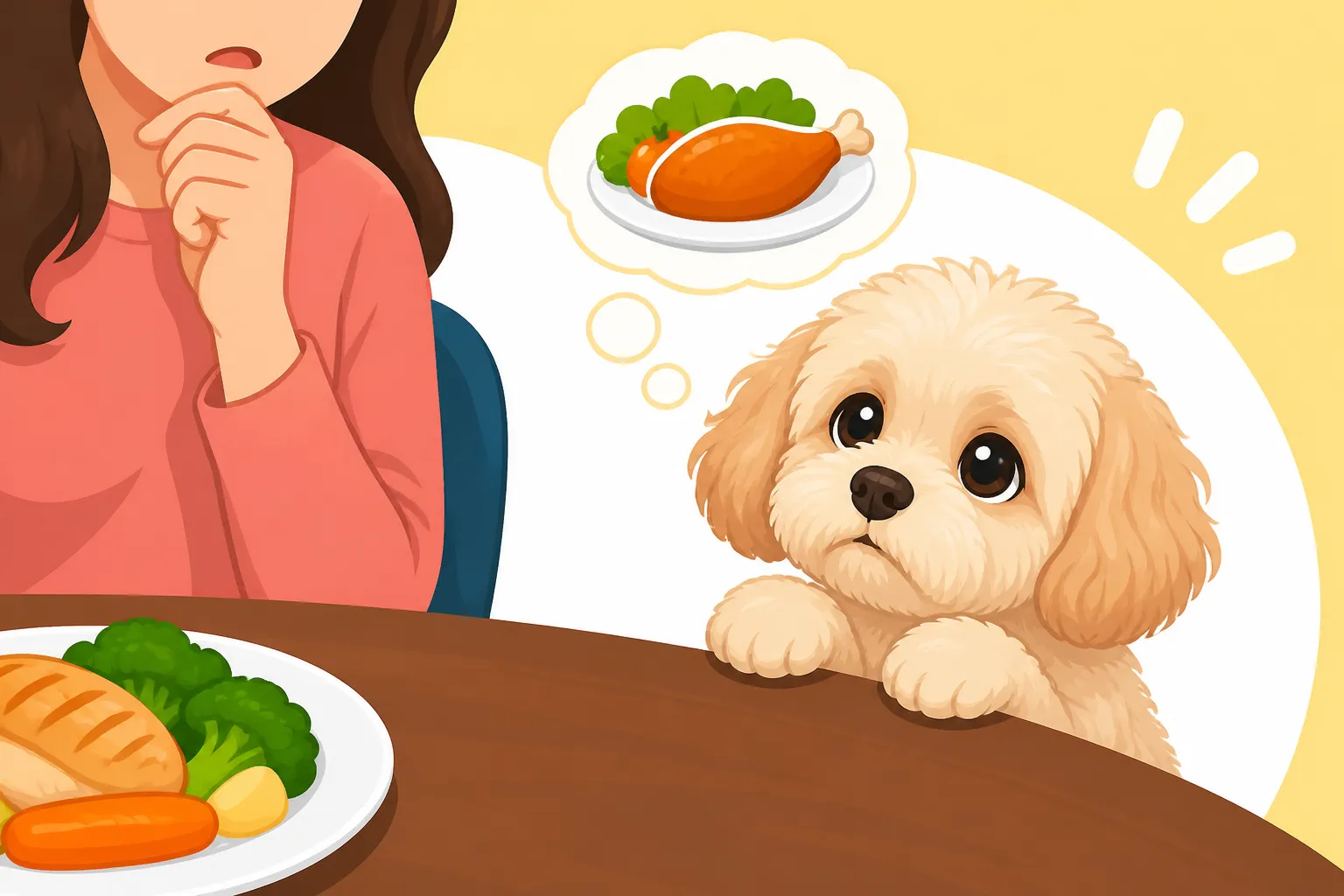
That adorable little face staring up at you with those big, soulful eyes, especially when you're trying to enjoy a quiet meal? It's a classic Maltipoo move, and if you're wondering whether your Maltipoo is the only one who seems to believe your dinner plate is their dinner plate, you are absolutely not alone. This guide is going to dive deep into why our charming little companions become such dedicated table beggars, the real risks that come with giving in, and most importantly, how to gently but firmly put a stop to this common (and often frustrating!) behavior.
Understanding Why Your Maltipoo Begs
It’s easy to think your Maltipoo is just being naughty or manipulative when they plant themselves by your chair, letting out little whines or nudges. But truly, their motivations are often simpler and rooted in a combination of learned behavior and natural instincts. Understanding these roots is the first step toward addressing the issue effectively.
The Power of Association: Why the Table Becomes a Reward Zone
Think about it from your Maltipoo's perspective. When you sit down to eat, you're usually holding something delicious. Maybe once, out of a moment of weakness or just wanting to share a tiny bit of joy, you dropped a morsel, or even intentionally slipped them a piece of chicken. To your Maltipoo, that one instance was a jackpot. They associate your mealtime with the potential for a high-value reward. They learn that proximity to you at the table increases their chances of getting something tasty. This isn't them plotting against you; it's a very straightforward cause-and-effect learning.
Every time they get even a tiny crumb, or even just attention – a glance, a gentle "no," or a push away – it reinforces the behavior. Even negative attention can still be a form of attention, which some dogs will take as a win. They're not just begging for food; they're begging for the chance of food, and any interaction around that chance makes the experience memorable for them. It’s like a slot machine: they keep trying because they know, deep down, that a payoff has happened before and could happen again. This creates a strong habit that's incredibly hard to break once established.
A Learned Behavior: How We Accidentally Teach Them to Beg
It's almost never intentional, but we, as loving pet parents, are often the ones who inadvertently train our Maltipoos to beg. It starts subtly. Perhaps a family member offers a forbidden treat under the table when you're not looking. Or maybe the kids drop food, and your diligent little vacuum cleaner sweeps it up. Every instance where food is obtained during human mealtimes contributes to the problem.
Consistency is key in dog training, and unfortunately, inconsistency is what often fuels begging. If one person allows it, while another tries to prevent it, your Maltipoo gets mixed signals. They learn that if "Mom" says no, maybe "Dad" will say yes, or perhaps the child will drop something. This lack of a clear, unified rule teaches them to persist and to test boundaries. Training the Two Halves of a Maltipoo Differently can be a real challenge when it comes to house rules, especially food rules! They are smart and quickly figure out who the "weak link" is in the family chain when it comes to sharing food. This makes it crucial for every single person in the household, and even guests, to be on the same page.
Natural Instincts: The Poodle and Maltese Influence
While begging is largely a learned behavior, the inherent traits of the Maltese and Poodle breeds that make up your Maltipoo can play a role in how readily they adopt it. Both breeds are highly intelligent and often very food-motivated. Poodles, in particular, are known for their cleverness and ability to problem-solve, often figuring out how to get what they want. The Maltese side brings an affectionate, sometimes demanding, personality, often using their charm to get attention.
Combine these traits, and you have a dog that is not only smart enough to figure out that sitting by your chair might yield a treat but also charming enough to make it incredibly difficult for you to resist. They learn very quickly which behaviors elicit a response from you. If begging results in a pat, a kind word, or even just eye contact, that's a form of reward. Furthermore, smaller breeds, like the Maltipoo, often develop a closer bond with their owners, leading them to constantly seek to be near them, especially during enjoyable activities like eating. This innate desire for companionship can easily blend into a desire to share in all activities, including mealtime.
The Risks of Table Scraps and Begging
While a tiny piece of something "harmless" might not seem like a big deal, consistently feeding your Maltipoo from the table carries significant health and behavioral risks that far outweigh the momentary joy of sharing.
Health Hazards: Why Human Food Isn't Dog Food
Our human diets are vastly different from what dogs need, and many common ingredients in our meals can be toxic or harmful to them. Garlic, onions, chocolate, grapes, raisins, xylitol (a common sugar substitute), and even certain nuts can cause severe illness, organ damage, or even death in dogs. Cooked bones, especially chicken bones, can splinter and cause internal damage or blockages. Rich, fatty foods can lead to pancreatitis, a painful and serious inflammation of the pancreas, which is particularly dangerous for small breeds like Maltipoos.
Even if the food isn't outright toxic, human food is often much higher in calories, fat, and sodium than a dog's diet requires. Over time, these extras can lead to significant health issues. A tiny bite for us is a proportionally massive amount for a small dog. For example, a single potato chip is like a human eating an entire candy bar. This can trigger digestive upset, allergies, or chronic health problems. If you're wondering The Table Foods That Send a Maltipoo to the Vet, you'll find a long list of everyday items that are surprisingly dangerous. Sticking to dog-specific treats and foods is crucial for their well-being.
Behavioral Fallout: When Begging Escalates
Begging isn't just annoying; it can be the gateway to more problematic behaviors. Once your Maltipoo learns that persistence pays off at the table, they may start applying that lesson to other situations. They might start demanding attention, toys, or even access to forbidden areas with the same persistent whining, barking, or nudging. This can lead to a breakdown in household manners and a dog that feels entitled to whatever they want.
Moreover, if begging works with certain family members but not others, it can create confusion and tension within your household, both for your dog and for the humans involved. Your Maltipoo might become pushy, jumping up, pawing, or even nipping to get attention or food. This behavior, if left unchecked, can make mealtimes a battleground rather than a peaceful family activity. In some cases, food guarding can even develop, where your Maltipoo might become protective of the food they do receive, potentially leading to aggression if someone tries to take it away. Addressing begging early helps reinforce your role as the provider and establishes clear boundaries.
Weight Management: Every Calorie Counts for a Small Maltipoo
For a small breed like a Maltipoo, maintaining a healthy weight is absolutely critical. Even a few extra pounds on their tiny frame can put enormous strain on their joints, heart, and other organs. Slipping Kneecaps in a Maltipoo (Patellar Luxation) is a common concern for the breed, and excess weight can exacerbate this condition, leading to pain and potentially requiring costly surgery. Every little treat, every dropped crumb, adds up quickly.
Consider that a typical six-pound Maltipoo only needs a relatively small number of calories per day. If you're already carefully Feeding a Six Pound Maltipoo by the Ounce, Not the Scoop from their regular meals, even a few table scraps can throw their calorie intake completely out of whack. It's shockingly easy to overfeed a small dog. Excess weight can also contribute to other health issues like diabetes and respiratory problems, reducing their overall lifespan and quality of life. Preventing begging is a key part of responsible pet ownership, helping your Maltipoo stay at a healthy weight and avoid preventable health complications. If you're finding it hard to manage their weight, understanding How Many Calories a Six Pound Maltipoo Needs can be a real eye-opener.
| Common Human Food Item | Safety for Maltipoos | Notes & Risks |
|---|---|---|
| Chocolate | ❌ Highly Dangerous | Contains Theobromine, toxic to dogs. Can cause vomiting, diarrhea, tremors, seizures, and death. Dark chocolate is most dangerous. |
| Avocado | ⚠️ Moderate Risk | Contains Persin, which can cause vomiting/diarrhea in some dogs. Large seed is a choking hazard. |
| Grapes/Raisins | ❌ Highly Dangerous | Can cause acute kidney failure, even in small amounts. Mechanism unknown. |
| Onions/Garlic | ❌ Highly Dangerous | Contains compounds that damage red blood cells, leading to anemia. Found in many cooked foods and sauces. |
| Xylitol | ❌ Highly Dangerous | Sugar substitute in gum, candies, peanut butter. Causes rapid insulin release, leading to hypoglycemia (sugar crash) and liver failure. |
| Cooked Bones | ❌ Dangerous | Splinter easily, causing internal cuts, blockages, or choking. |
| Fatty Trimmings | ⚠️ Moderate Risk | Can cause pancreatitis (inflammation of the pancreas), especially in small breeds. |
| Dairy Products | ⚠️ Moderate Risk | Many dogs are lactose intolerant, leading to digestive upset (diarrhea, gas). |
| Alcohol | ❌ Highly Dangerous | Toxic to dogs, even in small amounts. Can cause intoxication, coma, and death. |
| Yeast Dough | ❌ Dangerous | Can expand in the stomach, causing bloating and potentially a life-threatening twisting of the stomach (bloat). Also produces alcohol. |
Practical Strategies to Stop Table Begging
Stopping a learned behavior like begging requires patience, consistency, and a unified approach from everyone in the household. It won't happen overnight, but with dedication, you can teach your Maltipoo better manners.
Consistent Training: The Golden Rule for All Family Members
The absolute foundation of stopping begging is consistency. Every single person who interacts with your Maltipoo must follow the same rules, every single time. This means no table scraps, ever, from anyone. No exceptions, no "just this once," no sneaky handouts under the table. If one person gives in, it instantly undermines all the progress you've made, reinforcing the idea that if they just beg long enough or to the right person, they might get lucky.
Before you even sit down to eat, communicate the plan to everyone. If you have children, explain to them why it's important for their furry friend's health and behavior that they don't give in. It might even be helpful to have a designated "treat jar" away from the table, filled with approved dog treats, so family members (especially kids) can still enjoy giving the dog a reward at appropriate times, not during human mealtimes. This teaches your Maltipoo that good things come from specific, structured interactions, not from begging at the table.
Redirection and Alternative Activities During Meal Times
Instead of waiting for your Maltipoo to start begging, proactively give them something else to do during your mealtimes. This is redirection at its best. Before you sit down, prepare a puzzle toy or a KONG filled with peanut butter, plain yogurt, or some of their regular kibble mixed with a bit of wet food, then frozen. This will keep them occupied for a good 15-30 minutes, engaging their minds and stomachs in a way that doesn't involve your dinner.
You can also give them a safe chew toy or a dental chew specifically designed for dogs. The key is to make this alternative activity more rewarding and engaging than the possibility of getting a scrap from your plate. Place them in their crate or a designated "safe spot" with their engaging toy before you start eating. This creates a positive association with their space during your mealtimes. For some dogs, a little pre-meal playtime or a short walk can also tire them out enough to nap through your dinner, effectively cutting off the begging behavior before it starts. Brands like Amazon offer a wide array of excellent puzzle toys that can keep even the smartest Maltipoo engaged.
Managing the Environment: Setting Up for Success
Prevention is a huge part of the battle. If your Maltipoo can't get to the food, they can't beg for it. Consider creating a physical barrier during your meals. This might mean placing them in their crate in another room, using a baby gate to block them from the dining area, or even having them settle on their dog bed away from the table with their special chew toy. Some owners find success by having their Maltipoo lie down on a mat or bed in the same room but a good distance from the table, rewarding them with quiet praise when they stay in place.
Be mindful of crumbs and dropped food. Clean up immediately after meals. If your Maltipoo has become accustomed to scavenging for fallen treasures, they'll keep hanging around the table. Teaching them a "leave it" command is invaluable here, not just for the table but for daily life. Consistency in keeping food off the floor and off low surfaces they can reach will remove the temptation and break the association that the floor around the dining area is a potential food source.
Long-Term Solutions and Preventing Relapses
Breaking the begging habit isn't a one-time fix; it's an ongoing commitment to reinforce good behavior and prevent old patterns from creeping back in.
Reinforcing Good Habits Beyond Mealtime
Training doesn't stop once dinner is over. Continue to reinforce your Maltipoo's good manners throughout the day. Reward calm, settled behavior with praise and appropriate treats. Practice commands like "sit," "stay," and "go to your mat" in various contexts, not just around food. The more your Maltipoo understands and responds to these commands, the easier it will be to direct them during mealtimes.
Consider enrolling in an online puppy school, like BAXTER & Bella, which offers structured training programs that can help instill general obedience and good manners. This can be especially helpful for addressing underlying attention-seeking behaviors that might contribute to begging. Make sure your Maltipoo is getting enough mental and physical stimulation throughout the day. A tired dog is often a well-behaved dog. Regular walks, playtime, and training sessions can help fulfill their needs, making them less likely to resort to undesirable behaviors like begging out of boredom or unmet energy. Remember, if you're struggling with them being a [Fussy Eater], you need to ensure they're truly hungry for their own food first.
Seeking Professional Help When Needed
If you've tried everything and your Maltipoo's begging behavior is persistent, disruptive, or escalating into other issues, don't hesitate to seek professional help. A certified professional dog trainer or a veterinary behaviorist can provide personalized guidance tailored to your Maltipoo's specific temperament and your household dynamics. They can identify any underlying issues, such as anxiety or excessive food motivation, and develop a comprehensive plan to address them.
Sometimes, what appears to be simple begging can be linked to other behavioral challenges. A professional can help you understand your Maltipoo's motivations better and equip you with advanced training techniques. They can also offer strategies for managing family members and guests to ensure everyone is on board with the training plan. Investing in professional guidance can save you a lot of frustration and lead to a happier, better-behaved Maltipoo in the long run.
Understanding Your Maltipoo's Needs Beyond Food
Ultimately, a lot of begging stems from a desire for attention and interaction, not just food. While we've talked about redirecting with puzzle toys, it's also important to ensure your Maltipoo feels loved and engaged throughout the day. Are they getting enough playtime, cuddles, and focused attention when you're not eating? If your Maltipoo is constantly seeking your attention during mealtimes, it might be a sign that they need more dedicated interaction at other times.
Make a point of having specific playtimes, training sessions, and cuddle moments that are completely separate from your mealtimes. This helps fulfill their social needs and reinforces that they get attention and good things from you through appropriate channels, not by demanding it at the table. A well-exercised and mentally stimulated Maltipoo is far less likely to resort to desperate begging measures. Sometimes, a Maltipoo's [Coin Flip Character] means they need a bit more structured interaction to feel secure and less demanding.
The journey to a non-begging Maltipoo takes time and commitment, but it’s a rewarding one for both you and your furry family member. You'll enjoy your meals more, your Maltipoo will be healthier, and your bond will be built on mutual understanding and respect, not just the hope of a dropped crumb.
Disclaimer
This article is for general informational purposes only and does not constitute professional advice. Laws, prices and regulations vary by location and change over time. Consult a qualified professional for guidance on your specific situation.