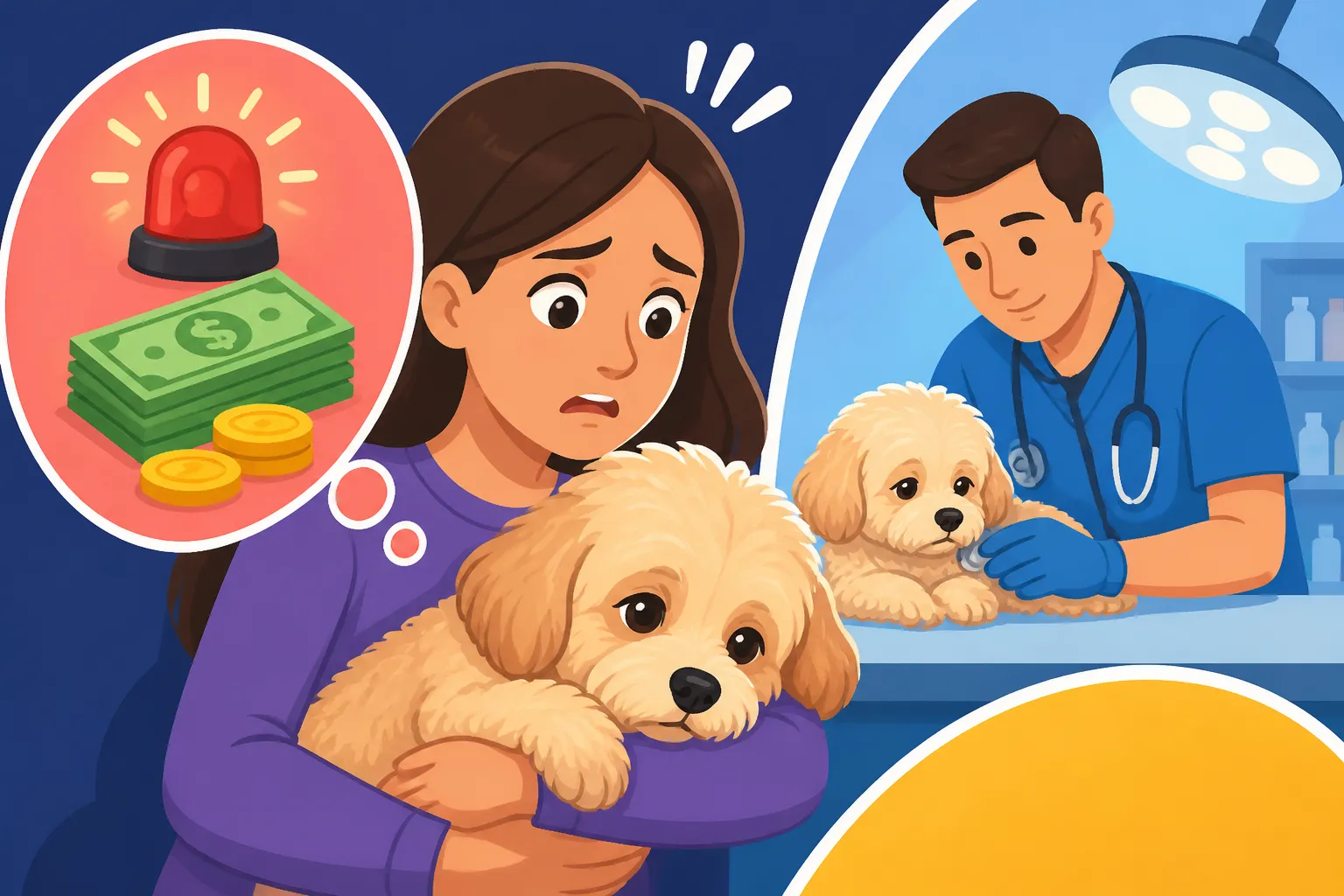
What an Emergency Sugar Crash Visit Costs a Maltipoo Owner
There’s almost nothing more terrifying than watching your tiny Maltipoo puppy suddenly go limp, glassy-eyed, or start trembling uncontrollably. It’s a heart-stopping moment that often signals a sugar crash, or hypoglycemia, a critical emergency that can escalate rapidly. This guide will walk you through what to expect regarding the costs involved when your beloved Maltipoo needs an emergency vet visit for such a harrowing experience, helping you prepare for the financial side of urgent care.
Understanding the Maltipoo Sugar Crash
The sudden onset of a sugar crash in a Maltipoo puppy can be incredibly alarming for any owner. One minute they might be playing, and the next they're unresponsive. It's crucial to understand what's happening and why these tiny dogs are so vulnerable, so you can act quickly and potentially save precious time and money.
What a Hypoglycemic Episode Looks Like
A hypoglycemic episode, or sugar crash, means your Maltipoo's blood sugar has dropped to a dangerously low level. In a tiny breed like a Maltipoo, especially a young puppy, their small bodies struggle to store enough glucose and regulate their blood sugar effectively. The signs can range from subtle to severe, and they often progress quickly. You might notice your puppy acting lethargic, seeming unusually weak, or becoming disoriented.
As the condition worsens, they may start trembling, shivering, or walking with an uncoordinated gait, as if drunk. In the most severe cases, a puppy can collapse, go limp, have seizures, or even fall into a coma. Recognizing these signs instantly is key to providing prompt care and minimizing the cost and complexity of treatment. It's why every Maltipoo owner needs to know The Signs a Maltipoo Puppy Is Crashing.
Why Maltipoos Are So Prone to This
Maltipoos, particularly those on the smaller side, inherit a predisposition to hypoglycemia due to their miniature size. Their parent breeds, the Maltese and the Poodle, are both small dogs, and when bred together, especially focusing on "teacup" sizes, the resulting puppies have very little body fat to draw on for energy reserves. Their tiny livers aren't always fully developed enough to release glucose efficiently, and their digestive systems are still learning to cope with regular meals.
This makes them highly susceptible to rapid drops in blood sugar if they skip a meal, experience stress, or even just exert too much energy. Understanding that Why a Two Pound Maltipoo Cannot Skip a Meal is critical, and it underlines the importance of strict feeding schedules and vigilant monitoring. The smaller the Maltipoo, the higher the risk, and the more careful an owner must be.
The Immediate Steps to Take at Home
If you suspect your Maltipoo is experiencing a sugar crash, immediate action at home can be life-saving and can influence the cost of veterinary care. The primary goal is to quickly raise their blood sugar. Many owners keep a tube of high-calorie nutritional supplement like Nutri-Cal or even a small amount of corn syrup or Karo syrup on hand specifically for this purpose. Rubbing a tiny bit of this onto your puppy's gums can provide a rapid glucose boost.
It's vital to stay calm and administer this carefully. Do not try to force liquid down their throat if they are unresponsive or seizing, as they could choke. Once you’ve administered the sugar, even if they seem to perk up, a vet visit is still highly recommended to ensure they are stable and to rule out any underlying issues. Knowing What to Do When a Maltipoo Goes Limp is empowering, but it should always be followed by professional medical assessment.
The Initial Emergency Vet Visit
When you arrive at an emergency veterinary clinic with a suspected sugar crash, the team will act swiftly. These clinics are equipped for critical situations, which also means their services come with specific pricing structures reflecting the specialized care, equipment, and immediate availability they offer around the clock.
Triage and Stabilization Costs
The first thing that happens at an emergency vet is triage. A veterinary technician or vet will assess your Maltipoo's condition to determine the severity and prioritize treatment. For a hypoglycemic pup, stabilization is the immediate concern. This often involves administering IV fluids mixed with dextrose (a form of sugar) directly into their bloodstream to quickly normalize blood sugar levels. They may also monitor your dog's vital signs closely, including heart rate, respiration, and temperature.
The cost for this initial stabilization can vary widely based on the clinic and the severity of your dog's condition. It typically includes an emergency examination fee, the cost of IV fluids and dextrose, and any necessary monitoring. This phase is critical, and while it's an expense, it's often what saves your Maltipoo's life. Think of it as a life-support stabilization fee, covering the immediate, intensive intervention required.
Diagnostic Tests and What They Reveal
Once your Maltipoo is somewhat stable, the veterinary team will likely recommend a series of diagnostic tests. These tests are essential not just to confirm hypoglycemia but to try and uncover why it happened, especially if it’s a recurrent issue or if your puppy is older than the typical high-risk age. Blood work is almost certainly on the agenda, which would include a complete blood count (CBC) and a chemistry panel. These tests can reveal organ function, electrolyte imbalances, and, most importantly, the exact blood glucose levels.
Sometimes, further tests might be needed, such as a bile acid test if a liver shunt is suspected—a condition some Maltipoos can inherit. Abdominal ultrasounds might also be performed to look for structural abnormalities or tumors that could contribute to sugar regulation problems, though this is less common in young puppies primarily crashing due to size. Each test adds to the overall bill, but they provide crucial information for long-term management.
| Test Type | Purpose | Relative Cost Impact |
|---|---|---|
| Emergency Exam Fee | Immediate assessment and prioritization of care | Moderate |
| IV Dextrose/Fluids | Rapid blood sugar normalization and hydration | Moderate |
| Blood Glucose Check | Confirm hypoglycemia and monitor response to treatment | Low |
| Complete Blood Count | Assess red/white blood cells, hydration, infection | Moderate |
| Chemistry Panel | Evaluate organ function (kidneys, liver), electrolytes, protein | Moderate |
| Bile Acid Test | Screen for liver shunt (if suspected) | High |
| Abdominal Ultrasound | Detailed imaging of internal organs (if needed) | High |
Medications and Supportive Care
Beyond the initial IV drip, your Maltipoo might require additional medications and supportive care, depending on their recovery and any underlying causes. If they experienced seizures, anti-seizure medication might be prescribed temporarily or for ongoing management. If they were severely dehydrated or went for a long period without food, appetite stimulants or anti-nausea medications could be given to encourage eating.
The vet might also send you home with a tube of a high-calorie supplement, similar to the one you might use for immediate at-home first aid, to ensure you can quickly intervene if another episode occurs. Instructions on frequent small feedings, especially for young puppies, will also be paramount. These take-home medications and supplies, while necessary, will be added to your total emergency vet bill. They are an investment in keeping your Maltipoo stable once you’re back home.
Beyond the First Visit: Follow-Up and Prevention
An emergency visit is just the first step. For many Maltipoos, particularly puppies susceptible to low blood sugar, ongoing management and preventative measures are essential. These long-term strategies also come with their own set of costs, but they are generally less acute than an emergency, allowing for better planning.
Ongoing Monitoring and Management
After a hypoglycemic episode, your vet will likely want to schedule follow-up appointments to monitor your Maltipoo's progress, especially if underlying causes are still being investigated or if they are a very young puppy. These appointments are crucial to ensure blood sugar levels remain stable and that the recovery is complete. You may be advised to monitor their weight closely, as The Weight at Which a Maltipoo Puppy Is at Risk is a key factor in hypoglycemia.
For some Maltipoos, particularly those who have recurrent episodes, long-term management might involve medication or specialized diets. Regular blood glucose checks, either at home with a pet glucometer or at the vet, might also become part of the routine. These ongoing costs are about keeping your Maltipoo healthy and preventing future emergencies, which ultimately saves you from more expensive crisis care.
Dietary Changes and Nutritional Support
Diet plays a monumental role in preventing sugar crashes in Maltipoos. Your vet will almost certainly recommend a feeding schedule that involves frequent, small meals throughout the day, rather than one or two large ones, to keep blood sugar levels steady. This might mean feeding your tiny pup three or four times a day, sometimes even more for very young or particularly small individuals. Companies like Chewy offer a wide variety of small-breed specific foods and slow feeders that can help manage meal times effectively.
Some owners opt for fresh food diets, like those offered by Ollie, which can be precisely portioned and customized to a dog’s caloric needs. While these can sometimes be a higher upfront cost than traditional kibble, for a sensitive Maltipoo, the consistent nutrition can be invaluable in preventing health crises. Additionally, your vet might suggest specific high-quality, calorie-dense foods or supplements to ensure your Maltipoo gets adequate nutrition and energy. Remember, Keeping Nutri-Cal on Hand for a Maltipoo Puppy is always a good idea.
Preventative Measures and Long-Term Costs
Investing in preventative measures is perhaps the most cost-effective approach to managing hypoglycemia in your Maltipoo. This includes not only consistent feeding but also managing stress, which can trigger crashes. Providing a warm, quiet, and predictable environment, especially for puppies, can make a huge difference. Regular, but not overly strenuous, exercise is also important for overall health.
You might also consider items like a small, insulated carrier for travel to maintain a stable body temperature, or even soft, warm sweaters if your Maltipoo tends to get cold easily, as regulating temperature also burns calories. These small, ongoing investments in quality food, supplements, and a comfortable environment are essential for a Maltipoo and drastically reduce the likelihood of costly emergency visits down the line. It's all about proactive care, especially for a breed as delicate as a Maltipoo puppy.
Navigating the Financial Impact of an Emergency
When an emergency strikes, the last thing you want to worry about is the bill. However, understanding the financial landscape of emergency veterinary care for a Maltipoo’s sugar crash is essential for every owner. Being prepared can alleviate some of the stress during an already difficult time.
Breaking Down the Veterinary Bill
An emergency veterinary bill for a sugar crash can be complex, often itemizing every service, medication, and piece of equipment used. You’ll typically see charges for the emergency examination itself, which is often higher than a regular vet visit due to the immediate availability and specialized staff. Then there will be line items for IV fluids, the dextrose administered, and the catheter used for the IV. Diagnostic tests, such as blood work, will be itemized separately, with each specific test incurring its own cost.
If your Maltipoo needed to stay for observation, there will be charges for hospitalization per day or even per hour, which includes nursing care and ongoing monitoring. Any take-home medications or special foods will also be added. It’s a cumulative total that can quickly climb, and it's important to know that these services are priced to reflect the immediate, life-saving care provided outside of standard business hours.
The Role of Pet Insurance
This is where pet insurance truly shines, especially for breeds known for specific vulnerabilities like hypoglycemia in Maltipoo puppies. Having a policy in place before an emergency strikes can make a significant difference in your ability to afford the best possible care without financial strain. Pet insurance providers, such as Healthy Paws, often cover emergency visits, diagnostic tests, hospitalizations, and medications, as long as the condition isn't pre-existing.
It’s crucial to sign up for pet insurance when your Maltipoo is young and healthy to avoid exclusions for pre-existing conditions. While you'll have a monthly premium, a deductible, and a reimbursement percentage, the peace of mind knowing that a large portion of an unexpected emergency bill could be covered is priceless. Owners often wonder What Insuring a Maltipoo Runs Monthly, but the investment can easily pay for itself in a single emergency.
Alternative Payment Options
Even with pet insurance, or if you don't have it, there are often alternative ways to manage emergency vet costs. Many veterinary clinics offer payment plans directly, allowing you to spread out the cost over several months. There are also third-party financing options like CareCredit, which acts like a credit card specifically for healthcare expenses, often offering interest-free periods if paid in full within a certain timeframe.
It’s also wise to have an emergency fund specifically for your pet. Even setting aside a small amount each month can build up a cushion for unexpected vet bills. Discussing financial options with the veterinary staff before treatment begins, if possible, can help you make informed decisions without added stress. Ultimately, preparing for potential health challenges is part of being a responsible Maltipoo owner, and understanding all your payment options can make a world of difference.
Disclaimer
This article is for general informational purposes only and does not constitute professional advice. Laws, prices and regulations vary by location and change over time. Consult a qualified professional for guidance on your specific situation.