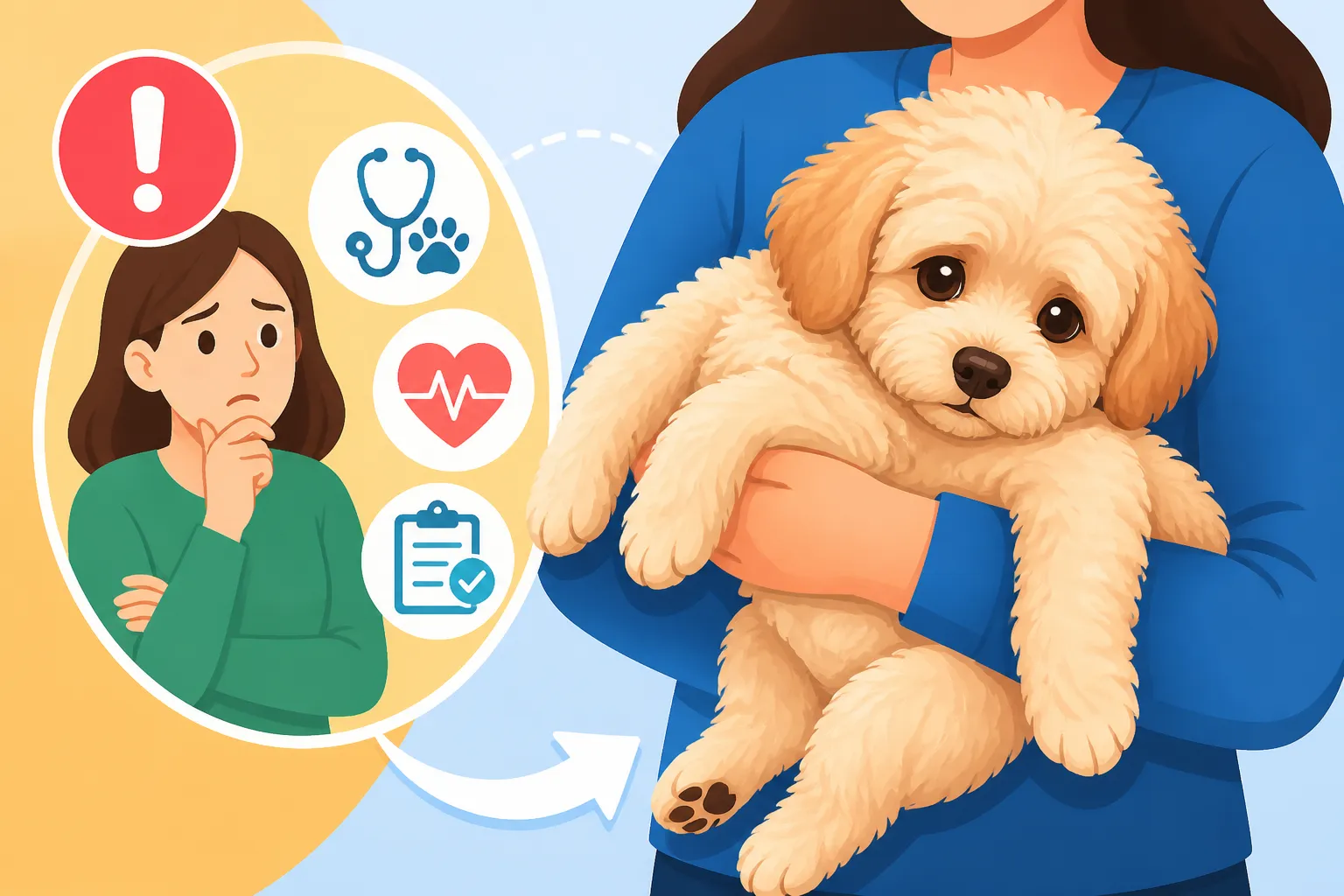
What to Do When a Maltipoo Goes Limp
There's nothing quite as heart-stopping as seeing your beloved Maltipoo suddenly go limp. One moment they're their usual playful self, maybe even just scampering across the living room, and the next they're a floppy, unresponsive bundle, unable or unwilling to move. That sudden loss of control, that terrifying stillness, immediately sends a wave of panic through you, leaving you frantically searching for answers and desperate to help. This guide is designed to cut through that fear, offering clear, actionable steps for what to do when your Maltipoo loses mobility, exploring the common culprits behind such episodes, and preparing you for these alarming, often unexpected, situations.
Understanding Why Your Maltipoo Might Go Limp
When your Maltipoo goes limp, it's a dramatic sign that something is seriously amiss, and it demands immediate attention. The specific cause can range from an acute injury to a sudden onset of an underlying health condition, or even a reaction to something in their environment. Knowing the potential reasons can help you provide crucial information to your vet, even if you can't diagnose it yourself.
Sudden Injuries and Traumas
Small dogs like Maltipoos are incredibly delicate, far more so than their spirited personalities often let on. A seemingly minor fall for a human can be catastrophic for them. If your Maltipoo suddenly goes limp, especially after an observable incident, trauma is a primary suspect.
Imagine your little one, full of beans, deciding to leap from the sofa to greet you, misjudging the distance, and landing awkwardly. What happens next can be a horrifying sight – a yelp, followed by a limp, unresponsive body. These types of falls can lead to fractures, sprains, or even more severe internal injuries that aren't immediately visible. It’s not just big jumps, either. Getting accidentally stepped on, a rough tumble during play with another dog, or even a sudden impact with a piece of furniture can cause instant lameness or full-body weakness. Their small, fine bones are simply not built to withstand the same forces a larger dog or human can. This is why it’s so important to supervise playtime closely and consider safety measures like steps or ramps for furniture. Even a short fall can make you wonder, Whether a Maltipoo Breaks a Leg Jumping Off a Sofa.
Underlying Health Conditions
Sometimes, the limpness isn't a result of an obvious accident but a manifestation of an ongoing or suddenly exacerbated health issue. Maltipoos, while generally robust, do inherit certain predispositions from their Maltese and Poodle lineage.
One of the most concerning, especially for puppies or very small adults, is hypoglycemia, or dangerously low blood sugar. This condition can strike quickly, turning an active puppy into a lethargic, weak, or even comatose state. It's particularly prevalent in tiny pups because their bodies struggle to regulate blood sugar levels. If you have a young Maltipoo, understanding Hypoglycemia and the Teacup Maltipoo Puppy is vital. Another common issue, often leading to a sudden yelp and refusal to use a leg, is a luxating patella, where the kneecap slips out of place. While it can be a chronic condition, a severe slip can cause sudden, intense pain and complete immobility of the affected leg. You might notice a skip in their step for weeks, but then one wrong move causes a complete collapse. Conditions like Legg-Calve-Perthes disease, affecting the hip joint, can also cause severe lameness, though often more gradually. Even neurological issues like intervertebral disc disease (IVDD), while less common in Maltipoos than in some other small breeds, can cause sudden weakness or paralysis in the hind limbs, leading to a limp or dragging gait.
Reactions and Toxicity
Beyond injuries and chronic conditions, sometimes a sudden limp or collapse can be a reaction to something external. This is where the detective work becomes critical.
Anaphylactic shock from a bee sting, an insect bite, or a severe allergic reaction to food or medication can cause extreme weakness, swelling, and even collapse. Their small size means their bodies react intensely and rapidly. If your Maltipoo has a known allergy, always be extra vigilant. Furthermore, accidental ingestion of toxins can have devastating effects. Common household items like certain human medications (painkillers, antidepressants), rat poison, antifreeze, certain plants, or even food items like chocolate or xylitol can lead to neurological symptoms including weakness, disorientation, seizures, and ultimately, limpness or collapse. The signs can appear quickly, within minutes to hours, depending on the substance and the amount ingested. If you suspect any kind of poisoning, time is absolutely of the essence.
Immediate First Steps When Your Maltipoo Goes Limp
When your Maltipoo suddenly goes limp, the moments immediately following are critical. It's natural to feel overwhelmed with fear, but taking swift, calm, and organized action can make a profound difference in the outcome. Your priority is to ensure their safety, assess the situation, and get them professional veterinary help as quickly as possible.
Assessing the Situation Safely
The first thing you need to do is keep yourself calm. Panicking won't help your Maltipoo, and they can sense your stress, which will only make them more anxious. Approach your dog gently and speak to them in a soothing voice. Avoid making sudden movements that could startle them or cause further injury if they're in pain.
Carefully observe their posture and responsiveness. Are they completely limp and unresponsive, or are they able to lift their head, make eye contact, or whine? Note which limbs, if any, seem affected. Is it just one leg, or are they unable to stand at all? Look for any visible signs of injury: bleeding, swelling, unnatural angles of limbs, or exposed bone. Gently touch areas of their body, starting away from any suspected injury, to gauge their pain response. Be extremely cautious around their head, neck, and spine. If you suspect a spinal injury or severe trauma, try not to move them more than absolutely necessary. If they are completely limp, carefully check their gums – are they pink, pale, or bluish? This can indicate circulation problems. Also, try to feel their chest for breathing and a pulse, if you can locate one, on the inside of their hind leg. Remember, your goal here is observation, not diagnosis or extensive manipulation.
Stabilizing Your Maltipoo
Once you've made a quick assessment, the next step is to stabilize your Maltipoo and prepare for transport to the vet. If your dog is conscious and responsive but unable to move, try to keep them as still and comfortable as possible. You can gently slide a towel or a small blanket underneath them to create a makeshift stretcher, using it to carefully lift and move them without bending or twisting their body.
For very small Maltipoos, a carrier or even a laundry basket lined with soft blankets can provide a secure, contained space for transport. Keep them warm – small breeds lose body heat quickly, especially when in shock. Wrap them snugly in a blanket or towel. If your Maltipoo puppy is particularly small, and you suspect low blood sugar due to lethargy or unresponsiveness, a small amount of Karo syrup or Nutri-Cal rubbed on their gums can be a temporary lifeline before reaching the vet. This is not a cure, but a vital first aid step, especially if you know your pup is prone to Hypoglycemia and the Teacup Maltipoo Puppy. Do not try to force-feed them anything by mouth if they are unconscious or choking. During this time, keep other pets and children away to reduce stress on your injured or ill Maltipoo. The environment should be as quiet and calm as possible to minimize further distress.
Contacting Your Veterinarian
As soon as you notice your Maltipoo going limp, call your veterinarian immediately. Do not wait to see if it improves. This is a clear emergency. Explain precisely what happened: when you noticed it, any possible cause (e.g., a fall, eating something), and the symptoms you're observing (e.g., limpness in one leg, complete collapse, pale gums, difficulty breathing).
Be prepared to answer questions about their recent activities, eating habits, any medications they're on, or anything new in their environment. Your vet will advise you on the best course of action – whether to head to their clinic, an emergency veterinary hospital, or if there are any first aid steps you can take at home while en route. They might also advise you on how to best transport your pet to prevent further injury. Having a plan for emergency vet visits is crucial, and knowing where your nearest 24-hour animal hospital is located can save precious time. Many pet owners consider pet insurance from companies like Healthy Paws for these kinds of unexpected emergencies, as immediate and often extensive veterinary care can be quite costly.
| Symptom Onset | Immediate Actions | Potential Causes |
|---|---|---|
| Sudden | Secure safely, gentle observation, call vet. | Trauma (fall, hit), acute injury (fracture), severe allergic reaction, seizure, stroke, severe hypoglycemia, toxin ingestion. |
| Gradual | Monitor, record observations, schedule vet visit. | Chronic conditions (patellar luxation, arthritis), progressive neurological disease, organ failure, general weakness from illness. |
| Localized | Check for swelling/pain in specific area. | Sprain, strain, localized injury, luxating patella, Legg-Calve-Perthes. |
| Generalized | Check vitals (gums, breathing), keep warm. | Hypoglycemia, shock, systemic illness, severe toxin, heatstroke/hypothermia. |
Common Causes of Limping in Maltipoos and What to Expect
While you should always consult a vet immediately when your Maltipoo goes limp, understanding the common culprits can help you process the information your vet provides and anticipate the diagnostic and treatment journey ahead. Maltipoos, being a mix of Maltese and Poodle, can inherit certain predispositions.
Musculoskeletal Issues Specific to Small Breeds
Maltipoos, like many small breeds, are unfortunately prone to a range of musculoskeletal problems that can cause sudden or progressive lameness. The most infamous is patellar luxation, where the kneecap (patella) slips out of its groove. This can happen quite suddenly, causing your Maltipoo to yelp, hold up their leg, and refuse to put weight on it. While sometimes they can "pop" it back into place themselves, a severe luxation can leave them completely unable to use the limb. It’s important to understand The Four Patella Grades and Where a Maltipoo Lands to know the severity. Surgical correction might be necessary for higher grades to prevent long-term damage and pain.
Another condition, Legg-Calve-Perthes disease, specifically affects the hip joint, leading to degeneration of the femoral head and severe pain. It often manifests in puppies or young adult dogs, causing a gradual limp that can suddenly worsen to complete non-weight bearing if the bone collapses. Fractures are also a constant risk, given their delicate bones. A misstep, a fall, or even rough handling can lead to a broken leg. The healing process for fractures often involves casts, surgery, and strict rest, which can be challenging with an active Maltipoo. Joint supplements or supportive care can help manage the chronic forms of these conditions, but immediate limping often requires emergency intervention. Being aware of Whether a Maltipoo Gets Hip Dysplasia is also good information for long-term health.
Neurological Concerns and Weakness
Neurological issues can sometimes present as sudden weakness or limpness, rather than an obvious seizure. While Maltipoos are generally not as prone to intervertebral disc disease (IVDD) as some other long-backed breeds, it's still a possibility. A slipped or herniated disc can compress the spinal cord, leading to sudden pain, weakness, or even paralysis, particularly in the hind limbs. This can make a dog appear wobbly, uncoordinated, or completely unable to move its back legs.
Seizures can also manifest in varied ways. Sometimes, after a seizure, a dog might be disoriented, weak, or temporarily blind, which could lead to a wobbly gait or partial limpness as they recover. Understanding Seizures in a Maltipoo is crucial for recognizing these post-seizure symptoms. In rare cases, a sudden onset of weakness could be linked to an underlying condition like White Shaker Syndrome, which is an inflammatory disease of the brain that causes full-body tremors, discoordination, and weakness, sometimes to the point of collapse. While it's more commonly seen in white-coated dogs, it can affect any Maltipoo and requires prompt diagnosis and treatment to manage the neurological symptoms effectively.
Systemic Illnesses Affecting Mobility
Sometimes, a Maltipoo going limp isn't about a specific limb or nerve, but a sign of a larger systemic problem affecting their entire body. Severe hypoglycemia, as mentioned, is a classic example where the entire body loses energy, leading to extreme weakness and collapse. This is particularly dangerous for small puppies, and can happen if a Why a Two Pound Maltipoo Cannot Skip a Meal.
Acute kidney failure, liver disease, or even severe infections can cause generalized weakness, lethargy, and a reluctance to move, making them appear limp. While these usually develop over time, the acute worsening of symptoms can lead to a sudden collapse. Severe allergic reactions or anaphylactic shock can also lead to a rapid drop in blood pressure and widespread swelling, resulting in profound weakness and collapse. Similarly, heatstroke can cause extreme lethargy, incoordination, and eventual collapse as the body's systems shut down. If your Maltipoo is showing signs of limpness along with other symptoms like vomiting, diarrhea, difficulty breathing, or changes in gum color, it's vital to relay all of these details to your emergency vet, as they point to a systemic issue demanding urgent and comprehensive medical attention.
Long-Term Care and Prevention Strategies
Dealing with your Maltipoo going limp is terrifying, and once the immediate crisis is over, you'll want to do everything you can to prevent a recurrence and ensure their long-term health and mobility. Proactive care, careful management of their environment, and consistent veterinary oversight are key.
Managing Chronic Conditions
If your Maltipoo's limpness was caused by a chronic condition like patellar luxation, arthritis, or a neurological issue, managing it effectively will be an ongoing commitment. This often involves a multi-faceted approach. Your vet might prescribe pain management medication, anti-inflammatory drugs, or joint supplements containing glucosamine and chondroitin to support joint health. For dogs with patellar issues, physical therapy can play a crucial role in strengthening the muscles around the knee, improving stability.
Weight management is also incredibly important. Even a few extra pounds can put significant strain on delicate joints and exacerbate conditions like luxating patellas or hip problems. Your vet can help you determine the ideal weight for your Maltipoo and recommend a suitable diet. In some cases, specialized prescription diets designed for joint health might be beneficial. Regular, gentle exercise is also important to maintain muscle mass and joint flexibility, but always follow your vet's specific recommendations to avoid overexertion or further injury. For owners dealing with significant chronic conditions, it's worth noting that robust pet insurance plans, such as those offered by Healthy Paws, can significantly ease the financial burden of ongoing treatments, medications, and specialist consultations.
Creating a Safe Environment
Prevention starts at home. Given their small size and delicate nature, Maltipoos are vulnerable to injuries from falls and impacts that larger dogs might shrug off. One of the simplest and most effective preventative measures is to minimize opportunities for falls. This means providing ramps or pet steps for furniture like sofas and beds that they might jump on or off. Thinking about Whether a Maltipoo Should Use Steps to the Sofa is a great proactive step.
Ensure that your home has non-slip surfaces, especially in areas where they run and play, as slick floors can lead to slips and falls that stress their joints. Keep pathways clear of clutter that could cause them to trip. Supervise them closely, especially around children or larger pets, to prevent accidental trampling or rough play that could lead to injury. If they have outdoor access, ensure the area is secure and free from hazards like sharp objects, toxic plants, or open water. Child-proofing your home by securing cabinets and keeping medications and chemicals out of reach is also essential to prevent accidental poisoning. A safe, secure environment reduces the risk of sudden injuries that could lead to limping or worse.
Regular Veterinary Check-ups and Early Detection
Consistent, routine veterinary care is the cornerstone of long-term health and crucial for the early detection of potential problems that could lead to mobility issues. Don't skip those annual check-ups, and make sure your Maltipoo gets The Yearly Checks a Maltipoo Should Get. During these visits, your vet can perform a thorough physical examination, checking their joints, gait, and overall health. They can identify subtle signs of conditions like patellar luxation or early arthritis before they become severe enough to cause a sudden collapse.
Regular blood work can help monitor organ function and detect metabolic issues like diabetes or early signs of liver or kidney disease, which, if left untreated, could lead to generalized weakness. Discuss any changes in your Maltipoo's behavior, energy levels, or eating habits with your vet, no matter how minor they seem. Early intervention often leads to better outcomes and can prevent conditions from progressing to the point of causing sudden limpness or immobility. Investing in a good pet insurance plan from a provider like Healthy Paws when your Maltipoo is young and healthy can also be a smart financial decision, ensuring you're prepared for any unexpected health challenges that may arise as they age.
Disclaimer
The information provided in this article is for general informational purposes only and is not intended as a substitute for professional veterinary advice, diagnosis, or treatment. Always seek the advice of your veterinarian or other qualified animal health provider with any questions you may have regarding a medical condition. Never disregard professional veterinary advice or delay in seeking it because of something you have read in this article.