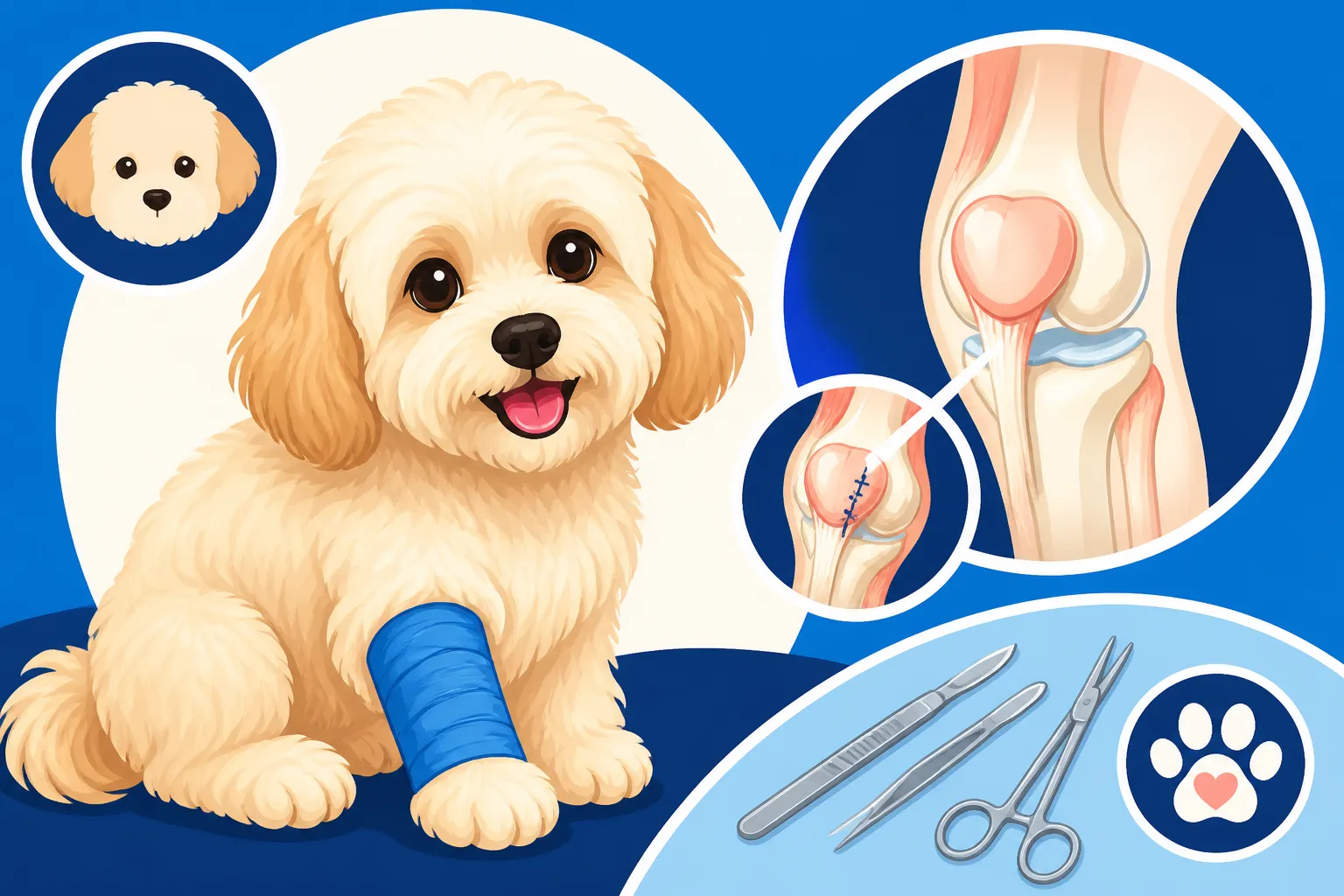
What Patella Surgery Runs on a Maltipoo
Discovering your beloved Maltipoo has a slipping kneecap can be incredibly worrying, and the thought of surgery often brings a wave of questions about what it entails, not least of which is the financial aspect. It’s a common issue for smaller breeds, and understanding what patella surgery runs on a Maltipoo is crucial for making informed decisions. This guide will meticulously break down the various cost factors, from the procedure itself to post-operative care, helping you prepare for this significant investment in your furry friend’s well-being.
Understanding Patellar Luxation in Maltipoos
Patellar luxation, often simply called a "slipping kneecap," is a condition where the patella (kneecap) moves out of its normal groove in the femur (thigh bone). This can cause pain, lameness, and in severe cases, the inability to bear weight on the affected leg. For Maltipoos, given their small stature and genetic predispositions, it's a concern many owners will face. It’s not just a minor annoyance; it can seriously impact your dog's quality of life and mobility over time.
Why Maltipoos Are Prone to This Condition
Maltipoos, inheriting traits from both Maltese and Poodles, are delightful little dogs, but their lineage does make them susceptible to certain orthopedic conditions. Patellar luxation is particularly prevalent in small and toy breeds. Their conformation, often characterized by shallow trochlear grooves in the femur where the kneecap should sit, and sometimes weaker ligaments, makes it easier for the patella to pop out of place. It's often a genetic issue, meaning it's something they're born with, though trauma can also cause or exacerbate it.
It's a frustrating reality for many Maltipoo owners, who do everything right for their pups only to find themselves grappling with a condition that feels out of their control. This genetic predisposition means that even well-bred Maltipoos from responsible breeders can sometimes develop the condition, though reputable breeders will screen their breeding stock to minimize the risk. Understanding that it's not a reflection of your care can help alleviate some of the initial guilt or confusion.
Diagnosing a Slipping Kneecap
The first step in understanding what patella surgery runs on a Maltipoo is getting an accurate diagnosis. This typically begins with a visit to your regular veterinarian. They'll perform a thorough physical examination, specifically manipulating your Maltipoo's knee joint to see if the patella can be manually dislodged from its groove. This palpation allows them to determine the grade of luxation, which is crucial for treatment planning. You might notice "The Skip in a Maltipoo's Walk That Means a Patella," which is often one of the first indicators that prompts a vet visit.
Beyond a physical exam, your vet will likely recommend X-rays. While X-rays don't show the kneecap moving in real-time, they provide invaluable information about the underlying bone structure, the depth of the trochlear groove, and any secondary changes like arthritis that might have developed due to chronic luxation. These images help confirm the diagnosis, assess the severity of the skeletal abnormalities, and rule out other potential causes of lameness. This diagnostic phase is the critical foundation before considering surgery.
The Core Surgical Procedure
Once patellar luxation is diagnosed and deemed surgically necessary, it's time to understand the procedure itself. The goal of patella surgery is to ensure the kneecap stays firmly within its natural groove, allowing the leg to function normally without pain or instability. There isn't just one type of patella surgery; rather, a combination of techniques is often employed, tailored to your Maltipoo's specific needs and the severity of their condition.
What the Surgery Involves
A common technique used in patellar luxation repair is called a trochleoplasty, which deepens the trochlear groove in the femur. Imagine trying to keep a marble in a shallow dish – it's prone to rolling out. Deepening that dish helps the kneecap (marble) stay put. This is often achieved by removing a wedge or block of cartilage and bone from the groove, then replacing it in a recessed position. Another critical component can be a tibial crest transposition. The tibial crest is where the patellar ligament attaches on the shin bone (tibia). If the kneecap is luxating due to the attachment point being out of alignment, the surgeon can move this bony prominence to better align the entire quadriceps mechanism, then secure it with pins.
Additionally, soft tissue release or tightening might be necessary to balance the forces around the kneecap, ensuring it tracks correctly. Sometimes, specific implants or heavy-duty sutures are used to provide additional stability during the initial healing phase. The complexity of these combined techniques directly affects "What a Surgeon Does to a Maltipoo's Kneecap" and, consequently, the overall cost. The surgeon's expertise in selecting and executing the right combination of procedures is paramount for a successful outcome.
Anesthesia and Monitoring
Any surgical procedure carries risks, and anesthesia is a significant part of that, especially for small breeds like Maltipoos. Before surgery, your vet will insist on pre-anesthetic bloodwork. This is not an optional add-on; it's a crucial step to evaluate your Maltipoo's organ function (liver and kidneys, primarily) to ensure they can safely metabolize anesthetic drugs. It's an important part of the overall cost, but one that absolutely should not be skipped.
During the surgery, your Maltipoo will be under continuous monitoring by a dedicated veterinary technician. This involves tracking heart rate, respiratory rate, blood pressure, oxygen saturation, and body temperature. Small dogs, in particular, can be more susceptible to hypothermia and anesthetic complications, making this vigilant monitoring even more vital. The advanced equipment and skilled personnel required for safe anesthesia and monitoring contribute significantly to the total bill, but they are essential for minimizing risks and ensuring a smooth procedure for your precious pup.
Factors Influencing the Cost of Patella Surgery
The question of what patella surgery runs on a Maltipoo doesn't have a single, simple answer. It's a spectrum of costs influenced by several key factors. Understanding these variables can help you anticipate the potential financial commitment and plan accordingly. It's rarely just one lump sum; rather, it's an accumulation of different services and expertise.
Grade of Luxation and Surgical Complexity
The severity of your Maltipoo's patellar luxation is perhaps the biggest determinant of surgical cost. Vets typically grade luxation from I to IV:
- Grade I: The kneecap can be manually luxated but immediately returns to its normal position. Surgery is rarely needed at this stage.
- Grade II: The kneecap spontaneously luxates but can be manually reduced. This is often where symptoms become noticeable, like "The Age a Maltipoo's Kneecap First Slips" and intermittent limping. Surgery is frequently recommended here.
- Grade III: The kneecap is luxated most of the time but can be manually reduced. This grade almost always requires surgical intervention.
- Grade IV: The kneecap is permanently luxated and cannot be manually reduced. This is the most severe and often requires the most extensive and complex surgical repair.
As you might imagine, a Grade IV luxation will typically require more intricate surgical techniques, longer operating times, and potentially more specialized tools or implants than a Grade II. This increased complexity directly translates to higher fees for the veterinary surgeon and the facility. Sometimes, if one kneecap is severely affected, the other might also have a lower grade luxation, leading to discussions about whether "Whether Both of a Maltipoo's Knees Go" and if simultaneous or staged surgeries are necessary, doubling the costs.
Geographic Location and Veterinary Expertise
Just like human medical procedures, the cost of veterinary surgery can vary significantly based on where you live. Veterinary practices in major metropolitan areas or regions with a higher cost of living generally have higher overheads, which are reflected in their service fees. A small town clinic might offer a lower price than a bustling city veterinary hospital, though specialized care might be harder to find in rural areas.
Furthermore, the expertise of the veterinary surgeon plays a huge role. While many general practice veterinarians can perform some orthopedic surgeries, for complex patellar luxations, your regular vet might recommend a referral to a board-certified veterinary orthopedic surgeon. These specialists have undergone extensive additional training and certification in surgical procedures, and their specialized knowledge and experience command higher fees. While a specialist might seem more expensive upfront, their expertise can lead to a more successful outcome and potentially fewer complications, which can save money in the long run.
Pre-Operative Diagnostics and Post-Operative Care
The surgical fee itself is just one piece of the puzzle. What patella surgery runs on a Maltipoo also includes the necessary care both before and after the procedure. As mentioned, pre-operative bloodwork is standard. Additional diagnostics might include more advanced imaging, like a CT scan, if the surgeon needs a clearer picture of the bone structure, although this is less common for routine patella repairs.
Post-operative care is equally critical for a successful recovery and represents another significant cost. This includes:
- Medications: Your Maltipoo will need pain medication and anti-inflammatory drugs to manage discomfort and swelling during recovery.
- Follow-up visits: Multiple follow-up appointments will be necessary to monitor healing, check incision sites, and eventually remove sutures. X-rays might be taken at these visits to confirm the patella is staying in place.
- Physical therapy: This is often overlooked but can be vital for restoring full mobility and strength. "What Physiotherapy After Maltipoo Knee Surgery Costs" can be substantial, involving a series of sessions with a certified canine rehabilitation therapist. These sessions might include hydrotherapy, therapeutic exercises, and massage.
- Special supplies: You'll likely need an Elizabethan collar (cone) to prevent your Maltipoo from licking the incision, possibly an orthopedic bed, or ramps to avoid strenuous jumps, such as steps to the sofa. You can find many of these recovery essentials on sites like Chewy, making it easier to manage the logistics of post-op life.
Each of these components adds to the overall cost, so it’s important to factor them into your budget from the very beginning.
Managing the Financial Impact: Insurance and Other Options
Facing a potentially costly surgery for your Maltipoo can be overwhelming, but there are ways to manage the financial impact. Planning ahead, even before any health issues arise, is always the best strategy.
The Role of Pet Insurance
Pet insurance can be an absolute lifesaver when unexpected health issues like patellar luxation strike. Many pet insurance providers offer plans that can cover a significant portion of surgical costs, including diagnostics, the procedure itself, hospitalization, and even post-operative care like physical therapy. However, there's a crucial caveat: pet insurance typically operates on an exclusion basis for pre-existing conditions. This means that if your Maltipoo is diagnosed with patellar luxation before you enroll in a policy or during the waiting period, that condition will likely not be covered.
This is why it's so important to consider "Insuring a Maltipoo Before Its Knees Go." Companies like Healthy Paws are popular choices, and researching their specific policies regarding hereditary conditions and waiting periods is essential. Some plans may have longer waiting periods for orthopedic issues. While monthly premiums are an ongoing expense, the peace of mind and financial relief they can provide when a major surgery is needed can be invaluable. Always read the fine print to understand what is covered, the deductible, and the reimbursement percentage.
Budgeting for Recovery and Long-Term Care
Beyond the immediate surgical costs, budgeting for the recovery period and long-term care is vital. Your Maltipoo's journey doesn't end when they leave the operating room. They'll need dedicated care at home to ensure proper healing. This could involve restricting activity for weeks, managing their pain, and potentially continuing joint supplements or a specific diet to support recovery and overall joint health.
Consider setting aside an emergency fund specifically for your pet's health needs. If pet insurance isn't an option or doesn't cover all costs, some veterinary practices offer payment plans, or you might look into third-party medical financing options specifically for pets. For ongoing nutritional support that could aid in recovery or help maintain an ideal weight to reduce stress on joints, exploring options like Ollie, which provides fresh, custom-portioned meals, might be a consideration. Maintaining an ideal weight is key, as an overweight Maltipoo puts additional strain on their joints, potentially increasing the risk of re-injury or luxation in the other knee. Remember, this is a significant commitment, but the reward is a happier, more mobile Maltipoo.
Breakdown of Potential Cost Components for Patella Surgery
To give you a clearer picture of what contributes to the overall expense, here's a table outlining the typical components of patella surgery costs. Please remember that specific figures will vary greatly depending on the factors discussed above, and you should always obtain a detailed estimate from your veterinary clinic or specialist.
| Cost Component | Description |
|---|---|
| Pre-operative Diagnostics | Veterinary consultation, physical examination, palpation for luxation grade, X-rays to assess bone structure and severity. May include blood tests to check organ function for anesthesia safety. |
| Surgical Fees | Charges for the surgeon's time and expertise. This can vary based on the complexity of the luxation (Grade I-IV), the techniques required (e.g., trochleoplasty, tibial crest transposition), and whether a specialist surgeon is involved. |
| Anesthesia and Monitoring | Cost of anesthetic drugs, gas anesthesia, and the dedicated veterinary technician's time for monitoring vital signs (heart rate, respiration, blood pressure, oxygen) during the entire procedure. |
| Hospitalization | Overnight stay or day-stay at the veterinary clinic for post-surgical recovery, pain management, and initial monitoring. Includes kennel fees, nursing care, and sometimes IV fluids. |
| Medications | Post-operative pain relief, anti-inflammatory drugs, and sometimes antibiotics to take home. |
| Follow-up Appointments | Subsequent vet visits to check incision healing, remove sutures, and assess initial recovery progress. May include follow-up X-rays to confirm successful patella alignment. |
| Physical Therapy/Rehabilitation | Sessions with a certified canine rehabilitation specialist, which can involve hydrotherapy, therapeutic exercises, and massage to restore strength and mobility. Often a series of sessions over several weeks or months. |
| Recovery Supplies | Elizabethan collar (cone), orthopedic bedding, joint supplements, ramps or steps for furniture access, and potentially special harnesses or slings to aid mobility during the initial recovery phase. |
What patella surgery runs on a Maltipoo is indeed a significant investment, often reflecting the advanced medical care, specialized equipment, and dedicated expertise required to perform such a delicate procedure on a small dog. While the initial sticker shock can be considerable, the long-term benefits of alleviating pain, restoring mobility, and improving your Maltipoo's quality of life are often priceless. Always discuss all aspects of the costs and recovery with your veterinarian to ensure you have a clear understanding and can make the best decision for your cherished companion.
Disclaimer
This article is for general informational purposes only and does not constitute professional advice. Laws, prices and regulations vary by location and change over time. Consult a qualified professional for guidance on your specific situation.