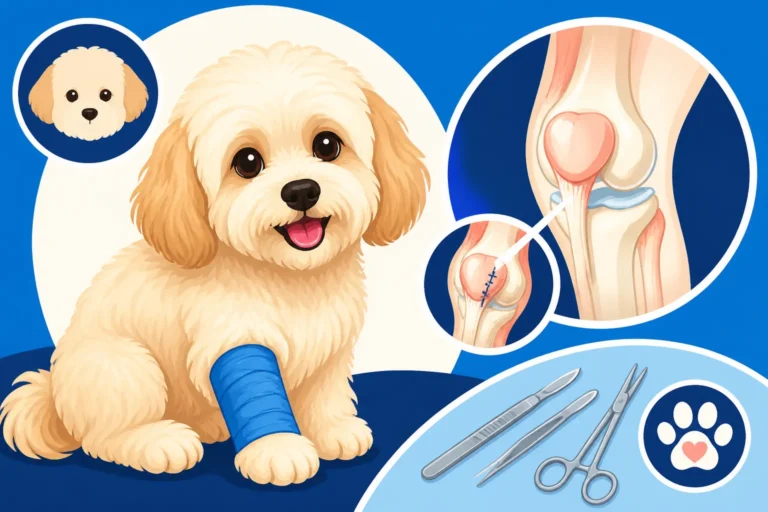
What Shunt Surgery Costs on a Maltipoo
Discovering that your precious Maltipoo puppy has a liver shunt can be absolutely heartbreaking, plunging you into a whirlwind of worry, not just for their health, but also for the daunting financial implications. This guide is here to walk you through the various costs associated with diagnosing and treating a portosystemic shunt, from the initial vet visits to the potential surgical expenses and long-term care, helping you understand the full financial landscape so you can make informed decisions for your furry family member.
Understanding Portosystemic Shunts in Maltipoos
When you bring a Maltipoo into your life, you're often drawn to their adorable looks and lively personality. What many new owners don't realize is that some of their genetic predispositions, particularly from the Maltese side, can come with significant health challenges. One of the most serious is a portosystemic shunt, a condition that can be truly devastating if not addressed.
What is a Liver Shunt and Why Maltipoos are at Risk?
A liver shunt, medically known as a portosystemic shunt (PSS), is essentially an abnormal blood vessel that bypasses the liver. In a healthy dog, blood from the digestive system flows directly to the liver, where toxins are filtered out and nutrients are processed before the blood returns to general circulation. With a shunt, this crucial filtering process is compromised. The blood, full of metabolic waste products, goes straight into the systemic circulation, leading to a buildup of toxins in the bloodstream, which can severely impact the brain and other organs.
Maltipoos, as a crossbreed of the Maltese and Poodle, can inherit predispositions from either parent. Unfortunately, the Maltese breed is known for its higher incidence of congenital portosystemic shunts. This means that a Maltipoo puppy can be born with this condition, inheriting it through their genetic lineage. These shunts are typically classified as either intrahepatic (inside the liver) or extrahepatic (outside the liver), with extrahepatic shunts being more common in smaller breeds like the Maltese and, by extension, the Maltipoo. It's a cruel twist of fate that this tiny, innocent creature can be born with such a complex and life-threatening condition. Knowing that your Maltipoo can inherit this from their Maltese parent highlights why understanding their genetic background is so vital, and it’s why topics like The Liver Shunt a Maltipoo Can Inherit From the Maltese are so important for prospective owners.
Recognizing the Signs and Initial Diagnosis Steps
The signs of a liver shunt in a Maltipoo puppy can vary widely, and they often aren't immediately obvious, which adds to the frustration and delay in diagnosis. Many owners might first notice that their puppy isn't growing as expected, appearing smaller or weaker than littermates, often described as "failure to thrive." Neurological symptoms are also very common due to the toxins affecting the brain. This can manifest as disorientation, lethargy, circling, staring into space, blindness, or even seizures. Digestive issues like vomiting, diarrhea, or a poor appetite are also frequent indicators. Sometimes, a puppy might seem perfectly fine after a meal, only to become listless or develop tremors a few hours later, as toxins accumulate post-digestion.
If you observe any of these concerning symptoms, your first step will be an urgent visit to your veterinarian. The initial diagnostic process usually begins with routine blood tests. A complete blood count (CBC) and biochemistry panel can reveal abnormalities such as elevated liver enzymes (though sometimes they can be normal), low blood urea nitrogen (BUN), low albumin, and abnormal glucose levels. However, the most definitive non-invasive blood test for a shunt is a pre- and post-prandial bile acid test. This test measures the liver's ability to process bile acids before and after a meal, and abnormal results are a strong indicator of a shunt. You'll want to be prepared for these initial costs, as they are crucial in guiding further investigations. Knowing The Signs a Maltipoo Puppy Has a Shunt can help you act quickly, and your vet will likely recommend The Liver Shunt Test a Maltipoo Puppy Should Have as a key diagnostic step.
The Initial Diagnostic Journey and Its Costs
Once a liver shunt is suspected based on clinical signs and initial blood work, the next phase involves more specialized diagnostics to confirm the diagnosis, determine the type and location of the shunt, and assess the overall health of your Maltipoo. This journey can quickly become financially demanding, involving a series of tests and potentially specialist consultations.
Initial Vet Consultations and Bloodwork
The very first steps, after noticing something is amiss, involve several trips to your regular veterinarian. Each visit incurs a consultation fee, which can vary depending on your location and the clinic. During these visits, your vet will perform a thorough physical examination, discuss your Maltipoo’s symptoms, and recommend initial blood tests. These typically include a complete blood count (CBC) to check for anemia or infection, and a general chemistry panel to assess organ function, electrolytes, and blood sugar levels. A urinalysis might also be done to check kidney function and rule out other issues.
If the initial bloodwork points towards liver dysfunction, your vet will likely suggest the definitive blood test for a shunt: the pre- and post-prandial bile acid test. This specialized test involves taking a blood sample after your Maltipoo has fasted, giving a small meal, and then taking another blood sample a couple of hours later. The cost of these blood tests, including the lab fees, can add up. While these initial steps are indispensable, they are just the beginning of understanding the full scope of the problem. Many owners find themselves grappling with these accumulating costs, sometimes comparable to what What an Emergency Sugar Crash Visit Costs a Maltipoo Owner might be for an entirely different urgent issue.
Advanced Imaging and Specialist Referrals
Confirming a liver shunt and planning treatment requires more than just blood tests; it requires seeing the abnormal vessel. This is where advanced imaging comes into play, and often, a referral to a veterinary specialist is necessary. An abdominal ultrasound performed by an experienced veterinary radiologist is usually the next step. This imaging technique can often visualize the shunt, determining if it's intrahepatic or extrahepatic, and assessing the size and health of the liver. The cost of a specialist ultrasound can be substantial, as it requires specialized equipment and expertise.
In some cases, an ultrasound might not provide all the necessary information, or the shunt might be particularly complex. In these situations, your vet might recommend even more advanced imaging like a CT (Computed Tomography) scan or an MRI (Magnetic Resonance Imaging). These scans offer highly detailed images, which are crucial for surgeons to accurately plan the delicate procedure. A CT scan, especially with contrast, is often considered the gold standard for shunt imaging. These sophisticated diagnostic tools come with a significant price tag, reflecting the specialized equipment, anesthesiologist fees (since your Maltipoo will need to be sedated), and the radiologist's interpretation. Referrals to an internal medicine specialist or a veterinary surgeon at this stage also incur consultation fees, often higher than those of a general practitioner. These specialists provide expert opinions and guidance on the best course of action.
The Surgical Intervention Itself: Breaking Down the Costs
Once a liver shunt is confirmed and deemed operable, surgery is often the best long-term solution. However, this is where the financial commitment becomes truly substantial. Shunt surgery is a complex, delicate procedure, and the costs involved reflect the high level of skill, specialized equipment, and intensive post-operative care required.
Surgeon's Fees and Anesthesia
The surgeon's fee is one of the largest components of the overall cost. Liver shunt surgery is not a routine procedure; it requires a board-certified veterinary surgeon with extensive experience in soft tissue surgery and, specifically, portosystemic shunts. The complexity of the shunt (intrahepatic shunts are generally more challenging than extrahepatic ones), the size of your Maltipoo, and the region you live in can all influence the surgeon's fees. You are paying for their years of education, specialized training, and the intricate skill needed to perform such a life-saving operation.
Anesthesia for a small breed like a Maltipoo, especially one with a compromised liver, is also a critical and costly aspect. Liver disease can affect how your dog metabolizes anesthetic drugs, making the process more risky. Therefore, a board-certified veterinary anesthesiologist is often involved, or at the very least, a highly skilled veterinary technician dedicated solely to monitoring anesthesia. Continuous monitoring of heart rate, blood pressure, oxygen saturation, and temperature is essential. The cost covers the expertise of these professionals, the specialized anesthetic drugs, and the monitoring equipment used to keep your tiny Maltipoo safe throughout the procedure. It's an area where cutting corners simply isn't an option, as the risks associated with anesthesia for a small dog with liver issues are already heightened. Understanding nuances like Whether a Maltipoo Under Five Pounds Can Be Anesthetized really underscores the complexity and associated costs here.
Operating Room, Equipment, and Supplies
Beyond the direct fees for the surgical and anesthesia teams, there are significant overhead costs associated with the surgical environment itself. This includes the use of a sterile operating room, which must meet stringent standards to prevent infection. Specialized surgical instruments, many of which are single-use or require extensive sterilization, contribute to the overall bill. Furthermore, the supplies used during the surgery—such as sutures, drapes, intravenous fluids, bandages, and medications administered during the procedure—all add up.
For shunt surgery, particularly with intrahepatic shunts, advanced techniques might be employed, such as fluoroscopy (a real-time X-ray procedure) or laparoscopy (minimally invasive surgery), which require even more specialized equipment and trained personnel. These technologies, while improving outcomes, naturally increase the cost. The hospital facility itself, with its state-of-the-art equipment and infrastructure, also needs to be maintained, and these costs are factored into the overall surgical fee. It's a comprehensive package of care, technology, and expertise that makes these procedures so costly.
Post-Operative Care and Hospital Stay
The surgery itself is only one part of the journey; the post-operative period is equally critical and often involves an extended hospital stay, especially for a Maltipoo. Your dog will require intensive monitoring in a recovery ward or even an intensive care unit (ICU) for several days. During this time, they will receive intravenous fluids to maintain hydration and electrolyte balance, pain medication to manage discomfort, and potentially antibiotics to prevent infection. Their vital signs, neurological status, and recovery progress will be meticulously monitored around the clock.
The cost of this post-operative care includes daily room and board, nursing care, administration of medications, and any further diagnostic tests needed to ensure recovery is on track. For some Maltipoos, complications can arise, requiring additional interventions or a longer stay, which further drives up costs. For instance, sometimes a partial ligation (tightening) of the shunt is done, with a second surgery planned later if needed, adding another layer of expense. The goal is to ensure your Maltipoo recovers smoothly and safely from this major procedure, and the dedicated care team plays a pivotal role in achieving that. It's a significant financial outlay, but absolutely essential for a successful outcome after such a complex surgery.
Non-Surgical and Post-Surgical Management Costs
While surgery offers the best prognosis for many Maltipoos with liver shunts, it's not always an option, or it might not be the complete end of their medical journey. Even after successful surgery, some dogs require ongoing management, and those who cannot undergo surgery rely on medical management to control their condition. These long-term costs are an important part of the financial picture.
Medication and Dietary Needs
For Maltipoos undergoing medical management for an inoperable shunt, or for those recovering from surgery, specific medications are often prescribed long-term. Lactulose is a common medication used to reduce the absorption of toxins from the gut, helping to prevent hepatic encephalopathy (neurological symptoms caused by toxin buildup). Antibiotics might be prescribed to alter the gut flora and reduce ammonia-producing bacteria. Other medications might include anti-seizure drugs if neurological symptoms are severe, or liver support supplements. These medications, taken daily, represent a recurring monthly cost that can really add up over time.
Dietary management is another cornerstone of both pre- and post-surgical care, as well as for dogs on medical management. Your Maltipoo will likely need a specialized therapeutic diet that is low in protein but high-quality, designed to reduce the production of ammonia and other toxins while still providing essential nutrients. Brands like Hills Prescription Diet or Royal Canin often offer specific formulas for liver support. These specialized foods are generally more expensive than regular kibble, but they are crucial for managing the condition. Companies like Chewy or Ollie can be good resources for accessing these specialized diets and medications, often with the convenience of home delivery, which can save you time and stress, even if the products themselves are premium-priced.
Follow-Up Appointments and Tests
Whether your Maltipoo has undergone surgery or is being medically managed, regular follow-up appointments with your veterinarian or specialist are non-negotiable. These visits are essential to monitor their progress, adjust medications, and catch any potential complications early. Initially, these appointments might be frequent, such as weekly or bi-weekly, gradually becoming less frequent if your Maltipoo is stable. Each visit includes a consultation fee, and often, more blood tests.
Repeated bile acid tests and full chemistry panels will be performed to assess how well your Maltipoo's liver is functioning and if the shunt (or remaining shunting, in some cases) is under control. Monitoring liver enzyme levels, albumin, and blood urea nitrogen is crucial. Even if the shunt has been surgically corrected, some dogs may still have microscopic shunts or develop acquired shunts, requiring ongoing vigilance. Therefore, routine checks, sometimes including follow-up imaging, become a part of your Maltipoo's life. Understanding Whether a Maltipoo's Liver Values Should Be Checked regularly highlights the necessity of these ongoing diagnostic costs.
Navigating the Financial Burden: Insurance and Alternatives
The costs associated with liver shunt diagnosis and treatment can easily run into the thousands, often causing significant financial strain on loving pet owners. It's a stark reality that sometimes, the medical needs of our beloved pets can stretch our budgets to their absolute limit. Being prepared, or at least understanding your options, is crucial.
The Role of Pet Insurance
Pet insurance can be an absolute lifesaver when facing a costly condition like a liver shunt, but there are critical caveats. The most important thing to understand is that pet insurance typically does not cover pre-existing conditions. This means if your Maltipoo is diagnosed with a liver shunt before you enroll them in a policy or during the policy's waiting period, the condition will almost certainly be excluded from coverage. This is why many experienced Maltipoo owners strongly advocate for getting pet insurance as early as possible, ideally when your puppy is still very young and healthy, before any health issues manifest. This proactive approach can make a world of difference.
Policies vary widely in what they cover, deductibles, reimbursement percentages, and annual limits. When choosing a plan, it's vital to read the fine print and understand what conditions are covered and what might be excluded. Some comprehensive plans, if purchased early enough, could cover a significant portion of the diagnostic tests, surgical fees, and even long-term medication costs for a shunt. Providers like Healthy Paws, for example, are known for their comprehensive accident and illness plans, but they too have waiting periods and exclusions for pre-existing conditions. Researching different providers and their coverage specifics is paramount. It’s also wise to consider that insuring your Maltipoo early, as discussed in posts like The Week a Maltipoo Puppy Should Be Insured, is perhaps the most strategic financial decision you can make for their future health.
Other Financial Support Options
When pet insurance isn't an option, or if the costs exceed your coverage, there are other avenues to explore to help manage the financial burden. Many veterinary hospitals understand that these situations are difficult and may offer payment plans, allowing you to pay the total cost over several months. It's always worth asking about this directly with the clinic's financial or administrative staff.
Veterinary-specific credit cards, such as CareCredit, are another popular option. These cards often offer promotional periods with deferred interest, which can provide a valuable window to pay off a large bill without incurring immediate interest charges. However, it's crucial to understand the terms and conditions to avoid high interest rates if the balance isn't paid off within the promotional period. Additionally, there are numerous veterinary assistance programs and charities that may offer grants or financial aid to pet owners facing significant medical expenses. These programs often have specific eligibility requirements, but they can be a lifeline for families struggling to afford life-saving treatment. Don't be afraid to ask your vet for recommendations on local or national organizations that might be able to help.
What to Expect: A Realistic Financial Outlook
Facing a liver shunt diagnosis in your Maltipoo is emotionally taxing, and the financial aspect can add another layer of stress. It's essential to have a realistic understanding of the potential costs involved to prepare yourself, even if it means confronting some difficult numbers. While exact figures vary, we can paint a picture of the financial landscape.
Cost Ranges and Variability
It’s difficult to give a precise figure for shunt surgery and associated care because costs are highly variable. They depend on many factors: the specific type of shunt (intrahepatic vs. extrahepatic, with intrahepatic generally being more complex and costly to repair), the severity of your Maltipoo's condition, the veterinarian's fees, the specialist's fees, the hospital's geographic location (vet costs can be significantly higher in major metropolitan areas compared to rural ones), and the duration of post-operative care.
Generally, for the full spectrum of diagnosis through surgery and initial recovery, you could be looking at a range that starts in the mid-thousands and can easily climb well beyond that. This range typically encompasses the initial vet visits, blood tests (including bile acids), advanced imaging like ultrasound and CT scans, the surgeon's fee, anesthesia, operating room charges, medications, and the multi-day hospital stay. For many owners, it's a significant financial investment, often a decision between putting a beloved pet through life-saving surgery or facing a heartbreaking alternative. This is why open discussions with your veterinary team about all financial aspects are so important, and why understanding the broader context of veterinary costs, such as what What Patella Surgery Costs on a Six Pound Maltipoo might entail, can help you prepare for similar major medical interventions.
Here's a generalized table illustrating potential cost components:
| Cost Component | Description | Estimated Cost Shape |
|---|---|---|
| Initial Vet Consults | First examinations, assessing symptoms, initial recommendations. | Moderate, per visit |
| Basic Bloodwork | CBC, chemistry panel, urinalysis to screen for general health issues. | Moderate |
| Bile Acid Tests | Pre- and post-prandial tests, definitive blood test for shunt suspicion. Often run twice. | Moderate to High |
| Specialist Consultations | Internal medicine specialist or surgeon's initial assessment. | High, per consult |
| Abdominal Ultrasound | Performed by a specialist radiologist to visualize the shunt. | High |
| CT Scan / MRI | Advanced imaging for detailed shunt mapping, especially for complex cases. | Very High |
| Surgeon's Fee | Expertise of a board-certified veterinary surgeon. | Very High |
| Anesthesia | Anesthesiologist or dedicated tech, specialized drugs, monitoring. Crucial for small breeds like Maltipoos, particularly those with liver compromise, as detailed in Whether a Small Maltipoo Needs a Specialist for Anesthesia. | High |
| Operating Room & Supplies | Use of sterile facilities, specialized instruments, sutures, fluids. | High |
| Post-Op Hospital Stay | Multiple days of intensive care, monitoring, IVs, pain management. | High, per day (can be 3-7 days or more) |
| Medications (Short-term) | Post-surgical pain relief, antibiotics. | Moderate |
| Long-Term Medications | Lactulose, specialized diets, liver support (if needed for life). | Ongoing, moderate monthly |
| Follow-Up Tests | Repeated bile acid tests, bloodwork to monitor liver function. | Moderate, recurring |
| Physiotherapy | In some complex cases, post-op rehabilitation may be recommended. | Moderate, per session |
| Total Estimated Range | Comprehensive care, from initial suspicion to recovery. | Several thousands to well over ten thousand (depending on complexity/location) |
Long-Term Commitment and Quality of Life
The financial commitment doesn't necessarily end when your Maltipoo leaves the hospital after surgery. While many dogs recover fully and live normal, healthy lives after successful shunt correction, some may require ongoing management. This could include a special diet for life, long-term medications, or regular monitoring of liver values, as discussed in Whether a Maltipoo's Liver Values Should Be Checked.
It’s crucial to discuss the long-term prognosis and potential ongoing costs with your veterinary surgeon. Will your Maltipoo require periodic rechecks? Are there any potential complications that could arise years down the line? Understanding that this might be a lifelong commitment, both medically and financially, allows you to prepare adequately. For many Maltipoo owners, the thought of their beloved companion living a full, happy life free from the debilitating effects of a shunt makes every penny spent worth it. The goal is always to achieve the best possible quality of life for your furry friend, and knowing Whether a Maltipoo With a Shunt Lives Normally after such a journey can provide immense comfort. The investment in shunt surgery, when successful, can truly transform a struggling puppy into a thriving, energetic member of your family. It's a testament to veterinary medicine and the boundless love we have for our Maltipoos.
Disclaimer
This article is for general informational purposes only and does not constitute professional advice. Laws, prices and regulations vary by location and change over time. Consult a qualified professional for guidance on your specific situation.