What the Poodle Puts Into a Maltipoo’s Character
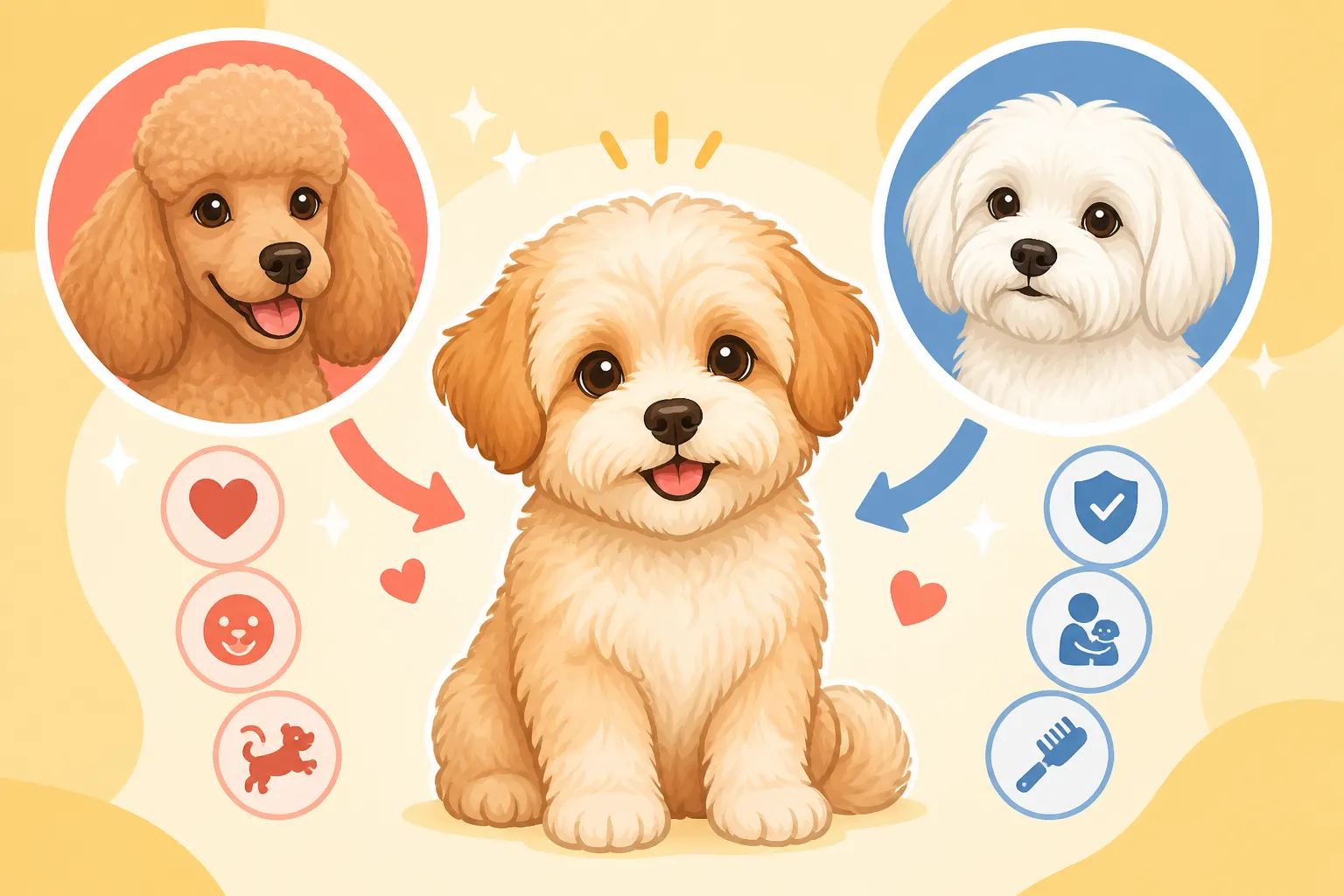
Bringing a Maltipoo into your home is an exciting adventure, but sometimes the charming mix of Maltese and Poodle can leave you wondering exactly what kind of personality you're going to get. One of the biggest influences on your Maltipoo's character often comes from the Poodle side, contributing a unique blend of intelligence, energy, and affection that shapes how they interact with their world and with you. This guide will dive deep into the specific traits the Poodle parent lends to your beloved Maltipoo, helping you understand their quirks and how to best nurture their wonderful spirit.
The Sharp Mind and Eager Spirit: Poodle Intelligence in Your Maltipoo
It's no secret that Poodles are renowned for their incredible intelligence. They consistently rank among the smartest dog breeds, and this mental prowess is a significant gift they pass on to their Maltipoo offspring. While the Maltese brings a delightful, sometimes stubborn charm, the Poodle contributes a quick-witted, problem-solving brain that makes Maltipoos highly trainable and engaged companions.
Problem-Solving Abilities and Curiosity
Your Maltipoo's Poodle genes often mean they're not just smart, but inherently curious and good at figuring things out. This isn't just about learning commands; it's about active problem-solving in their daily lives. You might notice your Maltipoo quickly learning how to open a cabinet door, or systematically figuring out how to get a dropped toy from under the sofa using their nose or a paw. This can be adorable, but it also means they need mental engagement to thrive. Leaving them without stimulating toys or activities can lead to them inventing their own "problems" to solve, which might include things like unraveling toilet paper rolls or investigating the contents of your waste bins. It's a double-edged sword – their cleverness can either be a joy or a challenge, depending on how you channel it.
Imagine a scenario where you've hidden a favorite treat under a cup. A Maltipoo with strong Poodle lineage might not just sniff it out; they might bat at the cup, try to lift it with their nose, or even push it until it topples, all with a gleam in their eye. This isn't mere instinct; it's a thought process at play. Investing in puzzle toys from places like Amazon can be a fantastic way to satisfy this innate need for mental stimulation, turning potential mischief into productive play.
Ease of Learning Commands and Tricks
The Poodle's high intelligence translates directly into a Maltipoo's remarkable trainability. They often pick up new commands and tricks with surprising speed, especially when positive reinforcement and engaging methods are used. While the Maltese side can sometimes inject a touch of independent thought, the Poodle's desire to please and mental agility usually takes the lead in training sessions. This means your Maltipoo is often eager to learn and will enjoy the challenge of mastering new skills.
Whether it's basic obedience commands like "sit," "stay," and "come," or more complex tricks like "roll over" or "fetch a specific toy," your Maltipoo will likely impress you with their capacity to learn. This eagerness makes them excellent candidates for puppy classes and even more advanced dog sports if their physical health permits. However, remember that "easy to train" doesn't mean "trains itself." Consistency is key. Daily short training sessions, even just 5-10 minutes, are far more effective than sporadic long ones. Utilizing structured training programs, such as those offered by BAXTER & Bella, can provide a solid foundation for tapping into this Poodle-driven intelligence, guiding you through the steps to leverage their smarts for good behavior and fun tricks.
Challenges with Boredom and Routine
While intelligence is a blessing, it also comes with a caveat: a smart dog can easily become a bored dog. A Maltipoo inheriting a strong Poodle brain thrives on routine, mental challenges, and consistent interaction. If their minds aren't adequately stimulated, they can become restless, anxious, or even destructive. This isn't about being "naughty"; it's a genuine expression of an unmet need for engagement. A Poodle-brained Maltipoo needs to feel like they have a job to do, even if that job is simply solving a puzzle or learning a new trick.
Think about a day when you're particularly busy and can't dedicate much time to your Maltipoo. You might come home to find a cushion artfully de-stuffed, or perhaps they've managed to unearth a "treasure" from your shoe basket. This behavior often stems from sheer boredom. Rotating toys, offering interactive feeders, and providing short bursts of training throughout the day can prevent these scenarios. Even small changes, like taking a different route on your daily walk to offer new smells and sights, can make a huge difference in keeping their clever minds stimulated. For more insights on how these mixed traits come together, you might want to read The Coin Flip Inside Every Maltipoo Puppy.
Energetic and Playful: The Poodle's Lively Contribution
Poodles, especially the smaller varieties like Toys and Miniatures, are known for their vivacious and playful nature. This spirited energy is often a prominent characteristic in Maltipoos, ensuring they are not just cuddly companions but also enthusiastic participants in games and activities.
The Poodle's Active Nature
While Maltipoos are small, don't let their size fool you into thinking they're strictly lap dogs. The Poodle side brings a surprising amount of zest and a love for activity. This isn't necessarily about marathon running, but rather a consistent, joyful energy that manifests in playful bursts, enthusiastic greetings, and a general readiness for action. They love to chase, pounce, and engage in playful tug-of-war, often with an endearing bounce in their step. This lively disposition means they enjoy regular walks, playtime in the yard, or even just lively romps indoors.
Many Maltipoo owners are surprised by the stamina their little dog possesses. A Poodle-influenced Maltipoo might be perfectly content with a good cuddle session, but they’ll also be eager to chase a ball around the living room or join you for a brisk walk around the block. If you've been pondering How Far a Maltipoo Can Walk Before It Stops, you'll find that their endurance might be more than you initially expected. This energy requires an outlet, and providing consistent opportunities for both physical and mental exercise is crucial for a well-adjusted Maltipoo.
Incorporating Play into Daily Life
For a Maltipoo with a strong Poodle influence, play isn't just a leisure activity; it's a vital part of their daily routine and essential for their well-being. This playful spirit can be easily integrated into your everyday life, turning mundane moments into fun interactions. Interactive play helps them burn off energy, reinforces your bond, and provides mental stimulation as they learn game rules and strategies. This could mean anything from a quick game of fetch with a soft toy in the hallway to a more structured session with a flirt pole in the backyard.
Consider keeping a variety of toys on hand, some for independent play and some for interactive sessions with you. Think about different textures, shapes, and challenges. For example, a crinkly ball might appeal to their prey drive, while a rope toy is perfect for a gentle tug. Regular play sessions, even short ones spread throughout the day, can prevent boredom and redirect any excessive energy into appropriate outlets. Remember, a tired dog is often a well-behaved dog, and this is especially true for the intelligent and energetic Maltipoo.
The Need for Mental Stimulation
Beyond physical exercise, the Poodle's cleverness drives a deep need for mental stimulation. This isn't just about learning commands; it's about engaging their brains in problem-solving and novel experiences. Without this, their energy can manifest as anxiety, excessive barking, or destructive behaviors. Just like a human might feel stir-crazy if confined to a small space with nothing to do, a smart dog needs intellectual outlets.
Think about scent games where you hide treats around the house, encouraging them to use their powerful noses. Or interactive puzzle feeders that require them to manipulate levers or compartments to release kibble. These activities tap into their Poodle-inherited intelligence and provide a fulfilling "job" for their brains. Even simple things like letting them sniff extensively on walks, rather than rushing them along, can be incredibly enriching mentally. A dog who has been mentally stimulated is often calmer and more content than one who has only had physical exercise.
Affectionate Bonds and Social Savvy: The Poodle's Social Traits
Poodles are well-known for their affectionate nature and their strong desire to be close to their human families. This deep emotional connection and social intelligence are significant aspects that the Poodle contributes to your Maltipoo's overall character.
Deep Bonds with Owners
One of the most heartwarming traits inherited from the Poodle is the capacity for deep, unwavering affection towards their owners. Maltipoos with strong Poodle characteristics often form incredibly close bonds with their human companions, desiring to be near them, participate in their activities, and offer endless cuddles. They thrive on companionship and can become your loyal shadow, following you from room to room, eager for a pat or a snuggle. This can make them wonderfully devoted family members, always ready to offer comfort or receive attention.
This intense connection means they often tune into your emotions, offering a soft nuzzle when you're feeling down or mirroring your excitement during a happy moment. It's a truly special bond that many Maltipoo owners cherish. However, this closeness also means they can be prone to separation anxiety if not properly prepared for alone time from a young age. While it’s tempting to always have them by your side, teaching them independence is vital for their long-term emotional health.
Handling Stranger Wariness and New Situations
While Poodles are generally friendly, they can also exhibit a degree of reservedness or wariness towards strangers. This cautious nature might show up in your Maltipoo, especially if they haven't had extensive positive socialization experiences during their crucial developmental stages. They might not immediately rush up to new people or dogs, preferring to observe from a distance before deciding to engage. This isn't necessarily shyness or aggression; it's often a Poodle-influenced intelligence at play, assessing the situation before fully committing.
Early and consistent positive socialization is key to helping your Maltipoo navigate these tendencies. Exposing them to a wide variety of sights, sounds, people, and other well-behaved animals in a controlled and positive manner can build their confidence. Think about short, positive interactions with friendly strangers, offering treats, or quiet visits to pet-friendly stores. Avoid forcing interactions, allowing your Maltipoo to approach on their own terms. This gentle approach will help them develop into well-adjusted, confident adults who can comfortably handle new situations and encounters.
The Importance of Early Socialization
Given the Poodle's potential for initial wariness, early and thorough socialization becomes even more critical for a Maltipoo. This isn't just about meeting other dogs; it's about positive exposure to a wide array of stimuli in a safe and controlled environment. The goal is to teach your Maltipoo that the world is a safe and exciting place, not something to be feared. Neglecting this crucial step can exacerbate any inherited Poodle tendencies towards nervousness or shyness, potentially leading to behavioral issues down the line.
Starting socialization as early as possible – once your vet gives the all-clear after vaccinations – can make a profound difference. Puppy classes are excellent for this, providing structured opportunities to interact with other puppies and people. Even simple car rides to different locations, listening to various sounds, or walking on different surfaces can contribute. The more positive experiences your Maltipoo has during their formative months, the more confident and adaptable they will become, allowing their affectionate Poodle nature to shine through with everyone they meet. You can find more advice on this in The First Days With a Maltipoo Puppy.
Sensitivity and Emotional Depth: Poodle Empathy in Your Maltipoo
Poodles are often described as sensitive and emotionally attuned dogs, a trait that frequently surfaces in their Maltipoo offspring. This means your Maltipoo can be quite empathetic, responsive to your moods, and reactive to changes in their environment.
Reacting to Tone and Environment
A Maltipoo with strong Poodle genetics can be surprisingly sensitive to tone of voice and overall household atmosphere. They might pick up on subtle cues, reacting to tension in the room or a raised voice. This sensitivity means that harsh training methods are usually counterproductive, as they can cause a Maltipoo to shut down, become anxious, or even fearful. A gentle, consistent, and positive approach to training and communication will yield far better results, fostering trust and cooperation.
Think about how your Maltipoo responds when you praise them enthusiastically versus when you use a sterner tone. They will likely perk up and wag their tail with praise, but might cower or become withdrawn if they perceive disapproval. This doesn't mean you can't correct them, but it highlights the need for clear, calm, and fair communication. Their emotional depth means they form strong opinions about their environment, and a peaceful home often translates to a happier, more secure Maltipoo. This responsiveness is something to be cherished, as it often means your Maltipoo is truly in tune with you.
Coping with Change and Stress
The Poodle's inherent sensitivity can sometimes make Maltipoos less adaptable to sudden changes or stressful situations. A new routine, a move to a different house, or even a sudden shift in household dynamics can be unsettling for them. They thrive on predictability and a sense of security, and disruptions can trigger anxiety or stress-related behaviors. This is important to remember when planning holidays, moving house, or introducing new pets or family members.
If you know a significant change is coming, preparing your Maltipoo gradually can help immensely. For example, if you're moving, slowly introduce them to packing boxes, or take them for visits to the new home if possible. Maintaining as much of their regular routine as you can during stressful periods will also provide comfort. Providing a safe, quiet space they can retreat to, like a cozy crate or a designated bed, can also be invaluable for managing their emotional responses to stress. Understanding Whether Stress Triggers a Maltipoo's Sugar Crash can also be important for smaller Maltipoos.
Managing Separation Concerns
Because Poodles are so people-oriented and bond deeply, Maltipoos can be prone to separation anxiety if not carefully managed. Their strong desire for companionship means being left alone can be a source of significant distress, manifesting in barking, destructive behavior, or inappropriate urination. This isn't out of spite; it's genuine anxiety and a feeling of abandonment for a dog that thrives on connection.
Addressing separation concerns requires a consistent and gradual approach. Start with very short periods of alone time, slowly increasing the duration as your Maltipoo becomes more comfortable. Create a "safe haven" for them, like a crate with a comfortable bed and engaging chew toys. Make your departures and arrivals calm and low-key, avoiding overly emotional goodbyes or hellos. You can also leave them with a piece of your clothing that carries your scent, providing comfort. If separation anxiety is severe, professional guidance from a dog trainer or veterinary behaviorist might be necessary to help your Maltipoo develop coping mechanisms.
Grooming and Physical Tolerance: The Poodle's Influence on Handling
While not a personality trait in itself, the Poodle's signature non-shedding, continually growing coat significantly impacts a Maltipoo's life and requires specific behavioral traits from them: namely, tolerance and patience for regular grooming. This need for constant upkeep means a Maltipoo often needs to inherit a calm disposition towards being handled.
Developing Patience for Handling
The Poodle side of your Maltipoo ensures a magnificent, often curly or wavy coat that requires consistent attention. Unlike dogs with self-cleaning coats, a Maltipoo's hair grows continuously and will mat without regular brushing, bathing, and trimming. This isn't just about aesthetics; severe matting can be painful, restricting movement and leading to skin issues. Therefore, your Maltipoo needs to develop a calm demeanor and patience for being handled, brushed, and groomed from a very young age. This tolerance for handling is a behavioral trait often influenced by the Poodle's generally biddable nature.
Teaching them to accept handling gracefully is crucial for their comfort and health. This involves touching their paws, ears, tail, and face regularly, making it a positive experience with treats and praise. This isn't always easy, as some Maltipoos can be wiggly or sensitive. However, early and consistent desensitization can turn grooming into a tolerable, even enjoyable, routine. You'll find more information on this in Teaching a Maltipoo to Be Handled Every Two Weeks.
The Role of Positive Reinforcement
When it comes to grooming, positive reinforcement is absolutely essential for a Maltipoo. Because the Poodle's coat demands such frequent and thorough care, every grooming session, from a quick brush to a full bath and blow-dry, needs to be as stress-free as possible. Using treats, praise, and a calm, reassuring tone can transform grooming from a dreaded chore into a manageable routine. Forced or unpleasant experiences can create a negative association that makes future grooming sessions incredibly difficult, both for you and your dog.
Start with short sessions, focusing on one area at a time. If you're brushing, offer a high-value treat as you brush a small section, then release them. Gradually increase the duration and intensity. For nail trims, introduce the clippers calmly, reward for calm behavior, and perhaps trim just one nail at a time initially. Investing in quality grooming tools from places like Amazon, designed for sensitive skin and fine coats, can also make the experience more comfortable. Your Maltipoo will learn to associate grooming with positive outcomes, making life easier for both of you.
Dealing with Grooming Anxiety
Despite best efforts, some Maltipoos may still develop anxiety around grooming, especially if they had negative experiences before coming to you or if they are particularly sensitive. This anxiety, often linked to the Poodle's emotional depth, can manifest as shaking, biting at the brush, or trying to escape. Addressing this anxiety is vital, as regular grooming is non-negotiable for this breed. If severe, it can even require professional intervention or, in rare cases, sedation for essential trims.
Table: Common Grooming Challenges and Poodle-Influenced Behavior Solutions
| Challenge | Poodle-Influenced Behavior (Potential) | Recommended Approach (Poodle-Minded Maltipoo) |
|---|---|---|
| Matting/Tangles | Sensitive to pulling | Gentle, consistent daily brushing with positive reinforcement. Use detangling spray. |
| Nail Trimming Resistance | Fear of clippers, sensitive paws | Desensitization with clippers, touch paws regularly, high-value treats. Small, frequent trims. |
| Face/Ear Cleaning | Dislikes touch near eyes/ears | Introduce slowly, use gentle tools, reward calm acceptance. Make it a pleasant routine. |
| Bathing/Drying | Startled by water/dryer noise | Introduce bathtub/dryer gradually, use quiet dryer settings, reward calm behavior. |
| Grooming Table Wiggles | Impatient, seeks escape | Short sessions, secure harness, lots of praise and treats. Start early with puppy training. |
For a Maltipoo struggling with grooming, breaking down the process into tiny, manageable steps and rewarding each cooperative action is key. You might consult with a professional groomer who specializes in fearful dogs, or even your vet, for advice on anxiety-reducing techniques or tools. Sometimes, simply finding the right kind of brush or a more patient groomer makes all the difference. Remember, the Poodle side is smart and can learn to tolerate, and even enjoy, these necessary routines with the right approach.
Disclaimer
This article is for general informational purposes only and does not constitute professional advice. Laws, prices and regulations vary by location and change over time. Consult a qualified professional for guidance on your specific situation.