The First Days With a Maltipoo Puppy
Bringing home a new Maltipoo puppy is an incredibly exciting time, but let's be honest, it can also feel like navigating a tiny, fluffy minefield. You've dreamt of this moment, envisioned endless cuddles and playful romps, but the reality of a brand-new, often incredibly small, creature entering your world can quickly become overwhelming. This comprehensive guide is here to walk you through those critical first days, helping you set up for success and build a strong foundation with your precious new family member.
Preparing Your Home Before Puppy Arrives
Before your little Maltipoo bundle of joy even steps paw inside your home, a significant amount of preparation is necessary. This isn't just about buying cute toys; it's about creating a safe, comfortable, and predictable environment that will help ease their transition and set the stage for healthy development. Ignoring these steps can lead to unnecessary stress for both you and your puppy, and potentially, safety hazards.
Setting Up the Puppy Zone
Your Maltipoo puppy needs a designated "safe zone" right from the start. This isn't just a place to sleep; it's their personal sanctuary, a space where they can feel secure, and where they know they belong. For a Maltipoo, especially a tiny one, a confined space reduces the feeling of being overwhelmed by a large new environment. Think of it as their den.
This zone should ideally be in a central, yet not overly busy, part of your home, like a corner of the living room or kitchen. It should be warm, draft-free, and away from high-traffic areas where they might be constantly disturbed. Many owners opt for a small playpen or a properly sized crate. The key is that it's just big enough for them to stand up, turn around, and lie down comfortably, with space for their bed and perhaps a water bowl. If it's too large, they might use one end as a bathroom, which defeats the purpose of crate training for potty breaks.
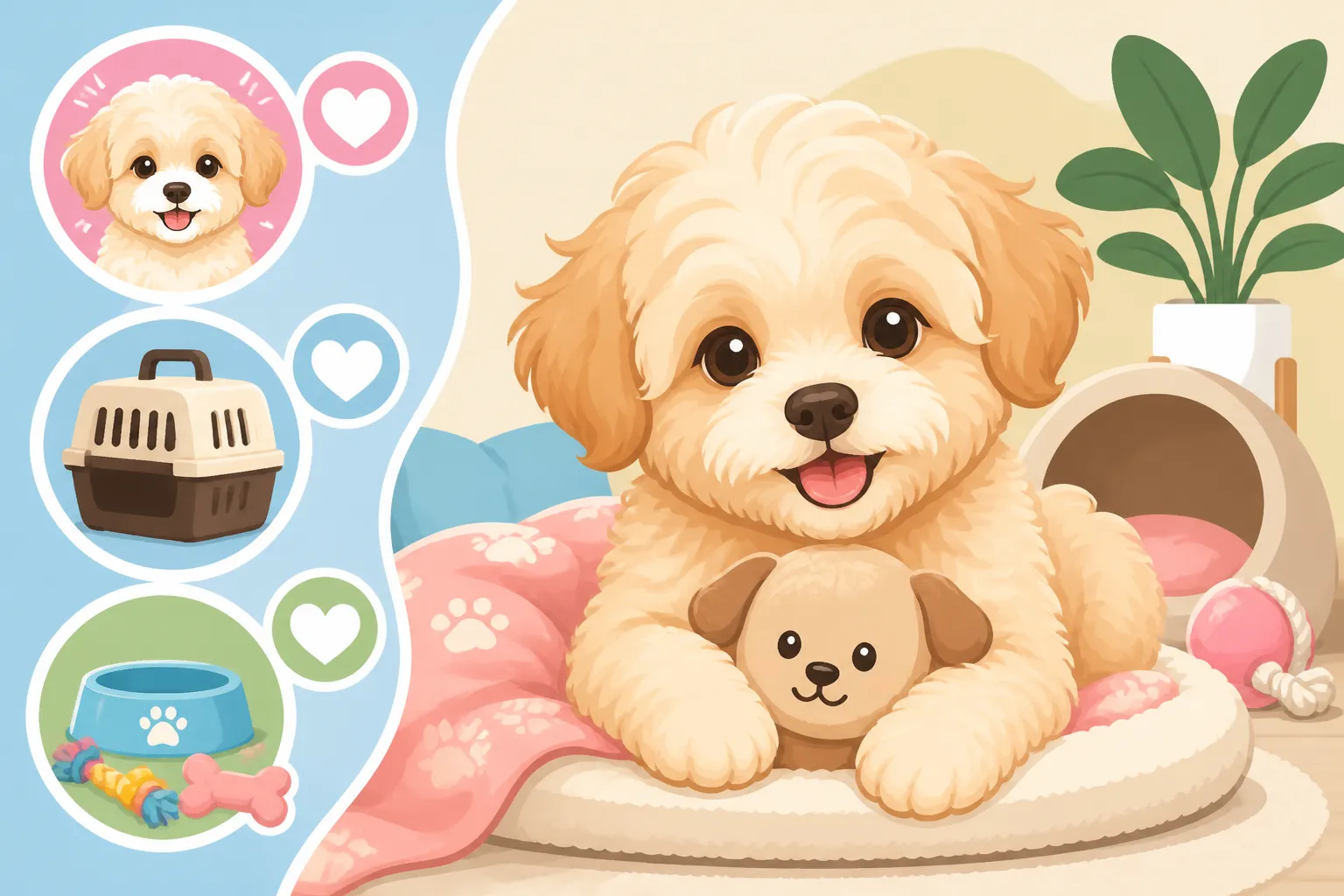
Within this zone, their bed should be soft, comfortable, and easy to clean. Consider something with raised sides to mimic the feeling of being nestled with littermates. Placing a soft blanket or a piece of fabric with the scent of their mother or littermates, if available from the breeder, can provide immense comfort during those first few nights.
Essential Supplies Checklist
Stepping into a pet store or browsing online can be incredibly daunting with the sheer volume of puppy products available. However, focusing on the absolute essentials will make your first few days much smoother. It's better to have a few high-quality, necessary items than a mountain of unnecessary ones.
Here's a breakdown of what you'll definitely need:
| Item Type | Specific Needs for a Maltipoo Puppy |
|---|---|
| Crate/Playpen | Small size, appropriate for their adult weight (ask breeder). Wire or plastic. Playpen for supervised daytime containment. |
| Bedding | Soft, washable bed that fits snugly in the crate. Include a blanket that might carry the scent of their littermates. |
| Food & Bowls | High-quality small breed puppy kibble (ask breeder what they're currently eating). Small, sturdy bowls for food and water (ceramic or stainless steel recommended). |
| Collar/Harness | Extra-small, lightweight harness (not a collar initially for trachea protection). ID tag with your contact info. |
| Leash | Lightweight, 4-6 foot leash. |
| Training Pads | Absorbent pads, especially for apartment living or initial potty training. |
| Cleanup Supplies | Enzymatic cleaner for accidents. Paper towels, old rags. |
| Toys | Chew toys (rubber, not too hard for tiny teeth), soft plush toys, puzzle toys to engage their minds. |
| Grooming Tools | Soft puppy brush, small nail clippers, puppy shampoo, ear cleaner, tear stain wipes. |
| Nutritional Support | Nutri-Cal or similar high-calorie supplement (essential for hypoglycemia risk). |
Many of these items, from crates to specialized enzymatic cleaners, can be found readily on platforms like Amazon, making it convenient to get everything you need before puppy comes home. Don't forget a small carrier for vet visits – it's crucial for their safety during transport.
Puppy-Proofing Your Home
Maltipoo puppies are tiny, curious, and incredibly fast. What might seem like a harmless household item to you can be a serious danger to them. Puppy-proofing isn't a one-time task; it's an ongoing process as they grow and explore.
Start by getting down on your hands and knees at puppy level to survey your home. Look for anything they could chew, swallow, or get tangled in. Electrical cords are a huge hazard; secure them or cover them with cord protectors. Remove toxic plants, small objects that could be choked on (like coins, batteries, or medication), and anything valuable you don't want ruined. Ensure all cleaning supplies, chemicals, and medications are stored securely out of reach in high cabinets.
Consider baby gates to restrict access to certain rooms or areas of the house where it's harder to supervise your puppy. This helps manage their environment and prevents them from getting into trouble while they're still learning. For a small dog like a Maltipoo, even a short fall can cause injury, so block off access to stairs or high furniture they might try to jump from. The adage "prevention is better than cure" is never more true than with a new puppy, especially one as delicate as a Maltipoo.
The First Moments at Home: Settling In
The ride home and those initial moments in their new environment are crucial for shaping your Maltipoo puppy's perception of their new life. It's a time of immense change for them, leaving behind their mother and littermates for an entirely new world. Your calm, gentle approach can make all the difference in helping them feel safe and loved.
The Journey Home
Keep the trip home as stress-free as possible. Your puppy should be secured in a comfortable, enclosed carrier in the car. This prevents them from distracting the driver and protects them in case of sudden stops. Line the carrier with a soft blanket, and perhaps a towel in case of accidents. Some breeders may provide a blanket with the scent of their littermates, which can be very comforting.
Avoid making too many stops or exposing your puppy to a lot of new people or loud environments on the way home. Their little world has just been turned upside down; too much stimulation can be overwhelming and frightening. If it's a long journey, offer a small sip of water from a travel bowl if they seem amenable, but don't force it. Be prepared for potential car sickness; having a small bag and paper towels handy is always a good idea.
First Impressions of Their New Home
Once you arrive home, resist the urge to immediately introduce them to everyone and everything. Take your Maltipoo straight to their pre-prepared "puppy zone" and gently place them inside. Let them explore their immediate surroundings – their bed, toys, and water bowl – without being overwhelmed by a large house or too many excited people. This helps them orient themselves in their new space.
Keep initial introductions to family members calm and quiet. One person at a time, speak softly, and let the puppy approach at their own pace. Avoid loud noises, sudden movements, or excessive handling. Let them sniff around and get accustomed to the new smells and sounds. Offer a small amount of the food they've been eating at the breeder's, alongside fresh water. This provides a sense of normalcy and comfort. Remember, your calm demeanor will help your puppy feel secure.
That First Night: Crying and Comfort
The first night, and often the first few nights, can be challenging. Your Maltipoo puppy is likely experiencing separation anxiety, missing their mother and littermates. Crying, whining, and barking are normal behaviors as they adjust to sleeping alone. It’s heart-wrenching, but it’s a necessary part of the process.
To help them feel more secure:
- Location: Keep their crate or playpen near your bedroom initially. Your presence and scent can be comforting, even if they're not in your bed.
- Warmth and Softness: Ensure their bed is cozy and warm. A soft blanket or a puppy-safe plush toy can provide comfort.
- Familiar Scents: If you have a blanket or toy from the breeder that smells like their old home, place it in their sleeping area.
- White Noise: A quiet radio or a white noise machine can help muffle unfamiliar household sounds and mimic the gentle hum they were used to.
- Ignoring the Crying (mostly): This is the hardest part. If you respond to every whine, you'll inadvertently teach them that crying gets your attention. Only let them out for potty breaks (take them immediately outside or to a potty pad, then back into the crate with no play or interaction). If the crying is frantic or persistent for a very long time, a quick, calm check for actual distress (not just loneliness) is acceptable, but avoid coddling. This tough love helps establish good sleeping habits.
Remember, this phase doesn't last forever. Consistency and patience are key. Many new owners find themselves exhausted, but sticking to your routine will ultimately help your Maltipoo adjust faster.
Establishing Routines for Your Maltipoo Puppy
Consistency is the bedrock of puppy training, especially for a Maltipoo. These tiny dogs thrive on predictability, which helps them understand what’s expected of them and reduces anxiety in their new environment. Establishing clear routines for potty breaks, feeding, and sleep from day one is paramount for success.
The Potty Training Schedule
Maltipoo puppies have very small bladders, which means frequent potty breaks are non-negotiable. You cannot expect them to hold it for long periods. A consistent, proactive potty schedule is the fastest way to house train.
Here’s a general guideline for the first few weeks:
- Immediately upon waking: Every single time they wake up, whether it's from a nap or morning.
- After eating or drinking: Within 5-15 minutes of finishing a meal or a big drink.
- After playing: After any period of active play.
- Before bedtime: One last trip right before they settle down for the night.
- Every 1-2 hours in between: Even if they haven't just done one of the above activities, take them out regularly.
When you take them out, go to the same designated spot every time. Use a consistent potty command ("Go potty," "Do your business") and reward them immediately with praise and a high-value treat the moment they finish. Don't wait until they come back inside. This instant reward helps them connect the act of eliminating outside with the positive outcome. If you live in an apartment or are using indoor pads, follow the same principles of consistency and reward. For more details on this process, you might find How Often a Maltipoo Puppy Needs Taking Out particularly helpful.
Feeding Your Tiny Dog
Feeding a Maltipoo puppy isn't like feeding a larger dog. Their tiny size means they have a high metabolism and are particularly susceptible to hypoglycemia (low blood sugar), especially if they miss a meal. This is why Why a Two Pound Maltipoo Cannot Skip a Meal is such a critical read.
For the first few months, a Maltipoo puppy typically needs to eat three to four small meals a day. This ensures a steady supply of energy and helps prevent sugar crashes. Always feed a high-quality small breed puppy kibble recommended by your breeder or veterinarian.
Portion control is vital. Do not free-feed your Maltipoo, as this can lead to picky eating habits or obesity, which can stress their tiny joints. Measure their food precisely according to the bag's recommendations for their age and expected adult weight, and then divide that into their daily meals. Use small, shallow bowls that are easy for them to reach. Keep fresh water available at all times.
Sleep and Naps
Puppies, especially small ones, need a lot of sleep – up to 18-20 hours a day! This sleep is crucial for their physical and mental development. Trying to keep them awake to play all day will only lead to an overtired, cranky puppy prone to nipping and accidents.
Establish a consistent sleep schedule that includes plenty of naps throughout the day. Their crate or playpen should be their designated quiet space for napping. After a burst of play or a potty break, encourage them to settle down for a nap. You might even need to gently guide them into their crate and cover it to signal naptime.
While it's tempting to let them nap anywhere, consistent crate naps reinforce that their crate is a safe, positive space. This also helps with overnight sleep. Aim for longer stretches of sleep at night, but be prepared for one or two potty breaks, especially during the first few weeks. A well-rested puppy is a happier, more trainable puppy.
Early Socialization and Handling
Socialization is arguably one of the most critical aspects of raising a well-adjusted Maltipoo. These early experiences shape their temperament, confidence, and how they interact with the world around them for the rest of their lives. For a small, often delicate breed, proper handling also teaches them to be comfortable with necessary routine care.
Introducing to People and New Environments
The "socialization window" for puppies is generally between 3 to 16 weeks of age. During this time, it's vital to expose your Maltipoo to a wide variety of positive experiences. This doesn't mean overwhelming them, but rather controlled, positive introductions.
- Safe People: Introduce them to different types of people – men, women, children (supervised!), people wearing hats, glasses, or walking with canes. Ensure these interactions are gentle and positive, with treats and praise.
- Safe Places: Once they have their full set of vaccinations and your vet gives the OK, expose them to different environments – quiet parks, pet-friendly stores (carried initially), sidewalks, different types of flooring. Again, always keep it positive and don't force interactions.
- Sounds and Sights: Expose them to common household sounds (vacuum cleaner, doorbell, TV) and outdoor noises (traffic, sirens) in a non-threatening way. Pairing these sounds with treats can create positive associations.
Remember, quality over quantity is key. A few positive, calm interactions are far better than one overwhelming, frightening experience. For a Maltipoo, especially, small group settings with known, calm dogs and people are preferable to chaotic dog parks in the beginning.
Safe Interactions with Other Dogs
For a small Maltipoo, interactions with larger dogs can be intimidating or even dangerous if not managed properly. While socialization with other dogs is important, it needs to be done carefully.
- Vaccination Status: Ensure your puppy has completed their vaccination series before exposing them to unknown dogs in public places.
- Known, Calm Dogs: Start by introducing your Maltipoo to well-socialized, calm, gentle adult dogs that you know. These interactions should be supervised closely and kept short and positive. A calm older dog can teach a puppy appropriate social cues.
- Size Disparity: Be acutely aware of the size difference. A playful nip from a larger dog could be a serious injury for a tiny Maltipoo. Always supervise closely and be ready to intervene if play gets too rough or if your Maltipoo shows signs of stress.
- Puppy Classes: Puppy socialization classes are an excellent option. They provide a safe, controlled environment for puppies to interact with others of similar age and size, under the guidance of a professional trainer. Many online training programs, such as those offered by BAXTER & Bella, also emphasize the importance of early socialization and provide guidance on how to facilitate safe interactions.
Getting Used to Handling and Grooming
Maltipoos require a fair bit of handling and grooming throughout their lives, from daily brushing to regular vet checks and professional grooming appointments. Starting early and making these experiences positive is essential. This is exactly why the topic of Teaching a Maltipoo to Be Handled Every Two Weeks is so important.
From day one, gently handle your puppy all over their body:
- Paws and Nails: Touch their paws, separate their toes, and gently tap nail clippers against their nails. Reward profusely. This prepares them for nail trims.
- Ears: Gently look inside their ears and touch them. Maltipoos are prone to ear infections due to their floppy ears and hair growth inside the canal.
- Mouth and Teeth: Gently lift their lips and touch their gums and teeth. This is crucial for future teeth brushing and dental health.
- Brushing: Use a soft puppy brush daily for short sessions. Make it a positive experience with treats and praise. This not only gets them used to the brush but also helps prevent mats in their growing coat.
- Vet Checks: Replicate parts of a vet check at home: gently examine their ears, mouth, and body, rewarding them for cooperation.
Make these sessions short, positive, and frequent. Pair them with treats and praise. If your puppy resists, stop, wait a moment, then try again gently. Never force or scold them, as this can create negative associations and make future grooming a battle.
Common Puppy Challenges and Solutions
Even with the best preparation, bringing a new Maltipoo puppy home will undoubtedly present its share of challenges. These little bundles of fluff come with sharp teeth, boundless energy, and an unshakeable belief that your fingers are the best chew toys. Understanding these common behaviors and how to address them patiently and consistently is key to a harmonious household.
Nipping and Biting
Maltipoo puppies, like all puppies, explore the world with their mouths. Those needle-sharp puppy teeth are designed for chewing, and they often direct this instinct towards anything that moves – especially your hands and ankles. This isn't aggression; it's natural puppy play behavior, but it needs to be redirected early.
- Yelp and Withdraw: When your puppy nips too hard, immediately let out a high-pitched yelp (like a puppy would) and completely withdraw attention. This means no eye contact, no speaking, and moving away for 10-20 seconds. This teaches them that hard biting ends the fun.
- Provide Appropriate Chew Toys: Always have plenty of appropriate chew toys readily available. When your puppy starts to mouth you, immediately redirect them to a toy. Praise them when they chew the toy instead of you.
- Bitter Spray: For persistent biters on furniture or clothing, a non-toxic bitter apple spray can act as a deterrent.
- Consistency is Key: Ensure everyone in the household follows the same rules. If one person allows nipping, it sends mixed signals to the puppy.
Remember, their adult teeth will start coming in around 4-6 months, and the urge to chew will intensify during this teething phase. Be prepared with a variety of safe chew toys to soothe their gums.
Whining and Barking
A Maltipoo puppy's whining and barking can be incredibly irritating, especially when you're trying to sleep or have a quiet moment. However, it's important to understand the root cause of the vocalization before you can address it.
- Need-Based Whining: Is your puppy whining because they need to go potty, are hungry, thirsty, or cold? Always address these basic needs first. A quick trip outside or a check of their food/water bowl is a good first step.
- Attention-Seeking: If all needs are met and they're still whining, they might be seeking attention. In this case, similar to nipping, ignore the behavior. Turn your back, walk away, and only give attention when they are quiet. This teaches them that quiet behavior gets rewards.
- Separation Anxiety: Many puppies whine when left alone, especially at night or when you leave the room. This is a common form of separation anxiety. Help them build confidence in being alone by starting with very short absences and gradually increasing the duration. Make their crate a positive, comfortable space.
- Boredom: A bored puppy will often find ways to entertain themselves, which can include barking or destructive chewing. Ensure your Maltipoo is getting enough mental and physical stimulation throughout the day. Puzzle toys, short training sessions, and appropriate play can help.
Never punish a puppy for whining or barking. This can create fear and anxiety, making the problem worse. Instead, focus on redirection, meeting their needs, and teaching them that calm, quiet behavior is rewarded.
Accidents in the House
Potty training a Maltipoo takes time and patience. Expect accidents, especially in the first few days and weeks. It's a normal part of the learning process, and how you react to them will greatly impact your success.
- Don't Punish: Never punish your puppy for an accident. They won't understand why you're angry, and it can make them afraid to potty in front of you, potentially leading to them hiding to eliminate, which makes training harder.
- Interrupt and Redirect: If you catch your puppy in the act of having an accident, calmly interrupt them with a clap or a gentle "Uh-oh!" Immediately pick them up (if small enough) and take them to their designated potty spot. Reward them if they finish there.
- Thorough Cleanup: Clean accidents immediately and thoroughly with an enzymatic cleaner designed for pet odors. Regular household cleaners might remove the smell for you, but not for your puppy, whose superior sense of smell will still detect it, marking it as a spot to go again. Many great enzymatic cleaners are available, often through pet supply retailers on Amazon.
- Review Your Schedule: If accidents are frequent, re-evaluate your potty schedule. Are you taking them out often enough? Are you supervising them closely enough indoors? Remember, the more chances they have to make a mistake, the longer training will take. For more detailed insights, consider reading How Long House Training a Maltipoo Actually Takes.
Accidents are frustrating, but they are an opportunity for you to review and adjust your training approach. Consistency, patience, and positive reinforcement are your most powerful tools.
Health and Safety Considerations for Small Maltipoos
Owning a Maltipoo, especially a very small or "teacup" one, comes with specific health and safety considerations that differ from larger breeds. Their delicate nature and particular predispositions mean you need to be extra vigilant and informed during these crucial early days.
Hypoglycemia Risk
This is perhaps the most critical health concern for tiny Maltipoo puppies, particularly those weighing under 4-5 pounds. Hypoglycemia, or dangerously low blood sugar, can set in quickly and be life-threatening if not addressed immediately. As mentioned in Hypoglycemia and the Teacup Maltipoo Puppy, their small bodies struggle to store enough glucose, and factors like missed meals, stress, over-excitement, or even a sudden temperature drop can trigger an episode.
Signs of Hypoglycemia:
- Lethargy, weakness, lack of coordination
- Trembling or shivering
- Dazed or unresponsive behavior
- Seizures or collapse
What to Do: If you suspect hypoglycemia, immediately rub a small amount of a high-calorie supplement like Nutri-Cal, corn syrup, or Karo syrup on their gums. Then, contact your veterinarian right away. Having Nutri-Cal on hand, especially for a young Maltipoo, is non-negotiable. This is why many experienced owners swear by Keeping Nutri-Cal on Hand for a Maltipoo Puppy.
To prevent hypoglycemia:
- Frequent Meals: Ensure your puppy eats three to four small, consistent meals throughout the day.
- Manage Stress: Minimize stress, especially during the first few days.
- Monitor Energy Levels: Keep a close eye on their energy and appetite.
Fragile Bones and Joints
Maltipoos are small and have delicate bone structures. This makes them prone to injuries that a larger, sturdier dog might easily shrug off. Falls, jumps from furniture, or even accidental rough play can result in fractures.
- Avoid High Jumps: Do not allow your Maltipoo puppy to jump off sofas, beds, or stairs. These heights are disproportionately large for their tiny bodies. Consider providing ramps or steps for access to elevated surfaces if they are allowed on furniture. The question of Whether a Maltipoo Can Be Injured by a Fall is a real one for these tiny dogs.
- Supervise Play: Closely supervise interactions with children or larger pets. Educate children on how to safely interact with a small dog, emphasizing gentle handling and avoiding rough play.
- Careful Handling: Always support your Maltipoo's body when picking them up and putting them down. Never hold them by their front legs or under their armpits alone.
- Patella Luxation: Maltipoos are prone to patellar luxation (slipping kneecaps), a condition where the kneecap dislocates. While this typically manifests as they get older, protecting their joints from injury from a young age is important. Learn about Slipping Kneecaps in a Maltipoo to understand the risks and symptoms.
Temperature Regulation
Due to their small size and lower body mass, Maltipoo puppies struggle to regulate their body temperature, making them more susceptible to both cold and heat. This is particularly true for young puppies.
- Keep Them Warm: In cooler environments, your Maltipoo puppy can get cold quickly. Ensure their sleeping area is warm and draft-free. A soft blanket or even a puppy sweater might be necessary if your home is kept cool. For more on this, consider Whether a Maltipoo Gets Cold Easily.
- Avoid Overheating: Conversely, they can also overheat easily in hot weather or if left in direct sun without shade. Always provide access to fresh water and shade, and never leave them in a parked car.
- Monitor During Walks: In extreme temperatures, adjust walk times or duration. In very cold or very hot weather, short potty breaks might be all they can comfortably manage.
Monitoring their comfort and making adjustments to their environment will help your Maltipoo stay healthy and happy.
Building Your Bond and Enjoying Puppyhood
The first days with your Maltipoo puppy aren't just about training and managing challenges; they're fundamentally about forging an unbreakable bond. This connection, built on trust, love, and mutual understanding, is the most rewarding aspect of sharing your life with a dog.
Positive Reinforcement Training
Maltipoos are intelligent and eager to please, especially the Poodle half of their lineage. They respond incredibly well to positive reinforcement training. This means rewarding desired behaviors, rather than punishing unwanted ones.
- Treats and Praise: Keep small, high-value treats on hand constantly in these early days. When your puppy does something right – potties outside, sits when asked, comes when called – immediately offer a treat and enthusiastic praise. This creates a strong positive association.
- Clicker Training: Many owners find clicker training incredibly effective. The click marks the exact moment of the desired behavior, followed by a treat, making it very clear to the puppy what they did right.
- Short, Fun Sessions: Maltipoos have short attention spans, especially as puppies. Keep training sessions brief (5-10 minutes), frequent, and fun. End on a positive note, even if it's just practicing something simple they already know.
- Consistency: Everyone in the family needs to use the same commands and reward system. Inconsistent training will confuse your puppy and slow progress. Resources like BAXTER & Bella offer comprehensive online training programs that are built around positive reinforcement, providing clear, consistent guidance for new puppy owners.
Positive reinforcement not only teaches commands but also builds trust and strengthens your bond, as your puppy learns to associate you with good things.
Playtime and Enrichment
Play is essential for a puppy's physical and mental development. It helps burn off energy, prevents boredom, and reinforces your bond. For a Maltipoo, structured playtime is particularly important to prevent them from becoming overly dependent or destructive out of boredom.
- Interactive Toys: Engage your Maltipoo with toys that promote interaction, like soft tug toys (gentle tugging only!), small fetch balls, or squeaky toys. Supervise all play to ensure they don't ingest pieces of toys.
- Puzzle Toys: These are fantastic for mental stimulation. Fill them with a portion of their kibble or a safe treat, and let your puppy figure out how to get the food out. This keeps their intelligent minds engaged.
- Training as Play: Incorporate short training sessions into playtime. For example, "sit" before throwing a toy, or a "come" command during a game of chase in a safe, enclosed area.
- Safe Exploration: Provide opportunities for safe exploration, whether it's in a puppy-proofed room, a secure backyard, or, once vaccinated, a quiet, safe outdoor space.
Remember that Maltipoos, while small, are energetic and need mental and physical exercise. A tired puppy is usually a well-behaved puppy.
Cuddles and Affection
Beyond training and play, simple affection is vital for nurturing your bond. Maltipoos are renowned for their loving, affectionate nature and thrive on human companionship.
- Gentle Cuddles: Spend time simply cuddling and petting your Maltipoo. This physical closeness releases oxytocin, the "love hormone," in both of you, strengthening your emotional connection.
- Quiet Time Together: Designate quiet moments for snuggling on the sofa, gentle grooming, or just having them sit on your lap. This teaches them to relax in your presence.
- Building Trust: By consistently providing comfort, security, and positive interactions, you build a deep sense of trust. Your Maltipoo learns that you are their protector, their provider, and their best friend.
These early days are a whirlwind, filled with both exhaustion and immense joy. Embrace every moment, document their growth, and pour all your love and patience into shaping a confident, happy, and well-adjusted companion. The foundation you lay now will blossom into a beautiful, lifelong friendship.
Disclaimer
This article is for general informational purposes only and does not constitute professional advice. Laws, prices and regulations vary by location and change over time. Consult a qualified professional for guidance on your specific situation.