Whether Stress Triggers a Maltipoo’s Sugar Crash
It’s truly terrifying when your tiny Maltipoo, who was just full of beans a moment ago, suddenly starts to feel weak, tremble, or even goes limp. Many Maltipoo owners have experienced that heart-stopping moment, often wondering what could have caused such a rapid decline. This guide is here to shed light on whether stress can indeed trigger a sugar crash, also known as hypoglycemia, in your beloved Maltipoo and what you can do to prevent it.
Understanding Hypoglycemia in Maltipoos
Hypoglycemia, or low blood sugar, is a condition where the glucose levels in a dog's bloodstream drop to dangerously low levels. Glucose is the primary energy source for all bodily functions, especially the brain. When levels fall too low, the brain and other organs start to malfunction, leading to a range of alarming symptoms. For small breeds like Maltipoos, particularly puppies or very tiny adults, this isn't just a concern; it's a very real and immediate threat that requires prompt attention.
The reason Maltipoos are so susceptible often comes down to their small size and rapid metabolism. Unlike larger dogs, their tiny bodies have fewer reserves of glycogen (stored glucose) in their liver. They burn through their energy stores much faster, and if they don't eat regularly or experience an increased demand for energy, their blood sugar can plummet quickly. This is especially true for Hypoglycemia and the Teacup Maltipoo Puppy, where their miniature stature means even less reserve capacity. Many owners don't realize that their adorable, petite companion's physiology puts them at a constant, albeit manageable, risk.
It's not just about food intake either. A Maltipoo's delicate system can be easily thrown off balance. Their small size makes them more vulnerable to temperature fluctuations, digestive upsets, and, as we'll explore, emotional or physical stress. Understanding these foundational vulnerabilities is the first step in safeguarding your little one from the dreaded sugar crash. You might find yourself constantly weighing out portions, monitoring energy levels, and keeping a close eye on their general demeanor.
How Stress Impacts Blood Sugar Levels in Your Maltipoo
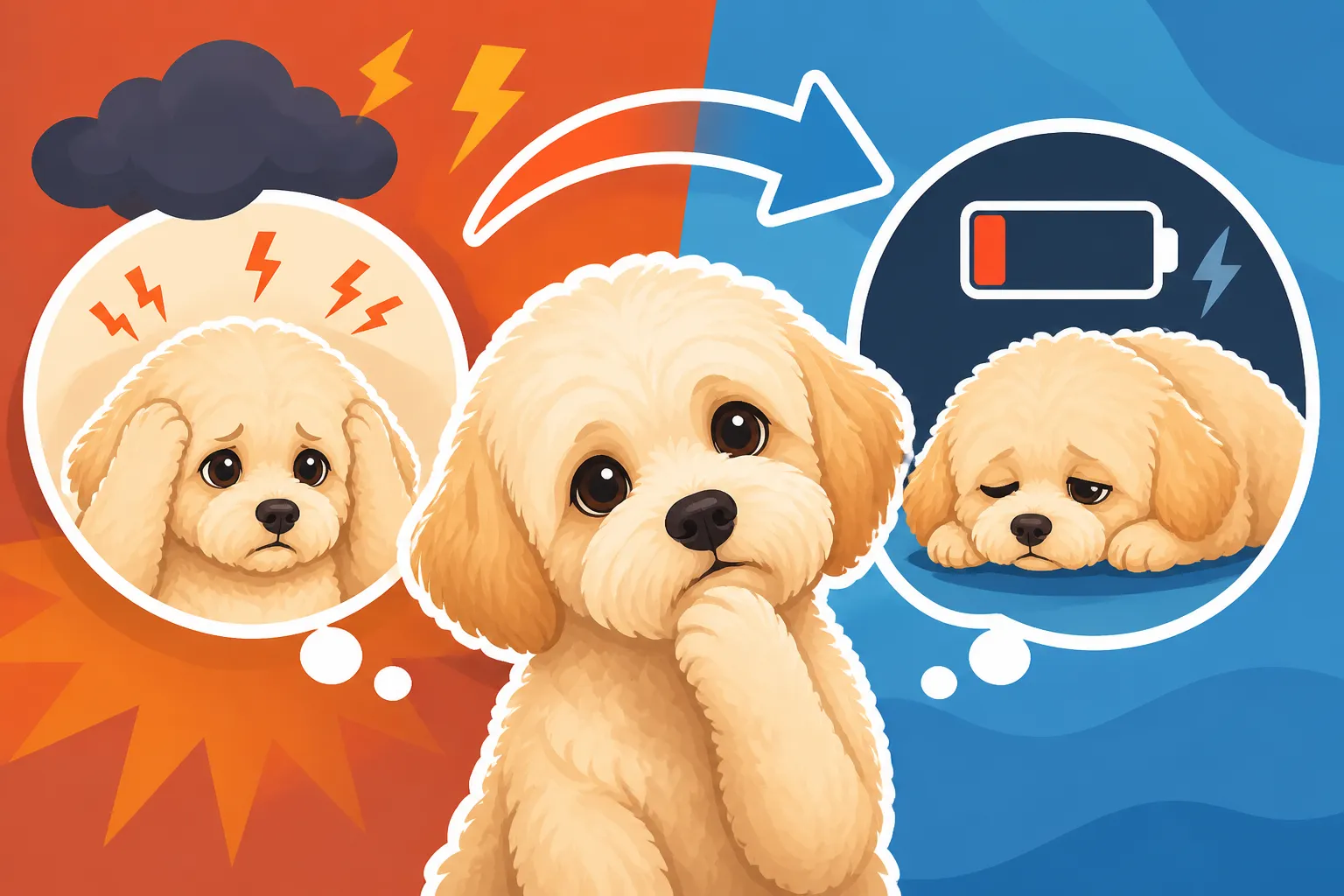
The short answer is a resounding yes, stress absolutely can trigger a sugar crash in a Maltipoo. When a dog experiences stress, their body releases hormones like adrenaline and cortisol. Initially, these hormones might cause a temporary increase in blood sugar as the body prepares for a "fight or flight" response, mobilizing glucose for immediate energy. However, this surge is often followed by a rapid depletion of glucose, especially in a small dog with limited reserves. The body overcompensates, or simply runs out of fuel, leading to a precipitous drop in blood sugar.
Think of it like an intense burst of energy that burns through a small fuel tank too quickly. For a tiny Maltipoo, whose metabolic engine is already running at a higher rate and whose fuel tank is miniature, this depletion happens much faster than in a larger dog. The nervous system, running on fumes, then struggles to function, causing the visible signs of a sugar crash. Understanding What an Emergency Sugar Crash Costs a Maltipoo Owner often highlights the severity and urgency of these situations.
Common Stressors for a Maltipoo
Identifying what counts as "stress" for a Maltipoo is crucial, as their threshold can be surprisingly low compared to larger, more robust breeds. What might seem like a minor inconvenience to us can be a major upheaval for them.
-
Environmental Changes and Over-stimulation: Moving to a new home, even if it's just across town, can be a massive stressor. A new environment means new smells, sounds, and routines to adjust to. Similarly, visiting a busy pet store or a friend's house with other animals or loud children can quickly become overwhelming. The constant barrage of new sensory input can keep their little bodies in a heightened state of alert, rapidly burning through their energy. Imagine being in a foreign country where you don't understand anything – that's often how a Maltipoo feels in a new, stimulating environment.
-
Separation Anxiety and Loneliness: Maltipoos are often incredibly bonded to their human families. Being left alone for extended periods can induce significant anxiety, especially in puppies or those not properly acclimated to solitude. This emotional distress isn't just about feeling sad; it triggers a physiological stress response. The constant pacing, crying, or barking associated with separation anxiety consumes a lot of energy, leading to glucose depletion. Owners often overlook the energy expenditure involved in their dog's emotional turmoil, only to be surprised when their otherwise healthy Maltipoo shows signs of a crash upon their return.
-
Fear and Negative Experiences: A sudden loud noise, a scary encounter with a bigger dog, an unpleasant vet visit, or even harsh scolding can be deeply traumatic for a sensitive Maltipoo. These experiences trigger an immediate fight-or-flight response, flooding their system with stress hormones. If the stressor is prolonged or particularly intense, their delicate metabolic balance can be severely disrupted. For instance, a terrifying car ride could lead to a crash shortly after arriving at the destination. It's not just the physical toll but the emotional one that can leave them utterly drained.
-
Travel and Motion Sickness: For many Maltipoos, travel itself is a huge stressor. The confined space of a carrier, the unfamiliar smells and sounds of a car or plane, and the motion can all contribute to anxiety and motion sickness. Vomiting, panting, and shaking during travel are clear signs of distress and rapidly deplete energy reserves. This is why it's so important to be prepared if Whether Travel Sets Off Hypoglycemia in a Maltipoo is a concern for your pet, ensuring they have access to immediate sugar sources. Even a short trip to the vet can be enough to push a vulnerable puppy over the edge.
-
Rough Handling or Inappropriate Play: While Maltipoos are generally good with children, rough handling or overly boisterous play can be incredibly stressful and physically demanding for their tiny frames. Being chased, dropped, or constantly picked up and put down can cause both physical injury and significant emotional distress. A Maltipoo might become so frightened or over-exerted that their blood sugar drops. It’s crucial to teach children Teaching a Child to Hold a Maltipoo gently and responsibly to prevent these kinds of incidents.
Preventing Stress-Induced Sugar Crashes
Understanding that stress can be a trigger is the first step; the next is implementing proactive strategies to keep your Maltipoo safe and sound. Prevention is always better than emergency intervention when it comes to hypoglycemia.
Consistent Feeding Schedule and High-Quality Nutrition
One of the most critical elements in preventing hypoglycemia is a strict and consistent feeding schedule, especially for puppies or very small adults. Maltipoo puppies, particularly those weighing less than four pounds, often need to eat small meals frequently throughout the day to keep their blood sugar stable. For very young puppies, this might mean feeding every 3-4 hours, sometimes even overnight, as detailed in guides like How Often a Teacup Maltipoo Puppy Must Eat or Whether a Maltipoo Puppy Should Be Fed Overnight.
Choose a high-quality, small-breed puppy or adult food that is energy-dense and easily digestible. Avoid sudden changes in diet, as this can cause digestive upset and further stress. Always measure portions accurately; a slight overestimation can lead to weight gain, while underfeeding, even by a little, can put them at risk. Some owners find using a kitchen scale for precise measurement incredibly helpful.
| Common Stressors | Potential Hypoglycemia Trigger | Prevention/Mitigation Strategy |
|---|---|---|
| New environment/travel | Energy depletion from anxiety | Gradual introductions, comfort items, pheromone sprays, crate training, short exposure, frequent breaks |
| Loud noises/busy places | Fight or flight response | Desensitization, safe quiet space, avoid overwhelming crowds, positive reinforcement, ear protection |
| Separation anxiety | Pacing, crying, high energy | Crate training, consistent routine, chew toys, gradual increase in alone time, professional help |
| Vet visits/grooming | Fear, restraint, unfamiliarity | Positive association, calm demeanor, short sessions, favorite treats, pre-visit practice |
| Rough handling/inappropriate play | Physical exertion, fear | Supervised interactions, teach gentle handling, provide safe retreat, appropriate playmates |
| Illness/medical procedures | Body stress, energy demand | Proactive vet care, follow vet instructions, monitor closely, provide supplemental nutrition |
Minimizing Environmental Stressors
Creating a calm and predictable environment is paramount for a Maltipoo. This means providing a quiet, secure space where they can retreat when feeling overwhelmed. A comfortable dog bed in a low-traffic area of the house, perhaps a cozy crate, can serve as their sanctuary. When introducing them to new situations, do so gradually and positively. For instance, if you plan to travel, take short, positive car rides before a long journey.
Consider using calming aids if your Maltipoo is particularly prone to anxiety. Pheromone diffusers, calming treats, or even a soothing blanket or shirt that smells like you can make a big difference. If you know your Maltipoo will be exposed to a potentially stressful situation, like a visit from boisterous relatives or a trip to a new place, feed them a small, nutritious meal beforehand and consider having an emergency sugar source like Nutri-Cal on hand. Keeping Nutri-Cal on Hand for a Maltipoo Puppy is always a smart move.
Regular Vet Check-ups and Early Detection
Routine veterinary care is vital for monitoring your Maltipoo's overall health and catching any underlying conditions that might make them more susceptible to hypoglycemia. Your vet can assess their weight, energy levels, and discuss any behavioral changes that might indicate increased stress. During these visits, don't hesitate to mention any concerns about your Maltipoo's energy levels or any episodes where they seemed unusually weak or lethargic.
Discuss The Yearly Checks a Maltipoo Should Get with your veterinarian. This proactive approach ensures that any potential issues, metabolic or otherwise, are addressed before they escalate. It's also wise to have a conversation about The Weight at Which a Maltipoo Puppy Is at Risk and how to best manage their diet and routine as they grow. Investing in pet insurance from a reputable provider like Healthy Paws can also provide peace of mind, knowing that you're prepared for unexpected vet visits, including those related to stress-induced health issues.
Recognizing the Signs and Emergency Response
Even with the best preventative measures, a stress-induced sugar crash can still happen. Knowing What a Hypoglycemic Episode Looks Like in a Maltipoo is critical for a rapid response. The signs can include lethargy, weakness, wobbling, disorientation, muscle tremors, seizures, and in severe cases, collapse or unconsciousness. If you notice The Signs a Maltipoo Puppy Is Crashing, every second counts.
Always have an emergency sugar source readily available. This could be Nutri-Cal, Karo syrup, honey, or even a small amount of sugar water. If your Maltipoo is conscious and able to swallow, rub a small amount of the sugar source on their gums or under their tongue. Do not try to force liquid down their throat if they are seizing or unconscious, as they could aspirate it. If your Maltipoo goes limp, as described in What to Do When a Maltipoo Goes Limp, immediate veterinary attention is crucial. After administering sugar, observe them closely for improvement, and contact your vet immediately for guidance. They may advise bringing your Maltipoo in for further assessment, even if they seem to recover quickly, to rule out any underlying issues. Having a reliable pet insurance plan, such as one from Healthy Paws, can greatly reduce the financial stress of emergency care, allowing you to focus purely on your pet's well-being.
Managing Your Maltipoo's Energy and Routine
A consistent routine provides a sense of security and reduces anxiety for a Maltipoo. Predictable feeding times, potty breaks, and playtime help them understand what to expect, minimizing uncertainty and stress. Even if your schedule fluctuates slightly day-to-day, try to keep core activities like meals and the last potty break of the night as consistent as possible. This predictability is like a steady rhythm for their delicate internal clock, helping to regulate their metabolism.
Remember, even playtime can be a stressor if it's too intense or prolonged. While Maltipoos need regular exercise, short, gentle play sessions are usually best. Avoid over-exercising, especially on hot days or if they haven't eaten recently. Keep an eye on their energy levels and know when to call it a day. A quick romp in the yard or a short, leisurely walk around the block is often plenty for these little dogs. You might also want to ensure they have access to their favorite quiet spot after a burst of activity to decompress.
Building Resilience Against Stress
While we can't eliminate all stressors from our Maltipoos' lives, we can help them build resilience. Early socialization, introduced carefully and positively, can help them become more accustomed to new sights, sounds, and people without becoming overly anxious. This doesn't mean exposing a young puppy to every chaotic situation imaginable, but rather controlled, positive experiences.
Positive reinforcement training also plays a huge role. Using treats, praise, and gentle encouragement fosters a strong bond and teaches them that new experiences can be rewarding. Avoid punishment or harsh corrections, as these can increase anxiety and stress. Creating positive associations with things like their crate, car rides, or even visits to the groomer can make a world of difference in reducing their stress levels. For long-term health and managing unexpected challenges, pet insurance from Healthy Paws can be a real lifeline, supporting you through various situations.
Disclaimer
This article is intended for informational purposes only and does not constitute medical advice. Always consult with a qualified veterinarian for any health concerns or before making any decisions about your Maltipoo's care and treatment. Every dog is an individual, and what works for one may not work for another.